
Why Normal Blood Test Results Often Miss the Real Cause of Fatigue
I vividly remember the frustration of receiving my latest blood test results. The numbers looked perfect—everything was within the normal range. Yet, I felt exhausted, foggy-headed, and utterly worn out. It was a moment of realization: those routine tests, the ones we rely on to tell us we’re healthy, can sometimes miss the real story behind our fatigue.
The Hidden Telltale Signs Doctors Often Miss
If you’ve ever been told your blood work looks normal, but you still struggle daily with tiredness, you’re not alone. Many people fall into this trap, trusting the numbers but feeling something’s off. I learned firsthand how blood tests can fail to capture the underlying issues, especially when the root causes are more nuanced than what standard ranges reveal.
Are Conventional Blood Tests Really Enough?
Early in my journey, I made a critical mistake: I focused only on the basic panels that most labs provide. While these tests are useful, they often overlook vital markers that can flag deeper problems—like hidden nutrient deficiencies or hormonal imbalances—before they show up as outright illness. According to recent research, standard lab tests can miss some of these early warning signs, leading to a false sense of security and missed opportunities for intervention (Understanding lab tests: your roadmap to clearer diagnosis).
Many health providers emphasize the importance of comprehensive testing, especially when dealing with persistent symptoms like fatigue. If you’re tired of feeling like your results don’t tell the full story, it might be time to explore deeper, more personalized testing options. In this post, I’ll share how we can peel back the layers and uncover what’s truly behind your tiredness, moving beyond the limitations of typical blood work.
So, if you’ve faced this disconnect between lab numbers and your daily experience, keep reading. The solutions are more accessible than you might think, and they could be the key to regaining your energy and vitality.
Why Conventional Blood Tests Sometimes Miss the Mark
Start by requesting a detailed panel that goes beyond the basics. For example, include tests for vitamin deficiencies like B12 and D, hormonal levels such as thyroid and cortisol, and markers of inflammation like hs-CRP. During my own experience, I opted for an expanded metabolic panel that revealed subclinical insulin resistance, which standard tests missed. This required collaborating with a provider who understands the importance of specialized testing, similar to the resources at Understanding lab tests: your roadmap to clearer diagnosis.
Leverage virtual care platforms to consult specialists who can interpret complex results and recommend targeted tests. I scheduled a telehealth consultation to discuss my symptoms, which led to a tailored testing strategy. This approach bridges the gap between traditional in-clinic visits and personalized insights, akin to the innovations described at Exploring telehealth benefits. It’s like having a health detective work behind the scenes, pinpointing issues that standard screens overlook.
Request tests that target suspected root causes based on your symptoms. For instance, persistent fatigue with normal TSH might suggest checking for low ferritin or vitamin B12 more thoroughly, as I did. These specific tests often reveal deficiencies or imbalances that can be corrected through diet, supplements, or lifestyle adjustments. Explore the essentials at essential lab tests to know what to ask for in your next blood draw.
Keep a diary of your symptoms alongside your lab results to notice patterns. I found that logging my energy levels, sleep quality, and stress correlated with specific markers like cortisol and inflammation. Use virtual health tools to monitor these metrics remotely, as explained at Boost immunity with expert vaccination tips. Continuous tracking uncovers the subtle signs that tell a deeper story about your health and helps guide precise interventions.
Complement testing with practical lifestyle modifications. Ensure adequate sleep, balanced nutrition, stress management, and mindful activity. If tests indicate a nutrient deficiency, adjusting your diet or adding specific supplements can make a big difference. Resources like wellness checks are invaluable in creating a comprehensive improvement plan.
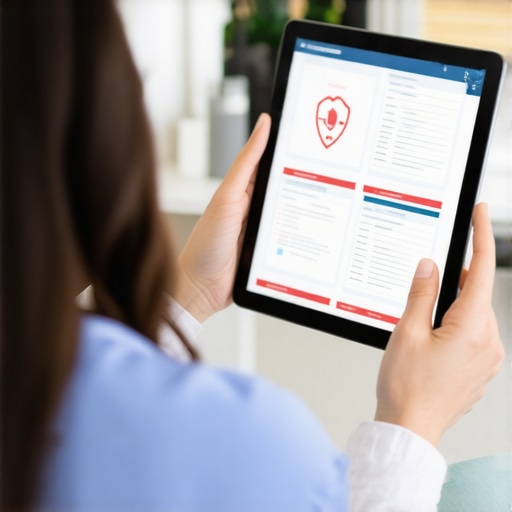 Many people believe that standard blood tests and wellness strategies are fully reliable, but the truth is more nuanced. A common myth is that normal results mean everything’s fine; however, expert research shows this can be dangerously misleading (Understanding lab tests: your roadmap to clearer diagnosis). Advanced pitfalls include relying solely on basic panels, which often miss subclinical deficiencies like low vitamin B12 or hidden hormonal imbalances. For instance, someone might have a normal TSH but still suffer from fatigue caused by undetected low ferritin levels—highlighting the importance of targeted testing.
Are Conventional Lab Tests Sufficient for Complex Cases?
In complex or subtle cases, standard testing falls short because it doesn’t capture early or subclinical issues. Incorporating advanced markers and personalized assessments, such as inflammation or nutrient status, can dramatically shift outcomes. Telehealth plays a crucial role here, offering access to specialists capable of interpreting these nuanced results and customizing your testing plan (Exploring telehealth benefits). It’s an empowering way to avoid common pitfalls of one-size-fits-all testing. Moreover, many overlook the essential role of continuous symptom tracking, which helps connect lab data with real-world effects, revealing issues that numbers alone can’t show. Lifestyle factors, like sleep quality, diet, and stress, often have a profound influence, and ignoring these can negate the benefits of even the most comprehensive tests. Before adopting a wellness plan, ensure your approach considers these hidden layers. For example, regularly monitoring inflammation markers like hs-CRP can signal if lifestyle adjustments are reducing systemic stress. Remember, comprehensive testing isn’t just about numbers; it’s about understanding your body’s intricate signals and acting on them. Are you leveraging the full potential of your lab work and virtual strategies? Let’s discuss your experiences below and avoid falling into these common traps. Have you ever fallen into this trap? Let me know in the comments.
How Do I Keep My Wellness Strategy Working Over Time?
Maintaining your health progress requires more than just initial testing and lifestyle adjustments; it involves consistent use of reliable tools and techniques. One essential approach I personally endorse is leveraging digital health platforms that integrate real-time data tracking with professional analysis. For instance, wearable devices like the WHOOP Strap provide continuous heart rate variability and sleep monitoring, which are crucial markers of stress and recovery. I use it daily to fine-tune my sleep schedule and stress management practices, ensuring that my efforts are based on actual physiological feedback rather than guesswork.
The integration of such wearables with telehealth services, like those outlined at exploring telehealth benefits, allows for timely adjustments and expert guidance without the need for frequent in-person visits. This combination fosters a proactive approach, catching emerging issues early and customizing interventions to suit evolving needs.
Another critical component is routine lab testing. Instead of waiting until symptoms worsen, I recommend scheduling wellness checks every 6-12 months. These are not just standard panels; advocate for comprehensive assessments that include inflammation markers, nutrient levels, and hormonal balance. Such proactive testing, as detailed at regular labs importance, enables early detection of potential issues, enabling targeted interventions before they manifest into symptoms.
For instance, I use a service that ships testing kits directly to my home, enhancing convenience and compliance. Once I receive my results, I review them with a telehealth provider, enabling personalized adjustments to my diet, supplementation, or activity routines. This personalized, data-driven approach helps sustain wellness gains long-term.
What Are Future Trends in Keeping Wellness Systems Reliable?
Looking ahead, I believe advancements in telehealth technology and AI-powered data analysis will further streamline personalized wellness management. These innovations will generate more precise insights, enabling individuals to anticipate health risks and adjust their routines proactively. Early adopters of such tools can stay ahead, maintaining optimal health as their bodies evolve.
If you’re serious about keeping your wellness system effective, I recommend trying the strategy of combining continuous wearable monitoring with regular comprehensive lab assessments. This dual approach ensures you’re not only reacting to health issues but proactively preventing them. Take that first step today, and experience how personalized data can transform your health journey.
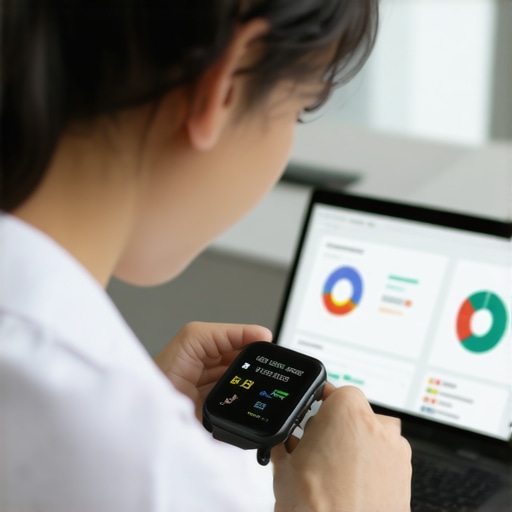
Image prompt: A person checking health data on a wearable device, with a laptop displaying a health analytics dashboard in the background; detailed and modern tech vibe.
Alt: Person reviewing health metrics on wearable device; Title: Personalized Wellness Monitoring in Action.
My journey through wellness has taught me that the most crucial lessons often come from the moments we least expect—like discovering hidden blood markers or realizing that virtual care can be more impactful than traditional visits. These insights go beyond the surface and reveal a powerful truth: proactive, personalized health strategies can transform your vitality and resilience.
The Hidden Truths That Changed My Approach to Wellness
One of the most eye-opening lessons was the realization that standard blood tests might overlook early signs of issues like nutrient deficiencies or hormonal imbalances. Relying solely on typical panels can create a false sense of security, delaying necessary interventions. I learned the importance of advocating for comprehensive testing and the value of deep data analysis, which can reveal the subtle imbalances quietly undermining your health.
Moreover, embracing telehealth opened doors to specialist insights that I couldn’t access in person, enabling tailored strategies that fit my lifestyle. This experience underscored the significance of having a healthcare system that is accessible, flexible, and personalized—elements essential for truly understanding what your body needs to thrive.
My Trusted Tools for Personalized Wellness Journey
Over time, I’ve curated a set of resources that have proven invaluable: Understanding lab tests: your roadmap to clearer diagnosis helped me interpret complex results. Combining that with the power of telehealth innovations allowed me to stay connected with experts and adjust my plan in real-time. And for tracking progress, wearable devices like the WHOOP Strap provide continuous data, making me feel empowered and proactive about my health. These tools, collectively, make a formidable arsenal against unseen health issues and keep me aligned with my wellness goals.
Your Next Step Toward Empowered Wellness
If my experience has shown me anything, it’s that waiting for symptoms to surface isn’t the best approach. Embracing personalized testing, leveraging telehealth, and engaging with real-time data are practices that any motivated individual can adopt. The future of health lies in these innovative, accessible strategies—waiting passively is no longer an option.
Are you ready to take control of your health by exploring these deeper insights? Share your thoughts or questions below—I’d love to hear how personalized testing and virtual care are shaping your wellness journey.
,