
How to Manage PCOS Symptoms Through Targeted Lab Testing

I remember the moment clearly — sitting in my bathroom, clutching my latest lab results, feeling a mixture of frustration and confusion. The numbers didn’t make sense, yet I knew they held the key to understanding my persistent PCOS symptoms. Like many others, I’d been told to just manage the symptoms with medication or lifestyle tweaks, but deep down, I suspected there was more beneath the surface. That realization was my lightbulb moment: effective management starts with knowing exactly what’s happening inside our bodies.
Why Getting the Right Lab Tests Changed Everything for Me
For years, I was frustrated by the rollercoaster of mood swings, irregular cycles, and stubborn weight gain. I tried countless diets and supplements, but nothing seemed to provide lasting relief. It wasn’t until I dug into targeted lab testing — not generic panels, but specific markers for PCOS and related hormonal imbalances — that I finally started to see real progress. Understanding my unique hormonal profile allowed me to tailor my approach, leading to better symptom control and more confidence in my health journey. This experience made me realize something crucial: knowing the precise state of your health through comprehensive lab work is the foundation of an effective, personalized management plan.
Is Lab Testing Really Worth It? The Skeptic’s Question
Many people hesitate, thinking lab tests might be unnecessary or too complicated, especially with all the confusing options out there. I honestly made the mistake early on of sticking with standard blood panels that missed key indicators like insulin resistance or specific androgen levels. That oversight delayed my progress and left me feeling stuck. The truth is, choosing the right tests can uncover hidden issues that might be sabotaging your efforts. If you’re wondering whether lab testing is worth the hassle, I’ll say this: it’s the difference between guesswork and real understanding. An excellent resource to explore is how lab tests can detect hidden health risks early in your wellness pathway — and how virtual care can make this process accessible and stress-free, as discussed in this article.
So, if you’ve faced unexplained symptoms or felt uncertain about your health, I encourage you to consider how targeted lab testing might uncover the root causes. This knowledge empowered me to take control, and I’m confident it can do the same for you. Now that we’ve acknowledged why proper testing matters, let’s walk through how you can approach it effectively and make informed decisions about your wellness.
Schedule the Right Tests with Precision
Begin by identifying your key health markers—like insulin resistance, androgen levels, and thyroid function—that influence PCOS symptoms. During my own journey, I found that requesting a comprehensive panel tailored to hormonal imbalances made a huge difference. To do this effectively, contact a virtual healthcare provider via this link to discuss your concerns and specify your testing needs. Make sure the lab tests cover current standards and special markers relevant to PCOS, as explained in this resource. Once scheduled, prepare for the blood draw by fasting if necessary—avoiding substances like caffeine or medications that could skew results.
Use Telehealth to Clarify and Act on Results
After your tests are complete, interpreting the results can be overwhelming. I recommend booking a telehealth consultation to review your numbers with a healthcare professional. Virtual visits provide privacy and convenience, allowing you to discuss specific markers and their implications without the hassle of physically visiting a clinic. During my own session, the provider explained each lab value in relation to my symptoms, which helped me understand the next steps better. You can explore this article for insights into how telehealth is transforming wellness management.
Take Action Based on Your Data
Once you understand your lab results, the next step is implementing targeted interventions. This might include dietary adjustments, supplements, or lifestyle changes, all tailored specifically to your hormonal profile. For example, if insulin resistance is flagged, managing carbohydrate intake and integrating physical activity can be effective, as discussed in this guide. Regular follow-up testing can monitor progress and ensure that your management plan adapts to your evolving needs. Moreover, integrating this process with vaccination planning—especially if your immune health is compromised—can optimize your overall wellness. Learn more about combining lab tests with vaccinations for comprehensive health.
Visualize Your Hormonal Balance
To better grasp the impact of your actions, consider tracking your symptoms alongside lab results. Using a health journal or app to monitor mood, cycles, and energy levels provides real-time feedback on your management strategy’s effectiveness. This practice was instrumental in my experience—helping me notice trends and adjust behaviors accordingly. Remember, proactive testing and virtual consultations are tools to empower your health journey, making effective management accessible and personalized. For additional insights on optimizing this approach, see this resource.
Many assume that lab tests and telehealth are straightforward solutions, but in my experience, there’s a hidden nuance that often trips people up. A prevalent myth is that cheaper or standard panels are sufficient for comprehensive health assessment — but this couldn’t be further from the truth. Relying on basic tests might overlook critical markers like insulin resistance or inflammation, which are central to conditions like PCOS. Skimping here can lead to misdiagnosis or delayed treatment. Moreover, many believe that virtual consultations are impersonal or less effective than in-person visits. Yet, advanced telehealth platforms now provide detailed discussions with specialists who interpret complex lab data, offering insights comparable to, if not better than, traditional visits. The key is understanding that not all tests are created equal. For example, a common mistake is to skip specific markers that reveal underlying issues—such as cortisol or ferritin levels—that significantly impact your health.
One pitfall to watch out for is falling into the trap of ‘set it and forget it’ with lab testing. Your health status evolves, so you should regularly update your testing panel and consult with telehealth professionals to interpret new data. An insightful approach is to combine targeted lab tests with personalized vaccination plans, maximizing your immune resilience. Notably, many overlook the importance of aligning their lab results with vaccination schedules, which could compromise their immune response.
Have you ever fallen into this trap? Let me know in the comments.
Additionally, advanced experts emphasize the importance of understanding biological age markers—such as telomere length or metabolic rate—in lab assessments. These help tailor interventions more precisely than standard tests alone. According to a 2022 study by experts in preventive medicine, integrating such nuanced markers can better predict chronic disease risk and guide proactive strategies, including vaccinations and lifestyle adjustments. So, the real secret is to incorporate depth, not just breadth, into your health evaluations—combining comprehensive testing with virtual care solutions that offer expert insights, ensuring your wellness journey is both informed and effective.
Maintaining your health over the long term requires more than just sporadic testing or occasional virtual visits. It demands reliable tools, consistent tracking, and systems that integrate seamlessly into your daily routine. One of my go-to devices is the **GlucoTrack** continuous glucose monitor, which offers real-time data on blood sugar fluctuations without the need for constant finger pricks. I personally rely on it to gauge how different foods, stress, and sleep patterns directly impact my metabolic health, allowing for immediate adjustments. Such data is invaluable, especially when managing insulin resistance, a common issue in PCOS management, as highlighted in studies on metabolic monitoring here.
For hormone tracking, I use the **Delfuce Hormone App**, which consolidates lab results, symptom logs, and mood trackers into one dashboard. This app enables me to identify patterns over weeks and months, informing both diet and supplement strategies. The benefit is not just data collection but turning information into actionable insights—something essential when making long-term health decisions.
Another cornerstone of my wellness toolkit is a **smart body composition scale**, like the Withings Body+—which measures weight, body fat percentage, hydration, and muscle mass. This is critical because weight alone doesn’t tell you the full story. Tracking these markers over time helps fine-tune your lifestyle and nutritional choices, preventing plateaus or setbacks. Evidence shows that monitoring body composition offers better long-term health predictions than weight alone, especially for hormone-related conditions here.
On the software side, I recommend **MyHealthPlan**, a simple yet robust platform that consolidates lab results from different providers and schedules follow-up tests automatically. It also syncs with your calendar for upcoming appointments, ensuring nothing slips through the cracks. Using such a platform has helped me stay proactive and organized, especially as my testing frequency increases when tailoring my management strategy.
Looking ahead, I believe the future of wellness tools will deepen with AI-driven insights, integrating wearable data with lab results to offer personalized recommendations instantly. Companies are already working on AI algorithms that analyze patterns and predict health risks before symptoms emerge, blurring the line between reactive and predictive care. Embracing these innovations now can give you a head start, especially if you subscribe to virtual care services that continually adapt as new data flows in.
How do I keep my health tools effective over time?
The key is regular calibration and integration. Periodically update your devices, ensure your app integrations are synchronized, and review your data with a healthcare professional. Scheduling virtual check-ins through platforms like this page keeps your management plan responsive and personalized. Also, stay informed about new device capabilities by following trusted sources, including this article.
Try integrating one of these tools into your routine this month — it could be the game-changer you need to keep everything working smoothly. Combining accurate data collection with virtual guidance is the future, and starting now means you’re already ahead in your wellness journey.
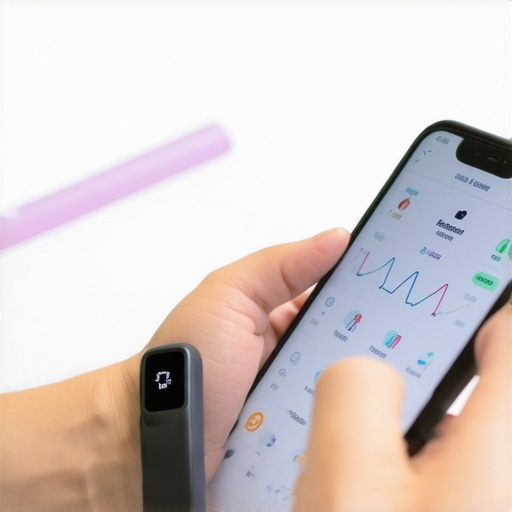
Over the course of my wellness adventure, I’ve realized that the most profound insights often come from the unexpected corners of health management. It’s not just about the tests or virtual visits—it’s about the lessons these tools reveal that can transform your approach. Here are some personal revelations that changed the game for me, and perhaps will for you too.
The Unexpected Power of Personal Awareness
One of the hardest lessons I learned was that health isn’t static. Regular lab testing pushed me to see my body as a dynamic system that responds to treatment, diet, and stress. Embracing this mindset helped me avoid complacency, encouraging consistent monitoring. This awareness made me realize that improvements are cumulative and require ongoing attention, not just one-time fixes.
How Invisible Factors Can Sabotage Your Progress
I used to focus solely on visible symptoms—weight, mood swings, fatigue—but missed underlying issues like inflammation or micronutrient deficiencies. Discovering these through targeted lab tests was eye-opening. It became clear that unseen factors often drive the symptoms we chase. This understanding motivated me to look beneath the surface, knowing that true progress depends on addressing root causes.
The Art of Listening to Your Body’s Data
Interpreting lab results with a professional’s guidance taught me that data isn’t just numbers—it’s a language your body uses to communicate. Learning to ‘listen’ to this language allowed me to make precise adjustments in my lifestyle and supplementation. This experience underscored that health is a dialogue between you and your body, facilitated by knowledge and attentive care.
Curated Recommendations for Your Wellness Arsenal
VitalClinic’s Lab Panels: Their comprehensive panels are my go-to for revealing hidden issues, especially related to hormonal and metabolic health. As a trusted resource, they provide actionable insights tailored to conditions like PCOS and insulin resistance.
Telehealth Platforms: Connecting with specialists via virtual care has transformed my approach. These platforms facilitate expert interpretation of complex data, making personalized treatment accessible regardless of location. I rely on them to keep my health plan responsive and informed.
Educational Resources: The articles on the future of virtual care and lab tests in preventive wellness have broadened my understanding, helping me make smarter decisions and advocate for my health effectively.
Your Next Step in Wellness Discovery
Take this as a gentle nudge to explore the less-trodden paths of health management—invest in personalized testing, harness the power of telehealth, and stay curious about what your body reveals. Remember, the true key to wellness lies in continuous discovery and proactive engagement. Embark on this journey and watch how your health transforms into a realm of opportunities rather than just symptoms.
What unexpected insight has helped you most in your pursuit of wellness? Share your experience below and join the conversation!