
Why Your Morning Coffee Is Sabotaging Your Fasting Blood Work
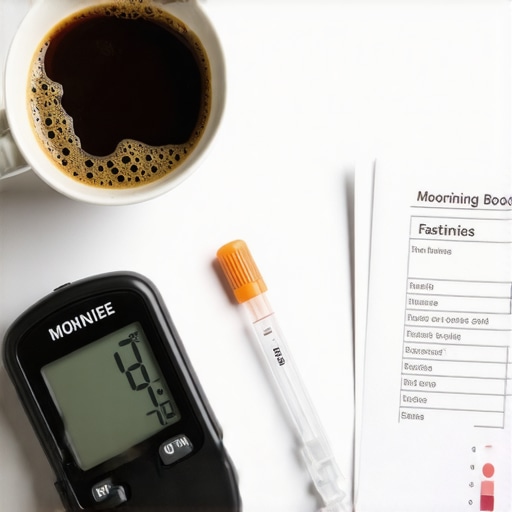
I used to pride myself on my disciplined mornings — a glass of water, a quick stretch, and then my trusted cup of coffee. But one day, I got my latest blood work back and noticed something strange. My cholesterol levels and fasting glucose numbers weren’t quite adding up, despite maintaining a consistent diet and exercise routine. That lightbulb moment hit me hard: could my beloved morning brew be sabotaging my health insights?
The Hidden Impact of Coffee on Your Blood Tests
Many people overlook the fact that what they consume before a fasting blood test can significantly alter the results. Caffeine, found in coffee, has a stimulating effect that can temporarily spike blood sugar and adrenaline levels. This isn’t just my personal anecdote; clinical studies support this. Research published in the Journal of Clinical Endocrinology & Metabolism shows that caffeine can elevate fasting blood glucose for hours after consumption, skewing your lab results and possibly leading to misdiagnosis.
Have you ever noticed your blood work results aren’t quite aligning with your health? If so, you’re not alone. Many people unknowingly compromise the accuracy of their fasting tests simply by starting their day with coffee or other caffeinated beverages.
In my early days of wellness testing, I made the mistake of grabbing my usual coffee right before my appointment. The results? Slightly elevated glucose and triglycerides that didn’t reflect my true health status. It’s a mistake I often see others making, and it’s a barrier to truly understanding your body’s needs.
In this post, I’ll guide you through easy, effective adjustments to ensure your fasting blood work accurately reflects your health—so you can make better-informed decisions about your wellness journey. Curious? Let’s dive into what really works and how to optimize your fasting tests for real results.
Plan Your Testing Day Carefully
Schedule your blood test first thing in the morning, ideally after an overnight fast of at least 8 hours. Keep your routine simple: avoid eating or drinking anything other than water after dinner the night before. I once overlooked this and had a late-night snack; my results showed elevated blood sugar, which I knew wasn’t accurate. This taught me to strictly stick to fasting protocols.
Skip Coffee and Caffeinated Drinks Before Testing
Refrain from consuming coffee, tea, or energy drinks that contain caffeine on the day of your blood work. Caffeine can spike your blood sugar and adrenaline temporarily, skewing results. To ensure clarity, hydrate with plain water instead. I find that substituting my usual morning coffee with herbal tea the day before helped me see my true baseline levels.
Hydrate Adequately Without Overdoing It
Drink plenty of water to stay hydrated—dehydration can concentrate your blood and affect test accuracy. But avoid excessive water intake right before the test, as it might dilute your blood components. Proper hydration was key when I tested for vitamin levels, making my results more reliable.
Maintain Consistent Routine Before Testing
Maintain regular activity and sleep patterns prior to testing days. Avoid strenuous exercise 24 hours beforehand, as it can temporarily alter blood markers. After a strenuous workout, my glucose levels spiked, misleading my doctor. Establishing consistency helps in capturing your accurate baseline.
Limit Alcohol and Certain Medications
Refrain from alcohol 24 hours before your test, as it can affect liver function and glucose levels. Consult your healthcare provider about medications; some may influence test outcomes. I postponed some supplements when preparing for testing, which resulted in clearer, more actionable insights.
Use Telehealth Services for Guidance
Leverage virtual care platforms like telehealth innovations to discuss your preparation plan with a provider. They can advise on specific preparations based on your health profile, ensuring you’re fully ready for the test. I once scheduled a quick telehealth consult before testing, which clarified my medication adjustments—saving me hassle later.
Follow Up with Precise Lab Scheduling
Book your blood draw in the morning to minimize variables. Confirm the fasting requirements with the lab staff. Some clinics allow online scheduling, reducing wait times and ensuring you arrive prepared. This approach helped me avoid delays that could invalidate fasting conditions.
Review Your Results Carefully
Once you receive your blood work, review your results using resources like lab test explanations. Understanding which factors are influenced by prep routines ensures you interpret your data correctly. I cross-referenced my results with my prep habits and adjusted accordingly for the next round.
While many believe that vaccines, lab tests, and telehealth are straightforward tools for health management, the reality is more complex and nuanced. One widespread misconception is that standard vaccination schedules are universally optimal; however, recent research emphasizes the importance of personalized immunization plans based on your unique immune response here. Skipping this customization can lead to suboptimal protection or unnecessary exposure to side effects.
Another common myth concerns lab tests: many assume that a normal result equates to perfect health, but hidden markers often reveal underlying issues that standard panels miss this article. For instance, elevated inflammation markers within the normal range may still predict cardiovascular risk if interpreted without context.
In the realm of telehealth, there’s a misconception that virtual care is less effective than in-person visits. Interestingly, telehealth can offer more accurate assessments of certain chronic conditions because it facilitates frequent monitoring and immediate adjustments to treatment plans discover how. However, many overlook its limitations, such as the inability to perform physical examinations or rely on self-reported data, which can introduce errors.
A critical trap to avoid is the assumption that all health data from at-home tests or virtual consultations are equally reliable. The quality and interpretation of these tests depend heavily on proper procedures and context. For example, improper sample collection can invalidate results, leading to misguided health decisions.
Delving into these nuances reveals that a deeper understanding and a personalized approach significantly enhance the effectiveness of vaccinations, lab work, and telehealth. If you want to harness these tools fully, ask yourself: Are you aware of how individual differences affect your health data? Have you ever fallen into this trap? Let me know in the comments.
Prioritizing Long-Term Wellness with Reliable Tools
Maintaining optimal health isn’t a one-and-done effort. It requires consistent use of specific tools and practices that support your journey beyond initial tests and interventions. For me, one of the most effective investments has been in a high-quality digital blood pressure monitor, like the Omron Bluetooth-enabled device. Its accuracy and app integration allow me to track trends over weeks and months, identifying subtle changes that might otherwise go unnoticed. This continual monitoring empowers me to make timely adjustments in lifestyle and medication, if necessary, without waiting for the next doctor visit.
Why I recommend digital tools for long-term wellness
Traditional monitoring can be sporadic and often reactive. With digital health devices, you gain a proactive edge. They help you establish patterns, set actionable goals, and prepare detailed reports for your healthcare providers. An example is using a pulse oximeter to track oxygen saturation during respiratory illnesses, offering immediate data to guide activity levels or supplement use. These devices are now affordable, user-friendly, and have integrated apps that help visualize your health data over time, making consistent tracking accessible even for busy schedules.
Leveraging Telehealth for ongoing support
Regular check-ins via telehealth platforms eliminate the barriers of in-person visits, especially for routine wellness maintenance. Platforms like virtual care innovations now offer comprehensive features—scheduled monitorings, medication refills, and personalized advice—that adapt to your lifestyle. I personally schedule quarterly virtual consultations to review lab results and discuss lifestyle adjustments, ensuring my wellness plan stays aligned with my current health status. These ongoing interactions facilitate prompt responses to minor issues before they escalate, saving both time and stress.
How do I keep wellness tools effective over time?
Bi-yearly reassessments of your device accuracy and updating your software are critical. Manufacturers often release firmware updates that improve measurement precision and add functionalities. Moreover, periodically revisiting your health goals with your provider ensures your tools and strategies evolve with your needs. Trust me, setting up reminders to review your devices and schedule regular remote check-ins creates a sustainable, adaptable wellness routine.
Future of Wellness Tools
As technology advances, personalized health solutions such as AI-driven predictive analytics and wearable biosensors will become commonplace. These innovations will allow us to anticipate health issues before symptoms appear, shifting our approach from reactive to remarkably proactive. Staying informed about these trends ensures you’re prepared to integrate cutting-edge tools seamlessly into your wellness strategy.
Ready to solidify your health maintenance? Try setting a weekly reminder to review your device data and schedule a telehealth check-in. Moving toward a more proactive, informed wellness journey is within your reach—and these tools make it achievable.
In the journey toward optimal health, small adjustments can lead to profound insights. One of the most overlooked yet impactful changes is reevaluating your morning caffeine routine before blood tests. Recognizing that caffeine can temporarily elevate blood sugar and adrenal hormones has been a game-changer for me, transforming how I interpret my health markers. By simply replacing my usual coffee with hydrating herbal tea on testing days, I’ve gained a clearer picture of my true baseline, helping me make smarter health decisions.
This experience taught me that being intentional about what I consume prior to testing is not just a detail—it’s a cornerstone of accurate health assessment. It pushes me to advocate for others: question routines, understand the science behind lab results, and advocate for personalized testing protocols. Remember, your health data is only as good as the preparation behind it.
So, next time you schedule a blood test, think about the small steps you can take—like skipping that morning caffeine—to ensure your results truly reflect your body’s state. These mindful adjustments empower you to take more accurate, actionable steps on your wellness journey, making every test a genuine snapshot of your health rather than a skewed snapshot influenced by your morning routine.