
How to Read Your Own Glucose Patterns Without a Medical Degree
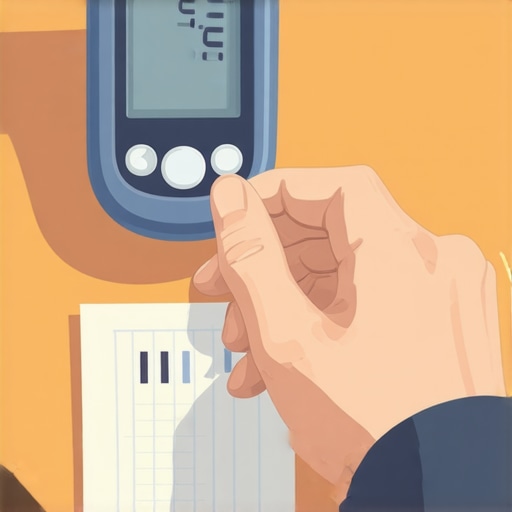
I still remember the moment vividly—standing in my kitchen, clutching my glucose monitor, feeling a mix of frustration and curiosity. Despite all the medical jargon and complex charts, I realized that I didn’t need to be a doctor to understand my body’s signals. It was a lightbulb moment that changed my approach to health entirely. Like many of you, I’ve navigated the confusing world of wellness tests and self-monitoring, often feeling overwhelmed and unsure if I’m interpreting my data correctly.
Why Deciphering Your Glucose Patterns Is Closer Than You Think
Over the years, I’ve learned that understanding your own health, especially your glucose patterns, can be empowering—no medical degree required. Whether you’re managing diabetes or simply want to optimize your energy, recognizing how your blood sugar responds to food, activity, and stress is a game-changer. And the best part? You can start doing this at home, with some basic tools and a little guidance. Recent studies reveal that most people can make meaningful health adjustments by paying close attention to these patterns, which can reveal early signs of metabolic issues before they turn into bigger problems. According to research from the detecting hidden health risks.
Start Tracking Your Glucose Levels Daily
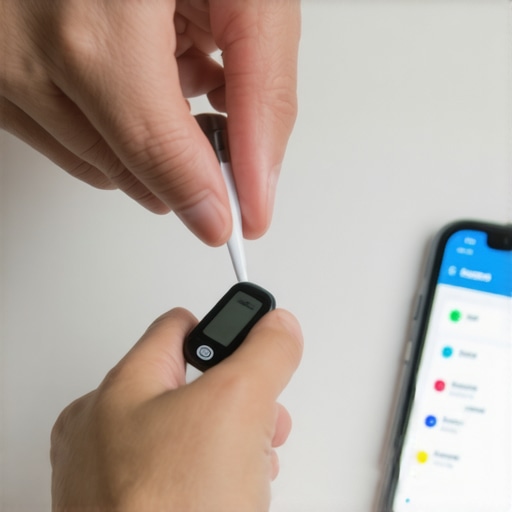
The first step I took was setting up a routine to monitor my blood sugar regularly. I used a simple glucose monitor and recorded readings before meals, after meals, and at bedtime. One morning, I noticed my levels spiked sharply after breakfast with cereal and milk but remained stable when eating eggs and vegetables. This initial observation helped me identify specific foods that affected my glucose. To do this effectively, select a reliable home testing kit, prepare a consistent testing schedule, and keep a digital or paper log. This practice is akin to tuning a musical instrument—you need to listen closely to identify which notes (or foods) cause discord.
Identify Your Personal Food Triggers
Next, I experimented with different meals, noting how each impacted my readings. For example, I ate a slice of bread one morning and observed a significant rise an hour later. The next day, I replaced that bread with a handful of nuts, and my levels stayed steady. This trial-and-error approach allowed me to craft a personalized eating plan that stabilizes my blood sugar. Think of it as customizing a playlist—by removing the off-key tracks, your body’s overall tune improves. Keep a detailed record, so patterns become clear over time. For deeper insights into how food affects your health, consider exploring the role of lab tests in preventive wellness, which can uncover hidden issues before symptoms appear.
Incorporate Movement for Better Balance
After noticing my glucose spikes post-meal, I added short walks after eating to help my body process sugar more efficiently. Within a week, my post-meal readings decreased noticeably. Physical activity acts like a broom, sweeping away excess sugar and improving insulin sensitivity. Even a 10-minute walk can make a difference. Schedule these activity breaks as part of your routine, just like brushing your teeth. This small habit not only stabilizes blood sugar but also boosts your overall energy. For a broader understanding of combining lifestyle changes, review strategies in messages about maximizing health through vaccination and lab testing strategies.
Manage Stress to Prevent Unhealthy Fluctuations
One overlooked factor I found impacting my blood sugar was stress. On days when I felt overwhelmed, my levels spiked unexpectedly. I started practicing deep breathing and mindfulness exercises during stressful moments, which helped me regain control. Think of stress as a fire igniting wild fluctuations—quenching it calms the chaos. Regularly setting aside time for relaxation can be as vital as diet and exercise. If you’re unsure how stress or other factors influence your health, telehealth resources now make it easy to access personalized support tailored to your patterns.
Use Technology to Stay on Track
To streamline my process, I integrated my glucose monitor with a smartphone app that analyzed my data and provided visualizations. This technology acts like a personal health coach, alerting me when levels deviate from my targets and suggesting adjustments. Additionally, scheduling follow-ups through virtual care platforms saves time and provides expert insights without leaving home. Embracing these tools transforms raw data into actionable insights and keeps motivation high. Learning how to interpret your lab tests and use telehealth innovations can dramatically accelerate your health journey, helping you identify issues early and adapt your routines swiftly.
Refine Your Routine with Regular Health Checks
Finally, I schedule periodic lab tests to gain comprehensive insights into my metabolic health. Tests like HbA1c and lipid panels reveal underlying trends not visible through daily monitoring alone. These assessments act as a GPS, guiding my next steps in adjusting food, activity, or stress management. Remember, consistent monitoring and testing are your best allies in proactive health management. For detailed insights into effective wellness testing, explore our guides on understanding lab tests and their role in preventive care.
By implementing these steps—tracking meticulously, identifying triggers, incorporating movement, managing stress, leveraging technology, and conducting regular health checks—you take control of your glucose health. This proactive approach is much like maintaining a well-tuned engine; regular adjustments keep everything running smoothly. Over time, you’ll notice not just stabilized numbers but also increased vitality and confidence in your health journey.
Many people believe that following general advice about wellness, vaccinations, lab tests, and telehealth is enough to safeguard their health. However, this common misconception overlooks nuanced realities that can significantly impact your health journey. For instance, a prevalent myth is that all lab tests provide comprehensive insights; in reality, many standard panels miss early signs of metabolic stress, which are crucial for prevention. Relying solely on routine screenings without understanding their limitations can lead to false reassurance and delayed diagnosis. Moreover, while vaccinations are vital, some assume that receiving shots at any time of day yields the same benefit, but studies show that timing—like afternoon vaccinations around 4:54 pm—can optimize immune response, a detail many overlook.
A significant pitfall in telehealth is equating virtual visits with in-person examinations, but advanced telehealth solutions now enable detailed assessments and faster diagnoses, transforming access to healthcare. Yet, many patients remain unaware that telehealth isn’t just convenient—it’s a powerful tool for early detection when used appropriately.
What about the misconception that once you’ve had a vaccine or lab test, your health concerns are permanently addressed? This overlooks the importance of continuous monitoring. Regular, targeted testing—guided by expert knowledge—can reveal evolving risks that static, one-off tests might miss, especially for issues like insulin resistance before A1c shifts. As highlighted by experts in preventive medicine, ongoing assessment using an understanding of specific biomarkers provides a clearer roadmap to better health.
Another often overlooked nuance is the optimal timing of interventions. For example, some believe that vaccinations can be administered at any time, but recent insights suggest that specific timing—such as afternoon hours—can elevate efficacy. This subtle detail underscores the importance of personalized, informed approaches rather than blanket recommendations.
In essence, embracing these nuances means moving beyond generic advice and recognizing that personalized, informed strategies—like understanding the role of lab tests in detecting hidden risks or leveraging telehealth innovations—are key to truly preventive care. Always question assumptions, keep abreast of recent research, and consider consulting trusted sources like lab tests in preventive wellness or telehealth transformations for deeper insights.
Have you ever fallen into this trap of oversimplification? Let me know in the comments.
Keeping your health routine running smoothly over the long term requires reliable tools and consistent habits. One of my top recommendations is using a dedicated, digital health journal app like digital wellness trackers. I personally prefer apps that allow me to log my daily lab tests, vaccination dates, and symptom patterns, making it easier to spot trends over time. These tools help me stay accountable and surface insights I might otherwise overlook.
Why Upgrading Your Equipment Matters
Investing in a high-quality glucometer such as the Abbott FreeStyle Libre has been transformative in managing my glucose levels. Its real-time continuous monitoring capability reduces the hassle of finger sticks and provides detailed data for analysis. Pairing this device with the accompanying smartphone app creates a seamless experience, helping me spot patterns instantaneously. These high-tech tools improve accuracy and save time, ensuring my monitoring is precise and sustainable.
Another game-changer is integrating your data with platforms like telehealth services. The ability to share data directly with healthcare providers during virtual appointments accelerates diagnosis and enables proactive interventions, often before symptoms worsen. As telehealth solutions evolve, expect even more integrated apps that combine wearable data, lab results, and virtual consultations for comprehensive health management.
Future Trends in Wellness Tools
Emerging technologies like AI-powered health analytics are poised to revolutionize routine health maintenance. Imagine algorithms that analyze your trends and suggest personalized interventions—perhaps recommending specific lab tests or indicating optimal vaccination timing—like the latest insights into vaccination timing. Embracing these innovations will make health management more proactive, precise, and tailored to your unique biology.
How do I keep my wellness tools effective over time?
The key is consistency and regular updates. Replace your glucose sensors and batteries as recommended, and routinely sync your apps to ensure data accuracy. Make it a habit to review your logs weekly to catch emerging patterns. Also, stay informed about new tools—tech evolves quickly, and staying current ensures you benefit from the latest advances. Remember, integrating these tools with your existing routines creates a sustainable system that grows with you, empowering ongoing health improvements.
To challenge yourself further, try setting a reminder to review your lab test results, like your comprehensive wellness panels, every three to six months. Doing so keeps your finger on the pulse and helps you make timely adjustments. Consistent use of advanced tools not only preserves your health gains but also unlocks new levels of insight into your body’s signals.
Remember: the right tools, used intentionally, form the foundation of a resilient, long-term wellness strategy. Now, take action—perhaps by upgrading your glucose monitor or scheduling that next lab test—to propel your health journey forward.
Throughout this journey, I’ve learned that the most profound insights about our health often come from within. One invaluable lesson was realizing that trusting my own observations and data is more empowering than waiting for a routine appointment or trusting generic advice blindly. Our bodies whisper signals—if we learn to listen, they become our most reliable guides, revealing what truly works for us individually, not just what’s recommended broadly.
Lessons I Wish I Had Known About Self-Monitoring
- It’s easy to dismiss small fluctuations as insignificant, but over time, these subtle signs can reveal patterns of imbalance that silently impact our vitality.
- Relying solely on standard tests at infrequent intervals might leave critical early warning signs hidden—regular personal tracking bridges that gap.
- The process of experimenting with foods, stress management, and activity levels is not just about health—it’s a form of self-knowledge that fosters confidence and autonomy.
- Embracing technology like continuous glucose monitors and telehealth platforms transforms health management from reactive to proactive insight gathering.
Tools That Transformed My Approach
- Lab tests for preventive wellness: They provide a detailed snapshot beyond routine panels, unveiling hidden risks early.
- Telehealth innovations: These platforms make expert advice accessible, timely, and integrated with your daily data logs.
- Vaccination timing strategies: Knowing when to optimize immune response boosts efficacy significantly.
- Regular wellness checks: They act as milestones that validate your efforts and open the door to personalized adjustments.
Your Next Step Toward Better Self-Care
This is your moment to take command of your health journey. Embrace the tools and insights available—whether it’s tracking your blood sugar, scheduling regular lab tests, or consulting via telehealth platforms—to craft a personalized, resilient approach to wellness. Taking these steps not only empowers you with knowledge but also cultivates a genuine sense of control and hope. Start small, stay consistent, and watch as your body reveals its unique language, guiding you toward sustained vitality.
What small change are you ready to implement today that could transform your understanding of your health? Share your plans below—I’d love to hear how you’re taking charge of your wellness journey!