
Why your cholesterol numbers might look high after a stressful week
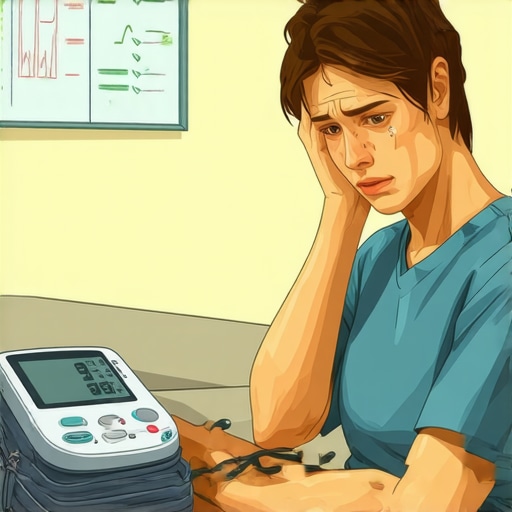
I remember the moment vividly. After a particularly stressful week filled with tight deadlines at work and sleepless nights, I received my latest lab results. My cholesterol numbers looked alarmingly high, bigger than they’ve ever been before. At first, I panicked — was my health really deteriorating? Then I paused and thought, could stress really be the culprit?
How Stress Can Change What Your Blood Tests Show
Is Cholesterol Always the Culprit? Or Just a Reflection of How You Feel?
Sometimes, our bodies react to stress in surprising ways. Elevated stress hormones like cortisol can temporarily increase blood sugar and lipid levels, including cholesterol. This means that after a stressful week, a high reading might not entirely reflect your usual health status. Instead, it could be a transient spike, a mirror of your recent emotional and physical strain.
Early on, I made the mistake of assuming my high cholesterol was a permanent issue. I ignored the fact that stress and lifestyle factors played a big role. Trust me, that was a frustrating lesson. It’s essential to understand that your numbers can fluctuate based on short-term stressors, making it crucial to interpret test results in context.
For a deeper dive into how stress impacts your health, you might find our article on telehealth innovations helpful. Virtual visits now enable you to get timely insights without the wait, facilitating better management of factors like stress that influence your labs. Learn more about how telehealth is transforming personal care at this resource.
In the following sections, I’ll guide you through practical steps to assess whether your high cholesterol is a sign of underlying issues or just a stress-induced blip. We’ll explore reliable testing methods, lifestyle strategies, and when it’s time to consult a healthcare professional. If you’ve experienced similar fluctuations, you’re not alone — and there’s hope to get clarity and take control of your health.
Get Accurate Readings with Proper Testing Timing
First, schedule your blood tests when you’re least stressed. I once attempted to check my cholesterol after a chaotic week, but the elevated levels threw me off. Later, I realized that stress hormones can temporarily raise lipid counts, leading to misleading results. To avoid this, try to time your tests during calmer periods, ideally after a restful weekend.
Prepare Your Body for Reliable Results
Before testing, follow specific guidelines to ensure accuracy. Fast for at least 9-12 hours, avoid strenuous activity, and stay well-hydrated. I learned this the hard way when a recent test showed abnormal lipid levels because I had just finished a workout and eaten a big meal. Proper preparation minimizes variables that can skew your results.
Use Telehealth for Expert Guidance
If your results are unexpected or confusing, leverage virtual care to consult healthcare professionals quickly. Telehealth platforms allow you to discuss your situation without waiting weeks for an appointment, much like I did during my stressful period. They can interpret your labs in context and recommend next steps. Discover how telehealth is transforming personal care.
Assess Stress as a Contributing Factor
Recognize that transient stress can temporarily elevate cholesterol. Keep track of your stress levels and lifestyle factors around your test days. I started journaling my stress episodes, which helped me see correlations between stressful weeks and higher labs. Implementing stress-reduction techniques like meditation or gentle exercise can help normalize these numbers over time.
Incorporate Regular Monitoring for Better Clarity
Set a schedule for periodic testing to identify patterns. Single readings can be misleading, especially during stressful periods. I found that repeating tests after a few months of stress management showed significant improvements, confirming that lifestyle impacts lab results. Regular labs paired with lifestyle adjustments paint a clearer picture of your true health status.
Consider Additional Tests for a Complete Picture
Beyond standard lipid panels, explore other markers like high-sensitivity C-reactive protein or fasting insulin, which offer deeper insights. I discovered this when my lipid count was high, but inflammation markers were normal, pointing toward temporary stress as the cause. These expanded tests can help differentiate between chronic issues and short-term fluctuations. Learn more at wellness check importance.
Many people assume they understand wellness and preventive healthcare fully, but beneath the surface lie misconceptions that can lead to costly mistakes. One common myth is that more testing always equals better health insight. In reality, over-reliance on frequent lab tests without proper context can cause unnecessary anxiety and lead to false alarms. The key is knowing which tests matter and when to trust them. For example, standard lipid panels can be misinterpreted if not timed correctly or if stress levels are high, skewing your results. It’s essential to recognize that transient factors like stress or recent activity can influence lab outcomes, so understanding these nuances helps prevent misdiagnosis.
Another misconception surrounds vaccinations. Many believe that receiving the standard shot series guarantees immunity for life. However, immunity can wane over time, necessitating booster doses tailored to individual risk factors. Relying solely on age-based schedules without personalized assessments might leave gaps in protection. Learning about your unique vaccination needs through targeted testing and consultation can optimize your immunity levels.
When it comes to telehealth, there’s a tendency to think of it as a limited substitute for in-person visits. But, in practice, virtual care offers nuanced advantages, such as quick access to specialists and continuous monitoring, especially for chronic conditions. Yet, a common mistake is underestimating its capabilities and delaying in-person evaluations when necessary. Recognizing its role in your healthcare strategy can boost early detection of issues that might otherwise be missed, such as subtle changes in health markers.
Misinterpretation of lab tests often arises from a superficial understanding of what the numerical results mean. For example, a high fasting insulin might be alarming if you’re unaware it’s linked to insulin resistance, a precursor to type 2 diabetes. Similarly, normal vitamin B12 levels do not always exclude deficiency if other markers like methylmalonic acid are elevated. Failing to interpret these in the correct complex context can lead to missed opportunities for early intervention.
A hidden nuance worth emphasizing is the importance of timing when conducting tests. Testing during a stressful week or immediately after intense exercise can produce misleading numbers, especially for cortisol or lipid profiles. Planning tests during relaxed, consistent periods yields more reliable data. This awareness can prevent unnecessary worry and guide appropriate lifestyle adjustments.
Make sure to leverage telehealth innovations that facilitate this process. Platforms now allow you to schedule tests, interpret results with experts, and follow personalized plans — significantly enhancing your wellness journey. Learn more about how telehealth is transforming personalization in healthcare at this resource.
Ultimately, mastering these nuances empowers you to make informed decisions, avoid common pitfalls, and harness the full potential of modern healthcare tools. Are you currently aware of these hidden complexities, or have you fallen into one of these traps? Share your experiences in the comments and let’s continue the conversation.Maintaining your health over the long term requires more than just occasional checkups; it demands the right tools and a strategic approach. One of my favorite methods is leveraging digital health platforms like telehealth. For example, I use a secure patient portal that syncs with my lab testing devices, allowing me to review results instantly and track trends over time. This continuous feedback loop helps me adjust my lifestyle proactively rather than reactively.
When it comes to ensuring lab test accuracy, I recommend investing in a blood pressure monitor such as the Omron Platinum. Personal measurements at home provide valuable data points, especially when timing tests during stress-free periods, as discussed earlier. Regular monitoring not only detects anomalies early but also offers peace of mind, reducing unnecessary clinic visits.
For managing vaccination schedules and tracking immunizations, I rely on dedicated apps like Immunization Tracker, which consolidates all vaccine dates and alerts me ahead of time for upcoming doses. Coupled with wellness check insights, this approach ensures that I stay current and identify gaps before illnesses can take hold.
On the software side, I use health data analytics tools such as Apple Health or Google Fit to aggregate metrics from various devices. These apps give me a comprehensive overview of my activity, sleep, and vital signs, supporting informed decisions about my lifestyle. For example, noticing patterns like elevated heart rate or poor sleep quality allows me to consult with my healthcare provider virtually, saving time and hassle.
Looking ahead, the trend points toward more personalized, AI-driven health assistants that integrate lab results, genetic data, and lifestyle inputs seamlessly. Companies like telehealth innovators are pioneering these experiences, making comprehensive wellness management accessible from home.
**How do I maintain long-term wellness tools**? I set regular check-in routines, review my data weekly, and adjust my habits accordingly. I challenge you to try integrating one of these tools—perhaps a home blood pressure monitor or a health tracking app—to see how it can proactively support your health journey. Embrace these solutions, and you’ll find that managing wellness becomes less about reacting to issues and more about preventing them.
What I Wish I Knew About Stress and Lab Results Early On
One eye-opening lesson was realizing that temporary stress can inflate lab numbers, leading me to misinterpret my health. Understanding that my body’s reactions are often fleeting taught me to schedule tests when I’m calm, ensuring more accurate insights.
Another insight was the importance of proper pre-test preparation. Simple steps like fasting properly and avoiding strenuous activity made a world of difference in getting reliable results. Noticing these nuances empowered me to advocate for my health with confidence.
Yet, perhaps the most valuable lesson was recognizing telehealth’s potential to provide swift, expert guidance without unnecessary delays. Leveraging virtual care helped me interpret confusing results and plan effective next steps, making health management more accessible and less stressful.
My Top Tools for Managing Wellness and Preventive Health
- Vital Clinic’s Telehealth Platform: Its seamless virtual services and integrated lab testing options give me real-time access to healthcare, saving time and providing peace of mind.
- Home Blood Pressure Monitors: Devices like the Omron Platinum help me track my vitals regularly, catching early warning signs without frequent clinic visits.
- Immunization Tracker Apps: Keeping my vaccination records organized ensures I stay current, especially when traveling or during routine checkups.
- Health Data Aggregators: Using Apple Health or Google Fit consolidates all my metrics, enabling a holistic view of my wellness journey and facilitating meaningful virtual consultations.
Your Next Step in Wellness Could Be Simpler Than You Think
Embracing the nuances of stress, timing, and proper preparation for lab tests, along with leveraging modern telehealth tools, can transform your health journey. Take small, strategic actions—schedule a test during a calm week, explore a virtual consult, or start tracking your key health markers—and watch how clarity replaces confusion. Remember, you’re not alone in this process; modern healthcare offers accessible solutions tailored to your lifestyle. It’s time to take control with confidence and curiosity. How are you planning to improve your wellness routine today? Let me know below.