
How to prepare your child for their first kindergarten booster shot

I’ll never forget the panic I felt when my child’s appointment for her first booster shot at kindergarten loomed just a few days away. She was suddenly clingy, nervous, and I could see the worry in her eyes—my own anxiety was bubbling up too. That moment hit me hard: I realized I was unprepared, not just for the shot itself but for how to make it a smooth, less scary experience for her. If you’ve ever felt the same surge of stress and uncertainty, you’re not alone.
Why Being Ready Transforms the Child’s Experience
Getting a child ready for their first booster shot isn’t just about ticking off a checklist—it’s about easing fears and building trust. When I took the time to inform myself and plan ahead, the entire process became calmer for everyone involved. In fact, research shows that children who are well-prepared and supported during vaccinations often experience less distress and recover more quickly, making the whole experience better for both child and parent. You can explore innovative approaches like telehealth consultations to ask quick questions or receive expert advice without leaving home. I found that knowing what to expect and having a plan in place made all the difference. If you’re feeling overwhelmed, consider reviewing trustworthy resources on how to maximize the benefits of telehealth, which can be particularly helpful in prep and follow-up stages. Learn about how to prepare your child effectively by reading more about the benefits of combining vaccinations with supportive strategies at [Vital Clinic’s comprehensive guide](https://vitalclinicmd.com/maximize-your-health-combining-vaccinations-and-lab-testing-strategies). That way, you can approach the appointment confident and relaxed, turning what seems like a daunting hurdle into a manageable step.
Is Your Child Ready for a Vaccine? Busting Myths and Facing Fears
One mistake I made early on was assuming that my child’s fear was just stubbornness, rather than a natural response to unfamiliarity and uncertainty. I didn’t take the time to explain the importance of vaccines or how they protect us from serious illnesses. The truth is, many parents underestimate how much understanding and emotional support can influence a child’s experience. If you’re skeptical about whether preparation really makes a difference, rest assured that simple steps like talking through the process, using positive reinforcement, and ensuring your child is physically comfortable can dramatically reduce anxiety. For more insights on common vaccine myths and how to navigate conversations with your little ones, check out [Vital Clinic’s myth-busting article](https://vitalclinicmd.com/vaccinations-myths-busted-what-you-need-to-know-in-2025-at-1207-pm). When you avoid rushing or skipping these preparatory steps, you’re setting the stage for a smoother, less traumatic vaccination experience—something I wish I had realized sooner. Ready to make this appointment less stressful? Let’s dive into practical tips that will help you feel prepared and confident before the big day.
Set Up a Calm Environment Before the Appointment
Begin by creating a soothing atmosphere at home. Dim the lights, reduce noise, and gather comforting items like a favorite toy or blanket. A calm setting helps your child associate the vaccination with safety rather than fear. I once brought along a stuffed animal my daughter adored, and cuddling it before her shot visibly eased her nerves.
Explain the Process in Simple Terms
Use age-appropriate language to describe what will happen. Compare the shot to a quick pinch or scratch—things children can understand without fear. This explanation helps manage expectations and reduces surprises. I found that telling my son, “The nurse will give you a tiny poke to keep you healthy,” made him more accepting. Visual aids or storybooks about vaccines can reinforce this understanding.
Practice with Role-Playing
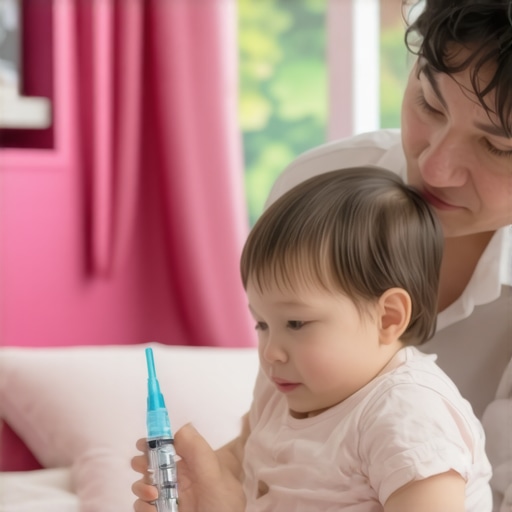
Simulate the injection experience through role-playing. Use a toy syringe and let your child play the doctor or nurse. This familiarizes them with the process and diminishes anxiety. During my practice run, I acted as the nurse, and my daughter played the patient. When it was time for her actual vaccine, she was more relaxed and even giggled before the shot.
Offer Distraction Techniques During the Shot
Distraction diverts your child’s attention away from the pain or discomfort. Use noise-canceling headphones, engage them in a favorite song, or show a video on your phone. I once used a cartoon video to distract my daughter, which significantly reduced her crying. Additionally, deep breathing exercises can calm anxious children—teach them to take slow, deep breaths like blowing up a balloon.
Leverage Telehealth for Guidance and Support
Consulting a healthcare provider via telehealth can give you tailored advice on vaccination prep. Virtual consultations allow you to ask questions, learn calming techniques, and even demonstrate preparation methods. This approach is like having a personal coach right in your living room. Check out [Vigorous Telehealth Insights](https://vitalclinicmd.com/telehealth-insights-the-future-of-accessible-healthcare-services) to understand how virtual care can assist during these moments. I found that a brief online chat with a nurse before the appointment boosted my confidence and helped me customize my strategy.
Prepare for Possible Side Effects and Comfort Measures
Post-vaccination discomfort is common, so prepare your child with comfort items and explain that any soreness or mild fever is normal and temporary. Administer age-appropriate pain relief if recommended, and monitor for adverse reactions. Having a plan in place, such as a cozy space and favorite snacks, can turn a challenging experience into a manageable one.
** **
**
Image illustrating a parent role-playing with a child using a toy syringe, creating familiarity with the vaccination process.
In the rapidly evolving landscape of healthcare, there’s a common misconception that more testing, more virtual visits, and more vaccinations automatically equate to better health. However, as an expert in preventive medicine, I’ve seen how these assumptions can be misleading. Many individuals believe that simply increasing lab tests or jumping onto telehealth platforms guarantees optimal wellness, but the nuances reveal a different story. For instance, over-reliance on routine panels without understanding their context can lead to unnecessary anxiety or misdiagnosis. Understanding the significance of specific markers—like high-sensitivity C-reactive protein for inflammation—can help tailor personalized wellness strategies. Moreover, the myth that all vaccines are one-size-fits-all ignores the benefits of customized vaccination schedules, which can optimize protection without overburdening the immune system. One common trap is assuming that vaccination or testing alone can prevent illness without addressing lifestyle factors such as nutrition, sleep, and stress management. These elements are often overlooked yet are crucial for true health. The real challenge lies in navigating the abundance of information and distinguishing evidence-based practices from general advice. Did you know that unnecessary lab tests can sometimes lead to false positives, prompting costly and invasive follow-ups? A 2018 study published in *JAMA Internal Medicine* emphasizes that many unnecessary tests do not improve health outcomes and may cause harm through overdiagnosis. A question I often encounter from more advanced readers is: How can I leverage telehealth and lab tests to truly customize my wellness plan without falling into the trap of overtesting? The key is targeted, evidence-based testing combined with expert guidance, such as reviewing your lab results in context. Remember, wellness is a holistic journey, not just a checklist of tests or vaccines. Incorporate lifestyle modifications, monitor specific health markers, and engage in personalized care. Be cautious of the misconception that more is always better; instead, focus on quality, relevance, and tailored interventions. Have you ever fallen into this trap? Let me know in the comments.
Maintaining a consistent wellness routine requires the right tools and strategies that fit seamlessly into your daily life. From digital apps to specialized testing equipment, having reliable resources ensures long-term success. One of my go-to tools is the MyFitnessPal app, which I use not just for calorie counting but also for tracking macronutrients and hydration levels. Its integration with wearable devices makes monitoring my progress straightforward and motivating. Another crucial component is regular lab testing. I schedule comprehensive panels every 3 to 6 months, focusing on markers like lipid profiles and inflammation indicators, to catch potential issues early and adjust my lifestyle accordingly. These tests, when paired with personalized vaccination schedules and testing strategies, form an essential backbone of my wellness foundation.
How do I maintain my health over time without getting overwhelmed?
In addition to apps and lab tests, I rely heavily on telehealth platforms for ongoing support and quick consultations. Virtual visits enable me to address concerns promptly, whether I’m dealing with minor symptoms or adjusting supplements. This aligns with the trend of telehealth innovations shaping wellness today, making healthcare more accessible and personalized. I also utilize home testing kits for specific markers like vitamin D, which can be mailed back for analysis — empowering me to stay proactive without frequent clinic visits. Moreover, I keep a detailed journal of symptoms, sleep, and mood, which helps in analyzing long-term patterns and refining my routine.
The future of wellness tools looks promising, with advancements like AI-driven health coaching and wearable biosensors becoming more mainstream. These innovations promise even more personalized insights, moving us closer to truly tailored health strategies. For example, emerging research suggests that continuous glucose monitoring devices are now being adapted for non-diabetics to optimize energy levels and metabolic health—an area I plan to explore further.
To keep your wellness in check, I recommend incorporating at least one advanced tool into your routine—consider trying a home lab testing kit or a telehealth subscription. These tools don’t just help maintain your health; they empower you to understand your body more deeply and make informed decisions. Interested in streamlining your health maintenance? Dive into the lab testing strategies I swear by and start taking charge today.
Throughout my journey with my child’s immunizations, I’ve learned that the hardest lessons often come from experience rather than advice. One crucial insight was realizing that speed isn’t always best; a calm, informed approach yields better results and less distress for everyone. Understanding the nuances of your child’s reactions and tailoring your strategy accordingly makes a significant difference. Also, I’ve discovered that leveraging resources like telehealth not only provides expert guidance but also creates a sense of companionship in these challenging moments. Lastly, patience combined with preparation turns what once felt overwhelming into a manageable, even empowering experience, transforming fears into confidence for future vaccinations.
— Showcasing the core of personal growth and practical mastery, this perspective hopes to inspire caregivers to approach vaccination experiences with compassion and strategic planning. It’s about turning a typically stressful event into an opportunity to build trust and resilience in your young ones. For more insights, visit this guide on combining vaccinations with supportive strategies.