
How to Stop a Panic Attack: Techniques You Can Learn via Video Therapy
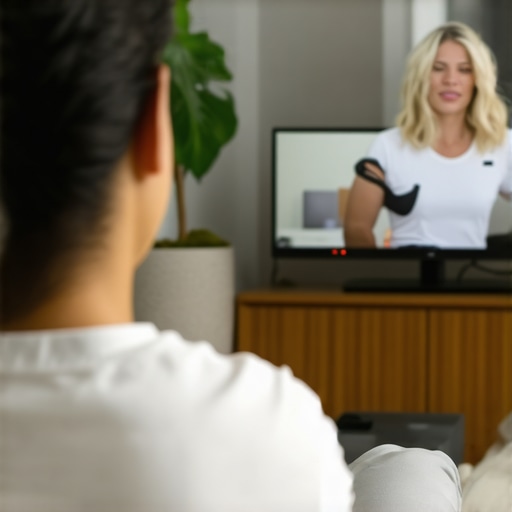
I remember the first time I felt that overwhelming wave of panic hit me out of nowhere—heart pounding, palms sweating, a rush of fear I couldn’t shake. It was like being caught in a storm with no shelter in sight. For a long time, I believed these episodes were unmanageable, a sign that I was losing control. But one lightbulb moment changed everything: I discovered that relief was just a few simple techniques away, especially through the comfort of video therapy sessions. Have you ever experienced that sinking feeling of helplessness during a panic attack? You’re not alone, and more importantly, there are concrete strategies to regain your calmness.
Why Managing Panic Attacks Is More Important Than Ever
In today’s fast-paced world, stress and anxiety have become all too common. The pandemic, social pressures, and daily uncertainties often leave us feeling overwhelmed. According to the Anxiety and Depression Association of America, nearly 19 million adults in the U.S. experience some form of panic disorder each year. The good news? With the right tools—many of which you can learn through video therapy—you can tame these episodes and reclaim your peace of mind. I made a critical mistake early on by assuming that I just had to endure the panic, which only made it worse. Now, I realize that early intervention and targeted techniques are vital for breaking the cycle. If you’ve faced similar struggles, I want you to know that effective help is accessible, even from home. We’ll explore proven methods that can make a real difference, starting with understanding what triggers these attacks and how to address them effectively.
Set Up Your Safe Space Immediately
When a panic attack strikes, physically moving to a quiet, comfortable area helps ground you. Think of it like finding a calm harbor before a storm—removing yourself from chaos minimizes external triggers. For example, I once felt overwhelmed at my noisy office. I excused myself and sat in a nearby empty conference room, focusing on my breathing. This initial step created a physical barrier from stimulating surroundings and began calming my nervous system.
Practice Focused Breathing Techniques
Deep, diaphragmatic breathing acts like a reset button for your body’s stress response. Try inhaling slowly through your nose for four counts, holding for four, then exhaling through your mouth for six counts. Imagine blowing out a candle gently—this visual helps regulate your breath. Once, during a particularly intense episode, I placed my hand on my stomach to ensure my abdomen rose with each inhale, forcing a slow rhythm that reduced my heart rate noticeably.
Use Grounding Methods to Connect with Reality
Grounding techniques redirect your focus from internal panic to external sensations. The 5-4-3-2-1 method involves identifying five things you see, four you touch, three you hear, two you smell, and one you taste. For instance, I vividly looked for the texture of my pen and the pattern on my shirt, anchoring me in the present moment. Regular practice of this method can make fleeing panic less likely and more manageable over time.
Leverage Visual Aids for Rapid Relief
Having visual cues, such as a calming image or a coping mantra, can reduce anxiety. I once kept a small photo of a peaceful landscape on my desk; during a panic moment, glancing at it shifted my focus from fear to tranquility. Incorporating images that evoke serenity in your environment can serve as quick-access boosts to inner calm.
Employ Progressive Muscle Relaxation
This involves tensing and relaxing muscle groups sequentially to diminish overall tension. Imagine tightening your fists as if gripping a ball, then releasing slowly, feeling the tension melt away. I used this technique during a session with a virtual therapist, where I guided myself through my arms and shoulders. Over repeated practice, it developed into a reliable method for easing physiological symptoms of panic.
Create a Personal Anxiety Ritual
Establishing a consistent routine—like sipping herbal tea or softly listening to calming music—associates certain behaviors with reassurance. I began each day with a short mindfulness meditation, anchoring my mental state before stress could escalate. This ritual acts like a mental anchor, giving you a familiar tool to invoke calmness when needed.
Utilize Technology for Support
Virtual platforms provide immediate access to professional guidance. I once used a telehealth service to consult with a therapist within minutes of feeling overwhelmed. This instant access is comparable to calling a friend during a crisis—fast, reliable, and effective. Explore options like [virtual therapy sessions](https://vitalclinicmd.com/revolutionizing-wellness-how-telehealth-transforms-personal-care) to reinforce your coping strategies and receive personalized advice.
Track and Identify Your Triggers
Maintaining a journal of panic episodes reveals patterns that can be addressed proactively. Record when and where attacks happen, along with your environment and emotional state. I discovered that caffeine significantly increased my likelihood of panic. Recognizing this allowed me to cut back and reduce attack frequency, similar to how lab tests can reveal hidden health risks—see [lab tests for early detection](https://vitalclinicmd.com/how-lab-tests-can-detect-hidden-health-risks-early-in-your-wellness-pathway).
Many individuals assume that lab tests are infallible, vaccinations are one-size-fits-all, and telehealth is merely a convenience rather than a powerful tool. But these perceptions often overlook the nuanced realities, leading to missed opportunities for better health management. For instance, a common myth is that a single lab value tells the whole story—what you need is a comprehensive panel, like those discussed in lab tests for accurate vaccination planning, to truly understand your health status.
Another misconception revolves around vaccinations. Many believe that following the standard schedule is sufficient for everyone. However, personalized approaches, such as customized vaccination strategies, can significantly enhance immunity, especially in adults or those with underlying health conditions. Relying strictly on generic schedules can leave gaps, a trap that the industry has been working to address.
In terms of telehealth, some think of it as a ‘lesser’ option compared to in-person visits. But in fact, virtual care offers nuanced benefits like real-time monitoring, immediate access, and tailored interventions—details explored in how telehealth is transforming personal care. Yet, a common mistake is overlooking its limitations, such as the need for proper digital literacy and understanding when in-person consultation is unavoidable.
Are Lab Tests Always the Gold Standard for Wellness?
Many believe that lab results are perfect indicators, but the truth is, tests can have false negatives or positives, especially if not interpreted in context. For example, as explained in wellness check insights, a single abnormal marker should prompt further investigation rather than immediate alarm. It’s essential to combine lab insights with lifestyle assessments and clinical judgment.
Stay cautious and informed—what you might overlook can be critical. Avoid the trap of thinking that any health tool is foolproof or universally applicable. Instead, cultivate a nuanced understanding that integrates technology, personalized medicine, and expert guidance. Want to deepen your knowledge? Delve into resources like understanding the role of lab tests or the importance of targeted supplementation for comprehensive wellness.
Have you ever fallen into this trap? Let me know in the comments and share your experiences. Remember: a smarter approach to health involves questioning common myths and understanding the complexities behind the tools and strategies we rely on every day.
Keep Your Wellness Going: Essential Tools and Techniques
Maintaining optimal health requires more than just initial efforts; it’s about establishing reliable systems and leveraging the right tools to support ongoing wellness. One of my favorite resources is telehealth platforms which have revolutionized access to care, allowing me to consult with trusted professionals without stepping outside. The key benefit is immediate, personalized advice that adapts to my evolving health profile.
For vaccination tracking and customization, I rely on detailed lab panels available through comprehensive panel testing. These tests reveal hidden deficiencies or immune gaps that standard screenings often miss. Incorporating these insights helps me tailor my vaccination schedules and supplements more accurately, ensuring long-term protection.
To monitor ongoing wellness, I use digital apps that sync with my health data, providing real-time feedback on key markers like blood pressure and blood sugar. The trend in digital health tools is moving toward integrated ecosystems that combine data from wearables, lab tests, and teleconsultations—a future where continuous health insights are seamlessly available. According to industry insights, this integration is becoming standard in proactive health management.
Another critical aspect is regularly scheduling wellness check-ins. I set recurring virtual appointments to review my lab results and adjust my lifestyle accordingly. This proactive approach helps in catching potential issues early, reducing the risk of chronic conditions. For in-depth planning, I consult wellness check strategies that align with my goals.
To keep everything running smoothly, I also utilize secure online portals for storing immunization records and lab results—making information accessible whenever needed. This transparency facilitates smoother communication with health providers and ensures I stay on top of my health milestones.
If you want to reinforce your health management system, I highly recommend trying the advanced step of integrating all your data sources into one dashboard. This can be achieved via specialized health management apps, ensuring no detail slips through the cracks. For instance, a recent study highlights how AI-driven health dashboards improve adherence and outcomes by providing personalized insights see more here.
How do I maintain these tools over time?
Regular updates are vital. Keep your app software current, verify your lab panels annually, and schedule periodic telehealth reviews to discuss your progress. Incorporating these habits as part of your routine ensures the tools evolve with your changing needs, reducing the risk of obsolescence. Remember, the future of wellness is personalized and dynamic—embrace these tools now to stay ahead of potential health issues.
Unspoken truths I uncovered about health tools
One of the most profound lessons I learned was that relying solely on lab tests can sometimes lead us astray—false positives and negatives are more common than we like to admit, so understanding their limitations is crucial. I also realized that vaccinations aren’t one-size-fits-all; personalized schedules often provide better protection, challenging my initial assumptions. Moreover, embracing telehealth fully transformed my approach to wellness, yet I discovered it’s vital to recognize when in-person care is irreplaceable, avoiding complacency with virtual options. These insights reshaped my perspective, teaching me to question, verify, and personalize my health journey rather than accept conventional wisdom blindly.
My toolbox for smarter health decisions
For anyone serious about improving their wellness, I recommend exploring resources like understanding lab tests to decode what your numbers truly mean. The book Life in Balance offered me practical insights into customizing vaccinations, which I now see as essential for lifelong immunity. Also, keeping tabs on the latest in telehealth innovations allows me to stay ahead of changes in accessible healthcare. Finally, tools like health tracking apps integrated with my lab results empower me to make real-time adjustments, turning complex data into manageable steps toward optimal wellness.
Embrace Your health evolution today
Your journey toward smarter health choices starts now—using a strategic combination of lab insights, personalized vaccinations, and telehealth support. Each step you take builds resilience, making you less vulnerable to misconceptions and more empowered to defend your well-being. Remember, real progress comes from curiosity and action—don’t hold back from exploring these tools and trusting your own intuition. Your health deserves this proactive attention, and the future of wellness is truly in your hands.