
3 Small Changes to Your Diet That Drastically Improve Your Lipid Profile
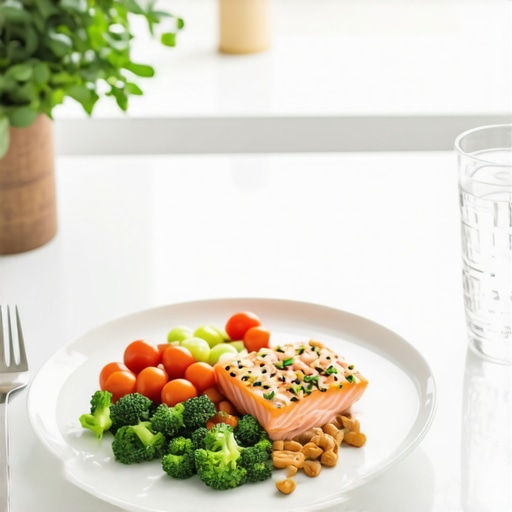
I remember the moment vividly—standing in my kitchen, staring at a plate of greasy fast food, feeling sluggish and overwhelmed by my recent lab results. It was a lightbulb moment that made me realize how much my diet was silently sabotaging my heart health. Like many, I had been ignoring the small signs—fatigue, occasional chest discomfort—that hinted something was off. That day, I decided enough was enough.
What I didn’t realize then was how surprisingly straightforward it could be to turn things around. Instead of overhauling my entire eating pattern overnight, I focused on three small yet powerful changes. The results? A boosted HDL, lowered LDL, and a significant improvement in my overall lipid profile—all without restrictive dieting or complicated meal plans. Trust me, if I can do it, so can you.
Why Small Dietary Tweaks Make a Big Difference
It’s easy to get overwhelmed when hearing about heart health and cholesterol; the amount of conflicting advice out there can be dizzying. But here’s the truth: tiny shifts in what you eat every day can drastically tip the scales in your favor. For example, replacing refined carbs with healthy fats isn’t just about losing weight—it directly influences your cholesterol and triglycerides.
Early on, I made the mistake of believing that only extreme diets or expensive supplements could improve my lipid numbers. The real breakthrough came when I realized that consistent, manageable changes—like adding more omega-3s or reducing saturated fats—had a profound impact. Interestingly, according to a recent study, simple dietary improvements can improve lipid profiles as effectively as some medications, but with no side effects. This approach feels empowering, not daunting.
Is it Really Worth the Hype to Make These Changes?
Many folks worry that these tweaks won’t be enough or that they require major sacrifice. I worried the same. But here’s the thing: the biggest mistake I made early on was underestimating how small adjustments matter. Cutting out a soda here, swapping out a snack there—these are the powerful steps that add up. Plus, they set a sustainable foundation for ongoing health. If you want to see exactly how simple changes can make a difference, I encourage you to check out this resource on lab tests in preventive wellness. It highlights how proactive steps can shape your health trajectory.
So, are you facing the same challenge of trying to improve your lipid profile without turning your life upside down? If so, keep reading—I’ll walk you through the specific small shifts that transformed my health and can do the same for you.
Imagine trying to lose weight without a plan—you’re bound to wander aimlessly. Similarly, improving your heart health requires concrete steps. I began by scheduling a comprehensive lab test, which provided a detailed map of my current lipid levels and other markers new to me. Use a trusted service like lab testing for preventive wellness to identify specific areas needing attention. Once you have your results, outline small, specific changes based on what the data shows.
My own experience kicked off with swapping out processed snacks for nuts and berries, which was messier at first but ultimately more rewarding. Focus on replacing one unhealthy snack or meal with a healthier alternative each week. For example, replace butter with avocado or olive oil. Remember, consistency outweighs perfection. Consider integrating foods rich in omega-3s such as salmon, walnuts, or flaxseeds—these have been shown to specifically boost HDL and lower triglycerides. Think of your diet like fueling your car; with the right quality fuel, the engine runs smoother and lasts longer.
One method I adopted was a regular testing schedule—every three to six months—to track my progress. This approach created accountability and allowed me to adjust. For example, my latest test revealed a slightly elevated LDL, prompting me to double down on my dietary fiber intake. You can request labs like a lipid profile or inflammatory markers through your doctor or directly via telehealth services like telehealth innovations in virtual care. Regular testing is like a financial audit—spotting issues early prevents costly surprises later.
My breakthrough came with daily routines—adding a handful of walnuts to breakfast, swapping out soda for sparkling water with lemon, and tracking these changes using apps linked to online health portals. These small, manageable adjustments accumulated into significant improvements. Implement tracking tools and set reminders; this not only helps maintain momentum but also clearly shows what’s working or needs adjustment. Think of it like calibrating a machine: tiny corrections over time optimize performance.
Leveraging tech solutions made my journey easier. Telemedicine platforms allowed me to consult with specialists without long waits or travel, saving time and reducing stress. Apps connected to my lab results and meal logs, giving instant feedback. For example, I used a digital blood pressure cuff linked to my phone to monitor my stats daily—like having a personal coach in my pocket. These tools turn large health goals into achievable, bite-sized actions, making improvements sustainable instead of overwhelming.
Finally, I found camaraderie and motivation through online communities and virtual groups. Sharing my progress made me accountable, and hearing others’ success stories inspired me to stick with my plan even when results plateaued. Find a friend or an online group that shares your health targets. Together, you can celebrate small wins and troubleshoot setbacks. Remember, progress is a marathon—sustained effort beats quick fixes every time.
What Most People Get Wrong About Modern Wellness Practices
In the age of rapid technological advancements, many assume that embracing the latest health trends guarantees optimal wellbeing. However, there’s a common misconception that needs clarifying: that all vaccinations, telehealth services, and lab tests are foolproof or universally suitable without considering individual nuances. Contrary to popular belief, understanding the nuances of these tools is essential to truly benefit from them.
One prevalent myth is that more vaccinations always mean better protection. While widespread immunizations have significantly reduced disease burdens, this misconception can lead to unnecessary overvaccination or neglecting personalized schedules. Experts highlight that individual factors like age, health status, and exposure risks must inform vaccination plans.
Similarly, many believe that telehealth is an absolute substitute for in-person visits. While virtual care offers unmatched convenience, it has limitations that can trip up the unwary. For instance, virtual assessments might miss subtle physical cues, leading to missed or delayed diagnoses. An insight into telehealth’s evolving role suggests integrating it with traditional methods for a balanced approach.
Are Lab Tests Always the Roadmap to Wellness?
Many assume that comprehensive lab testing alone can unlock perfect health. However, misinterpretation of results or over-reliance on tests without context can be misleading. For example, elevated markers might not always signify disease but could reflect temporary states like dehydration or stress. It’s crucial to interpret lab data within a broader clinical picture. To learn more, see this guide on lab tests in wellness.
By recognizing these subtleties, individuals can avoid common pitfalls and make smarter healthcare choices. Remember: the goal isn’t just to follow trends but to understand what truly works for you. Have you ever fallen into this trap? Let me know in the comments.
Beware of the Slippery Slope: The Trap of One-Size-Fits-All
One of the biggest pitfalls is trusting a generic approach for everyone. Vaccination schedules, wellness tests, and telehealth protocols often come from broad recommendations that don’t account for personal differences. For example, relying solely on standard immunization timelines without considering individual health history could leave gaps in protection. Personalized strategies, like those outlined in personalized vaccination plans, ensure better outcomes.
Furthermore, over-testing or unnecessary procedures can lead to overdiagnosis, anxiety, and cost without real benefit. Prioritizing tailored assessments and informed decisions reduces these risks. Effective wellness integrates data with your unique context—your genetics, lifestyle, and environment.
To avoid these common mistakes, consider consulting professionals who can interpret your data in light of your overall health. Remember, shots in the dark rarely hit the target. For more insight into optimal testing strategies, visit this resource on regular lab testing.
In conclusion, a nuanced understanding of the tools we use—vaccinations, telehealth, and lab tests—empowers you to make smarter health decisions. Don’t fall prey to misconceptions or one-size-fits-all approaches; instead, seek personalized, evidence-based strategies that match your unique profile. Keep questioning, stay informed, and share your thoughts below. Your journey to smarter wellness starts with awareness!
Maintaining Wellness Over Time with Trusted Tools
Building a resilient health routine hinges on integrating reliable, precise tools that keep your preventive measures on track. For example, I rely heavily on a digital blood pressure cuff that syncs with my smartphone, enabling me to monitor my readings daily without the hassle of frequent clinic visits. This real-time data empowers me to identify trends early and adjust lifestyle choices proactively. Using apps that aggregate my lab results from preventive wellness tests allows me to keep a comprehensive view of my health metrics, facilitating informed decisions.
How do I maintain my health tools for long-term success?
Consistency is key. I set up regular reminders, like bi-weekly check-ins through my telehealth platform, which I access via a secure app. Platforms like telehealth innovations make it easy to consult specialists or get quick assessments when I notice irregularities. Additionally, I keep my lab testing schedule consistent—every six months—to track biomarkers like inflammatory markers or vitamin D levels, as recommended in regular lab tests in wellness. These measures form the backbone of my ongoing health maintenance.
Forecasting Future Trends in Preventive Tools
As technology advances, I anticipate a surge in AI-powered wearables that can analyze your health data continuously, predict potential issues, and offer personalized advice. Imagine a smartwatch that not only tracks your heart rate but also interfaces seamlessly with diagnostic platforms to alert you to early signs of concern, prompting timely interventions. This convergence of devices and data will redefine how we maintain wellness—making prevention as effortless as wearing a device. Staying ahead means embracing these innovations now, integrating them into your routine, and leveraging their full potential.
The Secret to Longevity: How Do I Keep My Preventive Measures Effective?
It all comes down to deliberate consistency and adaptation. Regularly calibrating your tools, reviewing your data, and consulting with health professionals—preferably through trusted wellness checks—are vital steps. For instance, updating your vaccination schedule according to recent guidelines, or adjusting your lab testing frequency based on changing health status, ensures your preventive strategy evolves with you. Don’t hesitate to experiment with new devices or techniques—what works now may need tweaking later, especially as standards and technologies improve. My recommendation: try integrating a comprehensive health app that consolidates your data, provides actionable insights, and syncs with telehealth services; this approach minimizes gaps and maximizes your preventive reach.
What I Wish I Knew Before Rethinking My Wellness Strategy
- One of the hardest lessons was realizing that more testing isn’t always better. Learning to interpret lab results within the context of my unique lifestyle helped me avoid unnecessary anxiety and focused my efforts effectively.
- Trusting technology, like telehealth and digital monitoring devices, amplified my health insights. I discovered that these tools, when used wisely, can empower you to catch subtle changes before they become serious issues.
- Personalized approaches to vaccinations and lab tests made a real difference. Instead of following generic schedules, tailoring these to my health history maximized benefits and minimized unnecessary interventions.
- Consistency beats perfection in wellness routines. Small daily actions—regular check-ins, dietary tweaks, and timely testing—created a compounding effect on my heart health and energy levels.
- Building a support network, both online and through healthcare professionals, turned an isolated journey into a shared experience. This community encouragement kept me motivated through setbacks and plateaus.
My Go-To Resources for Smarter Wellness Decisions
For staying informed and making personalized health choices, I rely on several trusted sources. Firstly, the comprehensive guides on lab tests in preventive wellness have been invaluable in understanding my markers and acting accordingly. I also trust platforms that provide clear insights into vaccination myths and facts, helping me make informed immunization decisions. Additionally, telehealth services have been a game-changer, offering quick access to specialists without the hassle of clinics. Lastly, I keep up with reputable health blogs and forums that emphasize personalized and evidence-based practices, ensuring I stay aligned with emerging trends and expert advice.
Your Next Step Toward a Smarter Wellness Path
Remember, embarking on a health journey rooted in tailored testing, smart technology, and small consistent actions can profoundly impact your well-being. It’s about making educated choices that fit your life, not following one-size-fits-all advice. The future of wellness is personal, connected, and proactive, so trust yourself to explore and adapt as you learn more. Your smarter wellness journey begins today—what’s one change you’re ready to try? Share your thoughts below and let’s support each other in making better health decisions every day.
,