
The Real Reason Your Kids Need a Flu Shot Every Single Year
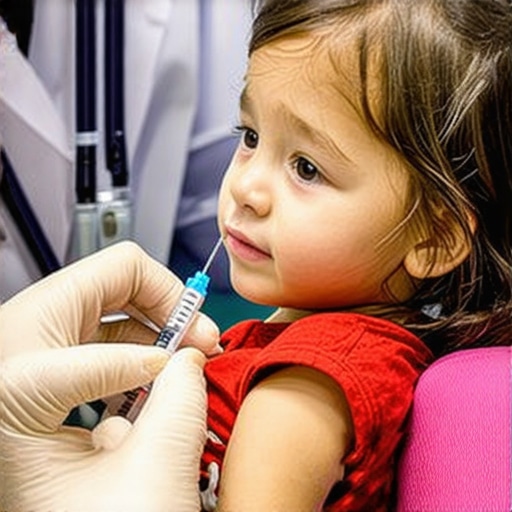
It was a typical fall afternoon when I realized I’d dropped the ball—again. My kid was sniffling, exhausted, and I was frantically searching for my backup plan after another cold had sneaked in despite last year’s vaccination. That moment, amid the chaos of runny noses and missed work, hit me like a ton of bricks: I didn’t fully grasp the *real* reason yearly flu shots are so crucial for my children. It’s not just about warding off a pesky illness; it’s about protecting their long-term health in ways I never truly appreciated.
Why the Annual Flu Shot Is More Than Just a Cold Preventer
Understanding why your kids need a flu shot every year might seem like an overkill. After all, they’ve survived multiple seasons without it, right? But here’s the thing—your child’s immune system is still maturing, and each flu season brings a new strain. A single vaccination isn’t enough to build the resilience they need. It’s akin to recharging your phone: the battery’s capacity diminishes with time, and regular top-ups keep it running smoothly. In the same way, annual vaccines help sustain their defenses.
The importance of regular vaccination is underscored by health experts. The CDC reports that flu vaccination reduces the risk of flu illness by between 40% and 60% among the overall population. That might not seem like a huge number until your child’s health is on the line. And, interestingly, the protection from a flu shot doesn’t just prevent the flu—it also lessens the severity if your child does catch it. A simple step, but one that can make the difference between a quick recovery and a week of misery.
If you’re wondering whether the effort is really worth it, I get it. I, too, once believed a flu shot was just a seasonal inconvenience, a necessary evil. But early on, I made a mistake that many parents make: I assumed that if my child got sick despite the vaccine, it meant the shot was pointless. Turns out, that’s a misunderstanding. Vaccinations are about building a layered defense—much like wearing a seatbelt and having airbags. They work best together. For more on how vaccines complement other health strategies, this resource offers valuable insights.
So, do you find yourself questioning whether yearly flu shots are really essential? Or have you faced that familiar dilemma of weighing inconvenience against safety? You’re not alone. Many parents grapple with this decision, often without knowing the *full* picture. But understanding the science and strategy behind annual immunizations can empower you to make a more informed choice for your child’s health.
Now that we’ve addressed the ‘why,’ let’s move on to the practical steps. How can you ensure your child stays protected each flu season? Let’s dive into the actionable strategies that will make this easier than you think.
Schedule Your Child’s Vaccination Properly
Start by booking an appointment through telehealth platforms like VitalLink, which offers virtual consultations to assess your child’s health and advise on the optimal timing for the flu shot. Think of it as setting a reservation at a restaurant; you want to secure your spot before the season peaks. During your consultation, discuss your child’s medical history to determine if any special considerations apply, ensuring the vaccination plan suits their needs.
Gather Essential Medical Information
Access your child’s vaccination history easily via digital records, much like retrieving a playlist from the cloud. This helps avoid unnecessary repeats and coordinates care. In addition, consider reviewing the importance of regular lab tests, such as comprehensive panels, which can uncover hidden health risks that might influence vaccination timing or necessity. Check out more about the critical role of lab assessments at Regular Lab Tests.
Ensure Your Child Is Ready for the Shot
Prior to vaccination day, confirm your child is in good health—similar to fueling a car before a long trip. Watch for signs of illness or fever, which might warrant postponing the shot. If your child is anxious, explain the process to ease their nerves; think of it as preparing them for a quick, harmless scooter ride rather than a daunting roller coaster. For tips on managing fear, explore strategies discussed at Vaccination Planning Resources.
Visit a Trusted Provider or Use Telehealth Services
Choose a healthcare setting that aligns with your comfort and convenience. Many parents opt for telehealth consultations to discuss concerns and get pre-vaccination instructions, akin to having a chat with your car mechanic before the tune-up. For instance, a virtual visit can help determine if your child’s immune system is primed for vaccination or if additional preparations are needed. Learn more about telehealth innovations at Telehealth and Wellness.
Administer the Vaccine and Monitor
On vaccination day, whether at a clinic or via home visit, ensure that the procedure is performed by qualified healthcare professionals. Afterward, observe your child for any immediate reactions, similar to watching the lights on a dashboard after a car service. Keep track of any post-vaccination symptoms, and don’t hesitate to seek prompt advice through telehealth if concerns arise. Remember, timely follow-up can be as critical as the shot itself in maintaining optimal health.
Many people assume that virtual healthcare, lab testing, and vaccinations are straightforward solutions with universally understood benefits. However, beneath the surface lie nuanced realities that can make or break your health management strategies. Let’s dig deeper into what most overlook, including common myths, advanced pitfalls, and why understanding these details can empower your wellness journey.
Why Believing More Tech Means Better Care Can Backfire
There’s a prevalent misconception that simply adopting the latest telehealth apps or online health platforms guarantees superior care. In truth, many overlook the importance of calibration and integration with traditional medical records. For instance, some platforms lack seamless communication with your primary providers, leading to fragmented care. This disconnect can delay diagnoses or cause redundant testing. Understanding lab tests in the context of digital health clarifies that technology needs to be part of a well-coordinated system to work effectively, not just a standalone tool.
Another trap involves assuming that all lab tests are created equal. Many presume that ordering a standard panel gives comprehensive insight into health. In reality, many essential markers—like those revealing early inflammation or hidden deficiencies—are often omitted unless specifically requested. Missing these nuances can lead to overlooked issues, such as subclinical inflammation, which silently accelerates disease progression. To avoid this, consider a tailored approach to lab testing, informed by expert advice. For example, regular lab assessments can uncover risks before symptoms appear.
While vaccinations are essential, some believe that a one-size-fits-all schedule is sufficient. However, the nuances of personalized vaccination schedules often get ignored. Factors like genetic predispositions, lifestyle, and existing health conditions influence how and when vaccines should be administered. For example, recent research emphasizes the need to adapt immunization plans to individual immune profiles for optimal effectiveness, which combining lab tests and vaccinations can facilitate.
Advanced mistake: Overreliance on telehealth without recognizing its limitations. Virtual visits are excellent for triage and follow-up but can miss subtle physical cues essential for accurate diagnosis. A study in the Journal of Telemedicine and Telecare highlights that integrating telehealth with in-person assessments leads to better outcomes. This hybrid approach ensures no nuance gets lost in translation. Learn more about telehealth innovations in providing comprehensive care.
Finally, a common misconception is that health management tools are only effective if used obsessively. Instead, strategic, informed use of tests, vaccinations, and virtual consultations—guided by professional insight—delivers true benefits. Think of it as precision medicine in your pocket, not just random self-diagnosis.
In summation, the real expertise lies in understanding the subtleties—how to integrate technology thoughtfully, identify hidden risks through advanced testing, and personalize vaccinations. These nuances can drastically improve your health trajectory. Have you ever fallen into this trap? Let me know in the comments.
Maintaining an effective health management system over time requires deliberate strategies and reliable tools. Personally, I rely on a combination of advanced lab testing platforms and secure telehealth services to stay proactive about wellness. For ongoing lab assessments, regular lab tests are non-negotiable. They help me detect hidden risks early, long before symptoms emerge, allowing for timely interventions and adjustments in my health plan. Using these tools consistently creates a feedback loop that informs smarter decisions and sustains long-term results.
When it comes to telehealth, I prefer services like virtual care platforms that integrate seamlessly with my electronic health records (EHR). This integration ensures continuity, accurate data sharing, and reduces redundant testing. The ability to consult with healthcare professionals from home not only saves time but also encourages frequent check-ins, which are crucial for chronic condition management and wellness maintenance. An emerging innovation I’m excited about is AI-driven symptom monitoring apps, which personalize alerts based on my health data, providing early warnings for potential issues—anticipating the future of proactive wellness tech.
How do I keep my wellness tools sharp over time?
It’s vital to schedule regular reviews of your health data and tools. For instance, every quarter, I revisit my lab results and update my vaccination schedules if new recommendations arise. This habit ensures my health strategies stay aligned with evolving scientific insights, like personalized vaccination schedules detailed at personalized vaccination plans. Additionally, investing in a trustworthy digital health platform that supports data encryption and privacy, such as privacy-conscious platforms, gives me peace of mind when sharing sensitive information.
Long-term success also depends on understanding and leveraging predictive analytics. According to a study by the clinical research, integrating lab data with lifestyle metrics enables more accurate health forecasts. Embracing this approach means you’re not just reacting to health issues but actively preventing them with early data trends.
Where can technology go from here?
As AI and machine learning algorithms become more sophisticated, future tools could automatically prescribe personalized wellness adjustments based on ongoing data streams. Imagine real-time dashboards that alert you to subtle biomarkers indicating emerging issues—making health maintenance more intuitive, automated, and effective. To stay ahead, I recommend trying to incorporate one advanced tracking method, like periodic comprehensive panels, combined with a quality telehealth service, to optimize your health over the years.
Start today by booking a virtual consultation and requesting a tailored lab assessment, ensuring your health system keeps functioning smoothly for the long haul. Remember, proactive maintenance today leads to long-term wellness tomorrow.
,
What I Wish I Knew Before Relying Solely on Technology for My Health
One of my biggest surprises was realizing that not all digital health tools work seamlessly together. I once trusted a popular telehealth app blindly, only to find it didn’t sync with my lab vendors, leading to gaps in my health data—something I gracefully avoided by selecting integrated platforms like VitalLink.Another lesson was understanding that lab tests aren’t one-size-fits-all; when I overlooked specific markers like inflammation proteins, I missed early signs of health decline. Learning to request tailored lab assessments through trusted providers helped me catch issues before symptoms appeared—something detailed at this resource. I also realized that vaccination schedules need to be personalized based on my genetic profile and lifestyle, moving beyond the generic timelines I once followed. To optimize this, I now consult specialists who incorporate lab data with immunization plans, as outlined at this guide. Finally, I discovered that relying solely on virtual care without occasional in-person check-ins could lead to missed subtle cues that only physical assessments catch. Combining both approaches has been a game-changer in maintaining my wellness.