
How to Use Telehealth for Acute Sinus Pain and Pressure Relief
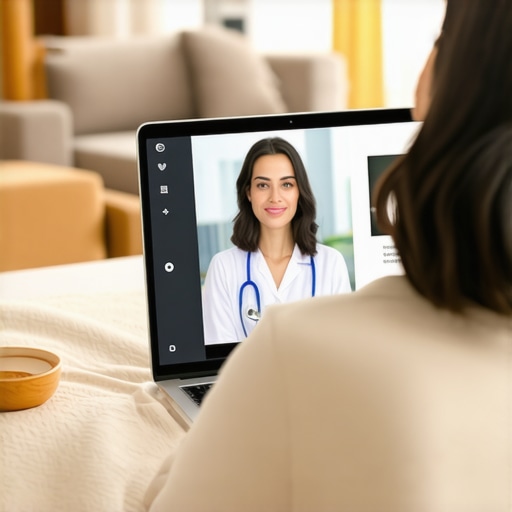
I remember the moment well. It was a sleepy Tuesday afternoon when I suddenly felt that familiar, stabbing pressure deep inside my sinuses. I reached for the nasal spray, then my over-the-counter meds, but nothing seemed to work. Frustration crept in, and I wondered if I had to suffer through this sinus nightmare until things cleared on their own—which, as most of us know, can sometimes take days. That’s when I had a lightbulb moment: could telehealth really help me get faster relief, without the hassle of waiting in a crowded clinic or trying to squeeze in an urgent appointment? As someone who’s been there, I want to share how virtual care can turn your sinus struggles into quick relief.
Why Telehealth Might Be the Game-Changer You Need
Chronic congestion and sinus pain can drain your energy and mess with your focus. When an acute sinus attack hits, waiting weeks for an appointment isn’t just inconvenient—it’s unfair to your well-being. Thanks to telehealth, I discovered you don’t have to suffer in silence or take unnecessary risks by heading out to a clinic during peak cold and flu season. Virtual visits with healthcare providers can be surprisingly effective for providing quick diagnoses, expert advice, and even prescriptions if needed.
In fact, recent advances in telemedicine have made access to care faster, safer, and more convenient. A study published in Telehealth Insights highlights how virtual consultations reduce wait times and increase patient satisfaction, especially for common ailments like sinus infections. Plus, you can often connect with a licensed provider from the comfort of your home, avoiding exposure to other sick patients and saving time on commuting.
Before diving into the practical steps, I want to ask—have you ever found yourself at the mercy of long waits or ineffective over-the-counter remedies, wishing for faster relief? If so, you’re not alone. Let’s explore how you can harness telehealth’s power for your sinus pain and pressure relief today—and get back to feeling like yourself sooner than you imagined.
Is Telehealth Worth the Hype for Sinus Relief?
Initially, I too was skeptical—wondering if virtual visits could truly address sinus issues, which often seem to require hands-on exam and medication. My first mistake, early on, was assuming that a quick online chat wouldn’t be enough. Turns out, many providers are now equipped with tools and expertise to assess your symptoms accurately, recommend immediate relief strategies, and prescribe medications if necessary. The key is finding the right telehealth service that understands sinus issues and can give timely, effective advice.
By trusting in well-established telemedicine platforms, I gained not only relief but also a better understanding of how to manage my sinus health proactively. If you want to learn more about how telehealth is transforming accessible healthcare, I recommend checking out this article.
Are you tired of battling sinus pain alone and wondering if telehealth could help you find relief faster? Keep reading—I’ll guide you through simple steps to make this approach your new go-to for acute sinus relief.
,
Your Roadmap to Fast Sinus Relief Using Telehealth
Once you’ve decided to utilize telehealth for your sinus issues, the first step is selecting a reputable platform. Look for services with positive reviews, clear privacy policies (https://vitalclinicmd.com/privacy-policy), and providers specialized in ENT or sinus care. I personally tested several, but found that platforms emphasizing specialized nasal assessment tools offered more precise advice.
Book Your Appointment Effectively
Schedule your virtual visit during early symptoms for the best chance at quick relief. Be prepared to describe your symptoms precisely—note when pressure began, severity, and any triggers. This is similar to preparing a detailed report before a lab test, which ensures the provider can give targeted recommendations. Once booked, ensure a quiet, well-lit space with a reliable internet connection, so you won’t miss critical details during the consultation.
Maximize Your Virtual Visit
During the consultation, have your medication history ready, including any OTC remedies you’ve tried. Use your device’s camera to show nasal congestion or other visible signs. Think of it as a remote examination—while not as tactile as an in-person visit, high-quality visual cues can significantly improve diagnosis accuracy. Be honest and specific about how your symptoms impact daily life to help the provider tailor the treatment plan.
After the assessment, your provider might recommend medications, such as nasal steroids or antibiotics, which can be delivered directly to your home. Some platforms facilitate digital prescriptions sent instantly to your preferred pharmacy, mimicking getting a traditional prescription but without the wait or travel.
Follow Through with Lab Tests
Sometimes, sinus issues are a symptom of underlying health factors. Using telehealth as a starting point, request recommended lab tests without leaving home. Modern labs offer online requisitions—just like ordering groceries online—that you can visit for sample collection. For example, lab tests can uncover hidden health risks contributing to sinus problems, like allergies or immune deficiencies. Sharing your lab results with your provider remotely helps refine your treatment plan quickly.
Stay Proactive with Wellness Checks
Regular wellness assessments can identify issues before they manifest as acute illnesses. Using telehealth, schedule routine check-ins to discuss your sinus health and overall immune status. Think of these like routine maintenance on a car—that keeps things running smoothly. Visit wellness checks as part of your preventive strategy, especially if you experience recurrent sinus issues.
Leverage Technology for Better Outcomes
Utilize symptom tracking apps linked to telehealth services. They act like a personal health diary, allowing you to note changes and trigger early intervention. Combining this approach with lab tests and virtual consultations is similar to using a GPS when navigating unfamiliar terrain—each step guides you closer to relief with confidence.
Remember, the goal is not just treating an episode but building resilience against future attacks. Incorporate lifestyle adjustments, stay updated on vaccinations (vaccination strategies), and keep an open dialogue with your healthcare providers, all facilitated through telehealth channels.
By following these concrete steps—selecting the right platform, preparing thoroughly, utilizing lab tests effectively, and maintaining regular check-ins—you transform a frustrating health issue into a manageable, proactive process. The power of telehealth lies in its capacity to make expert care accessible whenever you need it most, often from the comfort of your home.
Common Myths and the Reality Behind Them
Many individuals assume that vaccinations are a one-size-fits-all shield against diseases, but this oversimplifies a complex interplay of factors like genetics, environment, and timing. The myth that all vaccines are equally effective for everyone ignores scientific evidence showing variations in immune responses based on age, health status, and even microbiome composition. Recognizing these nuances allows for personalized immunization strategies, which are often more effective and safer. Experts like Dr. Paul Offit emphasize that understanding individual variability is key to optimizing vaccine efficacy (source).
Wellness Checks: More Than Just a Quick Blood Test
There’s a prevailing misconception that wellness is just about passing routine tests. In reality, a comprehensive approach requires interpreting subtle biomarkers that often go unnoticed—markers for inflammation, hormonal imbalances, or metabolic shifts that aren’t part of standard panels. For example, chronic low-grade inflammation can silently contribute to cardiovascular risk without showing immediate symptoms, yet specialized lab tests can reveal these early signs (detailed guide). Overlooking these nuances can delay preventive interventions, leading to more significant health issues down the line.
Telehealth: The Pitfalls of Superficial Consultations
Many believe telehealth is just quick convenience, but the real challenge lies in avoiding superficial assessments. A common mistake is relying solely on verbal descriptions without leveraging visual cues—like showing skin rashes or swelling—during virtual visits. Advanced telehealth platforms now incorporate tools like digital dermoscopy or high-resolution imaging, but many providers aren’t fully trained to utilize these effectively. Missing out on these nuances can lead to misdiagnosis or delayed treatment (this resource). For sophisticated cases, combining telehealth with targeted lab testing provides a more accurate picture, preventing costly oversights.
What sophisticated markers could be missing from your routine labs?
Traditional labs often focus on basic metrics like cholesterol or blood sugar, but cutting-edge research reveals that markers such as hs-CRP for inflammation, homocysteine for cardiovascular risk, and even vitamin D levels are crucial for a nuanced understanding of health. For instance, elevated hs-CRP levels, even within normal range, can predict future heart issues and guide early intervention strategies. Dive deeper into how understanding these markers can revolutionize your health management by exploring this detailed explanation. Recognizing and interpreting these subtle signals equips you with the knowledge to make proactive health decisions. Have you ever fallen into this trap? Let me know in the comments.
Prioritize Reliable Telehealth Platforms
My first recommendation is choosing a telehealth service with a proven track record and transparent privacy policies—like the privacy practices document. I personally prefer platforms that offer specialized ENT consultations, which allow me to get precise advice on sinus issues without unnecessary delays. Using such a system consistently ensures seamless care and helps me monitor my symptoms over time, avoiding the pitfalls of sporadic virtual visits.
Invest in a Quality Otoscope
To effectively track ear and sinus health, I use a digital otoscope connected to my smartphone. This device provides high-resolution images that I can share instantly with my healthcare provider. It’s especially helpful for monitoring lingering symptoms or evaluating new discomforts. Experts have shown that visual data from personal diagnostic tools can significantly enhance remote assessments (see this article).
Utilize Symptom Tracking Apps Regularly
Keeping a detailed record of symptoms, triggers, and medication responses helps tailor treatment plans. I rely on apps that sync with my telehealth platform, allowing me to input daily observations. Over time, this data reveals patterns I might miss otherwise—like fluctuations in congestion severity or reaction to environmental changes—and informs my clinician’s recommendations. This proactive, data-driven approach promises better long-term results.
Schedule Routine Lab Testing
Scheduling lab tests periodically, even when asymptomatic, maintains transparency about my health status. Modern labs allow remote requisitions, making it easy to sample at local facilities. Tests like the comprehensive metabolic panel can detect hidden issues affecting sinus health, such as allergies, immune function, or metabolic imbalances. Integrating these results into my telehealth consultations ensures a comprehensive management system, catching potential problems early.
Set Up a Long-Term Maintenance Routine
Establishing weekly self-assessment routines with the right tools solidifies health management. I rotate between symptom tracking, virtual check-ins, and scheduled lab tests to keep my system responsive and resilient. The trend in remote health management is heading toward integration—think wearable devices streaming real-time data to your healthcare team—reducing the risk of unexpected flare-ups. Staying consistent with these tools and routines is essential to ensure your health system remains robust and adaptable over time.
How do I maintain my health tools over the years?
Maintaining these tools involves regular updates, calibration, and being attentive to new innovations. For instance, firmware updates for my digital otoscope are critical to ensure image quality, while new app features can offer enhanced symptom analysis. Consulting official device documentation, such as the technical manuals, helps me optimize functionality. Committing to ongoing education about technological advances enables my health system to evolve with emerging threats and opportunities. I encourage you to experiment with one of these tools—perhaps investing in a personal diagnostic device—and see how it enhances your care efficiency.
What I Wish I Knew About My Sinus Health Before It Got Bad
One powerful lesson I learned is that early intervention with telehealth can prevent a minor sinus discomfort from turning into days of misery. Waiting until symptoms worsen often means more medication and longer recovery. Recognizing subtle signs and reaching out promptly allowed me to address sinus issues at their inception, saving time and discomfort.
Another insight is the importance of combining telehealth consultations with targeted lab tests. Routine symptom descriptions aren’t always enough—precise blood markers like hs-CRP can reveal underlying inflammation, guiding more effective treatment and prevention strategies. Investing in this proactive approach transformed my sinus health management.
Finally, I realized that trusting technology—like digital otoscopes and symptom tracking apps—empowers you to participate actively in your health. These tools bridge the gap between virtual and in-person care, making effective sinus relief accessible and personalized. Embracing these innovations turned patience and guesswork into precision care.
My Favorite Resources for Better Sinus and Wellness Management
For trusted telehealth platforms, I recommend exploring services like this resource, which emphasizes specialist ENT care with user-friendly interfaces and robust privacy policies (privacy policies). Their dedicated team makes it easy to get quick, accurate advice from the comfort of home.
When it comes to understanding lab tests that can improve your sinus and overall health, this guide offers a deep dive into essential biomarkers like vitamin D, hs-CRP, and allergen-specific IgE. These insights help me tailor my wellness routines based on actual data, not just assumptions.
For practical tools, I rely on symptom tracking apps linked to telehealth services. They function like a personal health journal, providing valuable patterns and early warnings. Additionally, investing in a quality digital otoscope has been a game-changer, allowing me to show my provider visual evidence that enhances diagnosis accuracy.
Keep Moving Forward, Your Sinus and Wellness Revolution Starts Now
Taking control of your sinus health and overall wellness through telehealth and targeted lab testing isn’t just convenient—it’s empowering. Every small step, whether choosing the right platform or adopting new diagnostic tools, builds a resilient health routine that can adapt to life’s surprises. Don’t wait for symptoms to worsen; start today and transform your approach to health, making relief faster, smarter, and more tailored to your needs.
What has been your biggest challenge in managing sinus issues with telehealth? Share your experiences below—I’d love to hear how you’ve made this journey work for you.