
Why You Should Check Your Iron Levels Before You Start a New Workout Plan
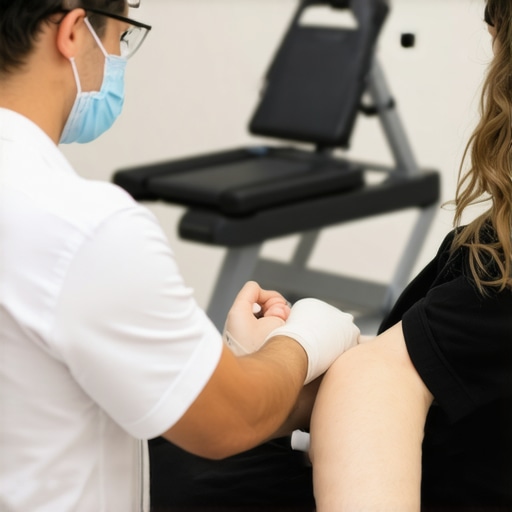
Picture this: You’re excited to kick off a new fitness routine. You set your alarm early, lay out your gear, and envision smashing those goals. But after a few weeks, progress stalls, energy dips mysteriously, and motivation wanes. Frustrating, isn’t it? That was me, until I had a simple revelation during a routine blood test: my iron levels were way off track. I realized I’d been ignoring a tiny, yet mighty factor that could sabotage my efforts—iron deficiency.
The Hidden Barrier Between You and Your Fitness Goals
Many of us dive into workouts thinking more physical effort is the answer to better health, unaware that an underlying deficiency might be holding us back. Iron is essential for carrying oxygen to our muscles and brain, fueling performance and recovery. If your iron levels are low, no matter how hard you push, you might not see the results you want. My experience taught me the importance of a simple, often overlooked step—checking your iron before starting a rigorous fitness plan. This proactive measure can save you time, frustration, and even prevent injuries caused by fatigue and weakness.
Ever Feel Like You’re Working Out in Mud?
That sluggish, drained feeling can be a hint your iron levels are too low. Without adequate iron, your body struggles to transport oxygen efficiently, turning even easy sessions into exhausting endeavors. Addressing this early on made a huge difference for me—and it can for you too. But I’ll admit, I was guilty of a common mistake I see many make: assuming that fatigue is just part of the process or that supplements are the immediate fix. Before jumping to conclusions, I learned to get a proper lab assessment—something I wish I’d done sooner.
Early on, I also discovered that many health providers recommend routine lab tests to uncover these hidden issues. For example, understanding your hemoglobin and ferritin levels can reveal deficiencies that may sabotage your fitness plans. Want to learn how to access these insights? Check out how lab tests can detect hidden health risks.
In this post, I’ll walk you through how to identify if iron is an issue for you, plus practical steps on checking your levels and what to do if they’re low. Because wellness isn’t just about pushing harder—it’s about working smarter, starting with the basics that truly make a difference.
Atualmente, do you find yourself fatigued despite sticking to your workout routine? Or perhaps you’re curious about testing options? Stick around, because understanding your body at a deeper level can be a game-changer. Ready to dive into the steps that can enhance your fitness journey and overall health? Let’s get started!
.
Order Your Lab Tests with Precision and Ease
The first tangible step is to get your specific blood markers checked. Think of your blood work as a detailed map of your internal health landscape. To ensure accuracy, request tests that measure serum ferritin, hemoglobin, and transferrin saturation, as these are reliable indicators of iron status. You can consult with a healthcare provider or utilize telehealth services like telehealth platforms that simplify scheduling and provide professional guidance without leaving home.
Preparing for Your Test
Proper preparation ensures precise results. Usually, fasting for 8-12 hours beforehand helps obtain clear readings. It’s comparable to tuning a musical instrument—small adjustments before the test can lead to more accurate notes. Keep track of any supplements or medications you take, as they can influence your results. Share this information with your provider to interpret your labs correctly.
Collecting and Analyzing Your Results
Once your results arrive, compare your levels against standard reference ranges. For example, a ferritin level below 30 ng/mL often indicates iron deficiency. Think of it like checking the fuel gauge on your car—if it’s low, you need to refuel to keep running smoothly. If your levels are low, don’t panic. Consider small, targeted interventions to boost your iron stores—like dietary adjustments or supplements.
Remember, interpreting lab results can be complex. Scheduling a virtual consultation allows quick access to experts who can explain what your numbers mean and recommend next steps. This approach saves time and reduces unnecessary visits, embodying the convenience of modern telehealth solutions.
Boosting Iron Naturally and Safely
If your labs confirm iron deficiency, focus first on diet. Incorporate iron-rich foods such as lean meats, leafy greens, and fortified cereals. Pair these with vitamin C sources like citrus fruits to enhance absorption. Think of it like opening a faucet—your body needs the right tools to flow efficiently. If dietary changes aren’t enough, discussing supplements with your healthcare provider is a prudent next step; avoid self-medicating as excess iron can cause adverse effects.
In my personal experience, I once suspected iron deficiency during a busy period, so I ordered tests through a telehealth service. The process was straightforward: I scheduled a blood draw at a nearby lab, reviewed my results with a specialist remotely, and adjusted my diet accordingly. Within a few months, my energy levels improved noticeably, reaffirming that proactive testing and personalized care truly make a difference. This approach is scalable for anyone aiming to optimize their wellness without overcomplicating the process.Many people assume that ordering lab tests or getting vaccinated is straightforward, but the reality is more complex and filled with misconceptions. One of the biggest pitfalls is believing that a single blood test can provide all the answers about your health. In truth, lab results are just part of the puzzle, and understanding their nuances requires expertise. For example, interpreting ferritin and hemoglobin levels requires context—such as age, sex, and overall health—to avoid false negatives or positives. Relying solely on these numbers without a professional’s guidance can lead to unnecessary supplements or overlooked deficiencies, highlighting the importance of consulting qualified providers rather than trusting at-home interpretations.
How can advanced lab markers reveal hidden health risks that standard tests miss?
Recent research indicates that markers like homocysteine, C-reactive protein, and vitamin D levels offer deeper insights into chronic inflammation and cardiovascular risk, often before symptoms manifest. This highlights a common myth: that basic tests are enough for health assessments. Instead, comprehensive panels tailored to individual risk factors can preempt serious conditions, making the case for personalized testing strategies. Moreover, when it comes to vaccinations, a widespread misconception is that one shot or schedule fits all. In reality, personalized vaccination schedules, considering age, exposure risk, and underlying health conditions, optimize protection and minimize adverse effects. Expert-led plans can prevent under-vaccination or unnecessary boosters, which otherwise compromise immunity or increase costs. Telehealth has revolutionized access but also introduces pitfalls if not used wisely. Many believe virtual visits are inferior to in-person care, but studies show that telehealth can deliver precise, personalized interventions—if integrated with proper data sharing and specialist consultation. Falling into the trap of assuming telehealth is only for minor issues can delay diagnosis of serious conditions. Always confirm that your virtual platform adheres to privacy standards and connects you with qualified practitioners. Inconsistent or superficial assessments often stem from inadequate data collection or misinterpretation, so ensuring a comprehensive virtual evaluation is crucial. The key takeaway? Whether it’s lab testing, vaccinations, or telemedicine, going beyond the surface with expert guidance ensures you harness these tools effectively—saving time, money, and health Risks. Think of your wellness journey as a layered approach; a simple test or shot isn’t enough—comprehensive, personalized, and professionally guided strategies yield the best results. If you want deeper insights, check out how advanced lab markers can reveal hidden health risks or consider consulting with specialists who understand the nuances rather than relying solely on generic advice. Have you ever fallen into this trap? Let me know in the comments.
How Do I Maintain Wellness Tools Over Time? Enhance Your Routine with Precision and Care
Maintaining your wellness tools and systems requires more than just selecting the right equipment; it involves consistent monitoring, optimizing your setup, and understanding the evolving landscape of health technology. I personally rely on a combination of digital applications and high-quality hardware that streamline my health management and ensure I stay on track. For instance, I use the Withings Body+ scale because it provides accurate, daily body composition metrics, which help me observe trends over weeks and detect early signs of imbalances. Its seamless app integration automatically logs data, giving me a comprehensive view without extra effort.
Complementing that, I utilize the Oura Ring for continuous sleep and activity tracking. Unlike traditional pedometers or sleep apps, the ring offers in-depth data on sleep stages, heart rate variability, and body temperature, enabling me to fine-tune my daily habits. Thanks to its detailed analytics, I can identify patterns—like how stress affects my sleep—and adjust accordingly. The key is consistent use, proper calibration, and reviewing the data weekly to spot anomalies early.
Software management plays equally vital roles. I depend on the telehealth platform for remote consultations, which seamlessly syncs with my health records, making ongoing care more manageable. Ensuring your apps and hardware are updated regularly prevents bugs and maintains compatibility, which is especially important as new features roll out. According to recent advances, integrating AI-driven insights from these tools is expected to become standard, offering proactive recommendations tailored to your unique data.
When it comes to long-term results, consistency and data accuracy are essential. I set quarterly goals—like improving resting heart rate or increasing muscle mass—and track progress meticulously. This allows me to adjust my routines proactively rather than reactively. A practical tip: set reminders to calibrate devices monthly, and review your logs for patterns that might indicate your system needs maintenance or upgrades. As the industry evolves, newer devices with better sensors and smarter analytics will further enhance your ability to self-manage health effectively.
Looking ahead, the trend points toward smarter, more integrated health ecosystems that connect wearable devices, apps, and telemedicine services seamlessly. Virtual consultations, combined with real-time data, will make preventative care more dynamic, personalized, and accessible. For example, I plan to incorporate regular lab testing results into my routine, informing my device data and health decisions with lab-backed insights. This convergence means fewer surprises and more precise adjustments over time.
What’s the Best Way to Keep Your Wellness Infrastructure Reliable for Years?
Creating a maintenance schedule for your health tools, regularly updating software, calibrating hardware, and reviewing your health patterns can dramatically extend their usefulness. Don’t forget to verify your data’s accuracy periodically by cross-checking with professional lab assessments or consultations. For example, syncing blood test results with your digital health summaries helps catch discrepancies early. If you’re serious about making long-term gains, consider consulting with specialists through telehealth platforms, which often offer expert advice on optimizing your personal health system. You can start by booking a consultation to review your current setup and plan improvements. Take charge now: try setting a bi-annual calibration and review routine to keep your health infrastructure running smoothly, ensuring you get the most out of your tools for years to come.
Over the years, my most profound lessons in lab testing and telehealth came from unexpected realizations. One major revelation was that relying solely on basic blood panels can give a false sense of security, masking deeper issues lurking beneath the surface. I learned that advanced markers, like homocysteine or vitamin D levels, often reveal hidden risks that standard tests overlook. This insight transformed my approach, emphasizing comprehensive assessment over surface-level checks.
Secrets Only Insiders Know About Wellness Tracking
- Don’t underestimate the power of combining lab tests with wearable technology. Syncing your lab results with devices like the Oura Ring or Withings Scale can provide real-time insights into how your lifestyle impacts your health, enabling smarter decisions every day.
- Personalized vaccination schedules are game-changers. They ensure optimal protection tailored to your unique health profile, especially if you’ve had previous illnesses or specific risk factors. Checking your immunity status through telehealth consultations can save you unnecessary shots and reduce waste.
- Routine health checks shouldn’t be reactive. Regularly reviewing advanced lab markers allows you to catch potential issues early, even before symptoms appear. This proactive stance is crucial for long-term wellness and can be effortlessly managed via virtual visits, saving time and stress.
- Don’t fall for the myth that all lab tests are created equal. Invest in comprehensive panels when advised by your healthcare provider. They can guide you toward better outcomes by revealing hidden deficiencies or imbalances that could hinder your fitness goals or overall vitality.
Your Personalized Path to Better Wellness Starts Now
Embracing the intricacies of lab testing, vaccinations, and telehealth isn’t just about knowledge—it’s about empowerment. Each small step, like requesting specific labs or booking targeted consultations, adds up to a healthier, more resilient you. Remember, the journey to wellness is uniquely yours, and sophisticated tools are here to help you navigate it with confidence. Ready to take control? It all begins today—because your best health deserves it.
What’s the first change you’re excited to implement in your wellness routine? Share below—let’s grow stronger together!
,