
The One Thing You Need to Know Before Buying a Home DNA Health Kit
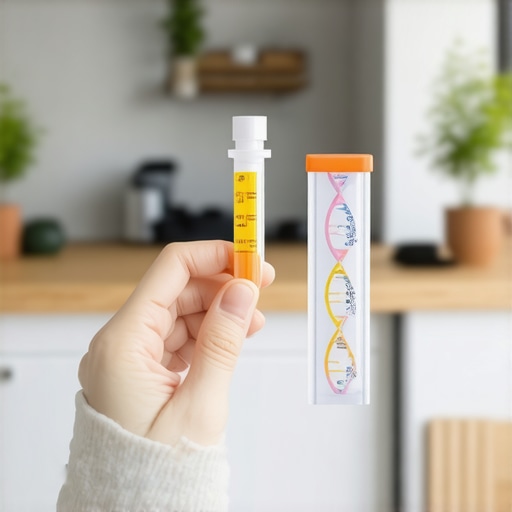
I remember the exact moment I realized I had made a mistake with my first health-focused DNA kit. I had spent so much time researching, dreaming of personalized insights, only to be blindsided by a simple yet critical oversight. It was a frustrating wake-up call that left me questioning: Did I really understand what I was signing up for? That experience taught me an invaluable lesson, and today, I want to share the key piece of knowledge that can save you from the same confusion.
The Hidden Pitfall in Choosing a DNA Health Kit
Before you click “buy” on that tempting advert, it’s essential to ask yourself: Do I truly know what questions this test can answer—and, just as importantly, what it can’t? Many people, myself included early on, are seduced by the promise of comprehensive health insights but overlook a crucial detail. This oversight can lead to wasted money, false reassurance, or worse, misguided health decisions. The good news is, with a little awareness, you can avoid this trap.
Is the hype over DNA health testing actually justified?
Let me be honest—my early mistake was assuming all DNA tests are created equal. I believed that a higher price meant better insights. But I learned that the real difference lies in the specifics of what each test measures. Some kits fetch only genetic predispositions, while others include functional labs that reveal current health statuses. Missing this distinction could mean you’re missing the point entirely. For example, a comprehensive approach, combining genetic data with current lab tests, provides a fuller picture, similar to how telehealth is transforming personal health management.
Early on, I also failed to realize the importance of understanding what you’re actually getting. Many kits don’t include guidance on how to interpret the results or what actionable steps to take afterward. This often leaves users with a pile of raw data but no clear path forward. It’s akin to taking a comprehensive lab test without knowing what the numbers truly mean.
So, have you faced this dilemma—buying a DNA health kit without fully understanding its scope? If so, you’re not alone. The good news is that by asking the right questions beforehand, you can ensure that your investment leads to meaningful health insights. In the next section, I’ll guide you through the practical steps to select a kit that aligns with your goals, backed by expert advice and my own experiences.
Define Your Wellness Goals Clearly
Start by pinpointing what health questions you want your DNA kit to answer. For example, if you’re concerned about your inherited risk for heart disease, look for a test that covers genetic predispositions related to cardiovascular health. I once made the mistake of choosing a generic kit with broad claims but little focus on my specific concern about weight management. By clarifying your goals first, you prevent wasting money and get more actionable insights.
Research the Test Components Thoroughly
Investigate what each kit measures. Some focus only on genetic predispositions, while others include current biomarkers through additional lab tests. Think of it like ordering a meal: do you want only ingredients (DNA data), or do you want the full dish (genetic data plus lab tests and advice)? I once ordered a supposedly comprehensive kit, only to realize afterward it didn’t include functional lab testing, which is vital for current health status. Reading detailed specifications helps you avoid this mistake.
Evaluate the Accessibility of Results Interpretation
Check if the provider offers guidance on understanding your data. Results without context are like reading a foreign language—confusing and unhelpful. Look for services that include personalized reports or access to health professionals. I used a kit that provided raw data, but no explanation; I then booked a telehealth consultation to interpret my results, which was a game-changer. Understanding lab tests is crucial for making informed decisions.
Assess the Privacy and Data Security Policies
Your genetic data is sensitive. Review the company’s privacy policies to ensure your information is protected. I once skipped this step and was surprised to find my data shared without consent. Visit privacy policy pages to understand data handling practices thoroughly before committing.
Analyze Cost versus Value
Balance the price with the comprehensiveness of the test. Cheaper kits might miss important markers, while premium options offer more detailed insights. I opted for a mid-range kit after comparing features, which provided a good balance between cost and actionable information. Remember, investing in quality can prevent chasing false alarms later.
Seek Expert Advice When Unsure
If you’re overwhelmed or unsure which kit suits your goals, consider consulting a healthcare professional through telehealth services. As I experienced, experts can help interpret complex results and guide next steps, transforming raw data into meaningful health strategies.
Many assume that embracing telehealth, lab testing, and vaccinations automatically guarantees optimal health, but behind these buzzwords lie nuanced pitfalls that even savvy consumers often overlook. One common misconception is believing that more testing equals better health insights; however, overusing or misinterpreting tests can lead to unnecessary anxiety or misguided decisions. For instance, relying solely on genetic predisposition data without considering current biomarkers may give a skewed picture of your actual health status, as explained in detail at Understanding the role of lab tests. Furthermore, many confuse the convenience of telehealth with comprehensive care; while virtual services accelerate access, they are not substitutes for in-person assessments when complex issues emerge, which is clarified in innovations in virtual care. A critical yet overlooked pitfall is the assumption that vaccination programs alone provide complete protection; immunity involves multiple factors, including timely booster shots and understanding individual risk profiles, as discussed in wellness checks.
One of the most insidious myths is that if you feel fine, your health is impeccable, but silent conditions—such as high cortisol or early inflammation—can be at dangerous levels without symptoms. Advanced testing reveals these hidden issues, a vital step in preventing chronic disease. Researchers like Dr. Peter Attia emphasize that early detection of such factors significantly impacts long-term outcomes. Inappropriate reliance on self-diagnosis or casual Google-fueled interpretations can erode the effectiveness of your health strategy, so consulting professionals through reliable channels is essential.
Are you aware of the nuances that can fine-tune your wellness journey? Instead of a one-size-fits-all mindset, personalized insights from targeted lab tests combined with telehealth consults can reveal hidden risks and optimize your interventions. For instance, detecting hidden health risks early often makes the difference between managing a condition and battling advanced disease.
Finally, always scrutinize the data security policies of your health providers; many overlook this critical aspect, risking your sensitive health information. Reviewing privacy policies ensures you are comfortable with how your data is handled, as articulated in privacy policies.
In summary, the path to optimal health is fraught with subtle traps—misinterpretation of tests, overconfidence from surface-level wellness, and the false sense of safety from convenience tools. Recognizing these nuances enhances your ability to make informed, effective decisions.
Have you ever fallen into this trap? Let me know in the comments.
Investing in Reliable Telehealth Platforms for Continuous Care
One of the keys to keeping your health routine effective is choosing a trusted telehealth provider. I personally use trusted virtual care services that offer seamless access to healthcare professionals. They enable me to have regular check-ins, update my treatment plan, and address urgent concerns without the hassle of physical visits. Consistent virtual consultations ensure you stay on top of evolving health needs, especially when managing chronic conditions or monitoring lab results over time.
Maintaining Lab Testing Routines to Detect Subtle Changes
Regular lab tests are vital for early detection and long-term wellness. I recommend scheduling lab testing at least twice a year to track key markers like vitamin D levels, thyroid function, and inflammation indicators. For instance, tracking your ferritin and vitamin B12 can be instrumental in preventing fatigue and cognitive decline. Using apps that sync with your health data helps me visualize trends, so I can intervene before small issues become major health challenges.
Implementing a Sustainable Vaccination Plan
Keeping vaccinations up-to-date is essential for long-term health. I adopted a personalized vaccination schedule tailored to my age, lifestyle, and travel plans, guided by expert advice on vaccine planning. Regular boosters, like influenza shots and Covid-19 updates, are part of my annual health routine. Leveraging telehealth allows me to consult specialists about upcoming vaccines and manage any potential interactions with my existing medications or health conditions.
How do I maintain my wellness routine over time?
Consistency is my secret weapon. I set reminders to schedule lab tests, book telehealth check-ins, and review my health data regularly. Incorporating tools like electronic health records ensures you don’t miss crucial updates or booster shots. While these practical steps are essential, staying informed about advancements can propel your health journey forward. For example, the 2023 study published in Nature Medicine highlights how continuous, real-time health monitoring using wearable sensors can revolutionize disease prevention (source: Nature Medicine article). I encourage you to try integrating a health-tracking device into your routine to stay proactive.
By consistently utilizing reliable tools and services, you create a sustainable system that adapts to your changing health needs. If you’re interested in exploring specific platforms or want guidance on setting up your long-term plan, reach out to me. Remember, personalized strategies and regular check-ins are your best allies for enduring wellness.
What I Wish I Knew About The Limits of DNA Testing
One of the biggest lessons I’ve learned is that not all DNA health kits are created equal. Early on, I believed that a higher price meant more comprehensive insights, but I soon realized that understanding what each test measures is crucial. Some focus only on genetic predispositions, leading me to chase potential risks rather than current health realities. This was a lightbulb moment that reshaped my approach to wellness.
Another insight was the importance of context. Raw genetic data without guidance is like reading the stars without a map—confusing and unhelpful. Without knowing how to interpret results or what actions to take, it’s easy to feel overwhelmed or misled. Partnering with experts or comprehensive telehealth services, like trusted virtual care platforms has made all the difference in turning data into actionable steps.
Lastly, I learned to prioritize current health markers over genetic risks alone. Incorporating functional lab tests and regular check-ins creates a dynamic picture of well-being, rather than a static snapshot. This proactive stance helps identify issues early, even before symptoms appear—like catching a silent threat at its infancy, which can save years of potential health struggles.