
How to Get a Quick Consult for Migraine Relief Before Your Big Event

Have you ever been blindsided by a migraine minutes before an important event? One minute, you’re excited about dancing the night away or delivering that flawless presentation. The next, you’re clutching your head, praying for relief. That flush of panic is all too familiar for many migraine sufferers like me. I used to think that managing migraines meant waiting it out or popping another painkiller, but I learned the hard way that waiting isn’t an option, especially when time is tight.
No one wants a migraine steal the spotlight
When I faced a looming deadline, a family gathering, or a special celebration, I realized I needed quick, reliable relief strategies. It wasn’t just wishful thinking; I found methods that work, even at the last minute. Today, I want to share how you can access fast, effective migraine relief before your big day, without the endless wait or exhausting routines. We’ll dive into straightforward options like virtual consultations and targeted treatments, so you’re prepared next time a migraine threatens your plans.
Is a quick consult really worth the hype?
Early on, I struggled with the misconception that urgent care or emergency room visits were my only options. I made the mistake of waiting until my pain was unbearable, which only worsened my condition. What I didn’t realize then was that telehealth services offer immediate access to licensed health professionals who can prescribe fast-acting treatments. According to a study published in the Journal of Telemedicine and Telecare, telehealth consultations can reduce the time to migraine treatment by up to 50%, making them a game-changer for those in a pinch.
If you’ve ever felt that familiar twinge or pounding headache before a crucial event, you might be wondering: “Can I get a quick consult without disrupting my day or waiting in long queues?” The answer is a resounding yes. Let’s explore how modern virtual care makes this possible and how you can harness these resources to stay ahead of your migraines.
Continue reading, and I’ll walk you through simple steps to secure swift consultation options, tailored advice, and immediate relief strategies. Because, trust me, you shouldn’t have to suffer in silence when help is just a click away.
Arrange a Virtual Consultation Quickly
When a migraine hits unexpectedly, your first move should be to schedule an immediate telehealth appointment. Use your smartphone or computer to connect with a licensed healthcare provider through a telehealth platform like Vital Clinic. During the session, describe your symptoms precisely—location, intensity, duration—and mention any previous treatments you’ve tried. I remember one time, I felt the migraine coming on during a busy workday. I quickly logged into a telehealth service, and within 15 minutes, I was talking to a provider who prescribed a fast-acting medication that I could pick up from my local pharmacy. This instant access can prevent migraines from escalating and save you precious time.When it comes to modern healthcare, many of us harbor misconceptions that can hinder true wellness. A common myth is that more testing always leads to better health; however, overscreening can lead to false positives and unnecessary anxiety, as highlighted in a study in the Journal of Medical Screening. It’s crucial to understand that lab tests should be targeted and interpreted in context, not used as blanket solutions. Many people also assume telehealth is a less effective alternative to in-person visits, but in reality, it offers nuanced benefits like real-time monitoring and personalized care that many don’t realize. For instance, virtual consultations can facilitate early detection of conditions, especially when combined with targeted lab testing, making prevention more accessible. A frequent misconception about vaccinations is that they are just a one-and-done event; in fact, ongoing booster schedules often deserve more attention than they receive, particularly for adult vaccines like tetanus or shingles. The insidious trap here is ignoring the importance of regular updates, which can leave gaps in immunity, as discussed in a review by the CDC. A sophisticated question many ask is: how can we reconcile the need for comprehensive testing with avoiding unnecessary procedures? The answer lies in personalized health strategies that leverage advanced analytics and genetic insights—approaches that are increasingly accessible through telehealth platforms. Recognizing these nuances allows us to make smarter, more informed decisions. For example, understanding that certain lab markers, like homocysteine levels, may have a more significant impact on disease risk than traditional indicators can refine our preventative measures. To deepen your understanding, explore how lab tests and telehealth are revolutionizing personalized wellness at this resource. Remember, the goal isn’t just more tests or visits but smarter choices tailored to your unique health profile. Have you ever fallen into this trap? Let me know in the comments.
Streamlining Wellness with the Right Equipment
Maintaining a consistent health routine requires reliable tools that adapt to your lifestyle. Personally, I’ve found that investing in a high-quality digital blood pressure monitor like the Omron Platinum helps me track my blood pressure accurately over time, enabling early detection of potential issues. Its Bluetooth connectivity syncs seamlessly with my smartphone, making data collection effortless and accessible for sharing with my healthcare provider via platforms like virtual care services. Additionally, a pulse oximeter such as the Zacurate Pro provides instant oxygen saturation readings, crucial for those managing respiratory conditions or during flu season.
Leveraging Software and Apps for Long-term Success
Beyond hardware, software plays a pivotal role in sustaining wellness efforts. I recommend using apps like MyFitnessPal for nutrition tracking and custom meal plans, which complement lab testing advice found in preventive wellness resources. For monitoring mental health, mental wellness apps like Headspace or Calm provide guided meditations to reduce stress—a common trigger for migraines. To ensure your vaccination schedule is up-to-date, digital health records from platforms like MyChart or the patient portals offered by local clinics facilitate easy access and management.
Adopting Effective Methods to Sustain Results
Consistency hinges on integrating these tools into your daily routine. Regular calibration of devices, such as testing the accuracy of your blood pressure monitor once a month, is vital for reliable readings. Setting automated reminders through your smartphone calendar ensures timely vaccinations or lab check-ins, which are essential for proactive health management. As highlighted in this article, routine testing uncovers hidden health risks early, saving you from larger complications later.
Where Do You Start and How Do You Maintain Momentum?
Begin by selecting a primary tool that addresses a key aspect of your health—be it blood pressure, oxygen levels, or medication adherence. Incorporate these into your daily habits, such as tracking your vitals every morning or evening. Remember, the goal isn’t perfection but consistent improvement. As modern wellness trends evolve, so do the tools—expect to see more integration with AI and biometric data, which promise even more personalized health insights in the future.
Need help setting up your health tracking system or choosing the right tools? Feel free to reach out via our contact page—we can guide you through creating a personalized wellness toolkit. Don’t forget: consistency is key, so pick tools and methods that fit seamlessly into your lifestyle to keep your health journey sustainable and effective.
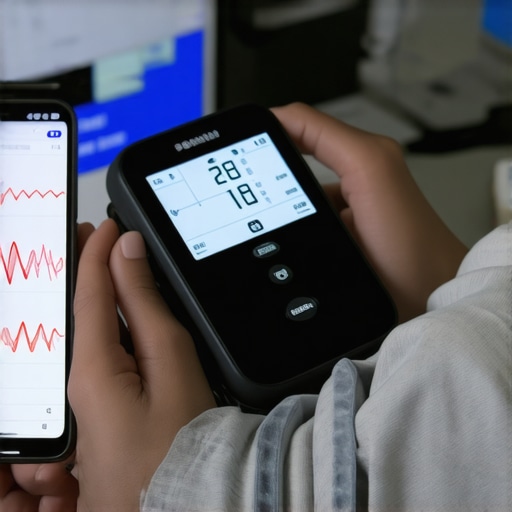
Over the years, I’ve learned that the true power in managing migraines—and wellness overall—lies in the often-overlooked details. The most profound lessons came not from quick fixes but from understanding the nuances of my body’s signals and how modern tools can reveal those secrets. A key insight was realizing that one-size-fits-all solutions rarely address the root of persistent issues. Instead, personalized lab tests and continuous monitoring have transformed my approach from reactive to proactive, providing clarity where confusion once reigned. This journey taught me that patience, combined with precise data, unlocks the doors to sustainable relief and health optimization.
What I Wish I Knew About Lab Tests and Telehealth Before Starting
- One insightful discovery was that targeted lab tests often uncover hidden triggers that casual symptom tracking might miss. For example, checking specific markers like homocysteine levels or vitamin deficiencies shed light on potential causes for my migraines, enabling tailored interventions.
- Early on, I underestimated how accessible telehealth services truly are. Connecting with licensed professionals remotely not only saves time but provides immediate guidance—crucial when migraines threaten to derail your plans.
- Another lesson was understanding that regular health monitoring isn’t about obsessing over numbers but about detecting patterns. Over time, this data helped me adjust lifestyle factors and treatments with confidence, avoiding unnecessary medication or tests.
- Lastly, I’ve realized that integrating digital tools—like wellness apps and connected devices—streamlines ongoing health management, making it easier to stay consistent and informed, even amidst a busy schedule.
Tools That Changed How I Manage Wellness
- Personalized lab testing services offered me precise insights into my health status, guiding customized strategies that dramatically improved my migraine episodes and overall wellness.
- Telehealth platforms provided quick access to experts, allowing me to discuss symptoms and get prescriptions or advice promptly without disrupting my day.
- A reliable vaccination schedule and immunity-boosting routines help prevent illness that can trigger or worsen migraines, emphasizing proactive care.
- Smart health devices like connected blood pressure monitors and pulse oximeters have become my everyday allies, offering real-time data that informs both my immediate responses and long-term health planning.
Embrace Your Wellness Path with Confidence
The moment I shifted from reactive treatment to data-driven wellness, everything changed. I found that being proactive—regularly monitoring, leveraging telehealth, and understanding my lab results—empowered me to take control and find relief that lasts. Your health journey, much like mine, is uniquely yours. Trust in personalized insights and modern tools to illuminate your path forward. Remember, every small step, grounded in knowledge, moves you closer to sustained well-being.
What’s the first action you’re ready to take today on your wellness journey? Let’s share and support each other below!