
Why You Need a Tetanus Shot Every Time You Have a Deep Cut or Scratch
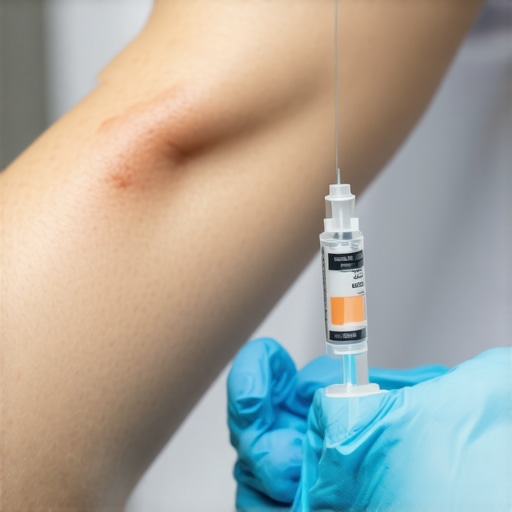
It was just a small scratch from trimming the bushes—until I got a severe infection that kept me guessing for weeks. That lightbulb moment made me realize how overlooked tetanus vaccinations are, especially for something as seemingly minor as a deep cut. Since then, I’ve become a firm believer that skipping your tetanus shot can be a costly mistake.
Protect Yourself from Silent Dangers with a Simple Tetanus Shot
When I first encountered this issue, I never thought a little scratch could turn into a serious health risk. But as I dug deeper, I learned that tetanus is caused by bacteria found in soil, dust, and animal waste—common culprits in outdoor and even some indoor injuries. The truth is, if your wound is deep enough, the bacteria can find their way into your body and produce a toxin that affects your nervous system.
What surprised me most? According to the CDC, tetanus kills about 30,000 people worldwide each year. It’s rare in developed countries, thanks to vaccinations, but the risk remains for anyone who sustains a deep or dirty wound without updating their shot.
So, what can we do to avoid becoming another statistic? The answer lies in understanding the importance of timely vaccination and how it can be your best defense.
Addressing the Fear of Over-Vaccination and Common Skepticism
I used to think, “Do I really need a shot every time? Isn’t it overkill?” Early on, I made the mistake of assuming my previous vaccines were enough, especially since I felt fine. But reality hit hard when a nurse explained that immunity from the tetanus vaccine wanes over time, typically after five to ten years. Failing to update your shot after a deep or dirty wound leaves you vulnerable.
By not staying current on tetanus boosters, I was risking my health unnecessarily. This experience convinced me that staying on top of vaccinations is a small effort with a huge payoff, especially for outdoor enthusiasts or anyone prone to cuts and scrapes.
If you’re unsure about your vaccination status or if your last booster was years ago, it’s worth consulting your healthcare provider. And with the rise of [telehealth services](https://vitalclinicmd.com/revolutionizing-wellness-how-telehealth-transforms-personal-care), checking your vaccination needs has never been easier and more accessible.
Are you confident that your tetanus booster is up to date? If not, don’t wait until it’s too late—taking a proactive step today might save your life tomorrow. Next, we’ll explore exactly when and how you should get vaccinated to keep yourself protected from tetanus and other preventable infections.
Get Your Vaccination History Accurate and Up-to-Date
Begin by collecting your vaccination records, which may be stored in your personal files or your healthcare provider’s database. If you’re unsure about your last tetanus booster, consult your medical history or consider an antibody blood test to assess your immunity level. This is similar to reviewing your bank statement before making a big purchase; knowing where you stand helps you make informed decisions.
Schedule a Telehealth Consultation for Expert Advice
If you’re uncertain about your vaccination status, leverage telehealth services like those described [here](https://vitalclinicmd.com/revolutionizing-wellness-how-telehealth-transforms-personal-care). A virtual consultation allows you to discuss your history with a healthcare provider without leaving home, saving time and reducing exposure risk. During this, ask about your need for a booster shot based on your wound risk and immunity levels.
Order and Complete the Necessary Lab Tests
To confirm your immunity, consider ordering specific lab tests such as antibody titers. These tests act like security scanners at airports—they reveal information that’s not visible otherwise. For example, [here](https://vitalclinicmd.com/why-wellness-checks-are-your-first-step-to-better-health-at-945-am) explains how regular lab testing uncovers hidden vulnerabilities, enabling proactive protection.
Schedule Your Tetanus Booster if Needed
If tests show low immunity or if your vaccination is overdue, arrange for a tetanus shot through your healthcare provider. Many clinics now offer straightforward appointment scheduling, often with minimal wait times. Think of this as topping up your smartphone battery—you won’t realize how crucial it is until you’re practically dead in the water.
Avoid Over-Vaccination Myths with Reliable Information
Some worry about too many vaccines; however, recent studies and expert opinions, such as those summarized here, dispel these fears. Remember, booster shots are designed to reinforce immunity, much like updating an antivirus program to defend against new threats.
Keep Your Immunity Documents Secure and Accessible
Finally, store your vaccination records digitally or physically in a safe, accessible location. This way, if you experience an outdoor injury or travel abroad, you can quickly present proof of vaccination, preventing unnecessary delays or complications.
Regularly review your vaccination schedule and stay proactive—it’s an essential part of your wellness journey. By integrating these concrete steps, you can confidently manage your tetanus protection and avoid avoidable health risks.
While many embrace telehealth as a convenient solution, few realize the subtle pitfalls that can undermine its effectiveness. Contrary to popular belief, virtual consultations aren’t always a one-size-fits-all fix; they require informed participation and understanding of their limitations. For instance, some assume that lab tests ordered remotely are automatically comprehensive, but nuances like test selection and timing dramatically influence results. Failing to recognize these details can lead to misdiagnoses or overlooked risk factors.
One common myth is that repeated vaccinations or tests are redundant, but experts underline that chronic disease risk factors evolve, making regular assessments crucial. According to a study published in the *Journal of Preventive Medicine*, periodic lab tests can detect early markers of issues like insulin resistance or inflammation, often years before symptoms appear—highlighting the importance of proactive wellness strategies.
Beware of the ‘oops’ trap: relying solely on telehealth for complex or nuanced health issues without supplementary testing or in-person assessments may result in missed diagnoses. For example, antibody levels can decline over time, and without proper testing, you might be underprotected—even if your vaccination history looks current. It’s essential to understand that virtual visits complement but don’t fully replace comprehensive health evaluations.
Why do some people overlook the importance of context in lab results and vaccinations?
Understanding your unique biological context is key. Factors like age, lifestyle, genetics, and even environmental exposures influence what tests and vaccines are appropriate. A one-size-fits-all approach might lead you to neglect personalized strategies that could significantly improve your health outcomes. For example, regular wellness checks can reveal underlying issues that generic recommendations might miss, as detailed [here](https://vitalclinicmd.com/why-wellness-checks-are-your-first-step-to-better-health-at-945-am).
To truly leverage telehealth and lab testing effectively, educate yourself on the latest guidelines and consult professionals who tailor recommendations based on comprehensive individual assessments. Engaging with trusted sources and avoiding assumptions about ‘one-size-fits-all’ solutions prevents costly oversights. Have you ever fallen into this trap? Let me know in the comments. Remember, smart health management intertwines technology, personalized insights, and nuanced understanding—never accept superficial answers when it comes to your well-being.
Keep It Running with the Right Tools
Maintaining an effective telehealth and wellness routine requires more than just seeing a doctor online; it hinges on the tools and strategies you choose to integrate into your health journey. I personally rely on a combination of high-quality digital health devices and software platforms that provide accurate data while ensuring privacy and security. Among my top recommendations is the use of a Bluetooth-enabled blood pressure monitor like the Omron Platinum, which syncs seamlessly to my smartphone and integrates with my health app—making regular monitoring effortless and consistent.
For lab testing, I prefer services like home-based testing kits that allow me to order lab panels relevant to my wellness goals without the hassle of visiting clinics. These kits can be mailed, collected at home, and sent back for analysis, which is vital for tracking markers like vitamin D, lipid profiles, and thyroid levels. This approach has empowered me to stay proactive, especially when managing conditions like subclinical hypothyroidism or monitoring inflammation levels.
My favorite wellness platform is a comprehensive telehealth app that offers virtual consultations, medication management, and even mental health support, all in one interface. These telehealth solutions are evolving rapidly, and I anticipate future developments will incorporate AI-driven health analytics, providing personalized recommendations based on integrated data from wearables and lab tests.
Routine Checks and Long-Term Results
To keep my health on track, I schedule quarterly wellness reviews using regular wellness check-ins. This habit ensures I catch any early signs of health issues, like rising blood sugar or inflammation, before they become serious. Combining these check-ins with lab tests and wearable data gives me a 360-degree view of my health, enabling informed decisions and adjustments.
Scaling and Future Trends
Looking ahead, the integration of AI with telehealth platforms promises more personalized and predictive health management. I predict that in the next 5 years, we’ll see even smarter devices and platforms that can preemptively alert us to potential health risks based on real-time data analysis.
Maintaining Your Wellness System
So, how do I maintain this system over time? Firstly, I set reminders to update my lab tests and sync my devices regularly. Implementing a routine, along with trusted tools, helps ensure my data remains accurate and relevant. For instance, I schedule lab tests every six months, which is critical for monitoring ongoing conditions and adjusting my wellness plan accordingly—similar to preventive health strategies.
Remember, investing in good equipment and maintaining discipline with regular check-ins ensures your wellness tools give you long-term value. Take the advice seriously—try setting up a digital health dashboard that consolidates your device data, lab results, and telehealth consultations. It might be a game-changer in taking proactive control over your health.
What I Wish I Knew About Vaccination Timing Before My Wake-Up Call
One of the most profound lessons I learned was that immunity isn’t a permanent shield—it requires periodic reinforcement. Waiting too long between boosters can create dangerous gaps in protection, especially for outdoor lovers or those with active lifestyles. Trust me, staying up-to-date isn’t just a bureaucratic task; it’s a vital part of safeguarding your health against silent threats.
How Personalized Lab Testing Transformed My Approach to Wellness
Personalized lab tests give you a snapshot that static vaccination records can’t fully capture. When I started tracking my antibody levels and metabolic markers using reliable home-testing kits, I discovered surprising gaps in my immunity and nutrition. These insights empowered me to tailor my wellness strategies, making my health management more precise and effective, moving beyond generic advice.
Telehealth Isn’t Just Convenience — It’s The Key To Early Detection
One lightbulb moment was realizing that virtual consultations can identify risks before symptoms appear. Regular telehealth check-ins, combined with at-home lab testing, created a proactive shield around my health. These tools became diagnostic allies, catching issues early and saving me from more invasive or costly interventions down the line.
How Relying Solely on Digital Can Sometimes Miss The Nuance
While telehealth and lab testing are game changers, I learned that understanding your unique biological context matters. Not all digital tools adapt perfectly to individual differences—things like age, genetics, and environment influence what tests and vaccines are right for you. Personal insights, coupled with professional guidance, are essential to avoid oversights that could jeopardize your health.
Curated Resources To Empower Your Wellness Journey
- VitalClinic’s telehealth platform: Combining virtual care with expert insights, it’s where I found personalized advice tailored to my health profile. Their innovative approach helps me stay ahead of potential issues.
- Home-based lab testing kits: Companies like VitalClinic provide reliable at-home testing that I trust for regular monitoring of immunity and key health markers—convenience without sacrificing accuracy.
- Up-to-date vaccination guidelines: Resources outlined in VitalClinic’s vaccination pages keep me informed of current best practices, ensuring my protection remains current with the latest recommendations.
Your Next Step Starts Now — Embrace Proactive Wellness
The future of health is about combining smart technology, personalized insights, and timely action. Don’t wait for symptoms or outdated records to remind you of vulnerabilities; take charge today. Regular updates to your tetanus vaccination, combined with personalized lab testing, can be your strongest defense—an ongoing safeguard you control.
Have you checked your vaccination status lately? What surprises have you uncovered through lab testing? Share your experiences below — your insights might inspire someone else’s wellness journey.
,