
Why your B12 supplement isn’t working according to your blood work
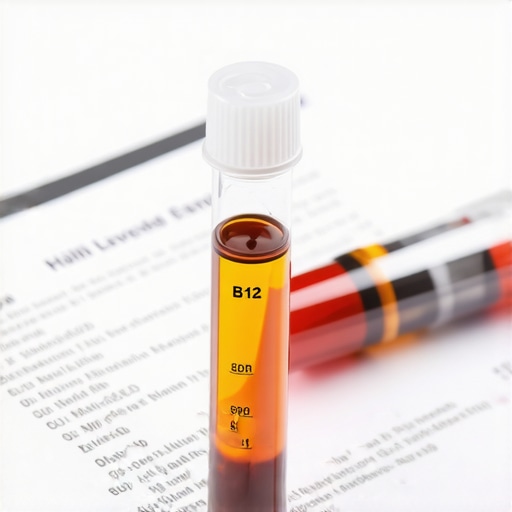
Have you ever taken a B12 supplement, felt confident that you were supporting your health, only to see your latest blood work show low or unchanged levels? That lightbulb moment—when you realize your seemingly reliable supplement isn’t working—can be frustrating and confusing. I remember sitting at my kitchen table, staring at my blood test results, wondering if I’d been wasting my time and money, or worse, missing a bigger health issue.
Why Supplements Sometimes Fail to Improve Your B12 Levels
Many people, including myself initially, assume that popping a daily vitamin is all it takes. But the truth is, your body’s process for absorbing and utilizing B12 is more complex than swallowing a pill. If your blood work isn’t reflecting improvements despite supplementation, it could be because your body isn’t absorbing or utilizing B12 effectively. I learned the hard way that factors like gut health, intrinsic factor production, and other nutrients play significant roles in B12 absorption, often overshadowing the supplement’s efficacy.
Is Over-Hyped B12 Supplements Really Worth It?
One of my early mistakes was simply relying on common knowledge—thinking that if I took enough B12, my levels would climb. Turns out, that’s not how it works for many people. In fact, simply increasing your intake without understanding the underlying causes of deficiency can lead to little or no improvement. A study from the National Institutes of Health highlights that absorption issues, rather than intake, are often the real reason behind persistent B12 deficiency.
If you’ve faced similar frustrations—taking supplements, obsessively tracking your blood work, and still feeling that sluggish, foggy, or numb sensation—it’s time to look deeper. But how do you know if your supplement is truly ineffective or if your body simply isn’t processing B12 properly? That’s exactly what I’ll help you uncover. We’ll explore the essential steps to optimize B12 absorption and ensure your efforts truly support your health. Ready to get to the bottom of your deficiency and boost your vitality? Let’s dive into understanding what might be sabotaging your B12 journey—and how to fix it.
Ensure Gut Health Before Supplementing
Start by assessing your digestive wellness—just like a mechanic checks a car engine before a major repair. In my case, I scheduled a comprehensive gut health panel through reliable labs, which revealed low stomach acid levels impairing B12 absorption. Lab tests are crucial for uncovering hidden issues that may sabotage your efforts. Fixing gut issues, such as addressing bacteria imbalance or improving enzyme production, can significantly enhance your body’s ability to utilize supplemental B12.
Optimize Intrinsic Factor and Absorption Conditions
Test for Intrinsic Factor Deficiency
Next, I ordered specific blood tests to evaluate my intrinsic factor levels—this protein is essential for B12 absorption. Many overlook this step, but without adequate intrinsic factor, even high-dose supplements won’t be effective. Getting this test through proper lab evaluation can clarify if your deficiency stems from this cause, guiding targeted treatment such as B12 injections or high-dose oral therapy.
Address Other Nutrient Deficiencies
My experience showed that deficiencies in folate, iron, or zinc can impair B12 activity. Therefore, I included testing for these nutrients, as optimizing them supports B12 metabolism. Incorporate a balanced diet rich in leafy greens, lean meats, and fortified foods while considering supplementation based on lab results.
Enhance Absorption Through Lifestyle and Timing
Absorption isn’t only about health status—it hinges on how and when you take your supplements. I learned to take B12 on an empty stomach, approximately 30 minutes before breakfast, maximizing gastric acid activity. Additionally, avoiding alcohol or caffeine around supplement times prevents interference with absorption. Staying well-hydrated and managing stress further improves digestive efficiency, much like tuning an engine for peak performance.
Leverage Telehealth for Monitoring Progress
Regular checks through telehealth services enable me to track B12 levels without stepping into clinics. Telehealth platforms like virtual care innovations allowed me to consult with specialists swiftly, adjust dosages, and address emerging issues promptly. This approach minimizes guesswork, ensuring you’re on the right path.
Use Precise Testing to Confirm Outcomes
After implementing these steps, I scheduled follow-up blood tests to verify improvements. Monitoring serum B12, methylmalonic acid (MMA), and homocysteine levels gave a clear picture of my body’s utilization. Don’t rely solely on general blood counts; precise markers like MMA reveal deficiency states even when serum levels appear normal, reducing the risk of persistent symptoms despite supplementation.
Many wellness enthusiasts believe that just following the latest health trends or relying heavily on lab tests and telehealth can instantly optimize their health. However, this oversimplification often masks deeper nuances that, if overlooked, can lead to ineffective or even counterproductive outcomes. Let’s dig deeper into what most people get wrong about these modern approaches and how to navigate them effectively.
Are We Ignoring the Context Behind Lab Results?
One common myth is that lab tests provide foolproof answers for health issues. In reality, results must be interpreted within a comprehensive context. For example, a borderline vitamin D level might seem insignificant, but without understanding factors like inflammation or kidney function, recommendations based solely on this number may miss the mark. External studies, such as those from expert analyses on lab interpretation, emphasize that a holistic view is essential for accurate diagnosis and effective treatment plans.
Relying solely on numerical thresholds without considering individual variability or other health markers can trap you into unnecessary supplementation or overlooking critical underlying issues.
Beware the Telehealth Trap: Convenience Doesn’t Equal Complete Care
Telehealth has revolutionized access to healthcare, especially for routine checkups or minor concerns. Yet, many prematurely attribute all health insights to virtual consultations, assuming they replace hands-on examinations or in-depth diagnostics. While platforms like telehealth innovation offer convenience, they often lack the nuance of physical assessments, such as palpation or detailed visual examinations. This can lead to misdiagnosis or missed subtle signs, especially in complex cases.
Advanced practitioners recommend supplementing telehealth with targeted lab testing—like the essential lab tests—to ensure no critical data slips through the cracks.
Why Vaccinations and Wellness Are Not One-Size-Fits-All
Common wisdom often advocates universal vaccination schedules, but in my experience, personalized plans are far more effective. Many believe that following standard protocols guarantees protection, yet individual factors—like age, immune status, or genetic predispositions—can alter vaccine efficacy. For instance, recent research indicates that tailored vaccination timing, based on comprehensive health assessments, significantly enhances immune response (source).
This underscores the importance of consulting with knowledgeable professionals who can interpret your unique health profile, rather than blindly adhering to generic schedules.
Have you ever fallen into this trap? Let me know in the comments. The key takeaway is to approach wellness with a critical eye—not just accepting popular narratives but digging into the nuanced details that truly matter for your health journey. Remember, the most effective health strategies combine thorough testing, personalized planning, and cautious skepticism of one-size-fits-all solutions. For more insights, visit our privacy policy regarding your data and how we protect your privacy as you take control of your wellness.
Invest in Precise Monitoring Devices
To truly understand your health journey, I rely on advanced wearable sensors like the Oura Ring, which provides detailed insights into sleep quality, activity levels, and recovery. Unlike generic fitness trackers, the Oura Ring analyzes HRV, body temperature, and sleep stages, giving me actionable data to adjust my routines. I personally find this granular approach essential for maintaining long-term wellness, especially when trying to optimize stress management and recovery cycles.
Utilize Specialized Lab Testing Platforms
When it comes to lab tests, I use services like VitalClinic’s digital testing portal. It streamlines booking specific tests such as methylmalonic acid or homocysteine levels, which are critical markers for B12 metabolism. Having immediate access to detailed lab data means I can identify deficiencies or imbalances before they manifest as symptoms, making preventative care much more effective.
Leverage Telehealth for Continuous Care
Telehealth isn’t just a convenience; it’s a necessity for maintaining continuous oversight of your health. I utilize virtual consults through platforms like VitalClinic’s telehealth services especially for follow-up on lab results or adjusting supplementation. This remote approach allows for quick adaptations, ensuring I stay aligned with my health goals without disruptive clinic visits.
Implement Robust Data Management Tools
Keeping all my health data organized is vital. Tools like Apple Health and my custom spreadsheet setup help me track biomarkers, supplement schedules, and symptom patterns over months. This comprehensive view assists in recognizing trends and triggers, enabling proactive adjustments. As the technology evolves, AI-driven platforms are on the horizon, promising even smarter health management solutions.
How do I maintain long-term tracking of health data?
Developing a system that integrates wearable data, lab results, and telehealth insights is key. Regularly reviewing this data—preferably with the help of a health professional—supports sustained wellness efforts. Looking ahead, I predict personalized AI analytics will become mainstream, revolutionizing how we monitor and optimize health on an ongoing basis. You might consider starting with a detailed log of your lab results and daily metrics to build your initial baseline. For more tools and strategies, check out our comprehensive approach to wellness.
What I Wish I Knew Before Overlooking the Details
One of my major lightbulb moments was realizing that simply taking B12 supplements isn’t enough; the real challenge lies in understanding how my body absorbs and processes this vital nutrient. I also learned that gut health and intrinsic factor levels are often overlooked but are critical determinants of B12 effectiveness. Lastly, I discovered that personalized testing and monitoring can transform vague deficiencies into precise, actionable insights, saving me time and frustration.
Tools and Resources That Changed My Approach
My go-to resource has been VitalClinic’s lab testing platform; it offers targeted tests like methylmalonic acid and homocysteine, which are essential for accurate B12 assessment. I also rely on wearable devices such as the telehealth platforms for ongoing health monitoring and quick consultation options. Additionally, I trust comprehensive health guides, like those from VitalClinic’s wellness resources, to deepen my understanding of systemic health factors influencing B12 absorption.
Your Next Step Toward Better B12 Health
Take action today by scheduling thorough labs to assess your intrinsic factor and gut health. Combine this with precise monitoring tools to track your progress, and don’t hesitate to leverage telehealth for expert guidance without the inconvenience of in-person visits. Remember, real wellness comes from personalized, informed steps—so start your journey with confidence and curiosity. For more insights into optimizing your health through lab testing and modern healthcare tools, visit our privacy policy and explore how tailored strategies can make all the difference. What’s one aspect of your health that you’re eager to understand better? Share below—I’d love to hear your story.