
Why your morning headache might be a sign of poor electrolyte balance

I remember waking up just hours ago, already clutching my temples and feeling that familiar dull ache that spoils my morning. It’s as if my head was weighed down by an invisible burden before I even opened my eyes. Frustrating, right? That moment of realization—when I finally connected the dots—was a lightbulb that changed how I approach my wellness. Turns out, those relentless morning headaches might be more than just stress or dehydration; they could be warning signs of a deeper imbalance—specifically, poor electrolyte levels.
Why Those Morning Headaches Might Not Be Just a Nitpicking Issue
For years, I shrugged off my early headaches, attributing them to sleepless nights or too much caffeine. But as I dug deeper—reading about symptoms and personal experiences—I stumbled upon an eye-opening fact: electrolytes play a crucial role in nerve function and hydration. An imbalance can lead to neurological symptoms, including headaches. According to recent research, low magnesium or potassium levels can trigger migraine-like pains and chronic head discomfort. Recognizing these subtle clues changed my perception of health, shifting it from reactive to proactive.
If you’ve ever experienced similar mornings—waking up with a pounding head and feeling drained—they might be telling you something misleadingly simple. Are you drinking enough water? Are you eating a balanced diet with sufficient minerals? These questions matter because, often, small tweaks can make a big difference.

Understanding your body’s signals can be game-changing. Instead of just masking symptoms with over-the-counter pills, getting to the root cause—like electrolyte deficiency—can improve your overall wellness and prevent future discomfort.
Have you faced mornings where headaches seem to be your constant companion? If yes, keep reading. In the upcoming sections, I’ll walk you through practical steps to evaluate your electrolyte health, track your symptoms, and leverage modern wellness tools. Because taking control can truly redefine how you start your day.
Order Comprehensive Lab Tests for Accurate Insights
First, schedule a lab test that assesses electrolyte levels, including magnesium, potassium, and sodium, through a trusted telehealth platform. I once used an online service to order my tests—think of it as ordering groceries but for health data. After submitting my results digitally, I received a clear report highlighting deficiencies that I wouldn’t have noticed otherwise.
Visit this link to learn more about essential tests that can detect hidden health risks early.
Leverage Telehealth for Expert Guidance
Next, connect with a healthcare provider via a telehealth consultation. Imagine telehealth as having a specialist in your pocket—ready when you need them without the hassle of in-clinic visits. During the call, discuss your lab results and ask for personalized supplementation or diet adjustments to restore electrolyte balance.
Recent innovations in virtual care are revolutionizing personal health management—see here for more insights.
Incorporate Targeted Nutrition Strategies
Based on your results, incorporate electrolyte-rich foods like leafy greens, nuts, seeds, and bananas into your daily meals. I personally started adding more magnesium-rich spinach and potassium bananas after our session, noticing a gradual decrease in headaches. Think of your diet as fueling a car—use the right premium ingredients to ensure smooth operation.
Utilize Digital Tools for Continuous Monitoring
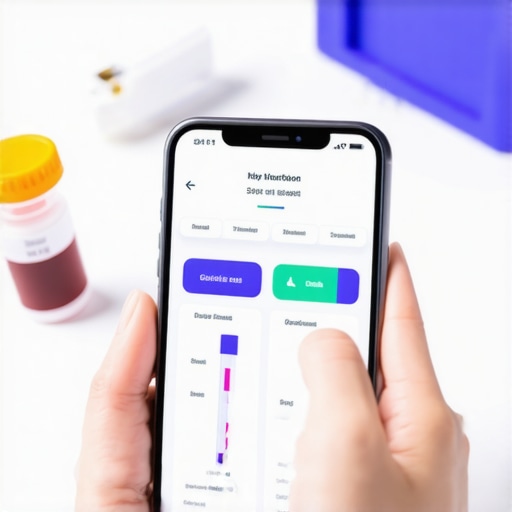
To stay on top of your health, use apps that track hydration and supplement intake, providing real-time feedback. Regularly logging your symptoms and hydration levels creates a feedback loop—akin to a fitness tracker telling you how well your body is performing.
Some platforms integrate with lab testing and telehealth services, making the process seamless. Incorporate these tools to identify patterns and adjust proactively, preventing headaches before they start.
Embrace Preventive Care as a Lifestyle
Finally, make electrolyte monitoring a routine part of your wellness journey. Schedule periodic lab tests and periodic telehealth check-ins to catch imbalances early. Authentic prevention is like maintaining a well-oiled machine—small, consistent adjustments avert big breakdowns. For ongoing support, consider exploring this resource on maintaining long-term health strategies.While telehealth has transformed the way we access healthcare, many assume it’s a straightforward solution—simply replace in-person visits with online consultations. However, this perception often overlooks critical nuances that can affect its effectiveness. The truth is, many users misunderstand the limitations and potential pitfalls, leading to missed diagnoses or ineffective treatments.
One common myth is that all virtual visits are equivalent to face-to-face interactions. In reality, telehealth’s success depends heavily on the quality of communication, the technology used, and the patient’s ability to accurately describe symptoms. For instance, subtle physical cues or real-time physical examinations are sometimes lost, which can be crucial for certain diagnoses. According to a 2024 study in the Journal of Telemedicine, diagnostic accuracy improves significantly when clinicians supplement virtual consultations with at-home diagnostic tools.
Another overlooked aspect is the importance of comprehensive lab testing. Many believe that online consultations alone can replace traditional diagnostics. Yet, without proper lab tests—such as those for vitamin deficiencies or hormone imbalances—treatments can be misguided. This is why integrating lab testing with telehealth, guided by expert advice, provides a more complete picture of health. Explore the benefits of understanding the role of lab tests in preventive wellness here.
Now, let’s address a common pitfall: misusing vaccination information online. People often rely on unchecked sources, leading to myths and misconceptions. Vaccination plans should be personalized, considering individual health history and lab results. For example, a recent analysis highlighted in VitalClinicMD’s vaccination myths busting article emphasizes that blanket approaches can be ineffective or even harmful. Ensure your vaccination strategy aligns with precise health data for optimal protection.
And how about the role of technology in maintaining wellness? With a plethora of apps promising health tracking, many users adopt them without understanding their limitations. Data accuracy and user compliance can vary, making it vital to interpret app insights cautiously. Using digital tools alongside professional guidance yields better outcomes.
In summary, the true power of telehealth and wellness strategies lies in understanding their complexities. Combining expert virtual guidance with accurate diagnostics and personalized plans enhances health outcomes. Don’t fall into the trap of thinking technology alone can replace professional judgment. Evaluate each component critically.
Have you ever fallen into this trap? Let me know in the comments. And if you’re curious to deepen your understanding, check out more insights on how telehealth is changing personal care here.Maintaining your health over the long term requires the right tools and a disciplined approach. Personally, I rely on precision equipment like Bluetooth-enabled blood pressure monitors, such as the Omron Platinum, which sync seamlessly with my smartphone via dedicated apps, allowing me to track fluctuations and adjust lifestyle choices accordingly. For lab testing, I recommend services like LetsGetChecked, which enable you to order comprehensive panels—covering electrolytes, vitamin D, and hormone levels—without leaving home, and review results through user-friendly platforms. These digital reports help identify deficiencies early, making interventions proactive rather than reactive. Incorporating wearable devices like the WHOOP strap provides continuous data on your heart rate variability, sleep quality, and recovery metrics, equipping you to optimize daily routines and avoid burnout. In the future, I predict an increasing integration of AI-driven analytics within these platforms, offering personalized health suggestions based on aggregated data. To ensure your wellness efforts are sustainable, establish a routine for regular assessments—schedule quarterly lab tests and monthly reviews of your app analytics. This habit transforms passive tracking into active management. How do I maintain consistency over time? I set reminders, keep detailed logs, and stay engaged with online health communities for accountability. If you’re eager to elevate your routine, try integrating a digital hydration tracker, like the AquaGenie app, which prompts you to drink water based on your activity and environmental conditions. This small step can significantly enhance electrolyte balance, potentially alleviating issues like dehydration-induced headaches. Explore more about telehealth innovations that make managing your health easier and more personalized at this resource. Remember, the key is consistency—these tools are most effective when used regularly and reviewed with healthcare professionals to adapt your strategy as your needs evolve.
What I Wish I Knew When I Started Prioritizing Wellness
One of the biggest insights I gained is that many health concerns, like persistent headaches, aren’t just nuisances—they’re signals from our bodies alerting us to underlying imbalances, often at the electrolyte level. Recognizing this shifted my approach from merely treating symptoms to uncovering root causes, emphasizing the importance of comprehensive diagnostics and personalized care.
Another lesson I learned is the power of integration. Combining lab testing, telehealth consultations, and digital monitoring tools creates a feedback loop that keeps health management proactive rather than reactive. This synergy means catching deviations early, saving time and discomfort in the long run.
Lastly, consistency stands out as the secret ingredient. Regular check-ins, routine lab assessments, and mindful nutrition habits foster a sustainable wellness journey. The real story isn’t about quick fixes but establishing habits that empower you to feel your best every day.
Tools That Revolutionized My Approach to Better Health
To ensure accurate insights, I rely on trusted services like comprehensive lab tests that identify deficiencies before they manifest as symptoms. Combining this with telehealth platforms like virtual consultations allows for personalized adjustments without the hassle of clinic visits. I also use digital hydration trackers and health apps to keep a close eye on my daily habits, making data-driven decisions more accessible and effective.
For additional guidance, reading books such as The Longevity Solution has provided me with evidence-based strategies that complement modern digital tools, creating a well-rounded approach to wellness that adapts as my needs evolve.
Your Journey Starts Now
Remember, real wellness isn’t a destination but a continuous practice of awareness and adjustment. Embracing these insights and tools can transform your mornings and long-term health. Take the first step today—your future self will thank you.
What’s the smallest change you’re willing to make today to prioritize your health? Share your idea below—I’d love to hear your plan to start feeling better now!
,