
The hidden danger of high uric acid even if you don’t have gout
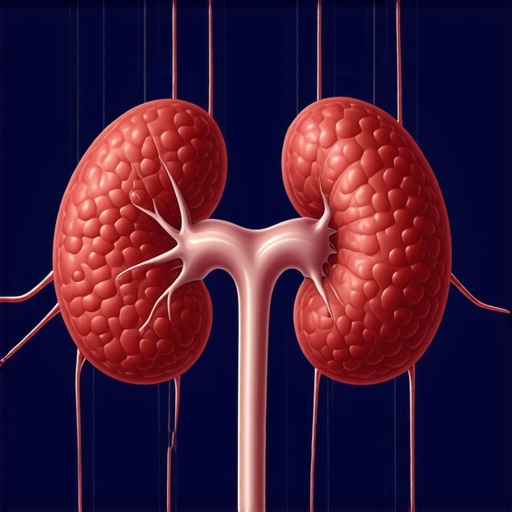
I remember the moment vividly. I was sitting in the doctor’s office, feeling perfectly fine, yet my blood test revealed something unexpected—my uric acid levels were elevated. No gout attacks, no joint pain, nothing to suggest an immediate crisis. It was a lightbulb moment for me. How could something potentially dangerous be lurking quietly, without any telltale symptoms?
Why Should You Worry About High Uric Acid If You Don’t Have Gout?
For years, I naively believed that unless I experienced the classic gout flare-ups, I was in the clear. But recent research challenges that misconception. Elevated uric acid, even without the painful episodes, can silently contribute to serious health issues like heart disease, hypertension, and kidney problems. According to a study published in the Journal of the American Heart Association, high uric acid levels are independently associated with increased cardiovascular risk, regardless of gout symptoms. What I learned is that ignoring this marker might be overlooking a slow, silent threat to overall wellness.
Could Elevated Uric Acid Be Sabotaging Your Health?
Early on, I made the mistake of dismissing my elevated uric acid as benign because I didn’t experience joint pain. That was a mistake. Your body doesn’t always give obvious signs when something is off. Instead, it might be whispering through subtle changes—slight fatigue, weight gain, or blood pressure fluctuations. Recognizing these signs early can make all the difference. And luckily, modern wellness strategies, like regular lab testing and telehealth consultations, make it easier to stay ahead. If you’ve ever wondered whether your lab results hide hidden risks, I encourage you to explore how lab tests can reveal unseen health threats.
We are about to look into practical steps to monitor and manage uric acid levels effectively, ensuring this silent danger doesn’t become an unexpected health crisis. So, do you suspect your uric acid might be higher than it should be but dismiss it because you feel fine? If so, you’re not alone. Let’s dive into how you can take control today.
Schedule Your Comprehensive Wellness Check
The first step is to get a clear picture of your current health status. Use telehealth platforms like virtual care services to arrange a wellness check. During this consultation, discuss your concerns about uric acid and request an order for specific lab tests. Think of this as setting the foundation—like planning a road trip before hitting the highway, ensuring all systems are go.
Order and Interpret Key Lab Tests
Once your provider has ordered your labs, have them done at a nearby or at-home testing facility, if available. Focus on tests such as serum uric acid, kidney function, and inflammatory markers. When your results arrive, review them carefully—consider them as a detailed map guiding your next steps. For deeper understanding, resources like this guide can help decode what your numbers mean.
Build a Personalized Action Plan
Based on your results, work with your telehealth clinician to establish a tailored plan. This may include dietary modifications, hydration strategies, or medication adjustments. Think of it as tuning a musical instrument—small adjustments can produce harmony. For instance, reducing foods high in purines like red meat and shellfish can significantly lower uric acid levels. To ensure your plan remains effective, schedule regular virtual follow-ups, which are as essential as fuel stops on a long journey, keeping your wellness on course.
Leverage Technology for Ongoing Monitoring
Utilize wearable devices or smartphone apps that track relevant health metrics such as blood pressure, weight, or hydration status. These tools act like your personal co-pilot, alerting you to changes that might affect uric acid levels. Additionally, consider periodic blood tests facilitated through telehealth providers, enabling you to catch any early deviations before they escalate. Remember, proactive monitoring is the key to preventing silent threats from turning into crises.
Stay Informed and Adjust As Needed
Education is your shield. Stay informed about the latest wellness strategies by engaging with trustworthy resources, and maintain open communication lines with your healthcare team. If something isn’t working—perhaps your diet or hydration habits—don’t hesitate to revisit your plan via telehealth consultations. Think of this as steering a boat—you constantly adjust your sails to match the wind, ensuring a smoother voyage toward better health.
By incorporating these concrete steps, you’ll harness the power of telehealth to take control of your uric acid levels and boost your overall wellness journey. Remember, early action and consistent monitoring are your best defenses against silent health threats.
 Many believe that telehealth and modern wellness practices are foolproof, but behind the scenes, several misconceptions and advanced pitfalls can undermine their effectiveness. Although virtual care offers unparalleled convenience, it’s not a one-size-fits-all solution. For instance, some assume that completing an online questionnaire can replace comprehensive in-person evaluations, but this can lead to overlooked nuances—particularly in chronic or complex conditions, where physical examinations and detailed history-taking remain crucial. Relying solely on digital platforms may create gaps in diagnosis, especially when subtle signs are missed, which can delay essential interventions.
A common myth is that lab tests done remotely are always foolproof indicators of health. While at-home testing kits are gaining popularity, they often lack the context provided by a healthcare professional’s interpretation. Without expert analysis, results may be misunderstood or misapplied, resulting in either unnecessary anxiety or false reassurance. According to recent studies, the precision of lab tests can vary based on sample collection methods and timing, emphasizing the importance of coordinated testing within a clinical setting for accurate diagnosis (source).
Have you ever fallen into this trap? Let me know in the comments.
Another advanced mistake involves over-reliance on wellness apps and wearable devices. Although these tools can track vital stats with impressive detail, they sometimes encourage a false sense of security or panic over insignificant fluctuations. For example, fluctuation in sleep scores or heart rate variability might be dismissed as normal variations, yet they could signal deeper issues like early inflammation or hormonal imbalances—if interpreted correctly. Technology is incredibly helpful, but it must complement, not substitute, expert medical insight. The nuance lies in understanding which data points warrant professional attention. Studies recommend periodic comprehensive evaluations, including detailed lab analysis and clinical assessments, to truly grasp your long-term health trajectory (source).
What about vaccinations? Many assume that one shot provides lifelong protection, but in reality, immunity can wane over time, especially with certain vaccines. Misunderstanding this can lead to missed booster opportunities, leaving individuals vulnerable to preventable diseases. The myth of permanent immunity is particularly dangerous in the context of COVID-19 and other respiratory illnesses, where boosters are essential to maintain robust defense. Expert guidelines now recommend periodic re-evaluation of vaccination schedules based on emerging data and individual health status (source).
The overarching lesson is that staying healthy through telehealth, lab testing, and vaccinations requires a nuanced understanding—recognizing that shortcuts or assumptions often lead to missed clues or misjudged risks. Approach your wellness journey with an analytical mindset and seek expert input whenever possible.
Thinking critically about these hidden nuances can dramatically enhance your health strategy. Ready to uncover more? Explore how personalized testing and expert guidance can make a real difference in your wellness plan (more insights here). Remember, knowledge is your best tool in navigating the complex landscape of modern healthcare.
Maximize Telehealth with Smart Scheduling and Data Management
One of my favorite tools for maintaining ongoing wellness is a dedicated digital calendar integrated with telehealth appointment reminders. I use Google Calendar synced with my health app to schedule regular check-ins. This automatic scheduling ensures I never miss a follow-up, especially crucial for monitoring lab results like uric acid levels. Additionally, apps like MyChart or specialized lab result portals enable real-time access to your reports, making it easier to track trends over time. This continuous feedback loop empowers you to adjust your plan proactively and stay ahead of potential issues.
Invest in Reliable Home Testing Devices
I personally rely on FDA-approved at-home testing kits for ongoing monitoring of key health markers. For example, using a device like the Everlywell Uric Acid Test provides quick insights into your levels without frequent clinic visits. These gadgets sync with smartphone apps, allowing for seamless data storage and trend analysis. Over time, I’ve found that regularly reviewing my readings through these tools helps me identify patterns and make timely lifestyle adjustments. As technology advances, expect even more sophisticated and integrated testing options that will streamline wellness management further.
Leverage Telehealth for Prescriptive Support
Establishing a relationship with a telehealth provider who offers ongoing support is invaluable. I recommend exploring platforms like virtual care services that allow for personalized medication adjustments, diet plans, and lifestyle coaching based on your lab results. These providers utilize electronic medical records to track your progress, making it easier to keep your wellness plan effective long-term. The ability to communicate quickly and conveniently ensures that your health strategies adapt swiftly to your changing needs.
Future Trends in Wellness Maintenance
Looking ahead, the integration of AI-driven health analytics with wearable technology will revolutionize how we maintain wellness. Imagine smart devices that continuously analyze your biometric data, alerting you before minor patterns develop into significant health risks. Such innovations will shift the focus from reactive treatments to proactive prevention, making tools like these indispensable for those committed to long-term health. Stay tuned—these advancements will make it even easier to keep your wellness journey on track.
How Do I Keep My Wellness Tools Up to Date and Effective?
Regularly updating your apps, devices, and consultation schedules ensures optimal performance. Additionally, scheduling periodic comprehensive wellness checks through telehealth, such as detailed lab testing, helps recalibrate your plan. For an in-depth review, you can refer to this guide. Making these practices a routine helps sustain progress and adapt to new health insights, preventing stagnation in your wellness journey.
If you’re ready to take your health maintenance to the next level, I recommend trying an advanced at-home testing kit combined with scheduled telehealth follow-ups. This combo provides continuous, accurate insights that keep your wellness plan resilient and personalized. Remember, staying proactive with your tools today paves the way for healthier years ahead.

Lessons Most Patients Overlook in Telehealth and Lab Testing
- My biggest realization was how easily I underestimated the significance of elevated uric acid levels without symptoms—it’s a reminder that silent markers often carry the most weight.
- Trusting technology alone isn’t enough; I’ve learned that interpreting data requires context and expert insight, especially when at-home tests can be misleading without professional guidance.
- Regular check-ins with healthcare providers are invaluable, even when I feel fine. The early detection of risks like inflammation or kidney stress has been a game changer for my ongoing wellness.
- I’ve discovered that a proactive approach—combining consistent labs, telehealth visits, and personalized plans—delivers far better results than waiting for symptoms to appear.
- Understanding that misconceptions about vaccinations and digital health tools can delay important interventions helped me reframe my entire health strategy, prioritizing prevention over reaction.
My Must-Have Resources for Better Wellness
- VitalClinicMD’s telehealth platform: Their seamless virtual consultations ensure I stay connected with experts who interpret my lab results and tweak my wellness plan as needed.
- At-home testing kits: Devices like Everlywell provide quick, reliable data—crucial for monitoring markers like uric acid—without constant clinic visits.
- Trusted educational content: Resources such as VitalClinicMD’s comprehensive guides help me decode lab results and understand what health adjustments are necessary, empowering me to be my own advocate.
- Wellness tracking apps: Integrating wearable devices helps me observe trends in blood pressure and hydration, alerting me to subtle shifts before they escalate into problems.
Your Next Chapter in Wellness Awaits
Taking control of silent health risks like elevated uric acid through smart use of technology, expert guidance, and continuous education transforms your wellness journey from reactive to proactive. Remember, lasting health isn’t about waiting for symptoms—it’s about acting before they appear. Trust in your ability to understand your body’s signals, seek out the right tools, and keep evolving your health strategies. Every small step you take today builds a stronger, healthier tomorrow.
What’s one health myth about telehealth or lab testing you’ve recently uncovered? Let’s discuss below.
,