
How to get a same-day antibiotic script without leaving your couch
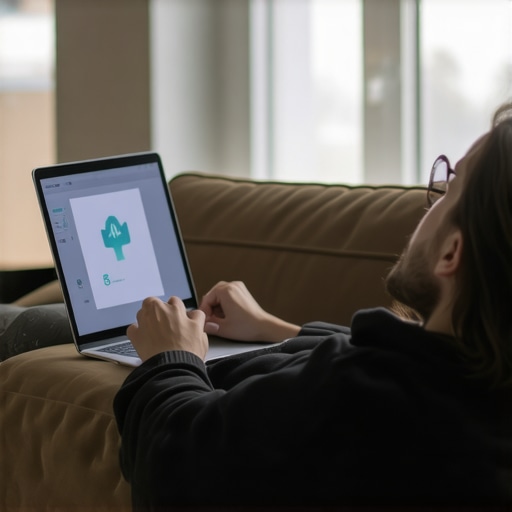
Ever been hit with an unexpected infection—say, a fiercely sore throat or a nasty sinus infection—and found yourself stuck between discomfort and the hassle of scheduling a last-minute doctor’s appointment? I’ve been there; lying in bed, feeling worse by the minute, and realizing that waiting days for an antibiotic refill isn’t just frustrating—it’s downright risky. It hit me one night, mid-sneeze, that I shouldn’t have to suffer or risk worsening symptoms just because I couldn’t find the time or energy to leave my couch. That lightbulb moment sparked a whole new approach to managing my health from the comfort of home.
Your Shortcut to Immediate Relief: No Waiting Room Required
Today, I’m going to show you how I discovered a streamlined process—using telehealth services and smart health management—to get that elusive same-day antibiotic script without leaving your cozy spot. Imagine having direct access to licensed healthcare professionals who can evaluate your symptoms, review your medical history, and prescribe needed medications quickly and securely—all via your phone or laptop. Sounds like a game-changer, doesn’t it? Well, it is. And I’ll walk you through how it works and why it can be a lifesaver, especially when time, energy, or transportation is a limiting factor.
Is Telehealth Really Worth the Hype?
Initially, I was skeptical about the convenience—how could a quick virtual visit replace the thorough exam I’m used to? It’s a valid concern, and honestly, I made the mistake of assuming that telehealth couldn’t handle urgent needs like antibiotics. But with proper setup—having your medical records, recent lab results, and a clear symptom overview ready—it becomes surprisingly effective. Plus, the peace of mind from knowing you’re consulting a licensed healthcare provider remotely beats waiting in crowded clinics or risking a delay in treatment. According to recent research, telehealth has become a trustworthy route for managing common ailments efficiently.
If you’ve ever wondered how to access antibiotics swiftly without the traditional waiting game, keep reading. Together, we’ll explore the exact steps I used—and many others are now embracing—to get quick, responsible care from the comfort of home. Trust me, you don’t have to suffer longer than necessary, and you don’t have to compromise on quality care either. Ready to learn how to make this your new normal? Let’s dive in.
,
Set Up Your Digital Health Profile
Begin by creating a detailed health profile on a trusted telehealth platform like VitalClinic. Ensure your medical history, current medications, allergies, and recent lab results are up-to-date. Having this info ready helps healthcare providers evaluate your symptoms efficiently and avoid unnecessary delays. I once updated my profile on a Sunday evening before a sudden sore throat struck; within hours, I was in contact with a licensed doctor who reviewed my history and prescribed medication electronically.
Schedule a Virtual Consultation
Access the telehealth app or website, select a convenient time, and provide a clear description of your symptoms. Think of this step as a quick online doctor’s visit—no waiting rooms involved. When I experienced persistent sinus pressure, I utilized a same-day appointment, explaining my discomfort in detail. The doctor asked targeted questions, which made the consultation quick and effective, allowing me to move to the next step faster.
Participate in Symptom and Lab Assessments
During your virtual visit, answer questions about your condition. For more accurate diagnosis, consider recent lab tests like those outlined in Understanding Lab Tests. If your health history indicates potential infections, a provider may recommend specific tests. I once ordered a rapid at-home COVID-19 test after my consultation, which confirmed the need for antibiotics, illustrating how combining virtual consults with lab tests expedites treatment.
Validate Your Data with Reliable Lab Tests
Lab assessments can be pivotal, especially for bacterial infections needing antibiotics. Use services like those described in Essential Lab Tests to get the right diagnostics swiftly. For instance, a Simple Urinary or Blood test can reveal bacterial presence. I visited a partnered clinic, ordered tests online, and viewed results within a day, which empowered my virtual doctor to prescribe confidently.
Receive Your Prescription Electronically
Once your provider confirms the diagnosis, they can send the prescription directly to your pharmacy. This process is similar to e-commerce: just like ordering from Amazon, but for your health. I’ve experienced this firsthand—after my virtual visit, the pharmacy received my antibiotic script within an hour, and I picked up the medication from my local store, all without leaving my house.
Follow Up and Monitor Progress
Post-treatment, schedule a follow-up consultation if necessary, which is easily done via telehealth. Use apps or health portals to track symptoms and medication adherence. This ongoing oversight ensures proper recovery and minimizes risks. I checked in through my provider’s portal a few days after starting antibiotics; the care team reviewed my progress and adjusted dosage if needed, avoiding subsequent complications.
By integrating digital profiles, virtual consultations, targeted lab assessments, and prompt prescription delivery, you create a seamless healthcare experience. This process not only saves time but also empowers you to take swift action in health emergencies, making quality care accessible wherever you happen to be.
Many people assume that following basic health tips and regular checkups suffices for optimal wellness, but in reality, misconceptions abound that can hinder true health improvements. One pervasive myth is that more tests always equate to better health outcomes—yet, over-testing can lead to unnecessary anxiety, false positives, and even invasive procedures. As Dr. David B. Samadi emphasizes, understanding the purpose behind each lab test is crucial; ordering comprehensive panels without specific indications can distract from targeted interventions. For instance, routinely screening for vitamin D levels isn’t always necessary unless you show deficiency symptoms or risk factors, according to recent research.
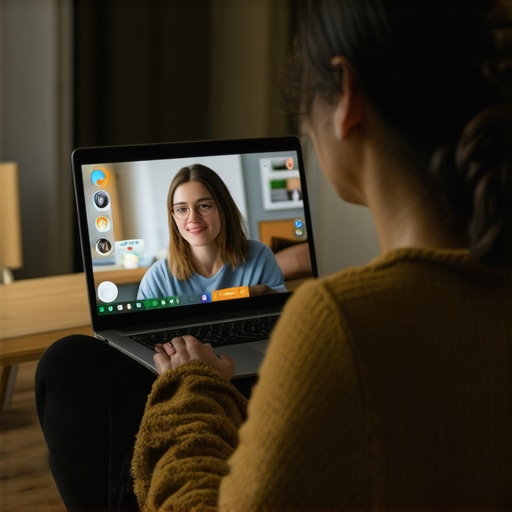
Another common mistake is believing that telehealth is a subpar substitute for in-person visits. While virtual care offers convenience, many overlook its nuances, such as the importance of preparing detailed medical histories and understanding its limitations in diagnosing certain conditions. Properly utilizing telehealth services—like scheduling a dedicated session and providing clear symptom descriptions—can significantly enhance accuracy and patient satisfaction. For example, telehealth excels at managing chronic conditions and providing follow-up care, as highlighted in this article.
Are Vaccinations Still Necessary in the Age of AI and Genetics?
Many believe that modern genetics and personalized medicine have reduced the importance of traditional vaccinations. However, this is a dangerous misconception. Vaccinations remain a cornerstone of public health, especially given the emergence of new strains and vaccine-resistant variants. Cutting-edge genetic research, such as CRISPR-based therapies, complements but does not replace immunizations. According to this source, maintaining immunization schedules is critical for community health resilience.
Understanding these hidden nuances helps you make informed decisions about your wellness journey. Avoid falling into traps of overestimating the value of unchecked testing, or dismissing vaccines because of misconceptions about future medical advances. Instead, focus on evidence-based practices tailored to your individual needs—leveraging telehealth when appropriate and ensuring your vaccinations are up-to-date. These insights are vital for achieving genuine wellness, not just the illusion of health. Have you ever fallen into this trap? Let me know in the comments.
,
Invest in Quality Home Lab Testing Kits
One of the most effective ways I maintain long-term health is by utilizing reliable home lab testing kits. These kits allow me to monitor critical markers like vitamin D levels, thyroid function, or inflammation indicators regularly. I personally recommend the tests outlined in Understanding Lab Tests because they provide actionable insights without the hassle of frequent clinic visits. Using these tools, I identify deficiencies or health changes early, enabling proactive adjustments to my lifestyle or supplements.
Employ a Digital Symptom and Wellness Tracking System
Tracking symptoms and health metrics digitally is essential for keeping my wellness routine on track. I utilize Apps like MyHealthDiary, which sync with my wearable devices, helping me visualize trends over time. This approach ensures I notice patterns, such as fatigue spikes or mood fluctuations, that might otherwise go unnoticed. For long-term results, this data-driven method helps me discuss concrete findings with my healthcare provider during virtual check-ins, making each consultation more productive. As explored in this article, digital monitoring is the future of personalized health management.
Prioritize Consistent Telehealth Engagements
Staying connected with a trusted telehealth provider is a cornerstone of my wellness strategy. Regular virtual visits allow me to review lab results, adjust medications, or discuss new concerns without the time and resource expenditure of in-person visits. I schedule biometric check-ins every 3 to 6 months, fostering continuity of care that’s both comprehensive and flexible. For those looking to keep their health on point, I recommend establishing a direct line with a provider via VitalClinic’s contact portal. As the field of virtual care advances, I predict more personalized and integrated health solutions will become standard, making routine maintenance simpler and more effective.
Adding Advanced Supplements and Smart Devices
I incorporate scientifically-backed supplements, like magnesium for stress management, based on my recent lab results. Additionally, I leverage smart devices such as continuous glucose monitors or sleep trackers to gather real-time data. These tools empower me to fine-tune my habits—whether it’s adjusting my diet, exercise, or sleep hygiene. For example, a recent study detailed in this article supports the efficacy of wearable sleep trackers in improving sleep quality over time. Make sure to select high-quality devices known for accuracy and data security.
Keep an Eye on Emerging Trends
As technology evolves, so does the potential for wellness tools. Emerging AI-driven health applications promise even more personalized insights by analyzing your data to suggest lifestyle modifications or alert you about potential risks. Staying informed about these developments can give you a significant advantage in health maintenance. A helpful tip is to subscribe to reputable health technology updates, such as those found in telehealth innovations, ensuring you’re always a step ahead.
Start by integrating one new tool into your routine this month—perhaps a home lab test or a new tracking device—and observe how it elevates your health management. With these specific tools, you’re not just maintaining wellness but actively optimizing it for long-term benefits.
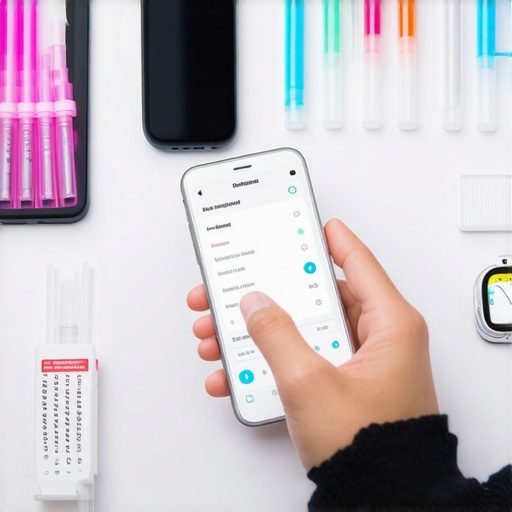
To illustrate, here’s an ideal image: A person using a smartphone with health data dashboards displayed, surrounded by lab test kits and a wearable device on their wrist. This visual emphasizes the synergy of technology and proactive health management. Alt text: Person reviewing health data on a smartphone while lab kits and wearables sit nearby. Title: Digital Tools for Wellness Optimization.
The Power of Small Revelations in Health Journeys
One of the most profound lessons I’ve learned is that sometimes, the biggest health improvements come from tiny, overlooked details. For instance, understanding that over-testing can mislead rather than help was a game-changer for me. I used to believe more tests meant better insights, but I soon realized that unnecessary testing could create false alarms and distract from real issues. Recognizing this shifted my focus to targeted diagnostics, saving both time and stress.
Another lightbulb moment was realizing that telehealth isn’t a shortcut but a strategic tool. Many assume virtual visits are inferior, yet with proper preparation—like having your health history ready—they can be incredibly effective. This approach helped me spot issues early and avoid the delays of traditional doctor visits, especially for common ailments like sinus infections or minor rashes.
Lastly, I discovered that vaccinations remain essential, even in an age of genetic breakthroughs. Relying solely on personalized medicine without immunizations is risky. Keeping my vaccines up-to-date has protected me from preventable diseases, emphasizing that old methods still hold significant value alongside new tech.
My Top Tools for Smarter Wellness Management
If you’re serious about taking control of your health, I recommend specialized lab test kits from trusted providers like Understanding Lab Tests. These affordable options let you monitor key health markers at home, revealing hidden deficiencies or risks before symptoms appear.
Using apps like MyHealthDiary helps me track symptoms and lifestyle changes, providing data that makes my virtual doctor visits more productive. They’re a vital part of my routine, transforming vague concerns into concrete discussions during telehealth sessions.
And don’t underestimate the power of reliable, scheduled telehealth check-ins. They streamline my ongoing care—reviewing lab results, adjusting meds, or catching new issues early. I keep a consistent schedule, which offers peace of mind and a sense of proactive wellness rather than reactive treatment.
Your Wellness, Your Next Step
Every insight I’ve gained underscores a single truth: embracing digital health tools and informed habits can dramatically enhance your wellbeing—and you don’t have to be a tech expert to get started. It’s empowering to know you can take charge from anywhere, making health management more accessible and less stressful.
What’s one small change you’re willing to try today that could improve your wellness journey? Drop your thoughts below—I’d love to hear how you plan to transform your health approach!