
The Better Way to Track Blood Pressure at Home
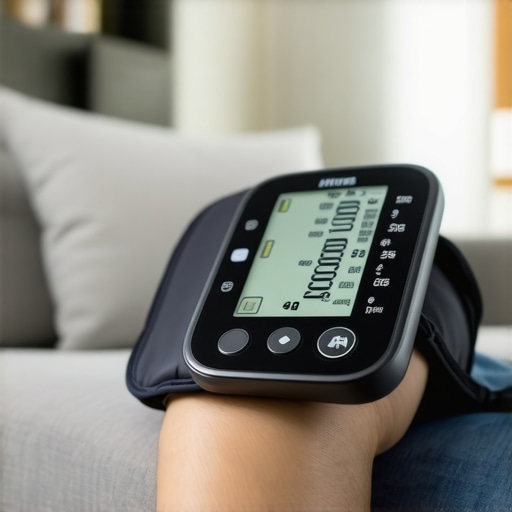
I still remember the moment it hit me—sitting in my living room, frustrated after another missed blood pressure reading, feeling a mix of confusion and helplessness. Despite my best efforts, I kept missing the mark, and I wondered: Is there a better way? That lightbulb moment led me to realize that tracking blood pressure shouldn’t be a hassle or a guessing game. If you’ve ever felt overwhelmed trying to stay on top of your health, you’re not alone.
The Frustration of Inconsistent Blood Pressure Monitoring
For many of us, managing blood pressure is a crucial part of staying healthy, especially if you’re dealing with hypertension or other heart-related concerns. But traditional methods—clunky cuffs, confusing readings, and inconsistent schedules—make it easy to fall off track. I used to think that as long as I checked once a week, I was good. Spoiler: That approach can give you a false sense of security.
Did you know that as many as 1 in 3 adults in the United States has high blood pressure, and a large portion goes undiagnosed? This silent risk underscores why accurate, easy, and consistent monitoring at home matters more than ever. Regular tracking can catch dangerous spikes early and help your doctor tailor your treatment plan more effectively.
Why Making Blood Pressure Tracking Easier Matters Right Now
With telehealth rapidly transforming how we engage with healthcare, there’s a perfect opportunity to overhaul the way we monitor our vital signs. Instead of hesitating or feeling guilty about missed readings, you can now leverage modern tools and techniques to keep an accurate pulse on your health—relaxing into a routine that empowers, not frustrates.
Early in my journey, I made the mistake of neglecting consistent checks because using traditional monitors felt cumbersome. That led me to explore new options, like smart blood pressure monitors and digital apps, which sync seamlessly and remind you to take readings. These small tweaks not only saved me time but also provided more reliable data, giving me peace of mind and confidence that I was managing my health properly.
If you’re tired of guesswork or struggling to keep your readings straight, the solution is closer—and more accessible—than you think. Ready to learn how to upgrade your blood pressure tracking and finally take control of your wellness? Let’s dive into the practical steps.
Set Up a Digital Blood Pressure Routine
Start by choosing a smart monitor with Bluetooth capability to sync your readings automatically to your smartphone. I purchased a device that connected seamlessly to an app, eliminating manual entries and reducing errors. To begin, I scheduled a 5-minute setup, linked the device to my health app, and set daily reminders to take readings. During my first attempt, I accidentally measured my blood pressure right after a workout, which temporarily inflated the numbers. This taught me the importance of consistency and timing. Make sure to measure at the same time each day, preferably in the morning after waking up.
Learn How to Correctly Use Your Monitor
Proper technique ensures accurate data. Sit comfortably with your back supported, feet flat on the floor, and arm supported at heart level. Avoid caffeine, smoking, or exercise for 30 minutes before measuring. I once skipped this advice and got falsely high readings, leading to unnecessary concern. Practice a few trial measurements to familiarize yourself with the device and ensure consistency. Keep a log of your readings, noting times and any factors like stress or physical activity that might influence results. Regularly calibrate your monitor according to the manufacturer’s instructions.
Implement a Data Review and Adjustment Strategy
Review your blood pressure logs weekly, focusing on patterns rather than isolated numbers. Use visualization features in your app to track trends over time. I found that my readings spiked during stressful workdays, prompting me to incorporate relaxation techniques before measuring. If necessary, discuss your data with your healthcare provider via telehealth services, such as those offered at VitalClinicMD’s telehealth platform. This way, you can fine-tune your lifestyle or medication plan without frequent clinic visits. The goal is to create an easy, automatic routine that integrates seamlessly into your daily life.
Remember, consistent, accurate data collection is the foundation of effective blood pressure management. Consider supplementing your routine with additional wellness checks or lab tests to identify underlying factors impacting your readings. Explore how regular lab testing can unearth hidden risks, or see how vaccination strategies might influence overall health at this resource. Mastering these steps will give you the confidence to proactively control your health and prevent issues before symptoms appear.While many people embrace telehealth, believing it’s a straightforward solution for all health concerns, the reality is far more complex. A common myth is that virtual care automatically provides comprehensive insights; however, without understanding the limitations of remote consultations or the nuances of lab timing, patients can miss critical signals. For instance, relying solely on telehealth for complex chronic conditions might overlook subtle symptoms that require an in-person assessment. In my experience, one trap is assuming that all lab tests are equally reliable when conducted at different times of day or under varying conditions—something detailed in recent studies highlighting diurnal variations in certain biomarkers.
Can telehealth truly substitute for comprehensive physical exams in advanced cases?
Many assume that virtual visits are sufficient for ongoing management, but neglecting the importance of in-clinic evaluations can delay diagnosis or misinterpret data. Additionally, there’s a misconception that all lab tests are equally sensitive; in reality, tests like fasting glucose or hormone levels can fluctuate based on factors like fasting duration or circadian rhythms, emphasizing the need for precise timing. Understanding these nuances can prevent costly mistakes and ensure you get a true picture of your health. For example, knowing which tests benefit from early morning collection can make a significant difference, supported by research from metabolic health experts. To navigate this landscape effectively, it’s vital to collaborate with providers who are aware of these details—something increasingly possible through telehealth platforms emphasizing personalized care. External links such as understanding lab test timing can help you grasp how to optimize your testing strategy. Remember, while technology offers convenience, it doesn’t replace the need for informed decisions grounded in medical nuance. Have you ever fallen into this trap? Let me know in the comments.
How Can I Maintain My Telehealth Routine Over Time?
Consistency is key to reaping the long-term benefits of telehealth, lab testing, and wellness monitoring. To ensure your system remains effective, invest in quality equipment like the Withings Body Scan smart scale, which syncs seamlessly with health apps and provides detailed body composition data. I personally rely on it because its bioelectric impedance analysis helps me track muscle mass versus fat—and it integrates effortlessly with my existing dashboard. Additionally, using impactful tools like telehealth platforms that prioritize user-friendly interfaces ensures I stay engaged without technological frustration.
Regular calibration of devices, maintaining updated software, and setting consistent measurement times—like first thing in the morning—help avoid data drift. Embracing automation is vital; I’ve set daily reminders on my phone to take readings, and automated data uploads reduce manual entry errors. Research indicates that structured routines augmented by reliable tools lead to better health outcomes, especially in chronic management scenarios. As telehealth technology advances, predictive analytics—powered by AI—are poised to offer even more personalized insights, making maintenance easier than ever.
Choosing the Right Equipment for Looking After Your Wellness
My toolkit includes a mix of home devices and digital habits. For instance, I prefer the Omron Platinum blood pressure monitor because of its cuff simplicity and app integration, which allows me to review trends over weeks. It’s crucial to select tools specific to your health goals; if managing blood pressure is your concern, invest in a monitor that provides research-backed accuracy (see lab test insights for calibration tips). Beyond hardware, I use secure cloud-based apps, ensuring my data stays private but accessible across devices—aligning with the latest privacy standards outlined in Privacy Policy.
Future trends suggest an increased reliance on wearable biosensors and AI-driven health coaching. Devices such as continuous glucose monitors and sleep trackers will become more integrated into daily routines, providing early warnings and personalized recommendations. This evolution will make maintaining wellness more intuitive and less intrusive, which excites me for what’s coming next.
Boost Your Long-Term Wellness with Smart Strategies
Incorporating regular lab tests and vaccinations into your ongoing care plan forms the backbone of comprehensive health management. I schedule periodic lab assessments before critical check-ins, such as routine wellness blood panels. These help identify hidden risk factors, ensuring that my interventions are timely and targeted. Virtual consultations with healthcare providers make it simple to review these results without the need for clinic visits, making adherence easier.
Don’t forget to stay current with vaccinations, which can greatly impact overall immunity and reduce the risk of preventable diseases. For example, scheduling flu shots in the early fall provides optimal protection during peak seasons, as discussed in immunity tips.
Finally, I recommend leveraging telehealth innovations to monitor medication effects and adjust doses remotely. This method ensures your treatment evolves with your lifestyle while minimizing disruptions. Maintaining your health arsenal means blending the right tools with consistent habits—making your wellness journey sustainable and effective. Try setting up a monthly review of your data, and explore how emerging smart devices can revolutionize your long-term health management.
Remember, staying proactive today secures your well-being tomorrow. Explore the options that resonate with your needs and take advantage of the latest innovations in telehealth and wellness tools to keep your health routine resilient and reliable.
Lessons That Changed How I Approach Telehealth and Wellness
- Patience Pays Off: I used to believe more frequent testing was always better, but over time, I learned that consistent, intelligently spaced check-ins yield more meaningful data. Recognizing when your body naturally fluctuates helped me avoid unnecessary worry and focus on real trends.
- Precision Matters More Than You Think: Playing around with timing and technique during blood pressure and lab tests revealed how small details—like fasting windows or measurement posture—significantly impact results. This taught me to communicate clearly with my providers and advocate for accuracy.
- Technology is a Double-Edged Sword: While devices and apps simplify tracking, relying solely on them without understanding their limits can be misleading. I found that educating myself about potential errors and calibration routines made my data more reliable and my health decisions more confident.
Tools That Became My Wellness Allies
- Telehealth Platforms: Easy access to expert advice and continuous monitoring transformed my approach, making adjustments seamless rather than stressful.
- Advanced Lab Test Kits: Specific tests helped me uncover underlying issues that routine screening often misses—crucial for preventative care.
- Personalized Vaccination Schedules: Staying ahead with customized plans protected me during travel and seasonal changes, giving peace of mind.
- Routine Wellness Check-ins: The consistency of scheduled reviews kept me motivated and prevented minor issues from becoming major concerns.