
The Hidden Cause of Your Constant Sugar Cravings

I remember the moment vividly—standing in my kitchen, door half-open, reaching for that second cookie, only to suddenly realize I wasn’t actually hungry. It wasn’t boredom, stress, or lack of willpower. It was something deeper—something my doctor hadn’t even tested for. That lightbulb moment hit me hard: my relentless sugar cravings might be signs of an underlying health issue that’s flying under the radar.
Why Your Body Keeps Calling for Sugar
Many of us struggle with those impossible-to-ignore sugar urges, but few realize the real culprit might be hidden inside us—specifically, nutritional deficiencies or hormonal imbalances. Instead of simply resisting the candy bowl, addressing these underlying causes can set you on a path toward genuine health. I’ve been there, and I can tell you, once I uncovered this secret, everything changed.
What’s more, recent studies reveal that persistent food cravings can be early signs of metabolic imbalances or vitamin deficiencies, making them more than just “bad habits” or emotional eating. For instance, a 2022 study found that low magnesium levels correlate strongly with increased sugar cravings and energy dips—a sneaky link that many overlook. Understanding these connections is crucial because it transforms your approach from mere willpower to targeted health strategies.
What We Will Uncover Today
In the upcoming sections, I’ll share practical insights from my own journey and expert guidance to help you identify whether hidden nutrient deficiencies or hormonal issues are fueling your cravings. We will explore how simple lab tests and virtual care options can reveal the real story behind your sugar addiction, enabling you to regain control and boost your overall wellness. If you’ve ever felt frustrated by your inability to cut back, even after trying every diet trick, this will be the turning point you’ve been waiting for.
Is All the Fuss About Lab Tests and Telehealth Worth It?
Early on, I dismissed the idea that simple blood tests could really make a difference. I’d made that mistake—assuming my cravings were just a matter of willpower. But I learned that accurate testing and understanding the root causes can be game-changers. Nowadays, accessing reliable lab diagnostics and virtual consultations has never been easier or more convenient, making it possible for anyone to take charge of their health without destructive guesswork or unnecessary visits. Want to see how these tools can transform your wellness journey? Check out why regular lab testing is crucial for your long-term health.
Order Targeted Lab Tests to Reveal Hidden Imbalances
Start by requesting specific lab tests that can uncover nutrient deficiencies or hormonal imbalances fueling your cravings. I recommend testing for magnesium, vitamin D, insulin resistance markers, and thyroid function. When I did my testing, I felt overwhelmed by all the options, but focusing on these key areas allowed me to pinpoint issues such as low magnesium and thyroid imbalance. You can schedule these tests easily through virtual care platforms, which send the lab orders directly to partner labs, saving you time and hassle. Remember, proper testing isn’t just about confirming a diagnosis; it’s about guiding personalized interventions that work. To understand more about the importance of precise lab diagnostics, check out this guide on understanding lab tests.
Implement Dietary Adjustments Based on Your Results
Once you identify deficiencies or hormonal issues, tailor your diet to address these gaps. For magnesium deficiency, incorporating nuts, seeds, and leafy greens can noticeably reduce sugar cravings over time. If tests reveal insulin resistance, reducing processed carbs and increasing fiber-rich foods helps stabilize blood sugar levels. I once started adding magnesium-rich foods after my test results showed deficiences, and within weeks, my sugar urges diminished significantly. Think of your body as a car; filling it with the right fuel improves performance and reduces breakdowns. Keep a food journal to track what works. For more detailed dietary strategies, explore vaccination and nutrition tips to complement your efforts.
Leverage Telehealth to Accelerate Your Wellness Path
Using telehealth services allows you to consult with healthcare professionals who can interpret your lab results and guide treatment plans remotely. Think of telehealth as having a healthcare expert in your pocket, available for quick advice and adjustments. During my recent session, my provider reviewed my lab panels and recommended a customized supplement plan, which I could easily order online. This approach is especially valuable when trying to implement new health strategies without the need for multiple in-office visits. Virtual care platforms also make it easier to stay consistent with follow-ups, ensuring your plan adapts as your needs evolve. For an example of how virtual care is transforming wellness, see this article on telehealth innovations.
Monitor and Adjust as You Go
Tracking your progress is crucial. Use simple tools like blood sugar diaries or health apps linked to your lab and dietary changes. Regular check-ins through telehealth can help you interpret ongoing results and refine your approach. During my journey, I kept notes on my cravings and energy levels, which my provider reviewed with me during virtual visits, making adjustments to my supplement doses and diet plans. Think of this as tuning a musical instrument—small tweaks over time produce harmonious results. Remember, your body’s signals can change; staying proactive ensures you’re always on the right track. To deepen your understanding of how ongoing monitoring enhances health, read this deep dive into lab testing.Many people believe they understand wellness, relying heavily on common advice like routine lab tests, vaccinations, and virtual appointments. However, the truth is, even seasoned health enthusiasts often get caught up in misconceptions or overlook critical nuances. One widespread mistake is assuming that all lab tests are created equal. In reality, selecting the right biomarkers—such as vitamin D, magnesium, or insulin resistance markers—is crucial for targeted interventions. Blindly trusting broad panels without understanding their context can lead to misdiagnosis or missed opportunities for preventive care.
Are Standard Tests Sufficient to Capture Your True Health Risks?
Research indicates that common tests may not reflect your metabolic or nutritional status accurately. For example, a comprehensive understanding of your lab results, like detecting subtle thyroid or hormonal imbalances, requires specific markers often skipped in routine panels. This oversight can cause persistent symptoms despite ‘normal’ results, reinforcing the importance of personalized testing strategies. Moreover, the misconception that vaccinations alone guarantee protection ignores the necessity of customized vaccination schedules based on individual health profiles and exposure risks. Utilizing telehealth services to interpret these tests and update vaccination plans ensures precision. Learn more about why regular, personalized lab testing is essential for effective wellness at this guide.
Keep It Working: The Tools That Make a Difference
Maintaining optimal health isn’t a one-and-done deal; it requires consistent effort supported by reliable tools and systems. Over the years, I’ve fine-tuned my wellness routine with equipment and methods designed to provide precise insights and practical action steps. These tools help me stay on top of various health metrics, ensure I catch issues early, and adapt strategies over time.
Why I Trust Continuous Glucose Monitoring Devices
For example, I personally use a Continuous Glucose Monitor (CGM) like the Freestyle Libre. It gives real-time data on my blood sugar levels, helping me understand how different foods, activities, and stress levels impact my physiology. Unlike periodic finger-prick tests, CGMs provide a comprehensive picture, enabling proactive adjustments to maintain stable levels, which is crucial for long-term wellness according to experts like Dr. Jason Fung.
Digital Lab Test Platforms: Making Precision Personal
When it comes to tracking nutrient deficiencies or hormonal imbalances, I rely on reputable virtual lab services that send integrated test kits directly to my home. These platforms—such as the ones associated with Vital Clinic—allow me to request specific panels like vitamin D, magnesium, and thyroid function. Their user-friendly interfaces and detailed reports support an informed approach without the inconvenience of traditional labs. As detailed in this comprehensive guide, choosing the right tests is essential for targeted intervention.
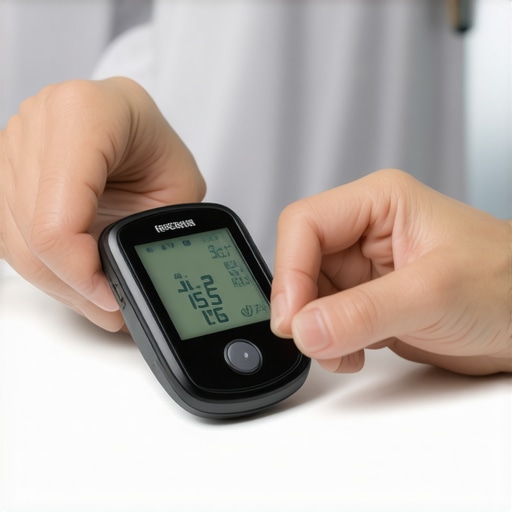
Image description: A person taking a finger-prick blood sample at home using a modern lancet device, with a lab test kit nearby, illustrating the convenience of at-home testing.
Apps That Keep Wellness Goals Front and Center
My smartphone is paired with health-tracking apps like MyFitnessPal and Apple Health, where I log food, sleep, and activity. Integration helps me see patterns and spot early signs of imbalance. Advanced features, such as syncing with my CGM data and lab results, make it easier to adapt habits dynamically. As the field moves forward, I predict wearable devices and AI-driven analytics will become even more personalized, encouraging real-time adjustments rather than reactive responses.
How Do I Maintain These Tools Over Time
To ensure consistency, I schedule monthly reviews of my health data. This habit keeps me aware of trends and prevents minor issues from escalating. Setting up automated reminders through your app ecosystem can help sustain this routine. Additionally, partnering with telehealth providers to interpret complex results ensures you’re not alone in managing your health — visits can be scheduled remotely, making follow-ups effortless, as discussed in this article. Regular calibration of devices like CGMs and periodic reassessment of lab panels is also key—technology evolves, and so should your approach. I recommend revisiting your preferred tests at least twice a year to adapt to life’s changes.
What I Wish I Knew Sooner About Personalized Care
One of the most eye-opening lessons I learned was that superficial testing often misses the subtle signs our bodies send about underlying issues. Instead of relying solely on routine panels, diving into specific biomarkers like magnesium or thyroid function changed my understanding of persistent cravings and fatigue. It taught me that personalized lab work isn’t just an extra step—it’s the foundation of effective wellness.
Another insight was the value of virtual care in making continuous health management achievable. Early on, I underestimated how telehealth could streamline complex treatment adjustments and give me immediate professional guidance without the hassle of appointments. Embracing this technology empowered me to stay proactive and adapt quickly to my body’s needs.
A third vital lesson involved shifting my mindset from reactive to preventative health. Regular monitoring with tools like continuous glucose devices and targeted lab tests revealed patterns I never would have noticed otherwise. It underscored that consistent vigilance, combined with expert interpretation, can prevent small issues from escalating into serious health concerns.