
How to Safely Update Your Tetanus Shot After a Minor Injury
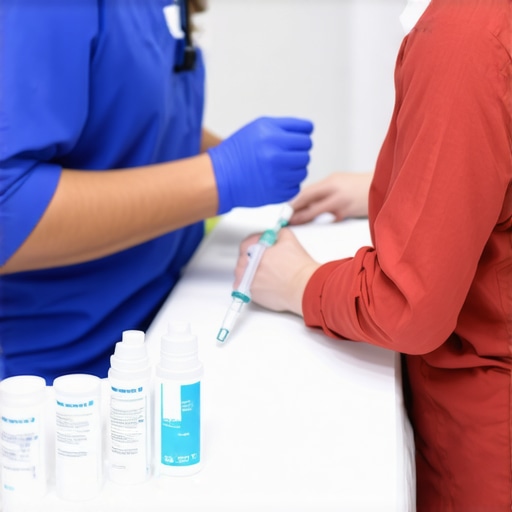
It was a typical Saturday afternoon, and I was helping my neighbor prune her overgrown backyard hedge when a rusty nail suddenly snagged my shoe and punctured my skin. For a moment, I froze—realizing how many times I’d ignored small cuts like this, thinking they weren’t worth the fuss. That lightbulb moment hit me hard: even minor injuries can pose a serious risk if I haven’t kept my tetanus shot up to date. It was a simple scrape, but the potential consequences of neglecting my vaccination history made me realize how crucial it is to handle these situations with care.
Why You Can’t Ignore Small Cuts or Scratches Anymore
When I looked into it, I found out that tetanus is caused by bacteria lurking in soil, dust, and manure—common culprits in everyday accidents. Surprisingly, according to the CDC, less than 20 cases of tetanus occur annually in the US, yet it remains a potential threat because the bacteria are so widespread. What really struck me was how quickly the infection can develop if your vaccine isn’t current. A tiny puncture wound from a rusty nail or even a cut from a playground slide can become life-threatening if not properly treated.
But here’s the tricky part: many people assume that a tetanus shot is only necessary after deep wounds or when working outdoors. That’s a misconception. The key is being proactive and knowing when to update your vaccination—even for minor injuries. I admit I made a mistake early on by neglecting my booster schedule, assuming I was protected enough. Trust me, this small oversight could have had serious consequences. Learning from my experience, I want to help you avoid the same mistake. Today, we’ll walk through how to confidently determine when and how to update your tetanus shot after any injury.
Is Getting a Tetanus Booster Really Worth It?
Many skeptics worry about unnecessary vaccinations or doubt the need for timely boosters. I get it—I used to think that way too. But the reality is that tetanus is a deadly disease that’s entirely preventable with a simple vaccine. Skipping boosters can leave you vulnerable, especially since immunity wanes over time. For example, if you haven’t had a booster in the last five years and sustain a minor scrape, it’s time to consult your healthcare provider.
To make informed decisions, I recommend checking reliable resources like [VitalClinic’s guide on vaccinations myths busting](https://vitalclinicmd.com/vaccinations-myths-busted-what-you-need-to-know-in-2025-at-1207-pm), which clarify common misconceptions. Remember, staying up to date protects not only you but also those around you, especially in our current health climate.
If you’ve faced the dilemma of a minor injury and are unsure whether your vaccination status is current, don’t worry. We’ll explore the steps to evaluate your needs and ensure you’re protected without unnecessary shots. It’s easier than you think, and your health is worth it.
Check Your Vaccination Timeline Immediately
Think of your immune system like a security system that needs regular updates to stay effective. When you get a small cut or scrape, it’s your body’s way of alerting you to potential vulnerabilities. To determine if your tetanus protection is current, locate your vaccination records or recall the date of your last booster. If you’re unsure, consult your healthcare provider or consider scheduling a quick assessment online, which can be efficiently done through telehealth services like telehealth. This step ensures you aren’t operating with outdated defenses.
Evaluate the Nature of the Injury
Not every scratch demands a shot—it’s about understanding the wound. Deep punctures or injuries contaminated with soil, rust, or manure pose higher risks, akin to a hidden threat lurking in the shadows. If your injury is shallow—like a superficial scrape from a scraped knee—you might be safe, but caution is key. If you’re unsure, consider using a lab test to assess your immunity or consult a health professional. Think of this process like a diagnostic scan that reveals hidden vulnerabilities before they become crises.
Update Your Immunity Through Smart Action
If your records show it’s been over five years since your last tetanus booster, don’t delay. The process is straightforward: schedule a visit or a virtual consultation via telehealth—more convenient than ever. During the appointment, your provider may recommend a booster shot, which is a quick, nearly painless injection. Imagine this like updating the software on your phone—simple, fast, and essential for optimal performance. To streamline this, many clinics now offer online booking and rapid vaccination slots, especially in urban centers.
Leverage Lab Tests for Long-term Assurance
To avoid unnecessary vaccinations or identify deficiencies early, consider periodic lab testing. These tests are like detailed health reports that can detect yes or no about your immunity, allowing you to tailor your wellness plan. For example, regular wellness checks can keep your protection strategies sharp and personalized. Think of lab testing as a financial audit, but for your health—spotting issues before they escalate.
Utilize Telehealth for Next-Level Convenience
From the comfort of your home, consult with certified practitioners to review your injury and vaccination needs. Telehealth platforms enable you to share medical history, symptoms, and concerns quickly and securely—without the hassle of waiting rooms. It’s like having a medical expert in your pocket, ready to guide you through every step, from assessment to vaccination scheduling. As telehealth innovations transform healthcare, ensuring your protection becomes more accessible and less stressful.
Many believe that getting lab tests or using telehealth services is a straightforward process—simply order, wait, and interpret the results. However, this oversimplification can lead to critical misunderstandings. For instance, a common myth is that all lab tests are created equal; in reality, some tests are more sensitive and specific than others, and choosing the wrong ones can obscure underlying health issues. According to a study published in the Journal of Clinical Pathology, properly selected biomarkers significantly improve early disease detection rates, emphasizing the importance of understanding test nuances.
Another misconception is that wellness is solely about reaching target numbers on standard panels like cholesterol or blood sugar. While these are important, they often fail to reveal deeper issues such as micronutrient deficiencies or inflammation markers, which can be overlooked without comprehensive testing. Regularly reviewing these less obvious indicators can be a game-changer, as detailed in our article on why regular lab tests are essential for your wellness journey.
When it comes to telehealth, many assume virtual visits are inferior to in-person consultations. This couldn’t be more off the mark. Telehealth not only increases accessibility but also allows for continuous monitoring, especially through innovative platforms that offer combined testing and virtual follow-ups. As highlighted in how telehealth is revolutionizing personal care, many patients experience better health outcomes by maintaining consistent, remote communication with their providers.
A particularly insidious trap is believing vaccinations and lab testing are only relevant during specific episodes of illness or injury. This approach neglects the preventive potential of these services. For example, combining vaccinations and lab tests effectively can significantly enhance your immune resilience.
But what about those advanced cases where your blood work appears normal, yet you feel unwell? Here lies the danger of misinterpreting Maintaining your health tools and routines over the long term requires more than just initial setup; it demands a strategic approach combining reliable equipment, thoughtful software solutions, and adaptive methods. Personally, I rely on a combination of digital health journals like Apple Health and Fitbit’s advanced sleep tracking, which provide real-time data that I review weekly. These tools enable me to spot trends in my wellness—such as fluctuations in activity or sleep quality—and adjust accordingly. For example, Fitbit’s detailed sleep analysis has helped me identify the need for earlier bedtimes, thereby improving my overall energy levels.
Investing in a high-quality blood pressure monitor, like the Omron Platinum, offers consistent, accurate readings right at home. I prefer this model because it syncs seamlessly with my smartphone, allowing me to log data effortlessly and share it with my healthcare provider during virtual visits—an integration crucial for ongoing management of chronic conditions.
Regarding lab tests, I schedule comprehensive wellness panels biannually through telehealth services. This proactive approach helps me track key markers, such as vitamin D and inflammatory levels, well before they manifest as symptoms. Platforms like VitalClinic streamline these processes; they coordinate testing with labs and interpret results, saving me time and reducing the risk of misreading data.
Prediction for the future points toward increasingly personalized health monitoring systems. Wearable devices will evolve to automatically trigger lab tests when anomalies are detected, creating a closed-loop wellness ecosystem. This innovation could dramatically reduce emergency interventions and foster preventive care.
So, how do I maintain these tools and routines over time? I set annual reviews of my health data and optimize my algorithms—like updating app settings or calibration of my monitors—to ensure precision. Additionally, I allocate quarterly time to evaluate new technology or improved software features that could enhance my tracking capabilities.
One tip I highly recommend trying: sync your wearable device with a digital health journal and review the data every month to identify subtle changes. This habit makes deviations from your baseline more noticeable, enabling proactive interventions.
Remember, the key to sustained wellness isn’t just in having advanced tools but in consistently engaging with the data they provide. Start by setting a review schedule today, and you’ll be surprised at how much more empowered you’ll feel in managing your health.
Lessons from My Journey to Smarter Health Choices
One of the most eye-opening lessons I learned is that even minor oversights, like neglecting a tetanus booster, can have outsized impacts. It taught me to treat every health detail with the respect it deserves, knowing that prevention often trumps cure. Another insight is that trusting technology—whether lab testing or telehealth—requires engagement and understanding, not just clicking through processes. Embracing continuous learning about your body’s signals and staying proactive with updates have been game-changers for me. Lastly, I’ve discovered that personal health can be a collaborative journey, pairing expert advice with your own observations, leading to more personalized and effective wellness strategies.