
Why Virtual Consultations Are the Best Fit for Chronic Skin Care
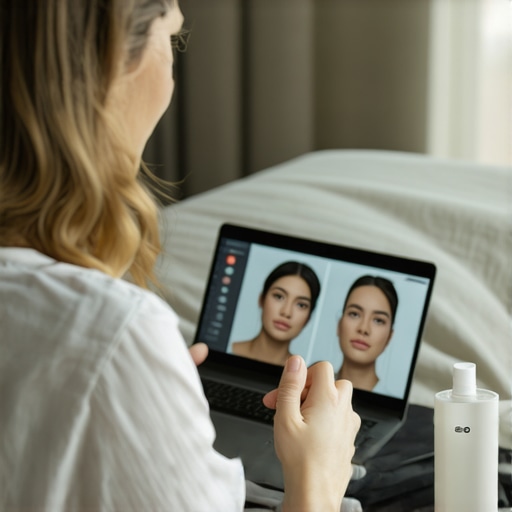
I’ll never forget the afternoon I realized I was spending more time in waiting rooms than I did enjoying my own home. The frustrating hours, the inevitable cancellations, and the constant feeling that my skin issues were falling through the cracks because traditional appointments just didn’t fit my busy life. That lightbulb moment made me question: could there be a better way to manage chronic skin conditions? And guess what? There is—and it’s called virtual consultations.
Discovering the Power of Telehealth for Skin Care
As someone who’s navigated the ups and downs of persistent skin issues, I know firsthand how challenging it can be to get consistent, personalized care. Chronic skin conditions often require regular monitoring, adjustments to treatment plans, and quick communication with your healthcare provider. Yet, the constraints of in-person visits—time off work, travel, and waiting-room anxiety—can make it seem impossible to stay on top of your skin health. That’s where telehealth truly shines. Virtual care allows you to connect with your dermatologist or skin specialist from the comfort of your home, saving you hours and stress while ensuring you don’t fall behind on your treatment goals. The convenience is impressive, but the benefits run deeper—less exposure to germs, more flexible scheduling, and quicker responses to flare-ups or concerns.
Is Virtual Skin Care Actually Worth the Hype?
Early in my journey, I made the mistake of believing that virtual consultations couldn’t possibly match the depth of in-person exams. I worried about missing subtle signs or not getting a proper diagnosis. But I learned that with high-quality video technology and detailed communication, my doctor could evaluate my skin thoroughly. It’s vital to choose providers who understand how to leverage telehealth effectively; they’ve honed ways to assess visual cues and guide you through self-examinations. Plus, ongoing innovations now include tools like high-resolution imaging and even at-home testing kits, making virtual skin care more comprehensive than I initially thought. According to recent telehealth insights, the use of virtual appointments has surged, especially for chronic conditions, because both patients and doctors see the real value in ongoing, accessible care.
If you’ve ever felt that your skin concerns were slipping away because appointments were too cumbersome or sporadic, you’re not alone. Many of us have faced similar frustration. The good news is that through virtual consultations, managing chronic skin conditions becomes more feasible, consistent, and responsive. Ready to explore how this approach can fit into your wellness routine? Let’s dive into practical steps to get started and ensure you’re getting the care you deserve without the hassle of traditional visits.
Schedule Your First Virtual Consultation
Begin by choosing a reputable telehealth provider that specializes in skin or wellness care. During my initial experience, I booked a virtual appointment through this platform, which offers easy online scheduling and comprehensive service options. Before the call, prepare a list of your symptoms, recent treatments, and questions. Use a well-lit, quiet space for the consultation, ensuring your device camera captures your skin clearly. Just like a in-person visit, quality visuals are crucial—high-resolution camera and proper lighting make a difference. My first attempt was a bit messy—I forgot to adjust the lighting, causing some shadows—which challenged my doctor’s assessment, but they compensated by asking detailed questions.}>
Many assume that virtual healthcare and preventive measures are straightforward and universally effective. However, this oversimplification can lead to overlooked nuances and potential pitfalls. For instance, a common myth is that all online consultations are equally comprehensive. In reality, the quality of telehealth services varies significantly depending on the provider’s technology, training, and protocols. High-quality platforms leverage advanced image resolution, secure data handling, and innovative tools to ensure thorough assessments. Failing to distinguish reputable services can result in missed diagnoses or inadequate care, especially for nuanced conditions like hormone imbalances or chronic skin issues.
Another misconception pertains to vaccination planning. Many believe that getting vaccinated is a one-and-done event. Yet, optimal immunization involves tailored schedules based on individual health status, lifestyle, and even lab test results. Overlooking this personalized aspect may leave gaps in immunity, especially with vaccines that require boosters or specific timing relative to other health factors.
Furthermore, some think wellness is merely about avoiding illness, but true wellness includes proactive, data-driven strategies. For example, regular wellness checks and lab tests can uncover hidden risks—like subclinical deficiencies—that ordinary symptom-based visits might miss. An advanced mistake is assuming standard tests are enough; yet, specialized panels can detect early signs of issues like inflammation or hormonal imbalance, allowing for preemptive management.
Beware of the trap where individuals believe that all lab results are cut-and-dried. In reality, understanding how to interpret markers like CRP, vitamin D, or thyroid panels requires expert insight. For example, a slightly elevated liver enzyme may not signify a problem unless contextualized within overall health status, lifestyle, and specific lab reference ranges. Misreading these can lead to unnecessary anxiety or missed opportunities for intervention.
Now, an advanced question: How do variations in testing methods influence diagnosis accuracy? Studies show that different lab techniques can yield slightly different results, affecting clinical decisions significantly. Leveraging knowledge about these sensitivities—like comparing high-precision testing versus standard methods—can provide a more comprehensive picture. To dive deeper, check out this guide on interpreting lab tests.
In summary, the hidden nuance in telehealth, vaccinations, wellness, and lab tests lies in recognizing the subtleties—such as provider quality, personalized schedules, data interpretation, and testing methodologies—that can significantly influence health outcomes. Avoiding these common traps requires a knowledgeable approach and a willingness to go beyond surface-level assumptions.
Have you ever fallen into this trap? Let me know in the comments!
Tools I Recommend for Long-Term Wellness Maintenance
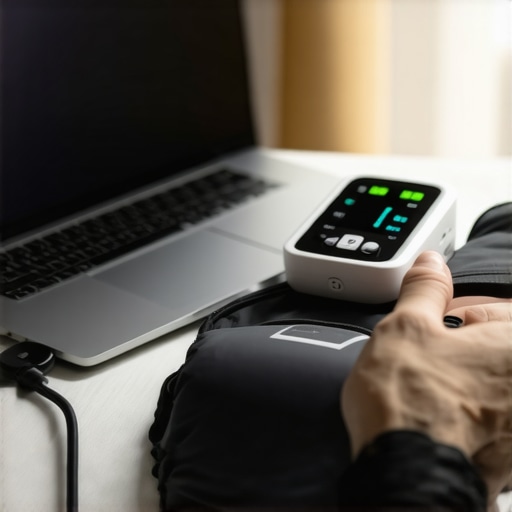
Maintaining your health and wellness over time requires more than just occasional check-ins; it demands reliable tools and consistent routines. As someone deeply immersed in virtual health management, I rely on specific equipment and software that ensure accuracy, convenience, and continuity. Using high-quality devices like the Omron Platinum Blood Pressure Monitor has been pivotal. Its Bluetooth connectivity allows me to track trends seamlessly and share data effortlessly with my healthcare provider, optimizing my hypertension management. For lab testing, I prefer at-home testing kits from reputable brands that provide detailed instructions and accurate results, critical for precise vaccination planning and wellness assessments. These tools reduce the guesswork and help catch subtle health changes early, reinforcing my proactive approach.
In terms of software, I recommend my telehealth platform of choice that integrates secure messaging, appointment scheduling, and health record management. It ensures I stay connected with my providers, access test results promptly, and get timely advice without the hassle of traditional visits. As telehealth continues evolving, advanced features like AI-powered symptom checkers and virtual health coaching are likely to become standard, further enhancing personalized care.
How do I maintain wellness tools over time?
Consistency is the secret. I schedule regular checks of my devices to ensure they function properly—replacing batteries, updating software, and calibrating sensors as needed. For instance, I update my blood pressure cuff firmware annually to leverage improvements in accuracy. I also stay educated by reviewing my test results via trusted platforms and adjusting my routines accordingly, such as modifying diet or supplement intake. Keeping a wellness journal, combined with digital tracking, helps identify patterns and informs future consultations. Staying engaged and proactive with these tools makes long-term management more effective and less stressful.
Forecasting the future of health technology, I believe wearables and AI-driven analytics will become even more integrated, providing real-time insights that empower users to intervene early. For example, continuous glucose monitors or fitness trackers that interface with telehealth services could revolutionize chronic condition management, making care more personalized and timely.
Embrace the High-Tech Approach
If you’re ready to level up your health routine, start by investing in a reliable blood pressure monitor and setting up your preferred telehealth platform. Regularly reviewing your lab results and maintaining your equipment will help you catch issues early and make informed decisions. Remember, proactive maintenance of your health tools isn’t just about equipment—it’s about cultivating a mindset focused on prevention and empowerment. For an actionable step, try calibrating your blood pressure device today and integrate it with your telehealth app for seamless monitoring.
Are you utilizing the right tools to support your wellness journey? Share your experiences or questions below—your feedback can inspire others to take control of their health.
Lessons I Wish I Didn’t Have to Learn
One of the most impactful lessons was realizing that not all virtual care offers the same depth—some platforms truly prioritize comprehensive assessments, while others cut corners, risking missed diagnoses. Recognizing the importance of choosing reputable providers saved me from future missteps.
I discovered that personalized vaccination schedules and lab tests are vital—standard protocols rarely address individual nuances. Tailoring these to my unique health profile made all the difference in effective prevention and treatment.
Another lightbulb moment was understanding that modern telehealth isn’t a mere convenience but a paradigm shift in proactive wellness management. Embracing this mindset transformed my approach from reactive to anticipatory care, ultimately empowering me to take control of my health journey.
Tools That Transformed My Approach
Reliable home lab testing kits from trusted brands have been game-changers—providing detailed insights that inform my health decisions without constant clinic visits. Pairing these with a high-quality blood pressure monitor, like the Omron Platinum Blood Pressure Monitor, keeps my readings consistent and actionable.
My preferred telehealth platform offers seamless integration of my health records and appointment scheduling. Regularly reviewing my results through such resources helps me stay on top of subtle shifts, allowing for early interventions. For in-depth information, I recommend checking out how telehealth is transforming personal care.
Dare to Take Charge of Your Wellness
Taking control of your health through virtual care and personalized testing isn’t just a trend—it’s a powerful shift towards sustainable wellness. By integrating these tools and insights into your routine, you’re investing in a healthier, more resilient future. Remember, the journey begins with a single step—whether it’s booking your first virtual consultation or calibrating your home devices.
What’s been your biggest challenge or aha moment with telehealth or wellness testing? Share below—I’d love to hear your stories and support your health transformation.
,