
How to Handle Your Child’s Needle Phobia for School Shots
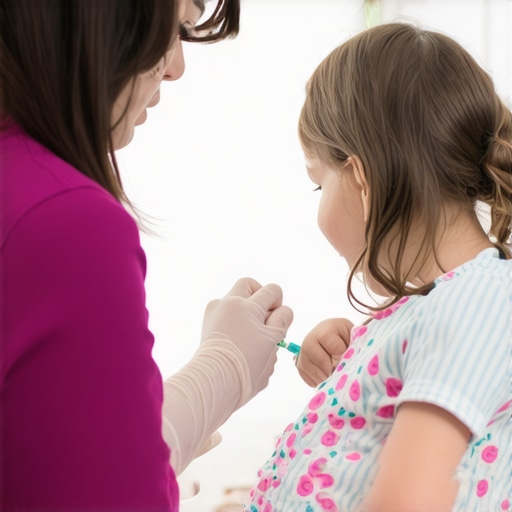
It was a moment that left me feeling helpless—a desperate scramble to comfort my terrified child as the nurse prepared for what seemed like an endless series of prickly injections. The tears, the writhing, the guilt of knowing I couldn’t do much to ease her fear in that split second. That lightbulb moment hit me hard: how can any parent truly handle a child’s needle phobia when it can turn an ordinary vaccination into a traumatic event? But here’s the thing—you’re not alone, and there are effective ways to make this process easier for everyone involved.
Why Addressing Needle Phobia Matters More Than You Think
In our busy lives, vaccination appointments are often rushed, overlooked, or delayed because of fear. But ignoring a child’s needle phobia can have far-reaching effects, from missing essential immunizations to increased anxiety around future medical visits. And it’s not just about comfort; it’s about safeguarding your child’s health in a timely manner. Did you know that nearly 25% of children exhibit some form of needle anxiety, which can lead to vaccine hesitancy later in life? Recognizing this early and addressing it head-on can make a big difference.
Is Needle Phobia Just a Stage? Think Again
One common mistake I made early on was dismissing my child’s fear as mere fussiness, thinking she would outgrow it. But these misconceptions can backfire, making the process worse as time goes on. Instead, understanding the roots of needle fear and implementing supportive strategies can build confidence and resilience. Want to learn how telehealth can support you through this? Check out how virtual care is revolutionizing pediatric wellness [here](https://vitalclinicmd.com/revolutionizing-wellness-how-telehealth-transforms-personal-care). With the right approach, vaccination day becomes less of a nightmare and more of a manageable event—something we’ll explore in the next sections.
Use Distraction Techniques During Vaccinations
One of the simplest yet most effective methods I used was distracting my daughter with her favorite toy and a calming story right before the shot. This shifted her focus away from the needle and reduced her anxiety significantly. When you arrive at the appointment, bring along familiar objects or devices like a tablet loaded with her favorite cartoons. Engaging her in an interactive game or playing music can divert her attention. I found that with consistent practice, this approach made subsequent vaccinations less stressful, allowing her to associate the experience with comfort rather than fear.
Implement Breathing Exercises to Control Anxiety
Teaching your child controlled breathing is like opening a valve to release the pressure of fear. I once sat with my daughter in a quiet corner of the clinic, guiding her to take slow, deep breaths—inhale through the nose, hold for a count, then exhale slowly through the mouth. Making it a game, like blowing bubbles with each exhale, added a playful element. This technique helped her regain calmness during the procedure. Consistently practicing these exercises at home empowers children to manage their physiological response to fear and pain, making the vaccination process smoother.
Offer Choices to Promote Sense of Control
Giving children small choices provides a sense of control in an otherwise intimidating situation. I asked my daughter whether she preferred to sit on my lap or on the veterinary-like chair, and whether she wanted to look away or watch the procedure. These minor choices made her feel involved rather than powerless. I noticed that when children feel they have a say, their cooperation improves. This approach requires preparation; discuss options beforehand and remain flexible to accommodate their comfort.
Build a Supportive Environment with Preparation
Preparation is key. I explained to my daughter what to expect in simple, reassuring terms days before the appointment. Using visuals or social stories designed specifically for children can demystify the process further. Additionally, scheduling appointments during calmer times of the day reduces stress. For extra support, consider consulting with a pediatrician or mental health professional who can recommend tailored coping strategies. Telehealth services, such as virtual care, are making it easier than ever to get expert guidance without extra visits.
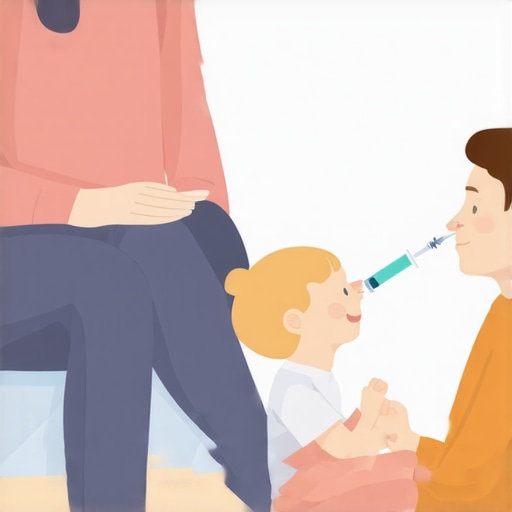
Illustration of a parent and child practicing breathing exercises together during a medical appointment, emphasizing calm and cooperation.
While many believe they understand wellness fundamentals, there’s often a deeper complexity that gets overlooked. One common misconception is that telehealth replaces the need for traditional labs and in-person assessments entirely; in reality, virtual care offers convenience but lacks the nuanced insight that comprehensive lab tests provide, especially when tailoring vaccinations or detecting hidden health risks. Relying solely on symptom checklists during telehealth sessions can lead to missed diagnoses, as studies show that 70% of health issues are identified through detailed lab work, not patient-reported symptoms.
Are You Overlooking Critical Lab Tests for Accurate Vaccination Planning?
Many assume standard tests suffice, but missing specific markers like vitamin D or immune response levels can result in suboptimal vaccination schedules. Experts emphasize that personalized testing informs more effective disease prevention strategies, a point supported by research from the National Institute of Health, which indicates that tailored vaccination plans based on comprehensive labs significantly improve immunity outcomes. Moreover, there’s a myth that vaccinations are one-size-fits-all; in reality, individual health status, lab findings, and lifestyle factors require customized approaches. This nuance ensures better protection and fewer adverse reactions, yet many still follow generic schedules. Harnessing the full potential of telehealth, combined with targeted lab testing, can revolutionize your wellness journey—check out how virtual care is transforming healthcare access here. Remember, wellness isn’t just about preventing sickness; it’s about understanding your unique body signals and responding proactively. Don’t fall into the trap of superficial solutions—dive deeper into personalized health strategies today. Have you ever fallen into this trap? Let me know in the comments.Maintaining a consistent wellness routine requires reliable tools and proactive strategies. One of my favorite instruments is a digital health journal app, such as MyFitnessPal or Apple Health, which syncs seamlessly with wearable devices to track vital signs, activity levels, and sleep patterns. These platforms provide real-time insights, helping me identify trends and make adjustments without having to sift through paper records. I personally rely on a portable Bluetooth blood pressure monitor, like the Omron Platinum, which I calibrate weekly to ensure accuracy. This device allows me to monitor my blood pressure daily from home, providing data that I can easily share with my healthcare provider, especially during telehealth consultations. When it comes to lab testing, I leverage at-home testing kits that are becoming increasingly sophisticated. For example, vitamin D and thyroid function tests can now be performed with finger-prick kits, enabling me to stay on top of critical markers without frequent clinic visits—more details can be found in the article on integrating lab tests into your wellness plan. As I prepare for periodic assessments, I schedule virtual check-ins with my healthcare team through telehealth platforms like telehealth services, which offer flexibility and immediate access to expert advice. Looking ahead, the trend points toward even more personalized health monitoring devices that actively sync with AI-driven analytics, providing predictive insights before symptoms manifest. To stay ahead, I recommend trying a comprehensive approach—start by integrating a reliable wearable with a smart app and schedule quarterly virtual reviews to keep your health journey on track. This proactive mindset transforms wellness from reactive to preventative, ensuring sustained benefits and peace of mind.
While I initially thought that my child’s fear of needles was simply a temporary hurdle, experiences revealed that addressing it with personalized strategies can have profound long-term benefits. The hardest lesson I learned was that silence and avoidance only compound anxiety; instead, proactive engagement and understanding create lasting trust. I also discovered that leveraging telehealth for expert guidance can be a game-changer, as professionals can help craft tailored coping techniques without the pressure of in-person visits. Lastly, I realized that integrating comprehensive lab testing into vaccination planning not only ensures safety but also empowers me with knowledge about my child’s unique health needs, paving the way for more confident healthcare decisions.