
How to Fix Your Sleep Schedule Without Using Melatonin
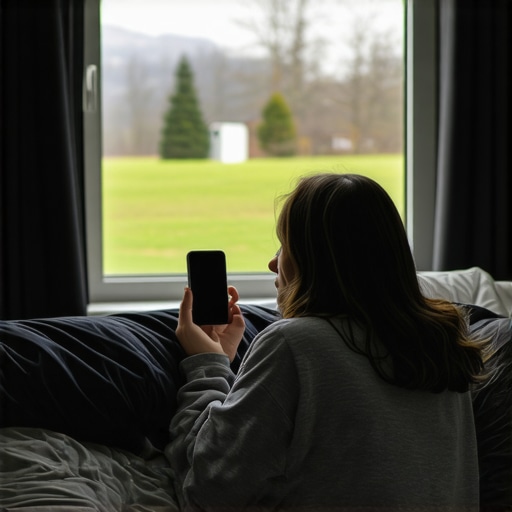
I remember the exact moment I realized my sleep schedule was a mess. It was after a string of restless nights, dragging myself through the day, and finally checking my lab results. The number on the screen that caught my eye was a surprisingly high cortisol level—an alarming sign that my body’s stress system was out of whack. I had relied on over-the-counter melatonin to get some rest, but I soon learned that masking the problem with supplements wasn’t the answer. That lightbulb moment made me realize I needed a different approach—something sustainable, natural, and backed by real understanding of my body.
Why Fixing Your Sleep Without Melatonin Changes Everything
In my journey to better sleep, I discovered that many of us latch onto quick fixes like melatonin, hoping for immediate relief. But here’s the thing: our bodies have intricate rhythms influenced by lifestyle, nutrition, and even how we manage stress and exposure to natural light. Relying solely on melatonin might seem convenient, but it often ignores these underlying factors. Plus, long-term use can sometimes disrupt your natural production, which defeats the purpose. So, I leaned into strategies that addressed the root causes—things you can do without popping pills—because feeling energized during the day is worth the effort.
Does Fighting the Sleep Battle Naturally Really Make a Difference?
Early on, I made the mistake of thinking that just adjusting my bedtime was enough. I wasn’t paying attention to my lab results or how my daily habits affected my circadian rhythm. It wasn’t until I explored resources like understanding lab tests that I realized the importance of personalized insights. Your sleep is a complex puzzle, and one-size-fits-all solutions rarely cut it. The good news? There are practical, non-pharmaceutical strategies that can recalibrate your internal clock—and I’ll share them soon.
So, have you ever felt frustrated because, despite trying everything, your sleep still feels off? If yes, you’re not alone. The key is to understand what’s really going on inside your body. That understanding allows you to tailor your approach and finally find relief—without relying on melatonin every night. Ready for the concrete steps? Let’s dive into what worked for me and, hopefully, can work for you too.
Pinpoint Your Unique Sleep Triggers with Targeted Lab Tests
Start by identifying underlying health factors impacting your sleep. Book a comprehensive lab panel that assesses hormone levels, inflammation markers, and nutritional deficiencies—this provides a roadmap tailored to your needs. During my own journey, I ordered my tests through a telehealth service, which simplified the process—no need to visit a clinic. Once you receive your results, interpret them alongside resources like lab test explanations to understand what they reveal about your sleep issues. For example, I discovered my vitamin D was low, which contributed to fatigue and disrupted sleep, prompting me to adjust my supplementation and lifestyle accordingly.
Leverage Telehealth for Expert Insights and Continuous Monitoring
Virtual consultations allow you to discuss your lab results directly with healthcare professionals. They often act as a bridge, providing personalized advice without the hassle of in-person visits. Consider scheduling regular virtual check-ins via platforms like those described in telehealth innovations, ensuring your sleep plan adapts as your health evolves. I used telehealth to follow up on my cortisol levels, adjusting stress management strategies in real-time, which led to noticeable improvements. Think of telehealth as your remote coach—accessible, responsive, and designed to keep your health on track, especially when managing complex issues like sleep disturbances.
Customize Your Wellness Approach Using Data and Tech
Pair your lab insights with tracking tools—like sleep monitors or mood journals—to get granular data. This approach is akin to having a dashboard that reveals patterns and triggers you might not notice otherwise. For instance, I linked my wearable device data with my lab results, discovering that poor sleep coincided with high evening cortisol spikes. This understanding empowered me to tweak my evening routine, reducing stressors and optimizing my environment. Remember, technology is an ally; it provides actionable insights, making adjustments more precise and effective.
Adjust Lifestyle Habits Based on Evidence
Use your personalized data to refine your daily habits. If your labs indicate nutritional gaps, incorporate foods or supplements to bolster deficiencies. If inflammation markers are elevated, focus on anti-inflammatory diets and stress reduction. I incorporated more magnesium-rich foods after detecting a deficiency, which significantly decreased muscle cramps and improved sleep quality. Implement routines that promote natural circadian rhythms—like consistent sleep times, daylight exposure, and limiting screen time before bed. These small tweaks, grounded in your data, compound over time, gradually restoring your sleep balance.
Integrate Community and Continuous Learning
Stay engaged with online wellness communities or expert blogs, such as wellness check insights or vaccination tips, to refine your approach. Sharing experiences and gaining new strategies keeps you motivated and informed. For example, I engaged with an online forum where others shared how personalized lab testing helped them identify intolerances and adjust their diet—translating directly into better sleep and energy levels.
Remember, improving sleep naturally is a process rooted in understanding your body’s unique signals. Accurate testing, ongoing virtual guidance, smart use of technology, and lifestyle tweaks rooted in data form the core of this approach. Each step builds upon the last, gradually untangling the web of factors disrupting restful nights.
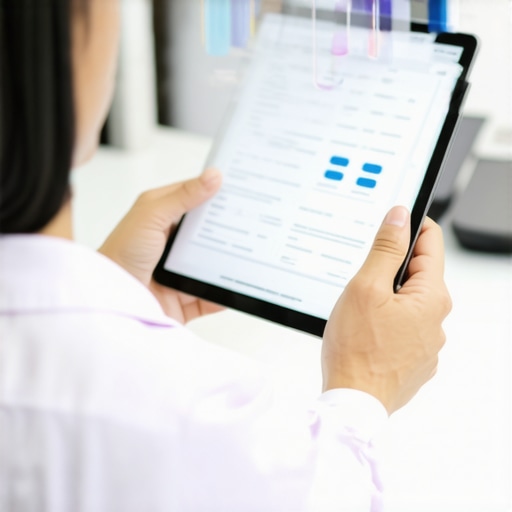 Many individuals assume that lab tests, wellness routines, vaccinations, and telehealth are straightforward tools that provide clear-cut answers. However, there’s a common misconception rooted in oversimplification. For example, people often believe that a single lab panel can diagnose all underlying health issues, but in reality, many crucial markers are overlooked unless specifically targeted. This oversight can lead to a false sense of security or missed risks. It’s essential to recognize that not all tests are created equal; some are more sensitive and predictive than others. For instance, a standard lipid panel might miss early signs of cardiovascular risk, which specialized tests can reveal—highlighting the importance of choosing the right diagnostics. Moreover, many tend to see vaccinations as a one-size-fits-all solution, ignoring the nuanced personal schedules and immunity statuses that require tailored plans. Personalized vaccination schedules, based on detailed histories and lab insights, enhance protection and reduce unnecessary shots. When it comes to telehealth, a widespread myth is that virtual care is merely a convenience, but its true power lies in providing continuous, accessible, and personalized insights that traditional clinics can’t match—see how telehealth’s transformative role is evolving.
The danger of these misconceptions is significant. Oversimplifying complex health tools can result in missed early warnings or inappropriate interventions. For example, many don’t realize that lab results can vary based on multiple factors like timing, fasting state, or even recent activity, which can distort interpretations. An advanced mistake is relying solely on generic reference ranges without considering individualized baselines—this can lead to unnecessary anxiety or overlooked issues. To avoid these pitfalls, seek personalized insights from your lab results and consult with knowledgeable professionals who interpret these nuances. Remember, engaging more deeply with your health data empowers you to make smarter decisions—like consistently updating your immunization plans or understanding the impact of lifestyle factors on your wellness journey.
Have you ever fallen into this trap? Let me know in the comments.
Keeping Your Wellness Routine in Top Shape
Once you’ve laid the foundation with personalized lab tests and telehealth consultations, the next step is ensuring your strategies stay effective over the long haul. The right tools can make all the difference—helping you track, adjust, and optimize your health data with precision and ease.
Invest in a Quality Sleep Monitor for Accurate Insights
First, I recommend a reliable sleep tracking device like the Oura Ring or Fitbit Sense. I personally use the Oura Ring because it provides comprehensive sleep staging, heart rate variability, and body temperature data, all non-invasively. These metrics help me identify trends, such as how evening cortisol spikes affect my rest, so I can tweak my routines accordingly. Accurate sleep data supports better decisions about evening routines, light exposure, and stress management, thereby maintaining the improvements you’ve worked so hard to achieve.
Leverage Digital Platforms for Lab Test Management and Reflection
Next, a dedicated health app or platform that consolidates your lab results makes ongoing management easier. I use a cloud-based system that allows me to upload and interpret my tests, compare results over time, and set reminders for upcoming labs or appointments. This holistic view is crucial because lab values—like vitamin D or C-reactive protein—fluctuate, and understanding these shifts enables early intervention before issues escalate. Check out resources on how lab tests can detect hidden health risks to understand the importance of consistent monitoring.
Automation Tools for Medication and Supplement Reminders
Consistency is key, especially when managing complex supplementation or medication schedules. I rely on apps like Medisafe to set customized alerts, ensuring I never forget my vitamins or dose adjustments based on my latest labs. This automation reduces cognitive load and helps maintain regimen adherence, which is vital for long-term results.
Predictive Analytics and Future Trends
The future of wellness tools points toward integrating AI-powered predictive analytics. These systems could analyze your data—lab results, sleep patterns, activity levels—to forecast potential health issues before symptoms arise. For example, emerging systems analyze multi-source data to suggest personalized interventions dynamically, reducing dependence on reactive care. Staying ahead means embracing these innovations early, like integrating wearable data with telehealth insights for proactive health management.
How do I maintain this toolkit over time?
Consistent review and adaptation are essential. Schedule regular virtual check-ins through platforms described here. Use your data to refine routines, experiment with new supplements or strategies, and keep communications with healthcare providers open. Remember, a well-maintained toolkit empowers you to sustain your wellness gains and adapt as your body evolves.
Ready to upgrade? Try setting up automated medication reminders today, and observe how it integrates seamlessly into your daily routine. Small, strategic steps today pave the way for sustained health tomorrow.
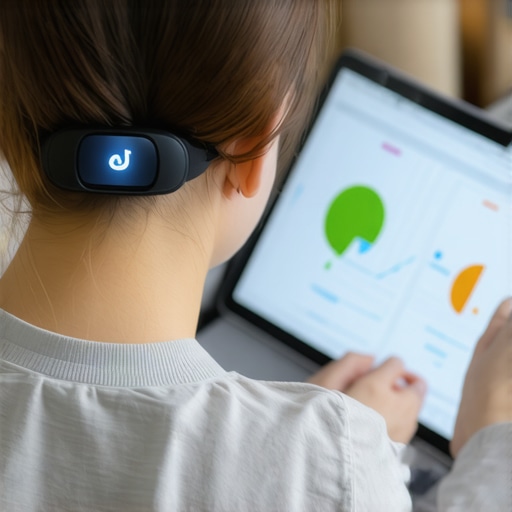
Image Prompt: A person using a wearable sleep tracker while viewing health data on a tablet, emphasizing digital health monitoring.
Alt Text: Person analyzing their health data on a tablet with a wearable sleep tracker on their finger.
Title: Maintaining Long-Term Wellness with Advanced Tools
,
Forget the Surface — The Hidden Lessons That Changed Everything
One of the biggest realizations I had was that quick fixes like melatonin might provide temporary relief but often mask deeper issues. I learned to look beyond the pill bottle and embrace the complexity of my body’s signals. For example, understanding that low vitamin D contributed to my sleep struggles shifted my approach from guessing to targeted action. Additionally, I discovered that trusting general advice without personal diagnostics can lead to wasted time — I needed customized insights, not one-size-fits-all solutions. Finally, I realized that integrating technology with professional guidance creates a powerful synergy that keeps my wellness journey on track, rather than leaving it to chance or outdated routines.
Tools and Resources That Gave Me Clarity and Control
My essential toolkit includes a high-quality sleep monitor like the Oura Ring, which offers nuanced data on sleep stages and circadian rhythms, helping me fine-tune my routines. I also rely on cloud-based platforms to manage my lab results, providing a clear picture of health markers that influence sleep and stress. For ongoing guidance, telehealth services connected me with experts who interpret my data and adjust my plans in real-time. Books like Understanding the Role of Lab Tests in Preventive Wellness became my go-to resource for deeper insights into personalized health strategies. These tools, combined, form a comprehensive framework that keeps me proactive, not reactive, in my wellness journey.
Step Into Your Power with a Wellness Mindset
Improving sleep and health is a deeply personal process rooted in understanding your unique body signals. Instead of chasing quick fixes, focus on actionable insights and sustained habits that foster genuine well-being. Think of your health like an ongoing conversation — listening carefully, learning continuously, and adjusting thoughtfully. Remember, your journey is about empowerment, not perfection. Every small step in leveraging lab insights, tech, and personalized strategies compounds into meaningful change. Now is the time to take control, trust your data, and craft a wellness approach that genuinely serves your needs. Your best nights and days are waiting to be unlocked. How will you start harnessing your body’s signals today?