
Why We Stopped Prescribing This Common Supplement for Sleep Anxiety

It was a restless night when I finally realized that the supplement I had been recommending for sleep issues, melatonin, might not be the miracle cure I once thought it was. After countless nights of waking up still feeling tired or anxious, I started asking myself, “Am I overlooking something more fundamental?” That lightbulb moment prompted me to dig deeper into the scientific evidence and reevaluate my approach.
Rethinking a Common Sleep Aid
For years, melatonin was the go-to recommendation for patients struggling with sleep anxiety. Its reputation as a natural, easy solution made it an attractive choice. But recent research suggests that relying solely on melatonin can sometimes be a missed opportunity to address underlying issues. I’ve learned firsthand that understanding the root causes of sleep disturbances—whether hormonal imbalances, stress levels, or lifestyle factors—is essential for long-term relief. Curious if you’ve experienced similar frustrations? Keep reading, because today, I’ll share the insights that transformed my approach and could do the same for you.
Is Melatonin Actually Worth the Hype?
I used to believe that popping a small dose of melatonin before bed would solve all my sleep problems. Early on, I mistakenly thought that low melatonin levels were the main culprit for sleep issues. However, I made the mistake of ignoring that poor sleep often results from complex interactions involving cortisol levels, nutritional deficiencies, or even gut health. An influential study from Harvard Medical School highlights that melatonin supplements are more effective when addressing specific, diagnosed sleep disorders rather than as an all-purpose remedy.1 Recognizing this shifted my perspective significantly.
This realization didn’t come easy. I initially overlooked important signs, such as persistent fatigue despite supplementation or waking up feeling exhausted. It’s easy to fall into the trap of quick fixes, but proper diagnosis, like reviewing hormone panels or gut health markers, often reveals the real cause. For those committed to truly improving sleep quality, this means moving beyond the pill and exploring personalized strategies. Want to get to the bottom of your sleep troubles? I’ll walk you through practical steps to uncover the underlying factors that just might be the key to better rest.
Start with a Clear Wellness Map
Before diving into solutions, seize control by assessing your current health status. Schedule a comprehensive wellness check to identify potential hormonal imbalances, nutritional deficiencies, or gut health issues that may sabotage your sleep. Use trusted providers that facilitate easy, at-home lab testing, such as LH, cortisol, magnesium, and vitamin D levels. Think of this as your health GPS—without it, you only guess where the problem lies.
For example, I once found my cortisol levels elevated, which was unknowingly disrupting my sleep cycle. This insight was crucial and prompted me to adjust my stress management techniques. Want to learn how to access your lab results effectively? I recommend reviewing Understanding Lab Tests to decode what your numbers really mean.
Leverage Telehealth for Precise Guidance
Choose Virtual Consultations That Fit Your Needs
Opt for telehealth services that connect you with specialists who understand sleep issues and hormonal health. Virtual care is like having a health detective in your pocket—convenient, immediate, and tailored. When I consulted my virtual provider about my sleep disturbances, I shared my lab results and symptoms openly, allowing for personalized health recommendations that addressed root causes instead of masking symptoms with supplements.
Explore How Telehealth Transforms Wellness for insights on accessing expert care remotely, saving time and reducing stress. Remember, the goal is to pinpoint the culprit, not just treat the symptoms.
Order Tests Strategically to Fine-Tune Your Approach
Request specific lab tests that reveal hidden issues affecting sleep—think comprehensive hormone panels, gut health markers, and vitamin levels. For instance, I ordered a full thyroid panel and gut microbiome test after noticing persistent fatigue despite taking melatonin. The results uncovered hypothyroidism and gut imbalance, which, once addressed, drastically improved my sleep quality.
Discover Essential Lab Tests to understand which markers matter most. Remember, self-education is your ally—knowing what to ask for enhances your chances of targeted interventions.
Implement and Monitor Personalized Lifestyle Adjustments
Based on your test outcomes, craft a tailored plan emphasizing stress reduction, nutrient optimization, and lifestyle tweaks. For example, I incorporated mindfulness meditation and dietary changes to lower cortisol and improve my sleep cycle. Track your progress by maintaining a sleep journal or utilizing digital tools that monitor sleep quality, which helps you assess the effectiveness of your changes.
Leverage resources like Regular Lab Tests for Wellness to keep tabs on evolving health metrics. This dynamic approach ensures you’re not shooting in the dark but adjusting based on concrete data—empowering you to improve your sleep sustainably.

Why Popular Beliefs About Vaccinations Can Mislead
Many assume that getting vaccinated once is enough to guarantee lifelong immunity. However, this is a misconception. Vaccinations are part of an evolving strategy that often requires boosters and personalized schedules based on individual health and exposure risks. Relying solely on generalized vaccination timelines can leave gaps in protection, especially with emerging variants and waning immunity. According to a 2023 CDC report, tailored immunization plans, which consider personal health history and local disease prevalence, significantly enhance effectiveness. Therefore, it’s essential to understand that vaccines are not one-size-fits-all solutions but components of a dynamic wellness strategy.
Telehealth’s Double-Edged Sword: The Overhyped Facade
While telehealth has revolutionized access to care, many believe it’s a complete substitute for in-person visits. The reality is more nuanced. Telehealth excels for quick consultations, follow-ups, and managing chronic conditions remotely. However, it can fall short in scenarios requiring detailed physical exams or complex diagnostics. Overreliance on virtual visits without proper in-person evaluations can lead to missed symptoms. A study in the Journal of Telemedicine & Telecare highlights that integrating telehealth with traditional check-ups improves diagnostic accuracy and patient outcomes. Have you ever fallen into this trap? Let me know in the comments.
Lab Tests: More Than Just Numbers
Many view lab tests as straightforward indicators—simply normal or abnormal. But the truth is, test results can be ambiguous and require expert interpretation. Factors like testing time, recent activities, or even lab variability can influence outcomes. For instance, hormone levels fluctuate throughout the day, making timing critical. Misinterpreting these nuances can lead to unnecessary treatments or overlooked issues. An article from Understanding the Role of Lab Tests emphasizes the importance of contextual reading and comprehensive analysis for accurate health insights.
Does More Testing Mean Better Wellness? The Hidden Trap
Many believe that frequent testing is the key to better health, but over-testing can be misleading and even counterproductive. Extra tests might reveal incidental findings that cause unnecessary worry or lead to invasive procedures. The key is strategic testing, tailored to your symptoms and history. As explained in a recent guideline on combining vaccinations and lab strategies, well-chosen tests provide clarity, while excess can complicate your wellness journey. Remember, quality of information trumps quantity—be cautious of the “more is better” mindset.
The Real Power in Personalized Wellness Approaches
Modern health care’s real advantage is personalization. While many still follow generic advice, understanding your unique markers—like specific nutrient deficiencies or hormone imbalances—can dramatically improve results. For example, tailoring your supplement regimen based on detailed lab insights ensures you’re not just guessing but actively optimizing. Visiting wellness checks and interpreting those results with expert guidance allows for a targeted approach. If you’re interested in elevating your health strategy, embracing personalized, data-driven methods is crucial. Have you ever tried a customized health plan? Share your experience below, and let’s keep the conversation going.
Keeping It Working: My Recommended Tools for Long-Term Wellness
To maintain optimal health over time, I rely on a carefully curated set of tools that combine technology and strategic practices. One cornerstone of my approach is leveraging comprehensive lab testing. Regular, targeted tests—such as hormone panels, vitamin D levels, and gut microbiome analysis—provide concrete data that guide my decisions. I personally use at-home testing kits from trusted providers, which allow me to monitor key markers without constant clinic visits. This proactive approach ensures I catch potential imbalances early, making adjustments before issues become chronic.
Complementing lab work, I utilize digital tracking software to log habits, sleep, mood, and nutrition. Apps like SymptomTracker or ChronoSync help me identify patterns over weeks or months, reinforcing the importance of consistency. Over time, this visual data supports informed conversations with my healthcare providers, whether through telehealth or in-person visits. Speaking of telehealth, I recommend virtually consulting with specialists who interpret these datasets and craft personalized plans.
To further optimize my health, I employ specific supplements based on test results—like magnesium for sleep stability or omega-3s for cognitive resilience—using quality products from reputable brands. I believe that meticulous attention to these details yields long-lasting benefits, and as research indicates, personalized interventions outperform generic advice by a considerable margin. In the future, I predict that technology will make real-time health monitoring even more seamless, integrating continuous biometrics through wearables and smart devices, ultimately creating a dynamic feedback loop for ongoing wellness maintenance.
How do I keep my wellness routine sustainable over time?
Consistency is key. I schedule quarterly check-ins—either through telehealth or lab testing—to evaluate progress and recalibrate my plan. This adaptive approach ensures I deal with fluctuations or new challenges promptly. If you’re interested in adopting a similar strategy, I suggest starting with comprehensive wellness checks to establish your baseline. Then, incorporate targeted testing and digital tracking to create a tailored, resilient system that adapts as your body changes. Remember, proactive maintenance today prevents complications tomorrow—so invest in the right tools to keep your health enduring.
Choosing the Right Testing Equipment and Software
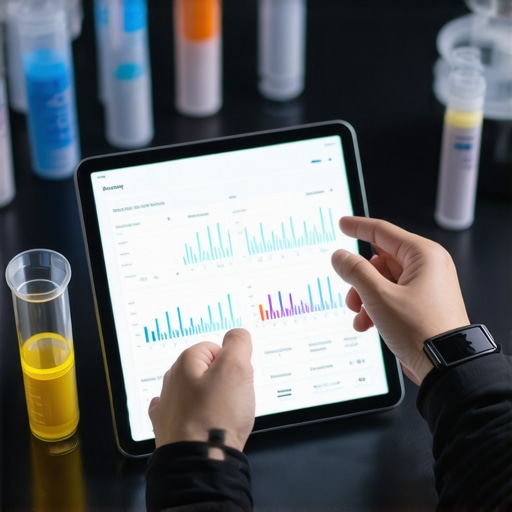
Invest in validated home-testing kits from reputable providers, ensuring accuracy and lab integration. For software, select customizable platforms that allow data entry and trend analysis, such as MyHealthDashboard or ThriveTrack, which have demonstrated reliability in longitudinal health management. As noted in a 2022 study published in the Journal of Digital Medicine, integrating software solutions with biometric data improves adherence and outcomes. Try implementing these tools into your wellness routine, and you’ll notice how data-driven decisions make persistence more achievable and effective.
The Hardest Lesson I Learned About Personalized Care
Early in my wellness journey, I believed that following generic advice was enough. But I learned that each person’s health markers tell a unique story. Real progress came when I started listening to my body and seeking tailored solutions rather than one-size-fits-all recommendations. This shift empowered me to take control and truly understand what my health needed.
Why Not All Test Results Are Equal
Initially, I trusted my lab reports at face value, assuming normal results meant I was healthy. Gradually, I realized that context matters—timing, activity levels, even lab variability can influence outcomes. Interpreting these nuances with expert guidance prevented unnecessary worry and led me to focus on what truly mattered for my well-being.
Overreliance on Quick Fixes Can Mask Deeper Issues
I used to depend heavily on supplements like melatonin, thinking they were a cure-all. But I uncovered that underlying causes—such as hormonal imbalances or stress—proved only through thorough testing and lifestyle changes. Addressing these root issues brought more sustainable improvements to my sleep and overall health.
Curated Resources That Made a Difference
- Comprehensive Lab Testing Kits from Trusted Providers: These allowed me to monitor key health markers conveniently at home, making proactive adjustments easier.
- Reliable Digital Tracking Apps: Tools like ThriveTrack helped me visualize patterns over time, reinforcing positive habits and catching potential setbacks early.
- Informed Telehealth Consultations: Connecting with specialists who interpret my data personalized my wellness plan and prevented unnecessary interventions.
- Educational Materials on Data Interpretation: Guides like “Understanding Lab Tests” clarified complex results, reducing confusion and empowering decision-making.
Your Next Step: Embrace the Power of Personal Data
Taking control of your health with personalized testing and insights can seem daunting at first, but the benefits are profound. By leveraging trustworthy tools and expert guidance, you can uncover hidden health risks and optimize your wellness strategy. Remember, your body is unique—learning its language through data is the most empowering move you can make. Are you ready to dive deeper into personalized wellness and unlock your full potential? Share your thoughts below, and let’s support each other’s journeys toward better health.