
Why you don’t need an in-person visit for routine thyroid monitoring
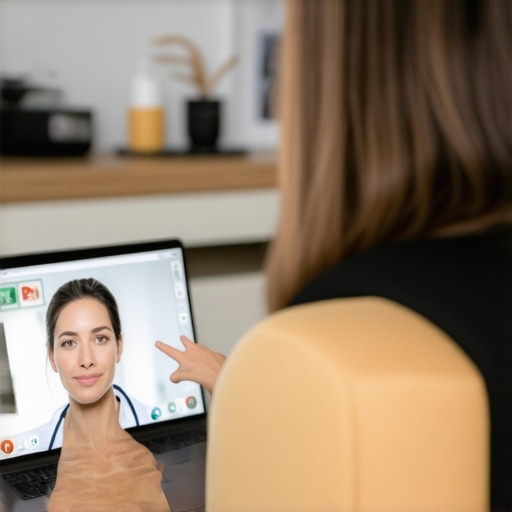
I remember sitting in a cramped waiting room three years ago, staring at a stack of magazines from 2018 and smelling a mix of industrial floor cleaner and stale coffee. I had taken a half-day off work, fought twenty minutes of traffic, and paid for parking just to have a nurse take my blood pressure and hand me a lab slip. It was a chore I did every six months for my thyroid, and it felt like a massive waste of my life. That was my lightbulb moment. I realized that the value of my appointment wasn’t the uncomfortable plastic chair; it was the data in my blood and the expertise of my provider. Today, we are going to look at how you can bypass the commute and the germs to manage your hormones from your own couch.
Stop Losing Half Your Day to the Doctor’s Waiting Room
Routine thyroid monitoring is essentially a data-driven conversation, yet many of us still treat it like a major event that requires a physical presence. I used to make the massive mistake of thinking that if I didn’t sit face-to-face with my doctor, they couldn’t possibly understand [why my lab results come back normal while I still feel like trash](https://vitalclinicmd.com/why-your-lab-results-come-back-normal-while-you-still-feel-like-trash). I was stuck in an old-school mindset, thinking physical touch was necessary for a blood work review. The truth is, for routine monitoring, your blood work does the heavy lifting. By unlocking the power of telehealth, you can get your orders, visit a local lab at your convenience, and then discuss the results via a secure video link.
Is virtual monitoring actually safe for my thyroid?
This is the biggest hurdle for most people. I felt it too. But when you realize that most of the visit is spent looking at numbers on a screen anyway, the “safety” argument starts to lean in favor of virtual care. You aren’t being exposed to the flu in a waiting room, and your provider can actually spend more time talking to you rather than clicking through a clunky office computer. According to a study published in the Journal of the American Medical Association (JAMA), telehealth for chronic disease management often results in better patient adherence and satisfaction compared to traditional models. Have you ever felt like you were just a number in a busy clinic’s conveyor belt system? Once I learned [how to read my thyroid panel like a specialist](https://vitalclinicmd.com/how-to-read-your-thyroid-panel-like-a-specialist), I realized that the physical exam rarely changed my medication dosage—the labs did. Transitioning to virtual care means you can focus on the [3 thyroid markers your doctor probably ignored last time](https://vitalclinicmd.com/3-thyroid-markers-your-doctor-probably-ignored-last-time) without the pressure of a ticking clock in a sterile room. It’s about taking control of your health on your terms, and honestly, your thyroid doesn’t care if you’re wearing pajamas during your consult.
Ditch the Paperwork and Grab Your Own Lab Orders
The first move in taking back your time is cutting out the middleman for routine paperwork. Think of lab orders like a grocery list for your health; you don’t always need a chef to tell you that you’re out of milk. You can actually learn how to order your own blood work without a doctors note through various direct-to-consumer platforms that partner with major national labs. This puts the power in your hands to check your levels whenever you feel off, rather than waiting for a scheduled six-month checkup. By the time you sit down for your virtual consultation, you already have the data in hand, which shifts the dynamic from a ‘request for help’ to a ‘consultation between partners.’
Time Your Lab Visit to Catch the Real Data
Consistency is the secret sauce of thyroid management. Your hormones aren’t static; they ebb and flow like the tide throughout the day. I once made the massive mistake of getting my blood drawn at 4:30 PM after a high-stress workday and three cups of black coffee. My results were a total disaster, showing a spike in cortisol and skewed thyroid numbers that didn’t represent my ‘normal’ baseline. It’s vital to understand why your lab results change based on when you woke up. For the most accurate comparison, always hit the lab at the same time—ideally between 7:00 AM and 9:00 AM—before you’ve had anything but water.
Don’t Sabotage Your Results with Breakfast
If your provider has added metabolic checks to your panel because you’re feeling sluggish, you need to follow the best way to prep for a fasting glucose test. I once ruined a whole morning of testing by sneaking a ‘sugar-free’ mint that actually contained enough sugar alcohols to trigger an insulin response. Stick to plain water for 12 hours before your draw. Also, be aware that why your morning coffee is sabotaging your anxiety labs is a real phenomenon; caffeine can artificially inflate certain stress markers, leading to a misdiagnosis of why you feel on edge.
Prep Your Screen for a Better Conversation
Once your results are in the portal, the magic happens via video. Telehealth isn’t just a phone call; it’s a collaborative data review. Before you jump on, ensure you’ve reviewed the 7 lab markers that prove your metabolism is stalling so you can ask specific questions about your T3 and T4 levels. These telehealth innovations allow you to screen-share with your doctor, looking at the same graphs at the same time. If your current provider isn’t willing to look at the full picture or seems rushed, you must know how to spot a better telehealth provider in 3 specific questions.
What to Ask During Your Video Visit
During the call, focus on how you feel relative to those numbers. Your thyroid is the thermostat of your body. If the thermostat says it’s 72 degrees but you’re shivering, the sensor is wrong or something else is broken. Being in your own home allows you to show your provider your supplements or even your pill organizer to ensure no interactions are happening. To get the most out of the experience, consider the best time of day to schedule your virtual appointment when you are most alert and have the fewest distractions.Most practitioners will look at a lab report, see that your numbers fall within the printed black lines, and tell you everything is fine. I completely disagree. In my experience, the ‘normal’ range is simply a statistical average of the population—most of whom are getting blood work because they already feel sick. You don’t want to be ‘average sick’; you want to be optimal. This is why your lab results come back normal while you still feel like trash. If your TSH is sitting at the high end of ‘normal,’ you might still be experiencing debilitating fatigue, thinning hair, or cold hands. By understanding the role of lab tests in preventive wellness, you learn that ‘within range’ is just the starting line, not the finish line.
Stop Settling for ‘Normal’ When You Want to Feel Optimal
The reference ranges you see on your lab results are surprisingly broad. For example, a TSH range might go from 0.45 to 4.5 mIU/L. However, many patients don’t actually start feeling like themselves until their TSH is closer to 1.0 or 2.0. When you manage your care through telehealth, you can actually discuss these nuances without a nurse practitioner trying to usher you out the door. It is about why regular lab tests are critical for your wellness journey; they provide the data points to find your specific ‘sweet spot.’
The One Common Vitamin That Stealthily Sabotages Your Blood Work
Here is a massive ‘Oops’ factor that almost nobody talks about: Biotin. If you take a ‘hair, skin, and nails’ supplement, you are likely skewing your results. According to a safety communication from the FDA, biotin (Vitamin B7) can cause significantly falsely high or falsely low results in various lab tests, particularly those for thyroid hormones and even troponin, which is used to detect heart attacks. This is the sneaky factor that ruins your cholesterol panel accuracy and hormone readings. I always tell my clients to stop all B-vitamins at least 72 hours before their draw. Otherwise, we aren’t seeing the real you; we’re seeing a chemically distorted version of your data.
Does a Normal TSH Truly Rule Out Thyroid Issues?
Hardly. TSH is a messenger hormone from your pituitary gland, not the workhorse hormone itself. Relying solely on it is like checking the thermostat to see if the furnace in the basement is actually burning. You need to see the Free T3 and Free T4 to know what’s actually available to your cells. Sometimes, why a thyroid ultrasound tells more than just a tsh test becomes obvious when we find nodules or inflammation that labs missed entirely. This comprehensive approach is essential because there are often 3 thyroid markers your doctor probably ignored last time that hold the key to your metabolism. When you leverage virtual care, you have the luxury of time to how to get honest answers about your hormone health without the filtered ‘everything is fine’ brush-off. Have you ever fallen into the ‘normal range’ trap while still feeling like a zombie? Let me know in the comments.I didn’t truly start feeling better until I stopped treating every lab result like a separate event and started looking at them as a timeline. I maintain a ‘Health HQ’ folder in my Google Drive where every PDF lab report lives. But honestly, the real game-changer was moving that data into a simple spreadsheet. I track my Free T3, Free T4, and Reverse T3 side-by-side over years. This is why regular lab tests are critical for your wellness journey; you can see a trend starting months before your symptoms return. If you want to scale this, look into apps like Guava or even a dedicated Notion template. These tools aggregate data from different patient portals, which is essential when unlocking the power of telehealth because it keeps your history in your pocket, regardless of which provider you see. 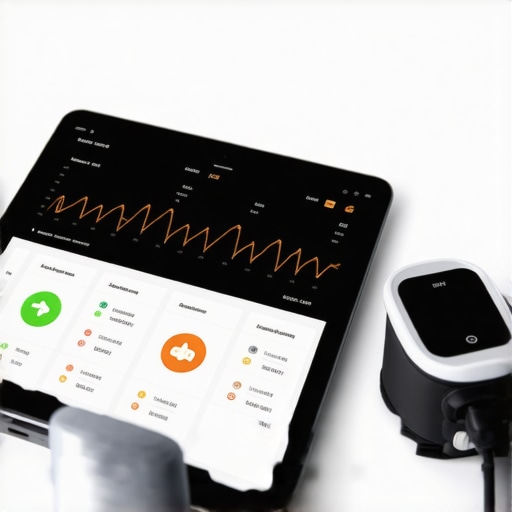
Build Your Own Home Diagnostics Command Center
You don’t need a medical degree to build a better monitoring setup than most clinics. I recommend investing in a high-quality, Bluetooth-enabled blood pressure cuff. I use the Withings BPM Connect because it syncs directly to my phone, providing the better way to track blood pressure at home without me having to scribble numbers on a napkin. When your telehealth provider asks how your heart rate has been on the new medication, you don’t have to guess. You have the data. This level of revolutionizing wellness puts you in the driver’s seat.
How do I keep my hormone levels stable for the long haul?
Maintenance is about environmental control. According to Dr. Alan Christianson, a noted endocrinology expert, the biggest hurdle to long-term stability is often inconsistent lifestyle variables during the 48 hours before testing. This means you should keep your diet, exercise, and sleep identical every time you prep for a draw. Consistency is the only way to prove that a change in your results is due to your thyroid and not that 5 AM HIIT class you decided to try. This is why telehealth insights are so valuable; they allow for more frequent, smaller adjustments rather than the ‘wait-and-see’ approach of traditional annual visits.
What the Future of Home Wellness Looks Like
I firmly believe we are moving toward a world where your wearable device will talk to your lab portal. Imagine an AI that notices your resting heart rate has climbed 5 BPM over the last week and automatically suggests the 5-minute virtual move for getting your prescriptions refilled or ordering a quick T3 check. We aren’t just moving to video calls; we are moving to proactive, data-integrated lives. If you are still waiting for a doctor to call you with ‘your results are fine,’ you are living in the past. My challenge to you is this: download your last three lab reports today and put them into a single document. Compare the trends, not just the ranges. You’ll be shocked at what your body has been trying to tell you.
Hard Truths I Learned While Staring at My Own Blood Work
The hardest lesson I ever learned about my own health is that ‘normal’ lab ranges are often just a statistical average of a very sick population. If you are aiming for high-performance living, being ‘average’ isn’t the goal. I also realized that my doctor isn’t a mind reader; they can only work with the data I provide. By treating my health like a business and my labs like a quarterly report, I finally found the energy I had been missing for a decade. Another lightbulb moment was the realization that why wellness checks are your first step to better health at 945 am is all about catching issues before they become crises. Finally, I stopped letting a physical office location dictate the quality of my care. The best expert for your specific needs might be three states away, and that is exactly why this virtual shift is so revolutionary.
My Personal Survival Kit for Virtual Wellness
To stay on top of my hormones, I use a few specific tools that keep me organized and empowered. I keep a dedicated ‘Health HQ’ folder in my cloud storage to track every single lab result. I also make sure I am asking for the most important tests for women over 40—or the equivalent for your specific demographic—to ensure no stone is left unturned. For day-to-day management, I rely on a high-quality home blood pressure monitor and a simple spreadsheet to track how my symptoms correlate with my medication changes. If you are managing multiple conditions, knowing how to manage your adhd medication refills via telehealth or other maintenance scripts can save you dozens of hours every single year. #IMAGE_PLACEHOLDER_E#
Stop Waiting for Permission to Feel Great
You don’t need a permission slip from the traditional medical system to start feeling better today. The tools are already in your hands, from direct-order labs to expert video consultations. By exploring the benefits of telehealth in managing chronic wellness, you are choosing a path of convenience, precision, and personal agency. Your health is the only asset you can’t replace, so stop treating it like a chore and start treating it like the priority it is. Have you ever felt like your doctor dismissed your symptoms because your labs were ‘normal’? Let me know your experience in the comments below.