
How to manage chronic knee pain without surgery
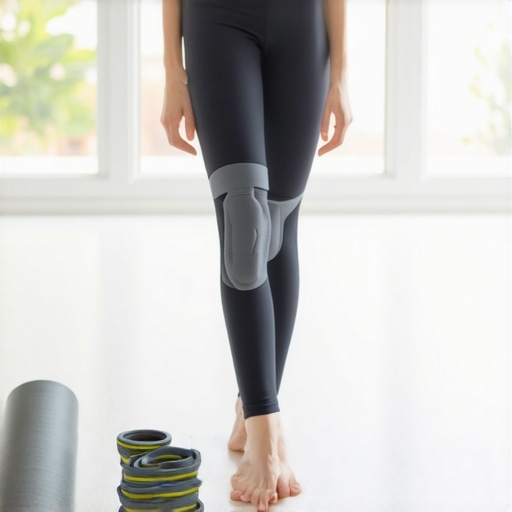
I remember the exact moment I realized my ‘tough it out’ strategy was a total disaster. I was trying to get out of my car at the grocery store, and my left knee simply refused to lock into place. It wasn’t just a twinge; it was a loud, bone-on-bone protest that left me gripping the door handle for dear life. For months, I’d been making the classic rookie mistake of thinking a few extra Ibuprofen would solve a mechanical problem. I was wrong, and my stomach eventually paid the price for all those NSAIDs. Today, I want to show you exactly how I transitioned from constant limping to active living without ever scheduling a surgery. We’re going to dive into the lifestyle tweaks and professional supports that actually make a difference.
Keep Your Joints Moving Without the Operating Room
When the pain is constant, your world starts to shrink. You stop going for walks, you skip the stairs, and eventually, you stop moving altogether. I’ve been there, and I know how isolating it feels. But here is the secret: motion is lotion for your joints. The mistake I made early on was resting too much, which only let my muscles atrophy and made the joint instability worse. Getting a wellness check is often the first step to seeing the bigger picture of your physical health. We often assume it’s just ‘old age,’ but underlying inflammation or even nutritional gaps can turn a minor ache into a chronic nightmare.
Does staying off the operating table actually work long-term?
It’s the question everyone asks when they see the MRI results. You might feel like your knee is a lost cause, but science is increasingly on the side of conservative management. In fact, a landmark study cited by Harvard Health Publishing found that for many middle-aged or older patients with knee pain, physical therapy was just as effective as arthroscopic surgery in improving functional ability. It’s not just about ‘waiting it out’; it’s about active chronic wellness management. Sometimes, you need to dig deeper into why you feel poorly despite ‘clean’ X-rays, which is why it’s so frustrating when your lab results come back normal while you still feel like trash. Have you ever felt like your doctor was just checking boxes while you were still struggling to walk to the mailbox? Let’s talk about the specific steps you can take right now to reclaim your mobility. [image_placeholder]I used to think that as long as I could walk, I was ‘fine,’ but I was essentially flying blind. I once spent three months on a grueling elimination diet, convinced my morning sourdough was the enemy, only to discover via the lab test that identifies real gluten sensitivity that my gut was perfectly fine—I was actually just severely deficient in magnesium and Vitamin D. That mistake cost me months of progress because I was treating a phantom problem while my joints continued to starve for nutrients.
Stop Guessing and Start Measuring Your Internal Health
Think of your blood work as a high-definition map of a territory you’re trying to navigate. If you only look at the ‘normal’ ranges on a standard printout, you’re missing the fine print. I spent years frustrated because my lab results came back normal while I still felt like trash. The key is to look for optimal levels, not just ‘not-sick’ levels.
What Your Blood Is Actually Trying to Tell You
To really get ahead of joint degradation, you need to understand the role of lab tests in preventive wellness. For me, it wasn’t just about the knee; it was about the 7 markers in your blood work that actually predict longevity, specifically focusing on C-reactive protein which tracks hidden systemic inflammation. When those numbers are high, your joints are essentially sitting in a bath of acid, making every step hurt more than it should.
Use Virtual Visits to Skip the Waiting Room Grind
Once you have your data, you don’t need to spend half a day in a sterile waiting room just to get a professional opinion. This was a massive turning point for me. I remember a particularly messy afternoon when my knee was throbbing so badly I couldn’t even push the clutch in my car. Instead of canceling my appointment and sliding backward, I leveraged the power of telehealth for fast convenient wellness access. From my own living room, my provider walked me through a series of mobility tests, checked my latest lab trends, and adjusted my supplement protocol on the spot. #IMAGE_PLACE_HOLDER_B#
Why Staying Current on Shots Keeps You Moving
It sounds disconnected, but your immune system and your joint health are deeply intertwined. Every time you catch a major respiratory bug, your body triggers a massive inflammatory response that often settles in your weakest points—usually those creaky knees or hips. I learned the hard way that proactive defense is part of the mobility game. This is why I now emphasize why you shouldn’t wait until october for your flu shot. Keeping your immune system ‘calm’ through strategic prevention means you spend less time on the couch and more time on your feet. I once missed a month of strength training because a preventable virus knocked me sideways; that kind of setback is exactly what leads people to the operating table out of desperation. By the time I recovered my energy, my knee had stiffened up so much I felt like I was starting from zero. Now, I view personalized vaccination schedules as a critical part of my toolkit to stay active and avoid surgery.Most people think that ‘staying updated’ on health means just showing up once a year. But here’s the contrarian truth: a single annual data point is almost useless for preventing long-term joint decay or systemic failure. We’ve been conditioned to think that normal means healthy. In reality, the reference ranges on your lab results are based on a bell curve of the general population—many of whom are already metabolically unwell. If you want to stay off the operating table, you need to look at why the fasting insulin test matters more than a1c for weight loss and joint health. High insulin is pro-inflammatory, yet it’s rarely checked until you’re already pre-diabetic.
Stop Trusting the Lab’s ‘Normal’ Range to Fix Your Pain
There is also a massive ‘oops’ factor when it comes to the timing of your tests. I’ve seen people get terrified by high liver enzymes or blood sugar spikes, not realizing that why your lab results change based on when you woke up or whether you did a heavy leg day the night before. Testing after a period of high stress can also make a simple tetanus shot more painful and skew your inflammatory markers. If you’re not prepping correctly, you’re just paying for bad data.
Why does your TSH look perfect while your hair is still thinning?
This is the advanced nuance most doctors skip. A standard TSH (Thyroid Stimulating Hormone) test is just a signal from your brain; it doesn’t tell you how your tissues are actually using that hormone. I learned that why a thyroid ultrasound tells more than just a tsh test is the key to catching autoimmune issues before they wreck your energy. A study in the Journal of Clinical Endocrinology & Metabolism suggests that individuals within the ‘normal’ upper limit of TSH can still experience significant metabolic slowdown. You have to advocate for the full picture.
Skip the 10-Minute Virtual Drive-Thru
When it comes to telehealth, don’t fall for the convenience trap. Many platforms are just ‘prescription mills.’ You need to know how to spot a better telehealth provider in 3 specific questions to ensure they are actually looking at your personalized vaccination schedules for better disease prevention rather than just checking a box. The goal is a partner, not a vending machine. 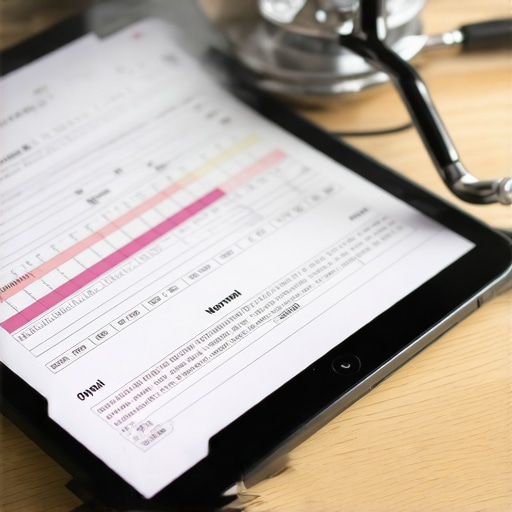 Finally, let’s talk about the ‘booster’ myth. People think if they had their shots in the 90s, they’re set for life. But immunity wanes, especially as our joints and tissues age. Knowing why you might need a booster even if youre fully vaccinated is part of that proactive defense I mentioned. It’s about keeping the internal fire low so you can keep the external activity high. Have you ever fallen into this trap of trusting a ‘normal’ result while feeling like garbage? Let me know in the comments.
The real win isn’t just getting out of pain; it’s staying out of it for good. I’ve switched to a strategy where I treat my body like a high-performance machine rather than an old car I only take to the shop when it breaks down. You don’t wait for the engine to smoke before you check the oil, and your joints deserve the same respect. This is why I believe why regular lab tests are critical for your wellness journey. I’ve started using a combination of quarterly blood draws and wearable tech to track my recovery. If my heart rate variability drops while my inflammatory markers climb, I know I need to scale back my morning run before my knee starts protesting again.
The Maintenance Gear That Actually Matters
I am not talking about expensive massage guns or those trendy compression boots. The most valuable tool in my kit is a digital log of my how lab tests can detect hidden health risks early in your wellness pathway. When I see a trend—not just a one-off result—moving in the wrong direction, I immediately book a virtual session. Looking ahead, I predict we are moving toward a Predictive Wellness model where AI will analyze these trends to tell us which joint is likely to flare up weeks before it happens. Until that software is standard, you have to be your own data analyst.
Stop Using Telehealth as a Digital Band-Aid
Most people treat virtual care as a quick way to get an antibiotic, but I use telehealth insights the future of accessible healthcare services for deep-dive reviews of my progress. For example, I recently sat down for a video call to go over the essential lab tests you need for accurate vaccination planning. It turns out my antibody levels for certain markers were practically non-existent, which meant my immune system was constantly on high alert, contributing to that background fuzz of joint pain. By fixing those gaps, I lowered my systemic stress significantly.
How can I keep my results from slipping over time?
Consistency is the only way to win this game. You need a feedback loop that doesn’t rely on how you feel that morning, because our brains are experts at lying to us about our health. Every six months, I perform a Wellness Audit to ensure I am maximize your health combining vaccinations and lab testing strategies effectively. I follow the methodology shared by longevity experts like Dr. Peter Attia in his work on medicine 3.0, which emphasizes that managing small, cumulative risks—like slightly elevated ApoB or CRP—is what determines your mobility in your 70s and 80s.
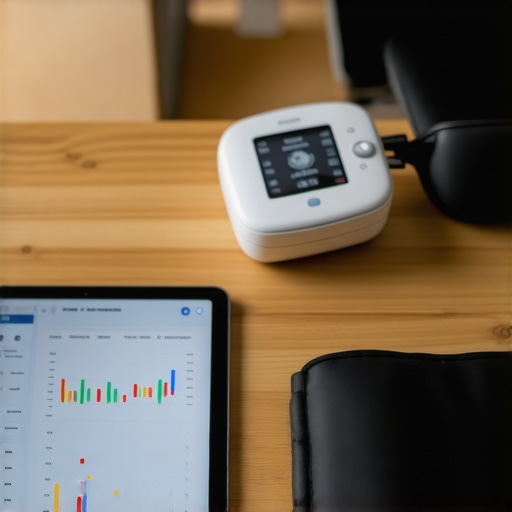
If you want to scale your results, here is my advanced tip: don’t wait for your annual physical. Request a comprehensive metabolic panel the next time you feel completely fine. That is when you establish your true baseline, making it easy to spot a disaster before it starts.
The Hard Truth About Fixing Joints Without a Scalpel
Looking back on my journey, the biggest shift wasn’t just physical; it was mental. I had to stop viewing my doctor as a mechanic and start viewing them as a consultant. I learned that waiting for pain to dictate my schedule was a losing game. Here is what actually moved the needle for me:
- Stop chasing symptoms. If you only react when you hurt, you’re already behind. Real preventive wellness means investigating your biology when you feel great.
- Data is your best defense. I now keep a running spreadsheet of my markers because regular lab tests are critical for spotting trends before they become injuries.
- Small pivots beat big overhauls. Adjusting my diet based on inflammation markers saved my knees more than any physical therapy session ever could.
The Gear and Data Points I Refuse to Live Without
I get asked all the time what I actually use to stay mobile. It isn’t a long list of supplements; it’s a list of reliable information sources. First, I always have a digital copy of my vaccination planning labs. Keeping your immune system from overreacting is half the battle in joint health. Second, I rely on a high-quality wearable to track my sleep and recovery scores—it tells me when my body is under systemic stress. Third, I only use providers who pass the “partner” test; I highly recommend learning how to spot a better telehealth provider so you aren’t just another number in a digital waiting room. These tools keep me from guessing and let me focus on results.
Your New Baseline Starts Today
The path to active living without surgery isn’t paved with luck; it’s paved with better data and smarter choices. You don’t have to accept a ‘bone-on-bone’ diagnosis as the end of your story. By combining vaccinations and lab testing strategies, you give your body the best environment to heal and thrive. It takes work, but the freedom to walk, run, and play without a surgical date hanging over your head is worth every bit of effort. Start small, get your labs done, and take back control of your mobility. Have you ever felt like you were just one test result away from finally understanding your pain? Let me know in the comments below!