
How to handle a flu outbreak in your house using video visits
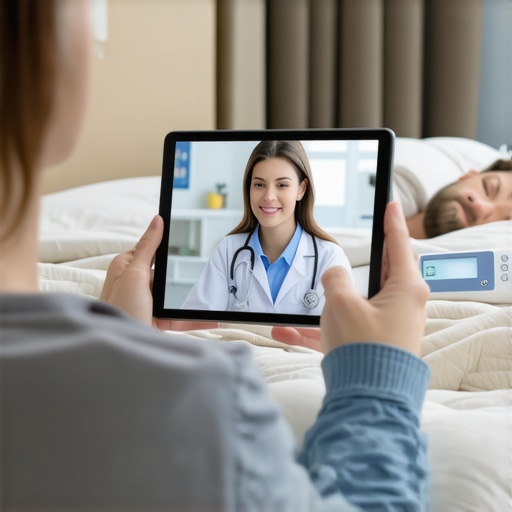
It was 2:00 AM on a Tuesday when the first ‘I don’t feel good’ echoed from the kids’ room. By sunrise, my house felt less like a home and more like a biological hazard zone. I remember the panic vividly—the hunt for a thermometer that actually worked, the mounting pile of tissues, and that sinking feeling of realizing I’d have to drag three feverish children into a crowded, germ-filled waiting room just to get a professional opinion. Honestly, I made a huge mistake that first time; I waited until we were all completely miserable before looking for a better way. I thought a physical office visit was the only ‘real’ way to see a doctor. I was wrong, and I paid for it with six hours of misery in a clinic chair. Today, I’m going to show you how to skip that nightmare entirely and manage the chaos from your couch using virtual care.
I Stopped Fighting the Flu in Waiting Rooms and You Should Too
Look, the flu doesn’t send a calendar invite. It just crashes the party. When the whole house goes down at once, the last thing you need is the stress of a commute. This is where telehealth innovations have genuinely saved my sanity. Instead of risking a spread at the local clinic, you can connect with a provider in minutes. I’ve learned that the ‘old way’ of doing things—waiting for an opening and driving while dizzy—is just not sustainable for a busy family. By unlocking the power of telehealth, you get eyes on your symptoms immediately. This isn’t just about convenience; it’s about safety. Did you know that the American Journal of Managed Care has found that telehealth visits for respiratory issues can significantly reduce the time to receive antiviral prescriptions? That speed is the difference between a three-day flu and a week-long ordeal.
Is a screen really enough to catch a serious infection?
I used to be a total skeptic. I wondered how a doctor could possibly tell if my lungs were clear without a cold stethoscope on my back. But after several sessions, I realized that a trained eye can spot signs of dehydration, labored breathing, and specific viral patterns through a high-definition lens just as effectively as in person for most routine flu cases. Have you ever been stuck in a waiting room for hours while your head felt like it was in a vice? It’s the worst. Getting a prescription refill on a Sunday without the ER is now a reality, and it changed how I view family wellness. We’re going to dive into the exact steps to prep your home ‘exam room’ next, but first, remember that why you shouldn’t wait until October to think about your seasonal defense is still the best advice I can give. Let’s get your household back on its feet.
Turn Your Living Room into a High-Functioning Clinic
To make this work, you need a staging area. Last winter, I tried to hop on a call with my toddler while sitting in a dimly lit hallway because it was the only quiet spot I could find. Big mistake. The doctor spent five minutes asking me to move closer to a window because she couldn’t see the color of his throat or the texture of the rash developing on his arm. Learn from my fail: find the brightest room in your house—usually the kitchen or a sunlit bedroom—and have your thermometer, a flashlight, and a list of symptoms ready before you click that link. Think of it like a wellness check but on your own turf. Taking ten minutes to prep ensures you don’t waste your appointment time fiddling with the Wi-Fi. It’s about being proactive rather than reactive, which is why wellness checks are your first step to better health even when you aren’t currently in the middle of a flu crisis. 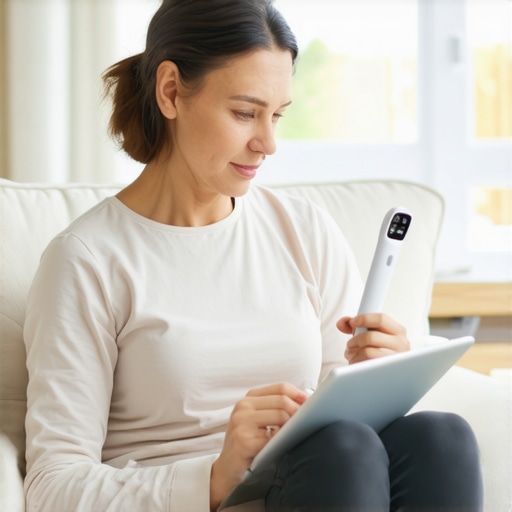
How to Give Your Virtual Doctor the Best Possible View
During the call, be specific and data-driven. Instead of saying ‘he feels a bit warm,’ give the exact reading from the thermometer. Telehealth isn’t just a video chat; it’s a professional diagnostic tool that requires high-quality input. If you’re managing something that doesn’t just go away in a week, you might find that exploring the benefits of telehealth in managing chronic wellness provides a much more consistent feedback loop than waiting months for a specialist opening. I’ve started keeping a ‘symptom diary’ on my phone notes. When the provider asks when the cough started, I don’t have to guess. I can say, ‘It started as a tickle on Tuesday at 4 PM and turned productive by Wednesday morning.’ This level of detail helps the doctor rule out secondary infections like pneumonia without needing to physically tap on your chest.
Why Lab Results are the Secret Weapon for Fast Recovery
Often, the screen is just the starting point of the roadmap. If the provider suspects something more complex than a standard seasonal bug, they’ll order blood work. I used to think this meant the virtual visit was a failure and I’d have to start all over at a physical hospital, but I was wrong. Most labs allow you to walk in, get a quick draw, and have results sent straight back to your virtual provider. Realizing why regular lab tests are critical for your wellness journey helps you see the full picture of what’s happening inside your system. This data-first approach takes the guesswork out of the equation and speeds up the time it takes to get the right treatment.
Handle the Logistics Without Leaving Your Bed
Once the diagnosis is confirmed, the logistics of recovery begin. I’ve found that the 5-minute virtual move for getting your prescriptions refilled is a total game-changer when you’re too fatigued to stand in line at a pharmacy. You can have the script sent to a delivery-friendly pharmacy or a drive-thru, keeping your germs away from the public. While you have the provider on the line, it is also the perfect time to audit the rest of the family’s health records. For instance, during a follow-up for a sinus issue, I checked my son’s chart and realized we were behind on seasonal prep. Knowing why your child needs a tetanus booster before summer camp allowed me to schedule that small task right then and there, rather than waiting for a school nurse to send a frantic email in July.
Skip the ‘Normal’ Trap and Find Your Real Baseline
Most people assume that if their doctor doesn’t call with ‘bad news’ after blood work, they are in the clear. I used to believe this too, until I spent six months feeling like a zombie despite having ‘perfect’ labs. Here’s the nuance most people miss: ‘normal’ is a statistical average of the population, and honestly, the general population isn’t exactly a picture of peak health. This is why your lab results come back normal while you still feel like trash. A study in the Journal of Clinical Medicine suggests that standard reference ranges can be surprisingly broad, often masking the early stages of thyroid dysfunction or nutrient deficiencies. If you’re just barely inside the line, you might still be suffering. 
Why did my results come back ‘normal’ when I feel like trash?
It usually comes down to the difference between ‘clinical’ and ‘functional’ ranges. Your doctor is looking for disease; you should be looking for optimal performance. For example, why standard allergy panels often miss environmental triggers is a classic case of testing for the wrong markers. If you only look at the surface, you miss the underlying inflammation. Have you ever been told you’re ‘fine’ but knew deep down something was off? Let me know in the comments, because that’s usually the moment you need to start understanding lab tests as a roadmap, not a final destination.
Stop Sabotaging Your Data Before the Draw
The biggest ‘oops’ factor I see is people trying to ‘study’ for their blood test. You know the drill—you eat perfectly for three days and hit the gym because you want the numbers to look good. This is a huge mistake. The sneaky factor that ruins your cholesterol panel accuracy is often just a sudden change in your routine. If you want a real picture of your health, you need to test your ‘normal’ life, not your ‘best’ life. Similarly, why you should consider a wellness screening before starting a diet is crucial; if you change your fuel source before getting a baseline, you’ll never know what actually worked. This logic applies to immunity too. People often think they are bulletproof once they finish a series, but why you might need a booster even if you’re fully vaccinated is a conversation worth having with a virtual provider. Managing your health is about precision, not just checking boxes.I’ve realized that the ‘one and done’ approach to wellness is a myth. Staying healthy is a maintenance game, much like keeping a car on the road; you don’t wait for the engine to smoke before you check the oil. To keep my household running smoothly, I’ve moved beyond just reacting to the flu. I now rely on a specific stack of digital tools and a recurring schedule that keeps us from falling back into that ‘normal but exhausted’ trap. For instance, the better way to track blood pressure at home isn’t with a manual cuff you use once a month, but with a Bluetooth-enabled monitor that logs trends directly to my phone. This data is gold during a telehealth call because I can show my provider a thirty-day average rather than a single, high-stress reading from five minutes ago. I also swear by using a shared digital health folder where I store every PDF result. When you start understanding lab tests as a longitudinal record rather than a one-time snapshot, you can spot when your iron or vitamin D levels start a slow downward slide months before symptoms hit. Dr. Eric Topol, a leading cardiologist and digital health expert, argues in his research that ‘the future of medicine is the individual,’ meaning our own baseline data is more important than any population average. 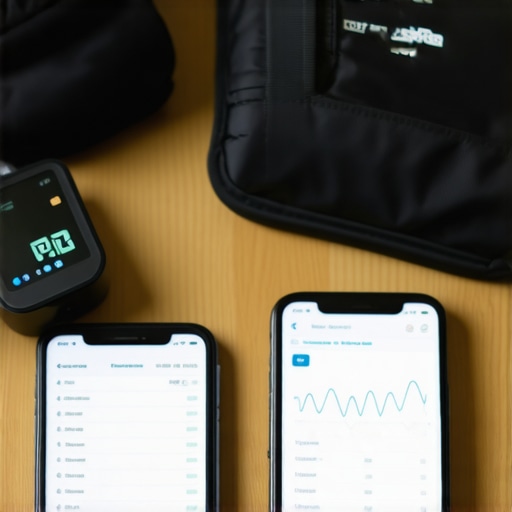
How do I keep my health from slipping back into the danger zone?
The secret is a quarterly ‘wellness audit’ that I perform right from my laptop. Every three months, I check our status on personalized vaccination schedules for better disease prevention to ensure no one is due for a tetanus or shingles update. This proactive layering is how we scale our health. I’m also a huge advocate for self-advocacy in diagnostics; I’ve learned how to order your own blood work without a doctors note when I feel a specific slump coming on. This saves me two weeks of waiting for an initial consultation just to ask for the test. Looking ahead, I predict we are moving toward a world of ‘Digital Twins,’ where AI will use our continuous glucose and heart rate data to predict a flu three days before we even sneeze. For now, the best tool you have is the ability to connect with experts via exploring the benefits of telehealth in managing chronic wellness from your own living room. My advanced tip for you today: don’t wait for your doctor to suggest a follow-up. If you had a ‘normal’ lab result but still feel like trash, use the 5-minute virtual move for getting your prescriptions refilled or reviewed to ask for a functional range analysis. It’s the fastest way to turn ‘okay’ health into peak performance.
Small Shifts That Finally Ended My Waiting Room Nightmare
After years of dragging miserable kids into germ-filled clinics, I’ve realized that the most important lesson in modern wellness is timing. If you wait until you are too sick to stand, you’ve already lost the battle. Now, I use telehealth insights to book consultations at the very first sign of a sniffle. I also learned that ‘normal’ labs are often a lie; your personal baseline matters more than a statistical average. By regularly checking your lab markers, you can spot trends like falling Vitamin D or rising inflammation before they turn into a full-blown crisis. Lastly, I’ve stopped being a passive patient. I now ask for specific data because I know how lab tests can detect hidden health risks that a standard physical might miss. This mindset shift transforms a virtual call from a quick fix into a long-term strategy for your entire household.
The Digital Toolkit I Actually Trust with My Kids
Setting up a virtual ‘exam room’ doesn’t require a medical degree, just a few reliable gadgets. I personally swear by a Bluetooth-connected thermometer that automatically syncs to my phone—it’s a life-saver for tracking fever spikes during the night without waking the child. I also recommend keeping a high-quality pulse oximeter on hand to provide real-time oxygen saturation data to your provider. To keep the logistics simple, I use a shared digital folder for our family health history. This makes staying on top of personalized vaccination schedules much easier because the records are always at my fingertips. If you aren’t sure where to start, learning how to spot a better telehealth provider by asking about their specific diagnostic capabilities is the best first move you can make for your peace of mind.
Take the First Step Before the Next Fever Hits
Virtual care has transformed my home from a place of panic into a space of proactive healing. You don’t have to settle for the ‘old way’ of healthcare that leaves you exhausted and unheard. By leaning into wellness checks and digital consultations, you are reclaiming your time and your sanity. The tools are here, the science is proven, and your family deserves a version of you that isn’t burnt out by the waiting room grind. Have you ever tried a virtual visit for a sick child, or are you still a skeptic? Let me know your experience below!