
Why your child needs a tetanus shot after that playground scrape

I remember the sound of the jagged metal fence catching my daughter’s leg like it happened five minutes ago. We were at that slightly-too-old park, the one with the peeling paint and the creaky swings, when a routine game of tag turned into a bloody knee and a frantic search for my car keys. My first thought wasn’t actually about the wound; it was a wave of guilt. I realized I hadn’t looked at her immunization records in over two years. I spent the next three hours scouring a kitchen junk drawer for a wrinkled yellow card, feeling like a total failure. If you have ever stood over a sink, scrubbing dirt out of a scrape while wondering if you’re being ‘that’ overprotective parent, I am right there with you. Today, we are going to clear up the confusion about when to worry, how to find those records in a heartbeat, and why that tiny bit of dirt is actually more concerning than the rust on the fence.
Stop Worrying About the Rust and Start Worrying About the Soil
For years, I made the classic mistake of thinking tetanus was something you only caught from old, rusty nails in a barn. I once even let a minor scratch slide because the metal ‘looked clean.’ That was a massive oversight. The truth is, the rust itself doesn’t cause the infection; it’s the bacteria living in the environment that hitch a ride on whatever breaks the skin.
Does a tiny scratch really warrant another needle?
It is easy to feel skeptical when your kid is already acting like they’re fine five minutes after the fall. You might ask yourself if the medical system is just being overly cautious. However, the bacteria responsible, Clostridium tetani, are incredibly hardy. According to the Centers for Disease Control and Prevention, these spores are found in soil, dust, and manure, and they can enter the body through even the smallest puncture or break in the skin. When they get inside a deep, dirty wound—like the kind you get from sliding across a playground floor—they can produce a toxin that affects the nervous system. This is why sorting through the myths about vaccines is so vital for parents. Have you ever found yourself second-guessing a doctor’s recommendation for a booster because the injury looked ‘too small’ to matter? I certainly have, but knowing that the danger lives in the dirt, not just the metal, changed how I view every backyard tumble. It’s always better to be proactive about getting them updated before the season starts rather than making a midnight run to the clinic. And don’t forget, parents need protection too; adult tetanus boosters are more important than you think if you’re the one doing the gardening or yard work. Now that we understand the ‘why’ behind the worry, let’s look at the specific signs that your child’s scratch needs professional attention.
Get Moving With a Clear Action Plan
If you are staring at a puncture wound from a jagged fence or a dirty playground spill, the clock starts ticking on your decision-making. You do not have to be a medical professional to handle the initial minutes with precision, but you do need to move beyond the panic. The moment my daughter got hurt, I wasted twenty minutes just looking for a clean towel because I was so rattled. Do not do that. Your first move is to stay calm and follow a specific sequence that ensures the wound is clean and your child’s immunity is verified.
Locate Your Records Without the Junk Drawer Hunt
The biggest hurdle for most parents is not the injury itself, but the data. You need to know exactly when that last DTaP or Tdap shot was administered. If you are like me and your filing system involves a ‘miscellaneous’ folder that has not been touched in years, you need a better way. Digital portals are your best friend here. Most pediatricians now sync with state databases, making it possible to find the secret to getting your childs immunization record for camp or school with a few clicks. I eventually learned that my state has a parent-facing portal that saved me from another junk-drawer meltdown. Keeping a digital copy on your phone is like having a spare tire; you hope you never need it, but you are relieved it is there when the ‘road’ gets bumpy.
Treat the Wound Like a Science Experiment
Tetanus bacteria are essentially the ‘deep-sea divers’ of the microbial world—they thrive in environments where oxygen cannot reach. This is why a deep puncture is more dangerous than a wide, shallow scrape. When cleaning the injury, do not just splash some water on it and call it a day. You need to use running water and a mild soap to physically flush out the debris. I once tried to use a fancy antiseptic spray on a deep cut, only to realize later that the mechanical action of washing is what actually removes the soil and spores. If the wound is deep or won’t stop bleeding, you should know how to handle a pediatric fever at 2 am without the er or other urgent issues by knowing which local clinics are open late. 
Leverage Virtual Care to Save Your Sanity
In the heat of the moment, it is hard to tell if a scratch is ‘just a scratch’ or a tetanus risk. This is where modern medicine really shines. Instead of dragging a crying child to a waiting room full of sick kids, you can use a video visit to get a professional eye on the wound. I started unlocking the power of telehealth for fast convenient wellness access when my son had a similar run-in with a rusty garden stake. The doctor was able to see the depth of the puncture via my phone’s camera and confirmed he was due for a booster. This immediate feedback prevents the ‘guilt-tripping’ cycle and keeps your schedule intact. It is also a great time to ask why why wellness checks are your first step to better health because these routine visits are where those boosters usually happen anyway.
Map Out Your Long-Term Defense
Once the immediate crisis is over, use that momentum to fix your family’s immunity schedule. Tetanus is not a ‘one and done’ deal. Adults and children need regular updates to keep their defenses high. I now keep a recurring alert on my calendar for the whole family. You can even work with your doctor on personalized vaccination schedules for better disease prevention to ensure nobody falls through the cracks. If you are unsure about the efficacy of past shots, looking into the essential lab tests you need for accurate vaccination planning can provide a roadmap of your current immunity levels. Knowing your numbers is the ultimate way to replace anxiety with confidence.
But here is the hidden nuance that most people miss: immunity isn’t a permanent shield; it is more like a fading battery that requires specific conditions to stay charged. While we often think of vaccinations as a ‘set it and forget it’ task from childhood, the reality is far more complex. We are entering an era where personalized vaccination schedules for better disease prevention are becoming the gold standard for families who want to stay ahead of evolving health risks. If you are only checking the boxes when a school form requires it, you are likely leaving gaps in your defense.
Stop Chasing Normal and Start Looking for Optimal
Everyone says that as long as your lab results come back within the ‘reference range,’ you are perfectly healthy. In my experience, ‘normal’ is often just the average of a population that is increasingly dealing with chronic fatigue and silent inflammation. A standard panel might show you are not in immediate crisis, but it rarely tells you if you are thriving. This is why understanding the role of lab tests in preventive wellness is so crucial for parents who are trying to manage their own energy levels while caring for active kids. Instead of accepting a ‘you’re fine’ from a distracted provider, you should be looking for optimal markers that indicate true vitality. Have you ever fallen into the trap of feeling terrible but being told your labs are ‘normal’? Let me know in the comments, because this is a mistake that keeps too many people stuck in a cycle of exhaustion.
Can Your Multivitamin Actually Sabotage Your Next Lab Test?
Here is a specific ‘oops’ factor that catches even the most health-conscious parents off guard: your supplements might be lying to your doctor. Many of us take Biotin or high-dose B-complex vitamins for hair and skin health, but these can create significant interference in common blood work. According to a safety communication from the U.S. Food and Drug Administration (FDA), biotin can cause falsely high or falsely low results in tests for thyroid function and even troponin, a marker used to diagnose heart attacks. I have seen parents panic over a ‘thyroid issue’ that was actually just a reaction to their morning smoothie. This is why why your vitamin b12 results might be misleading if you take certain supplements is a must-read before you head to the clinic for your next draw.

The High Cost of the Wait and See Tactic
The biggest trap in modern parenting is the ‘wait and see’ approach to minor symptoms. We tell ourselves we’re being ‘low maintenance,’ but in the world of infectious disease and metabolic health, waiting often limits your options. By the time a symptom is loud enough to ignore, the window for easy intervention has often closed. We need to shift our mindset to see technology as a proactive tool rather than an emergency-only escape hatch. Keeping up with vaccinations myths busted what you need to know in 2025 helps you realize that modern medicine is about precision, not just volume. When you integrate telehealth innovations how virtual care is changing wellness into your routine, you can address these ‘nuance’ questions—like supplement interference or booster timing—in ten minutes from your kitchen table. Don’t wait for the next jagged fence incident to audit your family’s health; the best defense is a strategy that is updated long before the crisis hits.
Moving from a state of constant ‘reaction’ to a state of ‘maintenance’ was the hardest shift for me. I used to think that as long as no one was bleeding or feverish, I was winning. But the real victory isn’t surviving the emergency; it’s building a system that makes the emergency less stressful. We need to stop viewing our medical records as something the doctor ‘owns’ and start treating them like our own personal financial portfolio. In the future, I predict we will see AI-driven personal health assistants that automatically pull from state databases to alert us exactly when a booster is waning, based on our unique metabolic rate and lifestyle risks.
Ditch the Paper for a Digital Health Vault
The single most effective tool I have implemented is a dedicated digital ‘Health Vault.’ I don’t just mean a folder on a laptop; I mean utilizing state-level Immunization Information Systems (IIS). According to the 2024 HIMSS State of Healthcare Report, patients who interact with digital health portals are 40% more likely to stay up-to-date with preventative screenings. I personally use an encrypted cloud folder where I store high-resolution photos of every lab result and vaccination card. This makes unlocking the power of telehealth for fast convenient wellness access significantly easier because I can screen-share my records with a specialist in seconds. If you are still relying on a pediatrician to fax papers to a summer camp, you are living in the stone age of parenting.
How do I keep this health system running without burning out?
The secret is to stop treating health as a separate task and start integrating it into your existing digital life. I sync my family’s personalized vaccination schedules for better disease prevention directly into my Google Calendar with three-month lead alerts. This gives me plenty of time to find expert vaccination tips and schedule appointments when they actually fit my life, not when a school deadline is looming. Maintenance is about reducing the friction between needing care and receiving it. When you have telehealth insights the future of accessible healthcare services at your fingertips, you no longer dread the ‘maintenance’ aspect of wellness.
Watch the Trends Instead of the Snapshots
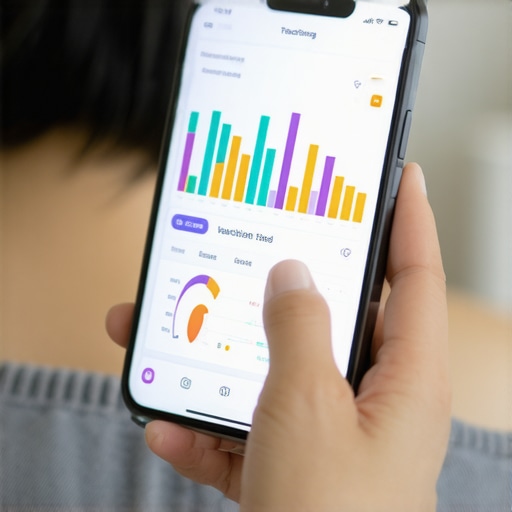
Scaling your wellness means looking at the big picture over several years. One single blood draw is just a snapshot, but five years of data is a map. This is why regular lab tests are critical for your wellness journey; they allow you to see if your cholesterol is slowly creeping up or if your Vitamin D levels consistently tank every February. Specialized researchers, like Dr. Jennifer M. Radin at the Scripps Research Translational Institute, have demonstrated that tracking even subtle physiological shifts through digital logs can predict illness before you feel a single symptom. By understanding lab tests your roadmap to clearer diagnosis, you can spot the ‘hidden’ burnout markers before they turn into a full-blown health crisis. You can even see the specific markers that prove your exercise routine is actually working, which provides the dopamine hit needed to keep going. Try this advanced tip: Request a digital copy of your last three years of blood work and plot your fasting glucose on a simple spreadsheet. If the line is trending upward—even if it’s still in the ‘normal’ range—it’s time to adjust your strategy before the clinic has to do it for you.
Hard-Earned Truths from the Playground Trenches
Reflecting on that afternoon by the rusty fence, I realized that my panic wasn’t just about the scratch; it was about the lack of a system. Here are the three ‘lightbulb moments’ that changed how I manage my family’s health. First, stress is a physical variable. I never knew that cortisol levels can actually change how we perceive the discomfort of a needle, which is why high stress levels make your tetanus shot more painful than it needs to be. Staying calm for your child isn’t just about emotional support; it’s about their physical experience. Second, I learned that we often focus so much on the kids that we neglect our own immunity. There is usually a specific vaccine adults forget after they turn fifty, often Shingles or a Tdap booster, that is just as critical as the childhood schedule. Finally, I discovered that the ‘waiting room’ is now optional. By revolutionizing wellness how telehealth transforms personal care, we can get expert eyes on a wound within minutes, rather than hours.
Tools to Build Your Family Health Fortress
To move from reactive parenting to proactive health management, I rely on a few specific resources that go beyond a standard Google search. I highly recommend the CDC’s ‘Pink Book’ for anyone who wants to dive deep into the science of how vaccines work without the social media noise. For daily management, I trust State Immunization Information Systems (IIS); these digital portals are the only way to bypass the ‘junk drawer’ hunt for records. I also suggest using a Smart Health Log—even a simple app—to track the results when understanding the role of lab tests in preventive wellness. Seeing your data trend over time is much more powerful than a single ‘normal’ result. Lastly, I always keep a link to a trusted virtual clinic on my home screen. It makes telehealth insights the future of accessible healthcare services a reality for my family whenever an injury happens after-hours.
Take the Reins Before the Next Fall
You don’t have to be a doctor to be the most effective health advocate for your family. You just need the right data and a willingness to look for optimal health rather than just the absence of disease. By maximizing your health combining vaccinations and lab testing strategies, you are building a safety net that catches you long before you ever hit the ground. Don’t let the next jagged fence or rusty nail be the catalyst for your health audit; start today while everything is quiet. Have you ever found a lost immunization record in a place you totally forgot about? Let me know your ‘junk drawer’ victory stories in the comments below!