
Why your ferritin levels explain that constant brain fog

It was 2:00 PM on a Tuesday, and I was losing a fight with a simple spreadsheet. Not because the data was complex, but because my brain felt like it was encased in a thick, wet wool blanket. I’d already had three cups of coffee, but I was still fading fast. For months, I told myself I was just burnt out or that I needed to stop the afternoon crash for good with better snacks. I was wrong. It wasn’t the caffeine, and it wasn’t my workload. It was something buried deep in my blood work that most doctors don’t even mention unless you’re actually anemic. [image placeholder]
Stop Chasing Caffeine and Start Looking at Your Iron Stores
I spent years thinking my exhaustion was a character flaw. I even doubled down on my gym routine, thinking I just needed to get fit, but checking your iron levels before a high-intensity routine would have saved me months of misery. My biggest mistake early on was assuming that because my hemoglobin was normal, my iron was fine. It wasn’t. Ferritin is your body’s iron storage, and it can be bottoming out while your standard blood count looks perfect. According to research published in the Journal of Clinical Medicine, non-anemic iron deficiency is a frequently overlooked cause of cognitive impairment and fatigue because iron is a critical co-factor for neurotransmitter synthesis. This isn’t just about being tired; it is about your brain physically lacking the tools to think.
Does Your Lab Result Say Normal While You Feel Like Trash?
You might be skeptical because your last physical didn’t flag anything. I get it. I was told for three years that I was the picture of health while I could barely remember my own zip code. The reality is that the standard reference ranges for ferritin are often too broad to capture true wellness. We are going to solve this today by digging into why understanding lab tests is your roadmap to actually feeling human again. We will look at why your iron levels might be low even if you eat plenty of red meat and how other issues, like the one vitamin deficiency that mimics chronic fatigue syndrome, might be complicating your recovery. Have you ever had a doctor tell you your labs were fine even though you felt like you were walking through mud? Tell me about that frustration in the comments—I’ve been there, and I know how isolating it feels. Let’s get into the specifics of what you need to ask for at your next visit.
Stop Settling for Half-Baked Blood Work
To get your energy back, you have to stop asking for a ‘standard check-up’ and start asking for a deep dive. I remember walking into a small clinic three years ago with a handwritten list of markers I’d researched. The physician assistant literally rolled her eyes and told me I was ‘spending too much money on vanity tests.’ I insisted. When the results came back, my ferritin was at 14 ng/mL. The lab’s ‘normal’ range started at 12, so on paper, I was fine. In reality, I was practically a zombie. That messy, uncomfortable confrontation taught me that understanding the role of lab tests in preventive wellness is the difference between surviving and thriving. You need more than just a CBC; you need a full picture of your metabolic health to see why you are actually crashing. 
The Non-Negotiable Lab Marker Checklist
When you sit down for your next draw, do not let them skip Ferritin. While a standard iron test shows what is currently circulating in your blood, Ferritin shows your storage—the ‘gas tank’ for your energy. If that tank is low, your body starts rationing resources. This is precisely why a full metabolic panel is better than a basic blood draw for fatigue. You should also request a Total Iron Binding Capacity (TIBC) and Iron Saturation percentage. These markers tell you if your body can even use the iron you’re eating. I’ve seen people double their red meat intake only to realize their iron levels were still low because of absorption issues or chronic inflammation.
Get Your Orders Fast with Virtual Care
You don’t have to wait three weeks for an appointment just to get a lab slip. I’ve found that telehealth insights the future of accessible healthcare services allow you to connect with providers who actually listen to your symptoms rather than just your zip code. Using a virtual visit is the fastest way to discuss the hidden lab markers that show the first signs of physical burnout and get those orders sent to a local lab near your house. This efficiency is vital because when you are already exhausted, the last thing you need is a four-hour round trip to a waiting room filled with sick people.
Verify Your Immunity While You Are at the Lab
Since you are already getting your blood drawn, it is the perfect time to be efficient with your health management. I always suggest checking your antibody titers to see if you need any boosters. It is much easier to maximize your health by combining vaccinations and lab testing strategies in one go. Whether you are prepping for travel or just ensuring you’re protected, getting the essential lab tests you need for accurate vaccination planning saves you multiple trips and ensures your immune system isn’t another hidden drain on your energy levels. Knowledge is power, but only if you have the right data points in front of you.The biggest myth I see circulating today is that telehealth is only for when you have a 102-degree fever or a sudden sinus infection. In reality, virtual care is often more effective for managing long-term wellness because it removes the frantic time pressure of a physical exam room. Most people do not realize that exploring the benefits of telehealth in managing chronic wellness can lead to more nuanced care; you are not fighting a doctor who is looking at their watch while trying to get to the next patient. You actually have time to analyze the data together. One massive ‘oops’ factor I see? People get their labs done while taking high-dose supplements without telling their provider. If you are taking biotin for your hair and nails, it can significantly interfere with your thyroid and troponin tests, leading to a totally false diagnosis. This is why why your vitamin b12 results might be misleading if you take certain supplements is a conversation every patient needs to have before the needle even touches their skin. A report by the Journal of the American Medical Association (JAMA) warned that biotin can cause ‘clinically significant’ errors in laboratory testing, yet many standard clinics forget to ask patients about their supplement regimen. 
Why Your Multivitamin Might Be Messing With Your Results
It sounds contrarian, but many patients are accidentally ‘gaming’ their results. They fast for the blood draw but then go back to a lifestyle that masks their underlying issues. We often assume that a single data point defines our health, but how lab tests can detect hidden health risks early in your wellness pathway depends entirely on context. For example, your glucose might look great because you fasted for 12 hours, but your insulin might be through the roof, indicating early metabolic stress that a basic panel would miss.
Could Your Morning Habits Be Masking a Deeper Thyroid Issue?
Many people use caffeine to power through symptoms that are actually physiological. If you find yourself needing four cups of coffee just to reach baseline, why your daily coffee habit might be masking a serious thyroid issue should be your first point of investigation. There is also a common misconception that once you are an adult, you are ‘done’ with the heavy lifting of immunization. This could not be further from the truth. Dealing with vaccinations myths busted is part of being a proactive adult. Most adults forget that their immunity wanes over time. Whether it is a Tdap booster or checking titers before a trip, staying on top of this is foundational. Have you ever fallen into the trap of thinking a ‘normal’ lab result meant you were perfectly healthy, even when you felt terrible? Let me know in the comments—I would love to hear how you finally got the right answers. If you are tired of the ‘you are fine’ brush-off, it is time to contact us and get a second opinion that actually looks at the nuances.Once I finally got my iron and B12 levels stabilized, I hit a new wall: the fear of slipping back into that ‘zombie’ state. I realized that achieving health is a project, but maintaining it is a system. I stopped relying on how I felt—because your brain is a master at normalizing low energy—and started relying on hard data. I now use a digital ‘health dashboard’ to log every result from my blood work. This might sound like overkill, but why regular lab tests are critical for your wellness journey becomes obvious the moment you see your numbers starting to dip before you even feel the symptoms.
How do I keep my levels in the ‘optimal zone’ without living at the doctor’s office?
The secret is identifying your ‘lead markers.’ Instead of doing a 40-vial draw every month, I pick the three things that historically tank for me—ferritin, vitamin D, and fasting insulin. Monitoring these 7 markers in your blood work that actually predict longevity allows me to adjust my diet or supplements in real-time. This is the easiest way to manage heart health markers between scheduled doctor visits because it removes the guesswork. If my ferritin drops below 50 ng/mL, I know I need to increase my iron-rich foods immediately, rather than waiting for my hair to start thinning or my brain fog to return. 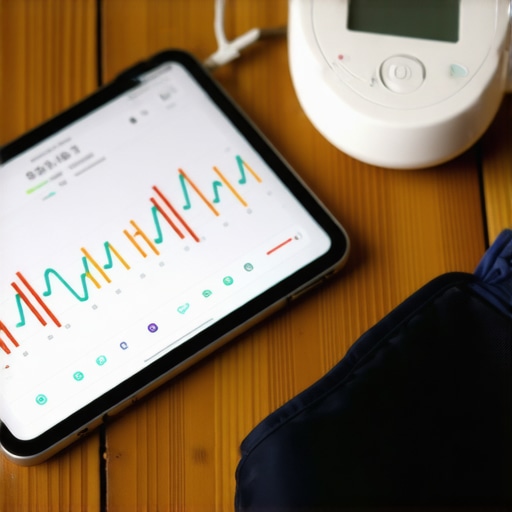 As we look at the next few years, I predict we are moving toward what niche longevity expert Dr. Peter Attia calls ‘Medicine 3.0.’ In his book Outlive, he argues that the current healthcare system is designed to treat disease only after it appears (Medicine 2.0), whereas the future is about early, aggressive prevention through biomarker tracking. This shift to how telehealth transforms personal care is already making this possible by letting us order tests and review them with providers who value prevention over just ‘normal’ ranges.
The Era of Medicine 3.0 is Already Here
I don’t just use tech for labs; I use it to scale my wellness efficiently. If you find your blood sugar is creeping up during your morning checks, you can look into 7 proven moves to lower a1c without adding more meds and track your response with a wearable. Even your immune health can be managed digitally by requesting personalized vaccination schedules for better disease prevention, ensuring you stay protected based on your actual antibody titers rather than a generic calendar. If you want to take your health to the next level, my advanced tip is this: download your raw lab data as a CSV file and look at the velocity of change. Are you trending toward the ‘red’ or the ‘green’? If you aren’t sure how to read the tea leaves of your own biology, stop guessing. Try tracking just one key marker—like your fasting insulin—every six months for the next year. You will be shocked at the patterns that emerge when you finally have the right data.
Hard Truths About Lab Data I Learned the Hard Way
Looking back at my years of exhaustion, the biggest lesson was that ‘normal’ is a statistical average, not a definition of health. I spent too much time trusting a single lab result instead of looking at my trends. Now, I advocate for proactive monitoring because why wellness checks are your first step to better health becomes undeniable once you see your own data improve. Don’t let a ‘fine’ result silence your symptoms. If you feel off, you are off—regardless of what the reference range says. Additionally, I learned that the power of telehealth isn’t just about convenience; it is about finding specialists who actually understand the nuances of non-anemic iron deficiency and metabolic health.
The Survival Gear for Your Health Journey
If you are serious about moving into ‘Medicine 3.0,’ you need more than just hope. I personally recommend keeping a digital copy of every lab you’ve ever had. I use a simple encrypted cloud folder to track my progress, but there are specialized health dashboards that do this too. I also cannot recommend Dr. Peter Attia’s work enough—his insights into longevity changed how I view my fasting insulin and metabolic markers. For those who travel or want to stay shielded from seasonal bugs, I suggest getting expert vaccination tips to ensure your immune system isn’t another hidden drain on your bandwidth. Knowledge is only power if you have a way to organize and act on it.
Stop Guessing and Start Knowing
Your energy is your most valuable currency. Do not spend it on providers who refuse to look past the basic panel. By embracing data-driven wellness and more detailed lab tests, you can stop the cycle of exhaustion and start living again. It takes one appointment to start the shift. You deserve to feel like yourself again. If you are ready to stop the ‘you are fine’ brush-off, it is time to contact us and take that first step toward a deeper diagnosis. Have you ever had a specific lab marker that completely changed your health journey once you finally tested it? Let me know in the comments below!