
The secret to managing postpartum anxiety through immediate remote support
I was sitting on the floor of the nursery at 3:14 AM, the blue light of the humidifier casting long, eerie shadows across the walls. My three-week-old was finally asleep, but my heart was hammering against my ribs like a trapped bird. I was convinced—absolutely certain—that I had forgotten how to breathe. I waited for hours, staring at the clock, thinking I just had to “tough it out” until my six-week postpartum checkup. That was my first big mistake. I thought I needed a physical office, a waiting room, and a clipboard to get help. The truth is, when you’re in the middle of a spiraling panic attack, waiting three more weeks feels like a lifetime.
How a Screen and a Specialist Saved My Sanity
The moment I realized I couldn’t do this alone, I didn’t want to pack a diaper bag, find a parking spot, and sit in a cold clinic. I needed someone now. This is where immediate remote support changed everything for me. According to the Postpartum Support International, nearly 15% of new mothers will experience postpartum depression or anxiety, yet many suffer in silence because of the logistical nightmare of seeking care. By leveraging video therapy designed for busy parents, I could talk to someone while still in my pajamas. It wasn’t just convenient; it was a lifeline. I learned that handling an unexpected panic attack doesn’t require a trip to the ER when you have a professional just a click away. Have you ever felt like you had to wait for a “scheduled” time to feel better, even when the anxiety was overwhelming right then?
Can a Video Call Really Replace an In-Person Therapy Session?
I get it. I was the biggest skeptic. I worried that the connection would be clunky or that I wouldn’t feel “seen” through a laptop lens. But here’s the thing: when you’re dealing with PPA, the comfort of your own home actually lowers your baseline stress. You don’t have the stress of a crying baby in a public lobby. In fact, many find that protecting your mental health is much easier when the barrier to entry is as low as possible. I didn’t need a sterile office; I needed a compassionate voice in my ear. Realizing that I could talk to a therapist without leaving home was the turning point in my recovery.
Take Back Control from Your Living Room Couch
When you are drowning in postpartum anxiety, the last thing you want is a logistical hurdle. I used to think I had to wait for a 45-minute drive each way just to hear a professional say I wasn’t “crazy.” Here is how you actually execute a remote care plan that works. First, you have to realize that telehealth innovations have made it so you never have to choose between your baby’s nap and your own sanity. By shifting to a virtual model, you remove the friction of the “outside world” and focus entirely on the internal work.
Make Your Space a Stress-Free Zone
I remember one Tuesday afternoon when the walls felt like they were closing in. I didn’t go to the ER. Instead, I grabbed my noise-canceling headphones, sat in my favorite armchair, and opened my laptop. The how is simple: treat your virtual session like a sacred appointment, but keep it low-pressure. You can talk to a therapist about social anxiety from home without the fear of being judged for the laundry piles in the background. It turns out, therapists actually like seeing you in your natural environment—it helps them see the real you in the moments when you feel most vulnerable. 
Stop Guessing and Start Testing Your Blood
Anxiety isn’t always just “in your head.” Sometimes it’s in your blood. After months of feeling like a zombie, I finally understood why regular lab tests are critical for your wellness journey. I discovered that my iron levels were bottoming out. I learned why your ferritin levels explain that constant brain fog and how the specific vitamin deficiency that mimics clinical depression can make PPA feel ten times worse. You don’t need a specialist’s office for this; you can get the orders online via a virtual visit and go to a local lab for a five-minute draw. This data gives you a roadmap so you aren’t just treating symptoms with caffeine and willpower.
Use the Ten-Minute Reset for Panic Attacks
I once had a panic attack while trying to buckle a car seat. My hands were shaking so hard I couldn’t click the metal tabs. Instead of spiraling for hours, I used a technique I learned in a virtual session: the ten-minute reset. Knowing how to handle a sudden panic attack using techniques from a virtual therapist is like having a fire extinguisher in your pocket. You don’t wait for the house to burn down; you put out the spark immediately by connecting with someone who can talk you through the physiological response in real-time.
Get Your Meds Without the Pharmacy Line
If you need medication, don’t let the fear of a waiting room stop you. You can literally find the 5-minute virtual move for getting your chronic prescriptions refilled or started. I was able to get my thyroid checked and my script updated through routine thyroid monitoring via video, which removed the stress of finding a babysitter just to sit in a lobby for an hour. This direct access means you spend less time being a patient and more time being a parent.Most people think that if their doctor says their labs are ‘normal,’ they are in the clear. But here is the nuance: ‘Normal’ is often just a statistical average of the general population—many of whom are already struggling with underlying issues. I learned the hard way that why a full metabolic panel is better than a basic blood draw for fatigue. If you are sitting at the very bottom of the ‘normal’ range for ferritin or B12, you are still going to feel like a zombie, even if your lab report doesn’t have a red flag. A study published in the Journal of Clinical Medicine emphasizes that subclinical deficiencies—those that fall within the low-normal range—can significantly impair cognitive function and physical stamina, especially in new parents.
The Dangerous Myth of the ‘Normal’ Lab Range
Everyone tells you that as long as you aren’t ‘anemic,’ you’re fine. In my experience, waiting for a clinical diagnosis before taking action is the biggest trap of all. You need to look for the specific blood marker that flags silent inflammation before it becomes a problem. By the time your results show a major shift, you’ve likely been suffering for months. The ‘oops’ factor here is relying on a single snapshot of your health instead of tracking trends. This is where understanding the role of lab tests in preventive wellness becomes your secret weapon. If your markers are trending downward over three months, you can intervene before a full-blown crisis hits. 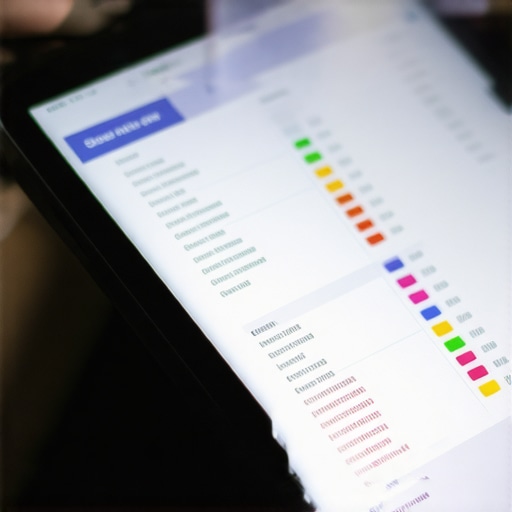
How Do You Know if Your Vaccination Strategy Actually Protects You?
This is a question many people overlook because they assume vaccinations are only a childhood concern. The hidden nuance is that your immunity isn’t a permanent shield; it’s a dynamic system that requires maintenance. For instance, why adult tetanus boosters are more important than you think often gets lost in the noise of pediatric schedules. If you are planning travel or simply want to ensure your household is safe, you need the essential lab tests you need for accurate vaccination planning. Titers can tell you exactly which antibodies you still have and which have faded. Don’t guess; test. When you maximize your health by combining vaccinations and lab testing strategies, you are moving from reactive medicine to proactive precision.
Look Closer at Your Markers to Find the Real Problem
Many patients fall into the trap of thinking a telehealth visit is ‘lite’ care. On the contrary, virtual care allows for more frequent, data-driven check-ins. You can review the hidden lab markers that show the first signs of physical burnout with a specialist who has the time to look at the nuances, rather than a rushed clinician in a busy office. Have you ever fallen into the ‘but the labs were normal’ trap while still feeling completely exhausted? Let me know in the comments.Moving from the crisis phase into what I call ‘maintenance mode’ was where I finally felt like I was winning. I stopped being the victim of my symptoms and started becoming the architect of my health. To do this, I had to stop relying on my memory and start relying on systems. One of the biggest game-changers was unlocking the power of telehealth for fast convenient wellness access whenever I felt a dip in my mood or energy. Instead of waiting for things to break, I used wellness checks as the first step to better health, often scheduling them early in the morning before the day’s chaos could derail me. I also invested in a high-quality smart blood pressure cuff that syncs directly to an app. This wasn’t just about the numbers; it was about having data to show my provider during a 5-minute virtual move for getting chronic prescriptions refilled without the back-and-forth guessing games.
How can I maintain my health results for years?
Maintenance isn’t a one-time event; it’s a rhythm. For me, that meant setting a quarterly reminder to look at my labs. I stopped viewing blood work as something you only do when you’re sick and started understanding the role of lab tests in preventive wellness as a baseline for my best self. I also had to get serious about my family’s protection. It’s easy to let things slide, but using personalized vaccination schedules for better disease prevention meant I wasn’t just following a generic chart; I was following a plan built for our specific lifestyle and travel needs. In fact, many Omaha families are switching to specialized wellness checks to ensure they aren’t just ‘fine,’ but thriving. According to Dr. Eric Topol, a leading expert in digital medicine and author of Deep Medicine, the future of healthcare lies in the ‘individualization of care’ where patients use real-time data to prevent disease before it ever manifests. 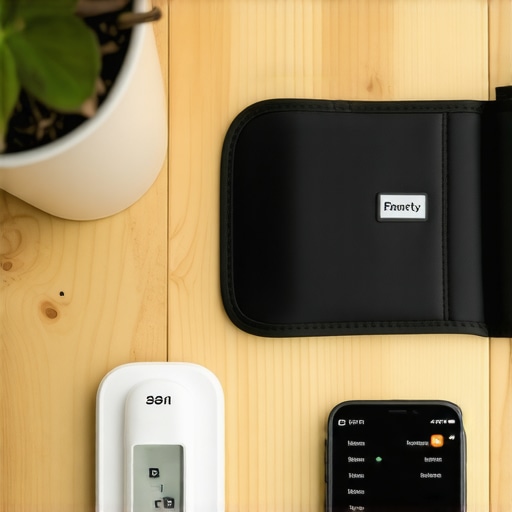
The Future of Your Living Room Clinic
I believe we are rapidly approaching a time where your smartphone will be as capable as a basic triage nurse. We are already seeing telehealth innovations changing wellness by integrating AI-driven symptom checkers that can tell the difference between a simple cold and something requiring immediate intervention. This is why I advocate for maximizing your health by combining vaccinations and lab testing strategies. When you have the data from lab tests detecting hidden health risks early, and you pair that with expert vaccination tips, you create a shield that is very hard to pierce. If you haven’t yet, I highly recommend downloading a digital health locker app to store all your results in one place—it makes sharing data with a virtual specialist incredibly seamless. Check your most recent ferritin and B12 levels today; if they are in the ‘low-normal’ range, don’t wait for them to drop further. Reach out to a provider now to discuss a proactive plan.
The Raw Truth I Learned While Fighting My Way Back to Calm
The biggest hurdle in my recovery wasn’t the lack of help; it was the belief that I had to wait for permission to seek it. I realized that waiting for a scheduled physical appointment while drowning in anxiety is a recipe for burnout. By the time I finally looked into telehealth innovations changing wellness, I discovered that support could be immediate and tailored to my messy, real life. I also learned that ‘normal’ labs are often the enemy of optimal health. If you feel terrible but your doctor says you are fine, it is time to start understanding the role of lab tests in preventive wellness from a deeper perspective.
Another ‘lightbulb moment’ was realizing that physical protection is a cornerstone of mental peace. Keeping up with personalized vaccination schedules for my family meant one less thing for my anxious brain to obsess over. When you maximize your health by combining vaccinations and lab testing strategies, you aren’t just checking boxes; you’re building a fortress around your family’s well-being.
The Sanity-Saving Tools I Keep in My Digital Wellness Kit
Building a recovery plan requires the right tools. I trust these resources because they remove the friction that usually stops us from taking action:
- A Digital Health Locker: Keeping your own copies of blood work allows you to see how lab tests can detect hidden health risks early before your next provider call.
- Morning Wellness Rituals: I prioritize wellness checks as the first step to better health, usually before 9:45 AM, to ensure my needs are met before the day’s chaos begins.
- Direct Access Apps: Having a shortcut to telehealth for fast convenient wellness access means I never have to sit in a pharmacy line while my toddler is having a meltdown.
#IMAGE_PLACE_HOLDER_E#
You Don’t Have to Do This the Hard Way
If you are in the thick of it right now, please know that the ‘standard’ way of doing healthcare isn’t the only way. You can reclaim your energy and your joy by looking at telehealth insights and the future of accessible healthcare as your new baseline. You are worth the extra investigation into your blood markers, and you are worth the convenience of a therapy session from your couch. Take that first small step today—whether it is booking a virtual consult or finally getting those labs drawn. Have you ever felt like your ‘normal’ blood test results didn’t match how you actually felt? Let me know in the comments below.