
The 5-minute virtual move for getting your chronic prescriptions refilled
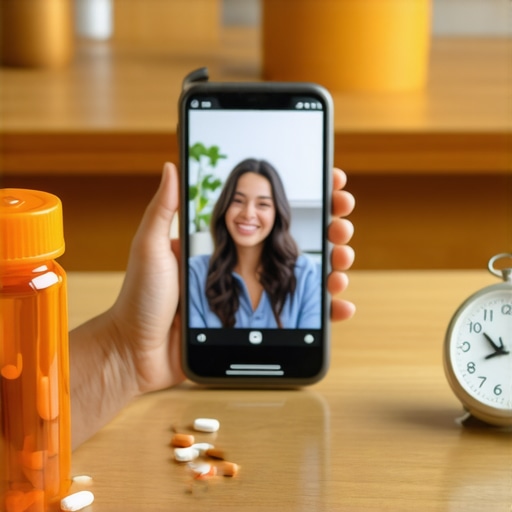
I sat there for forty-five minutes, staring at a faded poster of a human ear, just so a doctor could ask if I was still taking my blood pressure pills and click ‘send’ on a computer. It was infuriating. I had used a half-day of PTO for a thirty-second conversation that could have happened while I was making coffee. That was my breaking point. We’ve all been there—trapped in a loop of scheduling, driving, and waiting for a medication we’ve been stable on for years. But here is the secret I wish I knew sooner: that era of clinical purgatory is officially over. I discovered that the 5-minute virtual move isn’t just a shortcut; it’s the professional way to manage your health without the logistical headache. Today, I am showing you exactly how I transitioned my routine care to the cloud so I could spend my time actually living, not just waiting to be seen.
Stop Wasting Your Saturday at the Doctor’s Office
The biggest mistake I made early on was believing that I had to be physically present for every single check-in. I thought “real” medicine only happened in a brick-and-mortar building with a receptionist and a stack of old magazines. I was wrong. For chronic conditions like hypertension or thyroid issues, renewing meds online is often safer because you aren’t sitting in a room full of people with the flu. According to a study published by the Journal of the American Medical Association (JAMA), telehealth visits for chronic care can lead to significantly higher medication adherence rates because the “hassle factor” is removed. When I finally embraced virtual care innovations, my stress levels plummeted. Have you ever missed a dose simply because you couldn’t find a gap in your schedule to see the doctor? If so, you aren’t alone, and it is time to change the way you handle your scripts.
Will my insurance actually cover a five-minute chat?
This was my biggest skepticism. I assumed the insurance company would see “telehealth” and immediately deny the claim, leaving me with a massive bill. I was pleasantly surprised to find that most modern plans view these visits as a cost-saving win. In fact, many people find that fast wellness access via video is cheaper than their standard office co-pay. I once paid fifty dollars for a physical visit that lasted two minutes; now, I often use a quick path for urgent needs or refills that costs me less than a decent lunch. Even for specific needs like routine thyroid monitoring, the digital shift is seamless. It is not about cutting corners; it is about using technology to stop the cycle of unnecessary travel and redundant paperwork. We are about to dive into the specific steps to make this move work for you, ensuring your records stay updated and your pharmacy stays stocked without the drama.
Stop Being a Passive Patient and Take the Reins
To make this transition, you have to stop waiting for a nurse to call your name and start managing your own health files. My turning point was when I realized I could track down old vaccine records for a new job without spending three days on hold with my childhood pediatrician. It is about building a digital folder—PDFs of your last three years of labs, a list of current meds, and your pharmacy’s phone number. Think of your health history like a professional resume; if you do not have it ready, you are not getting the ‘job’ of a high-efficiency 5-minute appointment. When I finally organized my portal, I cut my consultation time in half because the provider wasn’t digging through faxed records from 2012.
Handle Blood Work on Your Own Schedule
People assume the ‘doctor’s visit’ and the ‘blood draw’ are a package deal. They are not. In fact, knowing why a full metabolic panel is better than a basic blood draw for fatigue allows you to walk into a local lab, get tested, and have the data in your inbox before your virtual consult even starts. This is how you avoid the ‘come back next week’ trap that burns through your PTO. I recently did this for my yearly check-up. I got my labs done on a Tuesday morning while running errands, and by Thursday, my provider and I were discussing the results in a 4-minute video chat. It is the healthcare equivalent of a pre-flight check-in—fast, automated, and accurate.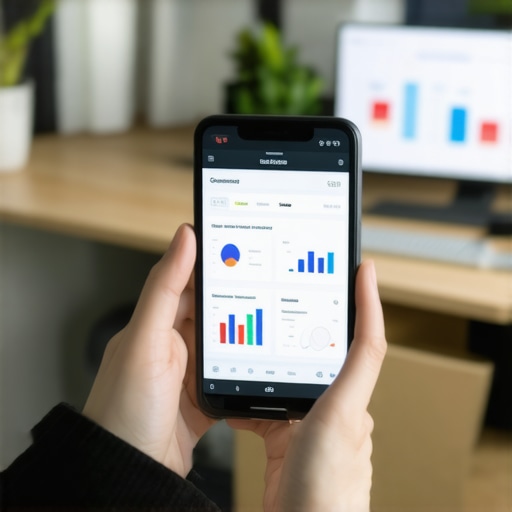
The Strategy for Lightning-Fast Prescription Renewals
The real magic happens when you use telehealth insights for accessible services to bridge the gap for routine needs. Whether you need an urgent prescription for severe allergies or you are managing long-term issues, the key is preparation. For example, routine thyroid monitoring does not require a physical exam of your neck every single time if your levels are stable and your last ultrasound was clear. I once had a provider tell me they preferred patients like this because we aren’t wasting their time either; we are both focused on the data and the solution.
Get Your Shots Without the Clinical Drama
Do not let the word ‘vaccination’ trick you into thinking you need a full hospital setup. You can use a video visit to get expert vaccination tips and a referral to a local pharmacy that handles the actual injection. I did this for a tetanus booster after a DIY project went south in my garage. Instead of a three-hour ER wait, I had a video consult while cleaning the cut, and walked into a retail pharmacy ten minutes later for the shot. It was efficient, professional, and entirely on my terms without the fluorescent lights and the crying kids in the waiting room.I used to think that as long as my lab report didn’t have any bolded ‘High’ or ‘Low’ markers, I was in the clear. That is a dangerous assumption that keeps many people in a state of ‘functional illness.’ Most lab reference ranges are built on the statistical average of the population visiting that specific lab—which, let’s be honest, often includes people who are already symptomatic or ill. To achieve real vitality, you need to look at ‘optimal’ ranges, not just ‘normal’ ones. This is why understanding the role of lab tests in preventive wellness is about more than just a binary checkmark; it is about identifying trends before they become diagnoses.
The Supplement Trap That Skews Your Results
Here is a specific ‘oops’ factor I see all the time: supplement interference. If you take Biotin for your hair and nails, it can actually cause falsely high or low results in thyroid and heart health tests. According to the FDA, biotin can significantly interfere with certain lab assays, leading to incorrect medical management. If you aren’t disclosing every single pill you take, including how your vitamin B12 results might be misleading due to high-dose supplementation, you are essentially guessing at your health status. Always pause your ‘beauty vitamins’ for 48 to 72 hours before a draw to get the most accurate data.
Why do my labs look perfect when I feel like a train wreck?
This is the most common frustration for the advanced patient. Standard medicine often looks for the house to be on fire before calling the department, but detecting hidden health risks early requires looking at the embers. For instance, your fasting glucose might be ‘normal,’ but your insulin could be skyrocketing to keep it that way. By using virtual care innovations to consult with providers who specialize in functional ranges, you can address issues like subclinical hypothyroidism or early-stage insulin resistance years before they show up as ‘abnormal’ on a standard hospital panel.
Stop Treating Immunity Like a One-Time Event
Another myth is the ‘one and done’ mentality for vaccines. Science evolves, and so does our biology. Engaging with personalized vaccination schedules isn’t about blindly following a childhood chart; it is about matching your current lifestyle, travel plans, and age to your actual risk factors. When you look at vaccination myths busted in 2025, you will see that immunity is a moving target, not a static achievement. Whether it is a booster for a new variant or a travel-specific requirement, managing these through a quick digital check-in ensures you are protected without the clinical drama. Have you ever fallen into the trap of thinking a ‘normal’ lab result meant you were fine, even though you felt exhausted? Let me know in the comments.I used to be the person who walked into a clinic with a literal accordion folder full of crinkled lab reports, hoping the nurse wouldn’t lose my only copy of a tetanus record. It was embarrassing and inefficient. Now, I use a dedicated, encrypted cloud-based folder organized by year and category (Labs, Imaging, Vitals, Vaccines). This isn’t just about being tidy; it is about leverage. When I hop on a screen for fast wellness access, I am ready to screenshare my data instantly. My personal rule is the ‘Three-Click Rule’: if I cannot find a lab result from three years ago in three clicks, my system is broken. This level of organization is exactly why wellness checks are your first step toward total health autonomy. I recommend using a scanner app on your phone to digitize every physical paper you are handed immediately—don’t let it touch your kitchen counter, or it will disappear into the abyss.
How do I keep my health data organized over the long haul?
Maintenance is the part where most people fail because they treat health like a sprint rather than a marathon. I set a recurring calendar alert for every six months to audit my digital records. This is when I check if I need to schedule personalized vaccination schedules based on my upcoming travel or if it is time to refresh my baseline blood work. By treating your health data like a professional portfolio, you move from being a ‘patient’ to a ‘manager.’ If you are just starting, focus on understanding the role of lab tests in preventive wellness as your foundation. It is much easier to maintain a clear record than it is to reconstruct one from five different hospital portals after a crisis hits.
Wearables are about to make the annual physical obsolete
I am predicting that within the next five years, the ‘annual physical’ as we know it will die. We are moving toward a model of continuous monitoring where your smartwatch and smart-ring feed data directly into an AI that alerts your provider before you even feel a symptom. Dr. Eric Topol, a leading cardiologist and digital medicine expert, argues in his book The Patient Will See You Now that the smartphone will soon be the ‘hub’ of all medical care, shifting the power dynamic entirely to the individual. We are already seeing this with telehealth transforms personal care by allowing for real-time adjustments to treatment plans. To stay ahead, start by learning how to read your own lipid panel so you aren’t waiting for a phone call to understand your own heart health. This is the ultimate way to maximize your health: combining real-time data with professional virtual oversight. I want you to try this today: download your last two lab reports from your provider’s portal, save them as PDFs in a folder titled ‘Health_Vitals,’ and look for one marker that has changed by more than 10% in either direction. That is where your next virtual conversation begins.
Moving from a passive patient to an active health manager was the most empowering shift I ever made. It is about realizing that your time is just as valuable as the provider’s. By mastering the digital tools available today, you are not just skipping a line; you are ensuring that your care is precise, data-driven, and perfectly integrated into your life.
The Unspoken Realities of Managing Your Own Lab Results
Reflecting on my transition to a digital-first approach, a few lightbulb moments changed everything for me. First, I realized that regular lab tests are critical for your wellness journey because they provide a baseline that no single physical exam can match. When you own your data, you spot the ‘creeping’ markers before they become problems. Second, showing up to a screen with a roadmap to a clearer diagnosis makes your doctor’s job easier and your treatment faster. Finally, I learned that lab tests for accurate vaccination planning are the best way to ensure you actually need that booster before you roll up your sleeve.
#IMAGE_PLACEHOLDER_E#
The Shortlist of Resources for a Digital-First Patient
I didn’t do this alone; I relied on a few specific tools and sources that I trust implicitly. I highly recommend The Patient Will See You Now by Dr. Eric Topol for anyone who wants to understand the power of the smartphone in modern medicine. For tracking my own progress, I use a simple encrypted cloud folder to store every PDF, which is why managing chronic wellness becomes a matter of clicks rather than phone calls. I also suggest bookmarking a reliable privacy policy guide so you know exactly how your data is being handled by various apps. These resources helped me stop feeling like a guest in my own medical history.
Reclaim Your Time and Health Authority
The future of medicine is already here, and it lives in your pocket. By embracing how telehealth transforms personal care, you are choosing a life of efficiency over one of frustration. Whether you are seeking a quick refill or deep-diving into your longevity markers, the digital move is the smartest play you can make. It is time to maximize your health by taking the reins of your data and your schedule. You have the tools, the knowledge, and the access—now you just need to take that first five-minute step. What is the biggest barrier keeping you from trying your first virtual refill visit? Let me know below in the comments!