
How to read your own lipid panel without a medical degree
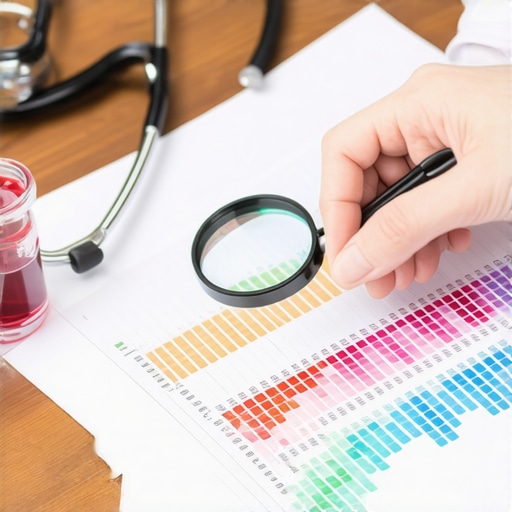
I still remember the cold sweat that broke out when I opened my patient portal at 9 PM on a Tuesday. There it was: a bright red ‘High’ next to my LDL cholesterol. I immediately felt a phantom chest pain and started mentally writing my will. I’d been eating kale! I’d been walking! Why was my body betraying me? I spent hours spiraling, convinced that my morning egg habit was the culprit. It turns out, I was looking at the data all wrong. Most of us treat our lab results like a pass-fail exam, but your blood work is more like a weather report—it requires context to understand if you actually need an umbrella. Today, I’m going to help you read your own lipid panel without panic so you can actually have an informed conversation with your doctor instead of just nodding along in fear.
Stop Panicking Over the Big Red Numbers
In my early days of obsessing over my health, I made a massive mistake: I looked at the ‘Total Cholesterol’ number as the ultimate judge of my heart health. I didn’t realize that a high total can actually be a good thing if it’s driven by high HDL, the ‘good’ stuff that cleans up your arteries. When you look at the role of lab tests in preventive wellness, you start to see that the ratios are where the real story lives. For instance, the American Heart Association emphasizes that doctors should look at the whole picture, including lifestyle and other risk factors, rather than just one single number. If you’ve ever wondered why your lab results come back normal while you still feel like trash, it’s often because the standard ranges are designed to catch disease, not necessarily to optimize your vitality. We’re going to break down what those LDL, HDL, and Triglyceride markers actually mean for your daily life.
Are these numbers actually worth the stress?
I get it—you see a number outside the ‘reference range’ and you assume the worst. But did you know that sneaky factors can ruin your cholesterol panel accuracy, like what you ate 48 hours before or even how much water you drank? Skepticism is healthy here. You should also be looking at things like your c-reactive protein levels for heart health to see if there’s actual inflammation happening, or if your cholesterol is just minding its own business. Have you ever received a lab report that made you feel like you needed to change everything about your life overnight? I’d love to hear which number caused you the most stress. By the time we’re done, you’ll know exactly which markers actually predict longevity and which ones are just noise.
Stop Obsessing Over Total Cholesterol and Look at the Traffic Instead
To truly understand your heart health, you have to stop looking at LDL as a single ‘bad’ entity and start viewing it as a fleet of delivery trucks. A standard lipid panel tells you the total weight of the cargo, but it doesn’t tell you how many trucks are on the road. This is why 7 markers in your blood work that actually predict longevity often include ApoB, which counts the actual number of particles. Think of it this way: 100 pounds of cargo carried by two massive semi-trucks is much safer for your ‘arterial highways’ than 100 pounds of cargo carried by 500 tiny, aggressive scooters that can easily crash into the walls of your blood vessels. When you look at your results, pay more attention to the Triglyceride-to-HDL ratio than the total number. If that ratio is under 2, you’re usually in a much better spot than a ‘high’ total cholesterol would suggest.
Don’t Sabotage Your Results Before the Needle Hits
I learned the hard way that your lifestyle in the 24 hours leading up to a test matters as much as your long-term habits. I once did a brutal 6 AM CrossFit session before a 9 AM blood draw, thinking I was being ‘extra healthy.’ When the results hit my portal, my liver enzymes were elevated and my inflammation markers were through the roof. I spent three days in a spiral before a provider explained that intense muscle damage from a workout can temporarily wreck your lab accuracy. This is one of the many sneaky factors that ruin your cholesterol panel accuracy. To get a clean reading, you need to avoid strenuous exercise for at least 48 hours and ensure you are properly hydrated, as dehydration can artificially concentrate the solutes in your blood. 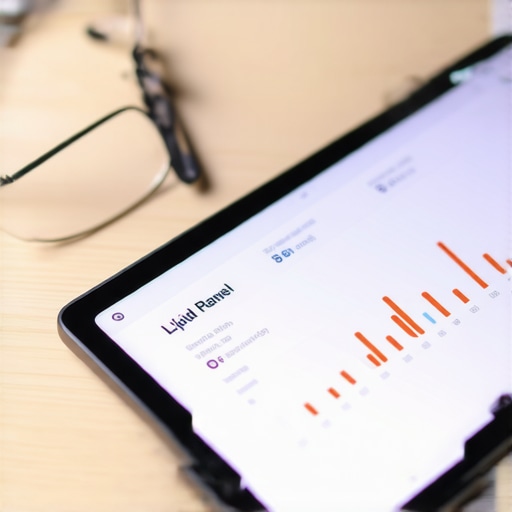
Take the Guesswork Out of Your Metabolic Health
If you really want to know if you’re headed toward trouble, the standard lipid panel is only half the story. You need to look at how your body handles energy. I always recommend people check why the fasting insulin test matters more than a1c for weight loss and general health. A1C is a three-month average, but fasting insulin is an early warning system; it can start creeping up years before your blood sugar actually breaks. If your insulin is high, your body is screaming at your cells to listen, and that chronic ‘screaming’ creates the very inflammation that makes cholesterol dangerous.
Get Your Results Explained Without the Wait
The old way of waiting two weeks for a follow-up appointment is dead. Today, you can use the power of telehealth for fast convenient wellness access to walk through your labs with a professional the moment they hit your inbox. When I switched to virtual reviews, I found I could actually ask the ‘dumb’ questions—like why my results were different just because of when I woke up—without feeling rushed out of a physical exam room. You should also be prepared to ask about interpreting your c-reactive protein levels to see if your high cholesterol is actually causing damage or if it’s just a neutral bystander in an otherwise healthy body.The biggest myth in modern wellness is the idea that ‘normal’ means ‘optimal.’ I see people every day who have lab reports filled with black text—no ‘High’ or ‘Low’ flags—yet they can barely get out of bed. If you’ve found yourself wondering why your lab results come back normal while you still feel like trash, it’s because standard reference ranges are designed to identify pathology, not performance. These ranges are often a statistical average of the local population, which, frankly, isn’t always the healthiest group. A 2021 study published in the Journal of Personalized Medicine highlights that reference ranges are frequently too broad, meaning you could be at the very bottom of a ‘normal’ range and still be suffering from significant clinical symptoms. We need to stop looking for disease and start looking for function.
The ‘Normal’ Trap and Why Your Labs Still Lie
If your doctor only runs a TSH test to check your thyroid, they are effectively checking the thermostat to see if the furnace is working. It’s a common shortcut that misses the bigger picture. You might have a perfect TSH but have zero ‘fuel’ (active T3) reaching your cells. This is one of the 3 thyroid markers your doctor probably ignored last time that could be the key to your persistent brain fog. Have you ever fallen into this trap of being told you’re ‘fine’ when you feel anything but? Let me know in the comments. I’ve found that regular lab tests are critical for your wellness journey because they allow us to see these trends before they become ‘bright red’ problems. 
Is your thyroid really working or is the TSH test lying to you?
Beyond the thyroid, another massive ‘oops’ I see is people diving into restrictive diets like keto or veganism without a baseline. This is a classic mistake. You must check your iron status before changing your diet because nutrient deficiencies can masquerade as ‘detox’ symptoms or keto-flu, when in reality, you’re just further depleting a body that was already running on empty. It’s also why I advocate for the essential lab tests you need for accurate vaccination planning; knowing your internal inflammatory state and nutrient status helps your immune system respond effectively rather than being overwhelmed.
Stop treating vaccinations like a one-size-fits-all checklist
Many adults assume their immunization journey ended in middle school, but that’s a dangerous oversimplification. Immunity is not a ‘set it and forget it’ feature of the human body. Whether you’re looking at personalized vaccination schedules for better disease prevention or simply trying to stay current, you need to understand your own titers. I’ve seen patients get shots they didn’t need and miss ones they did because they relied on old paper records instead of current blood work. This nuance is especially important for things like getting a shingles shot even if you feel great. Prevention is about foresight, not just reacting to a crisis. Using telehealth innovations to manage virtual care allows you to review these complex data points with a provider who has the time to look at the ‘why’ behind the numbers, rather than just the numbers themselves. This is the true power of telehealth insights and the future of accessible healthcare—it puts the expert in your living room so you can finally move from ‘normal’ to ‘optimal.’
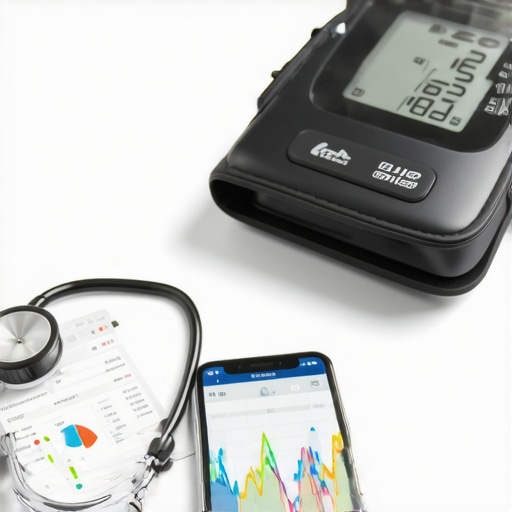
The real secret to staying in the optimal zone is what you do between the big blood draws. I’ve found that the better way to track blood pressure at home isn’t just about owning the right equipment, but sticking to a strict protocol. I personally use an Omron Platinum cuff every Tuesday morning at exactly 7 AM. Why? Because consistency is the only way to eliminate ‘white coat hypertension’ and the daily fluctuations that can lead to unnecessary medication changes. When you pair this granular data with the secret to managing high blood pressure with a remote health coach, you stop guessing and start executing a plan tailored to your specific biology. I’ve even started keeping a digital log of my Heart Rate Variability (HRV) as a proxy for my nervous system recovery. If my HRV drops, I know my body is under too much stress, which I’ve seen directly correlate with a spike in my morning glucose. This habit is exactly why wellness checks are your first step to better health; they provide the baseline data you need to make sense of your daily numbers.
How do I keep these results steady over the long haul?
Long-term maintenance requires a blend of technology and simple discipline. I rely on regular lab tests to serve as my North Star every six months. I don’t wait for symptoms to appear; I look for the slow drift of markers like fasting insulin or ApoB. A 2023 study published in The Lancet Digital Health (Vol 5, Issue 6) highlighted that patients using integrated remote monitoring tools showed significantly better management of chronic markers than those relying solely on traditional office visits. This is the heart of telehealth insights: having the expert perspective to make small pivots in real-time before a trend becomes a diagnosis. I’ve personally used this method to adjust my vitamin D intake and my exercise intensity without ever having to step foot in a waiting room.
Looking ahead, the next five years will likely bring the rise of ‘Bio-Digital Twins.’ I predict that our wearable data will soon feed directly into AI models that predict our next lab result before the needle even hits our arm. This shift toward predictive maintenance will make how telehealth transforms personal care even more dramatic and personalized. We are moving away from managing disease and toward managing performance curves. If you want to get ahead of this trend, start building your own health database today. Try this: For your next blood work review, use telehealth innovations to book a screen-sharing session. Ask your provider to show you your three-year trend lines rather than just your current results. It is the fastest way to gain the confidence you need to truly own your longevity.
Hard-Won Truths from My Personal Lab Obsession
After years of scrutinizing my own data, I realized that a single snapshot in time is often misleading. Real power comes from observing the direction your markers are moving. I used to think a slightly elevated LDL was a crisis, but now I understand that trends beat totals every single time. Another lightbulb moment was discovering that my results are heavily influenced by my circadian rhythm, which is why your lab results change based on when you woke up. Most importantly, I stopped trying to be my own doctor and started using telehealth innovations to manage virtual care effectively. Having a professional interpret the ‘gray areas’ in real-time saved me months of unnecessary stress.
The High-Performance Health Toolkit
I do not rely on luck; I rely on specific tools that provide clarity. To keep my baseline steady, I prioritize regular lab tests every six months. I also keep a meticulous digital record of my immunizations, because personalized vaccination schedules for better disease prevention ensure I am never over-vaccinated or left unprotected. For those wanting a masterclass on these longevity markers, I highly recommend tracking your data in a simple health journal alongside your morning heart rate to see how lifestyle shifts impact your biology. #IMAGE_PLACEHOLDER_E#
The Future of Your Vitality Starts with Action
Your blood work is not a static grade; it is a living map of your internal health. By learning how to read your own lipid panel without panic, you move from being a passive patient to an active participant in your own longevity. Do not let the ‘normal’ range keep you from feeling optimal. Wellness checks are your first step toward a future where health is a deliberate choice rather than a roll of the dice. Which lab marker has caused you the most confusion lately? Let me know in the comments below!