
Why you should check your iron levels before starting a high-intensity gym routine
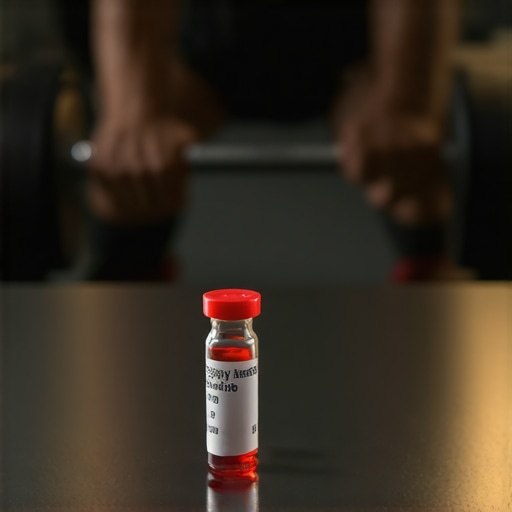
I was three weeks into a brand-new CrossFit kick when I realized something was horribly wrong. It wasn’t the muscle soreness—I expected that. It was the crushing, soul-sucking fatigue that hit me halfway through a set of wall balls. My ears were ringing, and my heart felt like a frantic bird trapped in a shoebox. I thought I just needed more coffee or a better pre-workout. I was wrong. I was actually running on empty—literally. My iron levels were in the basement, and by pushing myself in the gym, I was just digging a deeper hole. I don’t want you to make the same mistake I did. Today, we’re diving into why checking your blood is just as important as checking your form, and how why wellness checks are your first step to better health can save your fitness journey before it even starts.
Your Muscles Are Basically Gasping for Oxygen
When you go ‘beast mode’ at the gym, your muscles are screaming for oxygen. Iron is the essential component of hemoglobin, which carries that oxygen from your lungs to your quads and biceps. If you’re low on iron, your muscles are essentially trying to breathe through a straw. I spent months wondering why my progress stalled and why the real reason you’re exhausted after a full night’s sleep felt like a permanent state of being. It turns out, according to the World Health Organization, iron deficiency is the top nutritional disorder globally, affecting billions. This isn’t a rare condition; it’s a likely hurdle. This is precisely how lab tests can detect hidden health risks early in your fitness path. Ignoring these signs doesn’t make you tougher; it just makes you less efficient.
Is a Blood Test Actually Worth the Hassle?
I used to be a skeptic too. I figured if I was eating enough steak, I was fine. But diet is only half the story—absorption and sweat loss play huge roles too. If you’re serious about your gains, understanding the role of lab tests in preventive wellness is the smartest move you can make. It’s the difference between seeing results in four weeks and giving up in two because you feel like a zombie. Have you ever felt lightheaded after a heavy set and just assumed it was ‘part of the process’?That lightheadedness isn’t a badge of honor; it’s data your body is screaming at you. To fix it, you need to stop guessing and start measuring.
Ditch the Basic Blood Draw for a Full Strategy
Most people treat a blood test like a pass-fail grade. If the doctor doesn’t call, they assume they are fine. But being fine and being fit are two different zip codes. Think of a standard lab test like a car’s check engine light—it only tells you something is broken. A comprehensive panel is like a high-end diagnostic tool that tells you exactly how much fuel is in the tank and the health of your spark plugs. This is exactly why a full metabolic panel is better than a basic blood draw for fatigue. You need to see the whole picture, not just a snapshot of one or two markers. I remember walking into a clinic after my training plateaued, feeling like I was running through waist-deep water. My doctor ran a basic test and said everything was normal. But normal is for the average sedentary person, not for someone trying to crush a PR. It wasn’t until I demanded a deeper look that we found my iron stores were essentially empty. This is why you should check your iron status before changing your diet or adding expensive supplements.
Find the Hidden Signs of Physical Burnout Before You Crash
When I was prepping for a local endurance event, I ignored the twitching in my eyelids and the fact that I was waking up at 3 AM with my heart racing. I thought I was just driven. In reality, I was overreaching. By looking for the hidden lab markers that show the first signs of physical burnout, I could have dialed back my intensity for a week and saved myself a month of recovery later. Your blood doesn’t lie, even when your ego does. Identifying the specific markers that prove your exercise routine is actually working is the only way to know if those 5 AM sessions are making you stronger or just making you tired.
Use Virtual Visits to Skip the Line
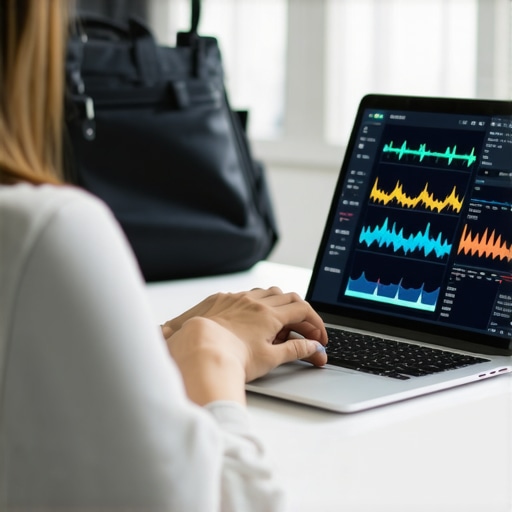
The biggest hurdle to getting tested is often the time it takes to drive to a clinic and sit in a waiting room. That is old-school thinking. We are revolutionizing wellness through telehealth to make this process seamless. You can order the right panels, discuss the results, and adjust your training plan from your kitchen table. It is about efficiency. If you see a high cortisol reading, for instance, do not panic. It is often just a sign that your body is responding to the stimulus of training. However, knowing how to interpret a high cortisol result without jumping to conclusions is key. You look at it in context with your sleep, your resting heart rate, and your performance.
Build a Shield with Lab Tests and Smart Immunity
True fitness is about how long you can stay in the game. An unexpected illness can wipe out three months of gains in a single week. This is where maximizing your health by combining vaccinations and lab testing strategies becomes your secret weapon. If your blood work shows you are under heavy stress, your immune system is likely compromised. That is the worst time to skip a booster or ignore preventative care. Use your lab data to decide when your body is primed for a heavy training block and when you need to focus on boosting your immunity with expert tips to stay on the field and keep your progress moving forward.
The biggest mistake I see people make—and I made it for years—is believing that a normal lab result means everything is optimal. Your doctor’s lab report uses a reference range based on the average population. But let’s be honest: the average population isn’t exactly a pillar of health. If your iron or Vitamin D is at the very bottom of that normal range, you aren’t thriving; you’re just not dying. This is why regular lab tests are critical for your wellness journey because they allow you to see your personal trends over time rather than comparing yourself to a statistical average that includes people with completely different lifestyle factors.
The Supplement Trap That Ruins Your Lab Accuracy
One huge oops factor that almost nobody talks about is the Biotin Trap. Many of us take high-dose biotin for hair and skin gains. However, the American Thyroid Association has warned that biotin can significantly interfere with laboratory assays, potentially showing a false high for thyroid hormones or a false low for troponin. I have seen athletes panic over thyroid results when they just needed to stop their vitamins for 48 hours. It is a prime example of why your vitamin b12 results might be misleading if you take certain supplements. Always disclose every single pill you swallow before that needle hits your arm. 
Can a Routine Vaccination Actually Tank Your Workout Performance?
The short answer is: only if your timing is terrible. A common myth is that you should push through the fatigue of a vaccine to maintain your routine. This is a massive error. When you receive a shot, your immune system is essentially in a high-stakes training camp. Pushing a heavy leg day 24 hours later can lead to systemic inflammation that stalls recovery for both your muscles and your immune response. Instead, use the essential lab tests you need for accurate vaccination planning to ensure your body isn’t already under high stress. By maximizing your health by combining vaccinations and lab testing strategies, you can schedule your boosters during a de-load week. This isn’t just about avoiding a sore arm; it’s about vaccinations myths busted what you need to know in 2025—specifically that the best immunity comes from a body that isn’t already overtaxed.
Upgrade to a Virtual Strategy for Better Precision
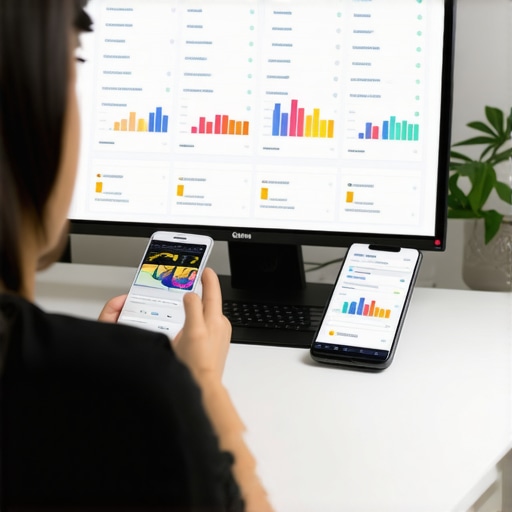
The nuance of modern care is that you don’t need to be a scientist to manage this level of detail. We are seeing telehealth innovations how virtual care is changing wellness by allowing patients to review these complex markers with experts who understand the athlete’s normal versus the sedentary normal. You can get a high-level consultation without the stress of a commute, which itself can spike your cortisol before a draw. Have you ever fallen into the trap of thinking normal was good enough, only to find out you were actually subclinical? Let me know in the comments.I have learned the hard way that you cannot manage what you do not measure. For me, the ultimate game-changer was moving away from scattered paper files and into a centralized digital health dashboard. This isn’t just about being organized; it is about establishing context. When I see my ferritin levels rising alongside a drop in my resting heart rate on my wearable, I know my training is hitting the sweet spot. I personally use a combination of daily biometric tracking and quarterly blood draws to verify the truth. This is why regular lab tests are critical for your wellness journey because they act as the ultimate ‘fact-check’ for your subjective feelings. If I feel great but certain 7 markers in your blood work that actually predict longevity are trending in the wrong direction, I know I need to pivot my recovery protocols before the crash happens.
Stop Guessing and Start Using a Digital Health Dashboard
I rely on a specific method of data layering. I sync my wearable data with my clinical results to see how a bad night’s sleep directly impacts my fasting glucose the next morning. According to research published in the Journal of the American Medical Informatics Association (JAMIA), patients who actively engage with their health data through integrated portals see significantly better outcomes in managing chronic markers. We are unlocking the power of telehealth for fast convenient wellness access so you can do the same without needing a medical degree. By having your understanding lab tests your roadmap to clearer diagnosis available at your fingertips, you can make real-time adjustments to your diet and intensity.
How do I maintain these health gains year-round?
Consistency is the boring secret to high performance. I schedule my lab work and my personalized vaccination schedules for better disease prevention on my digital calendar just like I do for my client meetings. You have to treat your health maintenance as a non-negotiable appointment. When life gets chaotic and I can’t get to the gym, I lean on telehealth innovations how virtual care is changing wellness to keep my prescriptions and monitoring on track. It is about removing the friction. If getting a check-up requires a four-hour ordeal, you won’t do it. If it takes five minutes on your phone, you have no excuse. This is why wellness checks are your first step to better health that actually lasts longer than a New Year’s resolution.
Your Future Health Will Be Live-Streamed
I predict that within the next five years, the ‘annual physical’ will be obsolete. We are moving toward a model of continuous monitoring where your blood chemistry is analyzed in near real-time via minimally invasive sensors. Until then, the best tool you have is the strategic use of how lab tests can detect hidden health risks early. Don’t wait for a symptom to appear. Be the person who knows their numbers inside and out. Pick one marker you have never tested before—like ApoB or Ferritin—and schedule a virtual consult today to see where you actually stand. It is the single most effective way to ensure your ‘beast mode’ doesn’t lead to a total system breakdown.
The Brutal Truth About Why My Progress Flatlined
I wasted six months trying to ‘train harder’ when I actually needed to rest more. The biggest lightbulb moment for me was realizing that my iron levels didn’t just affect my energy—they affected my mental clarity and my ability to handle stress. If you are taking high doses of vitamins, remember that why your vitamin b12 results might be misleading can change your entire diagnosis. I also discovered that ‘normal’ blood pressure at home doesn’t mean you’re in the clear; sometimes it’s the hidden reasons your blood pressure is high only at the doctors office that you need to watch out for. Lastly, I realized my over-reliance on protein powders was actually why your high protein diet might be stressing your kidneys without me even knowing it.
Tools That Keep Me From Flying Blind
I don’t leave my health to chance anymore. I use a specific stack of resources to stay ahead of the game. First, I rely on my digital health portal to track 7 markers in your blood work that actually predict longevity. Second, I cross-reference my training load with the essential lab tests you need for accurate vaccination planning so I never crash after a booster. Finally, I highly recommend finding a practitioner who focuses on understanding the role of lab tests in preventive wellness rather than just looking for sickness. This shift from ‘waiting for symptoms’ to ‘optimizing levels’ was the single most effective change I made for my long-term health.
Write Your Own High-Performance Story
You have the data, the technology, and the access to change your trajectory right now. Don’t be the person who only looks under the hood when the engine starts smoking. By embracing telehealth insights the future of accessible healthcare services, you can manage your health from anywhere without sacrificing your schedule. This is the ultimate commitment to your wellness journey. If you’re ready to stop guessing and start knowing, contact us today to set up your first comprehensive screening.
Have you ever had a lab result come back ‘normal’ even though you felt like garbage? Let me know in the comments below!