
How to interpret a high cortisol result without the panic

The notification chime of a patient portal at 9:00 PM is the universal sound of impending doom. I remember staring at my screen three years ago, my heart pounding harder than the ‘high’ reading I was looking at. My cortisol levels were flagged in bright red, and I immediately assumed the worst. I spent the next four hours spiraling down a Google rabbit hole, convinced I had everything from Cushing’s disease to a complete adrenal breakdown. It was exhausting, and frankly, it was entirely unnecessary. We have all been there—you want answers, but the raw numbers often feel like a coded message that is screaming ‘danger’ when it might just be whispering for attention. Today, I am going to show you how to look at that scary number with a level head so you can actually move forward with your health instead of just losing sleep over it. [image_placeholder]
Stop the Google Spiral and Breathe
The truth is, cortisol is a flighty little hormone. It does not just measure chronic, life-altering stress; it reacts to the double espresso you drank an hour before the draw or the fact that you were stuck in traffic on the way to the clinic. When I first started digging into my own health, I did not realize how lab tests can detect hidden health risks early without every outlier being an immediate catastrophe. I made the mistake of treating a single data point like a finished story instead of a single sentence in a very long book. According to the Endocrine Society, ‘a single elevated cortisol measurement is rarely enough to diagnose a specific condition’ because levels fluctuate wildly throughout the day based on sleep, diet, and physical activity. If you are feeling the pressure, remember that why regular lab tests are critical for your wellness journey is specifically to see these patterns over time, not to jump to conclusions based on one bad Tuesday morning.
Is One Blood Test Really Enough to Worry?
You might be thinking, ‘But the lab report says High! That has to mean something is wrong, right?’ Skepticism is healthy, and I used to think the exact same thing. But I have since learned that interpreting your lab results requires a layer of context that a PDF printout simply cannot provide. For instance, why your morning coffee is sabotaging your anxiety labs is a real phenomenon that can spike your numbers artificially. If you did not sleep well or if you were nervous about the needle, your ‘stress hormone’ did exactly what it was designed to do: it rose to the occasion. If you need a second opinion fast, unlocking the power of telehealth can get you in front of a professional to calm those nerves without the three-week wait for an office visit. Have you ever opened a lab report and felt that immediate ‘thud’ in your chest because of one high number? I would love to hear how you handled that initial panic.To get a real handle on what those numbers mean, you have to start with the ‘When.’ Cortisol follows a strict diurnal rhythm, peaking shortly after you wake up and dropping to its lowest point around midnight. If your test wasn’t done between 7:00 AM and 9:00 AM, that high reading is basically a useless data point. I learned this the hard way during a particularly chaotic month. I squeezed in a lab draw at 3:00 PM after three cups of coffee and a stressful meeting. The results were through the roof, and I spent days panicking about adrenal tumors before a doctor pointed out that afternoon spikes are common if you’re over-caffeinated and under-rested. This is exactly why your morning coffee is sabotaging your anxiety labs; it creates a false high that doesn’t reflect your baseline health.
Look for the Hidden Co-conspirators in Your Bloodwork
Cortisol never acts alone. It is part of a complex feedback loop involving your thyroid, your blood sugar, and even your gut. When you see a high cortisol number, your next move should be to scan the rest of your panel for context. Are your glucose levels also elevated? If so, you might be looking at metabolic stress rather than just emotional anxiety. Many people ignore how 7 lab markers that prove your metabolism is stalling can actually drive cortisol up as your body struggles to manage energy.  Think of your lab results like a single still frame from a movie. If that frame shows a person looking panicked, you might assume they are in danger. But if you watch the whole movie—your full health history—you might see they were just surprised by a friend. You need the whole story to understand the plot.
How to Cross-Reference Your Results
Check your TSH and T4 levels alongside that high cortisol. Often, understanding the role of lab tests in preventive wellness means seeing how one hormone compensates for another. If your thyroid is sluggish, your adrenals might be working overtime to keep you upright. This is frequently why your lab results come back normal while you still feel like trash; the individual numbers look okay-ish, but the relationship between them is completely out of sync. Instead of obsessing over the one ‘High’ flag, look at the spread. If your lipids are off too, you can learn how to read your own lipid panel without panic to see if systemic inflammation is the real culprit driving that cortisol spike.
Use the Telehealth Fast Track for Real Answers
Waiting three weeks for a follow-up appointment is the fastest way to let health anxiety spiral out of control. When I was stuck in that loop, I realized that telehealth innovations how virtual care is changing wellness meant I didn’t have to wait. You can upload your PDF to a provider who can look at the timing, your symptoms, and your other markers in real-time. They can tell you if you need a 24-hour urine catch or a saliva test—which are often more accurate for cortisol—without you having to drive across town. This transition to virtual care allows for much faster adjustments to your plan, whether that’s a supplement change or a lifestyle shift, before a one-time high reading becomes a permanent habit.To get a real handle on what those numbers mean, you have to start with the ‘When.’ Cortisol follows a strict diurnal rhythm, peaking shortly after you wake up and dropping to its lowest point around midnight. If your test wasn’t done between 7:00 AM and 9:00 AM, that high reading is basically a useless data point. I learned this the hard way during a particularly chaotic month. I squeezed in a lab draw at 3:00 PM after three cups of coffee and a stressful meeting. The results were through the roof, and I spent days panicking about adrenal tumors before a doctor pointed out that afternoon spikes are common if you’re over-caffeinated and under-rested. This is exactly why your morning coffee is sabotaging your anxiety labs; it creates a false high that doesn’t reflect your baseline health.
Look for the Hidden Co-conspirators in Your Bloodwork
Cortisol never acts alone. It is part of a complex feedback loop involving your thyroid, your blood sugar, and even your gut. When you see a high cortisol number, your next move should be to scan the rest of your panel for context. Are your glucose levels also elevated? If so, you might be looking at metabolic stress rather than just emotional anxiety. Many people ignore how 7 lab markers that prove your metabolism is stalling can actually drive cortisol up as your body struggles to manage energy. Think of your lab results like a single still frame from a movie. If that frame shows a person looking panicked, you might assume they are in danger. But if you watch the whole movie—your full health history—you might see they were just surprised by a friend. You need the whole story to understand the plot.
How to Cross-Reference Your Results
Check your TSH and T4 levels alongside that high cortisol. Often, understanding the role of lab tests in preventive wellness means seeing how one hormone compensates for another. If your thyroid is sluggish, your adrenals might be working overtime to keep you upright. This is frequently why your lab results come back normal while you still feel like trash; the individual numbers look okay-ish, but the relationship between them is completely out of sync. Instead of obsessing over the one ‘High’ flag, look at the spread. If your lipids are off too, you can learn how to read your own lipid panel without panic to see if systemic inflammation is the real culprit driving that cortisol spike.
Use the Telehealth Fast Track for Real Answers
Waiting three weeks for a follow-up appointment is the fastest way to let health anxiety spiral out of control. When I was stuck in that loop, I realized that telehealth innovations how virtual care is changing wellness meant I didn’t have to wait. You can upload your PDF to a provider who can look at the timing, your symptoms, and your other markers in real-time. They can tell you if you need a 24-hour urine catch or a saliva test—which are often more accurate for cortisol—without you having to drive across town. This transition to virtual care allows for much faster adjustments to your plan, whether that’s a supplement change or a lifestyle shift, before a one-time high reading becomes a permanent habit.
Don’t Let ‘Normal’ Ranges Lie to You
One of the biggest lies we are told in modern medicine is that ‘within normal limits’ is synonymous with ‘healthy.’ I fell into this trap for years. I would see my results, breathe a sigh of relief, and ignore the fact that I was still dragging myself through the day with brain fog. The truth is, laboratory reference ranges are often based on a statistical average of the general population—many of whom are not actually healthy. As noted in a study by the Journal of Laboratory Medicine, these ranges simply reflect the middle 95% of a group, which can include people with undiagnosed metabolic issues. This is why your lab results come back normal while you still feel like trash even when the doctor says you are fine. To get ahead, you need to look for ‘optimal’ ranges, not just ‘normal’ ones. 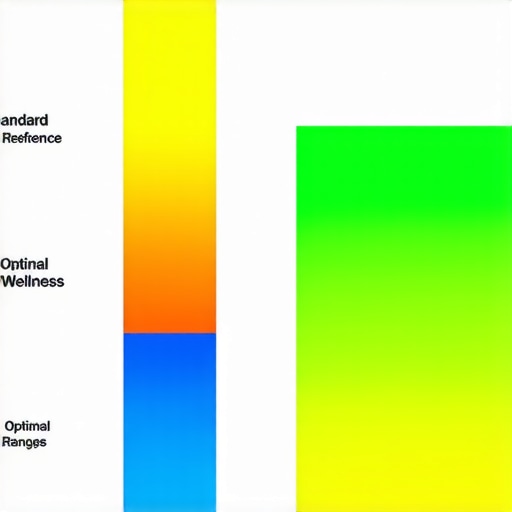
Can a Single A1c Number Hide Early Insulin Resistance?
Most people rely on the Hemoglobin A1c test to tell them if they are at risk for diabetes, but that is a lagging indicator. By the time your A1c climbs, your body has been struggling for years. This is why the fasting insulin test matters more than a1c for weight loss and metabolic health. If you are only looking at glucose, you are missing the underlying fire. Have you ever had a ‘perfect’ lab report but still felt like something was fundamentally off? Let me know in the comments.
Stop Testing Only When You Feel Sick
The biggest mistake I see is people treating lab work like a diagnostic tool for current pain rather than a map for future prevention. Why wellness checks are your first step to better health is because they capture your baseline when things are good. If you wait until you are exhausted, you have no ‘healthy’ version of yourself to compare your results against. Even your vaccinations need this context. Did you know that why high stress levels make your tetanus shot more painful is a documented physiological response? High cortisol actually increases pain sensitivity during immunizations. If you are managing your health proactively, you can use maximize your health combining vaccinations and lab testing strategies to ensure your immune system is actually ready for the challenge. Don’t fall into the trap of ‘reactive’ medicine. If you want a deeper look, check out vaccinations myths busted what you need to know in 2025 to see how the science of prevention has evolved. Have you ever fallen into the trap of only seeing a doctor when you’re already in a crisis? Let’s talk about it below.Once you stop reacting to every outlier and start predicting your own biology, you need a system to keep that momentum going. I don’t just mean keeping a folder of PDFs hidden in your email. I’ve found that the only way to stay ahead of the curve is to treat my body like a high-performance machine that requires constant telemetry. If you want to know how lab tests can detect hidden health risks early, you have to look at the trend lines, not just the individual dots. I personally use a digital health dashboard to aggregate my data, seeing how my fasting insulin correlates with my sleep quality over months. This long-term view is why regular lab tests are critical for your wellness journey; they provide the hard evidence that your subjective feelings might miss.
Build Your Own Health Dashboard
I recommend using a simple spreadsheet or a specialized health-tracking app to log what I call the ‘Vital Five’ markers: Fasting Insulin, TSH, Vitamin D, ApoB, and hs-CRP. By tracking these myself, I can spot a downward trend months before a standard physical would flag a problem. When I noticed my inflammatory markers creeping up last winter, I didn’t wait for my annual checkup. I turned to unlocking the power of telehealth to get a professional opinion and adjust my protocol in real-time. This level of ownership is the difference between being a passenger in your healthcare and being the driver. 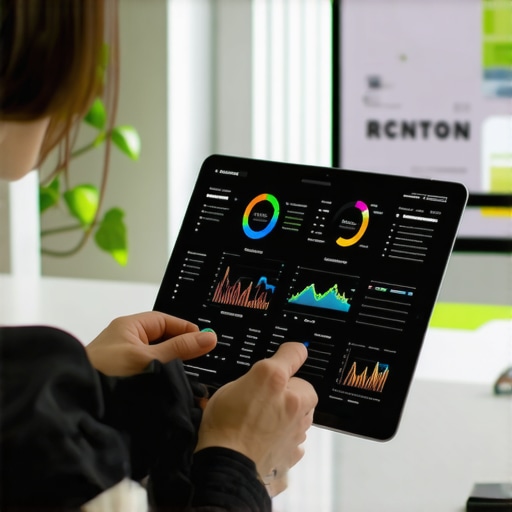
How do I maintain my health data over time?
Consistency is the only ‘hack’ that actually works. I set a recurring calendar alert for every ninety days to review my metrics and decide if I need to order fresh blood work. Often, the essential lab tests you need for accurate vaccination planning serve as a great baseline for overall immune resilience. If your white blood cell count or Vitamin D levels are chronically low, your body isn’t in the best position to handle new challenges. I expect that in the next few years, we will see the rise of ‘digital twins’—AI-driven models of our own bodies that use this data to simulate how we will react to different diets or medications. As Dr. Eric Topol, a leading expert in digital medicine, notes in his research on individualized care, we are entering an era where ‘real-time, continuous monitoring’ will replace the archaic annual physical.
The Pro-Level Gear for Wellness Minimalists
You don’t need a lab in your basement, but you do need tools that provide high-fidelity data. I rely on a combination of a wearable Oura ring for sleep and recovery tracking, paired with bi-annual metabolic panels. This synergy is telehealth insights the future of accessible healthcare services because I can beam my wearable data directly to my provider. Even when it comes to preventative care, like personalized vaccination schedules for better disease prevention, having this data allows for precision. You can time your boosters for when your cortisol is low and your recovery scores are high, ensuring your immune system responds robustly. I challenge you to take one marker you’ve struggled to understand—perhaps your cholesterol—and learn how to read your own lipid panel without a medical degree. Once you master the ‘why’ behind the numbers, the ‘what to do’ becomes incredibly clear.
Hard Truths About Chasing Perfect Numbers
When I look back at my ‘Google spiral’ days, I realize I was treating my body like a math equation where every variable had to be perfect. Here is what I wish someone had told me then: First, your labs are a snapshot, not a life sentence. Second, the ‘normal’ range is a baseline for the average person, but you are not average—you are you. Third, the most important part of understanding lab tests is how you feel, not just what the paper says. Finally, I learned that how to get honest answers about your hormone health involves finding a provider who listens to your symptoms as much as your stats.
The Tools That Simplified My Wellness Journey
I would not be where I am today without a few key resources. I highly recommend the book Deep Medicine by Eric Topol for anyone wanting to understand the AI-driven future of personalized care. For my day-to-day, I use a dedicated health dashboard to see how my lifestyle affects my ‘Vital Five’ markers. I also swear by telehealth insights the future of accessible healthcare services to get expert eyes on my results within hours, not weeks. Lastly, remember that why wellness checks are your first step to better health is because they build the data library you will need to spot trends before they become problems. [image_placeholder]
Start Driving Your Own Wellness Path
It is time to stop being intimidated by your patient portal. You have the power to maximize your health combining vaccinations and lab testing strategies by staying proactive and informed. Your lab tests are just tools in your belt—do not let them become weights around your neck. Start small, track your trends, and trust your intuition as much as the data. You are the driver of this journey, not just a passenger waiting for a diagnosis.