
How to track down old vaccine records for a new job
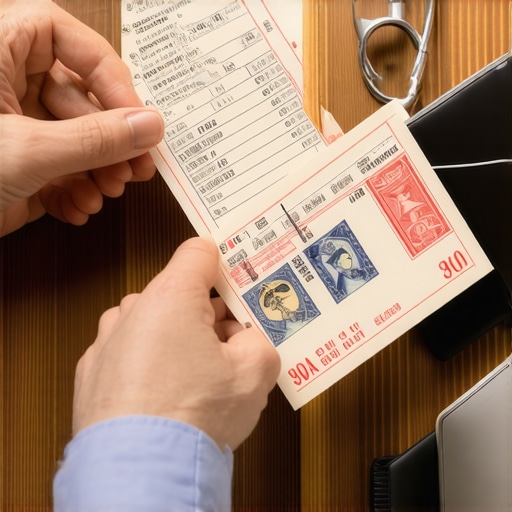
I was frantic. Sweat beaded on my forehead as I scrolled through a decade of old Gmail folders, searching for anything that looked like a medical record. My new employer—a hospital with strict compliance rules—needed my immunization history by Friday, or the job offer would vanish. I’d spent three hours digging through a damp cardboard box in my basement, only to find a 4th-grade report card and a half-empty pack of Pokémon cards. It was a wake-up call. I realized then that my ‘system’ for health records was basically non-existent. I had assumed that somewhere, in some giant digital cloud, a master file of my life existed. I was wrong. [IMAGE_PLACEHOLDER]
Stop Digging Through Your Attic for That Yellow Card
The panic of a missing vaccine record is a specific kind of stress. You want the job, you’ve done the interviews, and now a 20-year-old piece of paper stands between you and your first day. Early in my career, I made the mistake of thinking my pediatrician would keep my files forever. I called their office only to find out they’d retired and the records were purged a decade ago. It was a hard lesson in understanding the role of lab tests in preventive wellness and the importance of self-advocacy. If you’re in this boat, don’t just start calling every doctor you’ve seen since 1995. You need a strategy. We are going to look at state registries, school records, and how to get your family’s vaccine records even when the paper trail seems dead. My goal is to save you the $400 I spent on unnecessary titers because I didn’t know where to look.
Will I really have to get poked again if I can’t find them?
This is the fear everyone has. Nobody wants extra needles or extra bills. The truth is, if we can’t find the paper, we can often prove you’re protected through blood work. This is where essential lab tests for vaccination planning come into play. A quick titer test can show you have antibodies for things like Measles or Hepatitis B, satisfying most HR departments without a fresh injection. Have you ever been stuck at the HR desk realizing you have no idea where your shot records are? It’s more common than you think.
The Hidden State Repositories You Probably Forgot
Most people don’t realize that every state has an Immunization Information System (IIS). While it’s not a perfect ‘national’ database, it’s often the best shortcut. According to the CDC, these registries are confidential, population-based databases that record all immunization doses administered by participating providers. However, for those of us who moved around a lot, the data can be fragmented. If you grew up in one state and moved for college, you might need to check two different registries. It’s also worth looking into how to verify your status without a paper trail by contacting your high school or university. They often keep these records for much longer than a family physician’s office does. When I finally found mine, it wasn’t at a doctor’s office; it was buried in my college registrar’s archives. Knowing your personalized vaccination schedules isn’t just about health; it’s about career security.
Go Straight to the Source with State Registries
When I finally stopped pacing my kitchen, I realized I was treating my medical history like a lost set of keys. Instead, I should have treated it like a credit report. Most states use an Immunization Information System (IIS), which is essentially a digital ledger of every shot you’ve received in that jurisdiction. If you’ve moved, you’ll need to contact the health department in each state where you lived. You can often track down your school immunization history instantly by reaching out to the school district’s central records office rather than the individual school building. It’s a faster route because those files are often archived and digitized long after the school nurse’s office has been cleared out.
Let Your Blood Prove Your Immunity
Sometimes, the paper trail is just cold. That’s when you turn to titer testing. Think of a titer test as a biological background check. Instead of proving you were at the clinic in 1998, you’re proving the medicine actually worked. When I was applying for that hospital gig, I couldn’t find my Varicella record anywhere. I was convinced I’d have to get the shot again. Instead, my doctor ordered a titer. It turns out my body was still ‘holding the memory’ of the vaccine. You can maximize your health by combining vaccinations and lab testing strategies to avoid over-vaccinating while ensuring you’re protected. It’s the most efficient way to prove your immunity status for international travel fast or for employment without the guesswork. 
Watch Out for the Waning Protection Trap
Even if you find the records, they might not be enough. Immunity isn’t always a ‘one and done’ deal; it’s more like a battery that loses its charge over time. This is why you might need a booster even if you’re fully vaccinated years ago. For example, Tetanus and Pertussis need regular refreshes. I remember my brother thinking he was safe because he had his ‘baby shots,’ only to realize his last Tetanus booster was during the Clinton administration. Checking these levels through blood work is part of how telehealth innovations are changing wellness, allowing you to discuss your results with a provider from your couch before you ever set foot in a lab.
Get Your Plan in Motion Fast
If you are staring at a Friday deadline like I was, don’t wait for a physical appointment. Use a virtual visit to get your lab orders immediately. You can boost your immunity with expert vaccination tips and get the right diagnostic orders in minutes. I managed to get my titer results back in 48 hours because I didn’t spend three days waiting for an opening at a traditional clinic. The goal is to move from panic to a plan in under an hour.Look, the biggest mistake I see people make isn’t just losing their paper records—it’s assuming that a ‘normal’ lab result is the same as being healthy. In the world of clinical diagnostics, there’s a massive gap between simply not being sick and actually being optimal. The reality of why your lab results come back normal while you still feel like trash is a conversation I have almost weekly. It is often because standard reference ranges are based on the average population, which is not exactly a high bar for wellness. Most people think of vaccination as a box to check once and forget, but if you are looking at 7 markers in your blood work that actually predict longevity, your immune resilience is at the top of that list. We treat immunity like a static shield, but it is actually a living system that needs active monitoring.
What if my blood work shows no immunity despite having the shots?
This is the ‘non-responder’ nuance that catches people off guard. A small percentage of the population does not develop a significant antibody response to certain vaccines, such as Hepatitis B. According to the CDC, if you are a non-responder, getting repeated doses might not always help, and it is vital to know this status before you are exposed in a high-risk environment. This is exactly where the essential lab tests you need for accurate vaccination planning become a legitimate lifesaver. Another common trap is scheduling your blood work or boosters during a high-stress week. There is a physiological reason why high stress levels make your tetanus shot more painful; elevated cortisol can actually blunt your immune response and skew your titer results.  If you are white-knuckling it through a 60-hour work week, your lab work might not reflect your true immune status. You do not have to sit in a physical waiting room to decode these complexities anymore. Current telehealth innovations how virtual care is changing wellness mean you can review these advanced nuances with an expert who understands how to look past the ‘normal’ range and customize a plan for your specific biology. Have you ever fallen into this trap of getting ‘normal’ results but knowing something was definitely off? Let me know in the comments.
Once you finally have those records in hand, don’t just shove them back into a dusty folder. I learned the hard way that health data is only as good as its accessibility. I now use a secure, encrypted digital ‘Bio-Vault’ for everything from immunization cards to blood panels. By digitizing these files, you can start to see patterns that a single office visit might miss. This is exactly why regular lab tests are critical for your wellness journey; a single data point is just a snapshot, but a decade of data is a comprehensive map of your vitality. I personally rely on the SMART on FHIR (Fast Healthcare Interoperability Resources) standard, which is a technical framework used by many modern patient portals to let you download and aggregate your data securely. According to the HL7 International organization, this standard is what allows your records to move seamlessly between different hospital systems, ensuring you never have to play detective with your own history again.
Stop Losing Your Data and Start Owning It
I recommend everyone perform a ‘Digital Health Audit’ once a year. I do mine every January. I log into my various patient portals, download the latest PDFs, and update my master list. It sounds tedious, but it saves hours of panic when a new job or international trip comes up. It is also the best time to review personalized vaccination schedules for better disease prevention with your provider. If you see your immunity levels for something like MMR dropping on a titer test, you can address it before it becomes a compliance issue. This proactive approach is how you stay ahead of the curve, especially when vaccinations myths busted what you need to know in 2025 are constantly evolving in the public sphere.
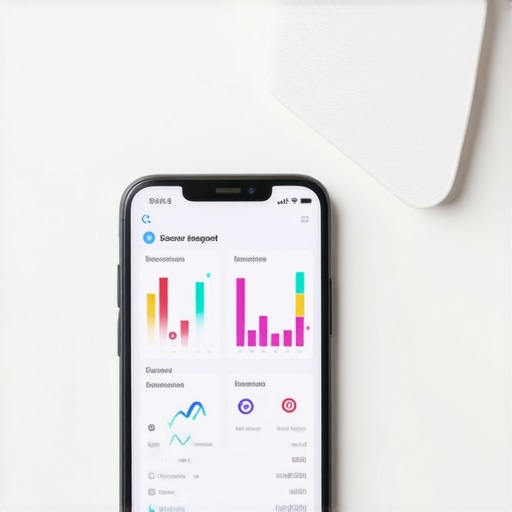
How do I keep my medical records updated without the headache?
The secret is leveraging modern technology rather than fighting it. Most people don’t realize they can link their insurance providers directly to health apps on their smartphones. This automation pulls in your claims and immunization records automatically. When you combine this with unlocking the power of telehealth for fast convenient wellness access, you can have a doctor review your uploaded history in minutes. You no longer need to wait for a physical office to mail you a packet. This immediate access allows you to understand how lab tests can detect hidden health risks early in your wellness pathway because you are looking at the trends yourself rather than waiting for a phone call that might never come. I predict that within the next five years, health ‘passports’ will be entirely biometrically linked, making the physical yellow card a relic of the past.
My challenge to you today is simple: find your last three lab results and upload them to a single secure digital location. Don’t wait for the next HR deadline or a health scare to start building your vault. If you have been feeling off despite having ‘normal’ records, use a virtual consultation to have a specialist look at your historical trends instead of just your current numbers. Taking fifteen minutes today to organize your history is the ultimate gift to your future self.
The Reality of Staying Compliant When Life Gets Messy
My biggest lightbulb moment came when I realized that medical records are actually a form of personal currency. I used to think the clinic was the bank, but in reality, they are just the vault—and sometimes the vault goes out of business. One major lesson I learned is that proactively understanding lab tests as a roadmap to clearer diagnosis changes the dynamic from ‘hoping’ you have records to ‘knowing’ your status. It is much easier to spend fifteen minutes once a year updating a folder than it is to spend three days in a frantic basement search. I also learned that a ‘normal’ result isn’t always the full story; your historical trends matter more than a single data point in your wellness journey.
My Toolkit for Building a Permanent Health Vault
If you are starting from zero, don’t panic. My first stop is always the CDC’s official directory of state Immunization Information Systems (IIS)—it is the closest thing we have to a master list. I also highly recommend using a patient portal that supports the SMART on FHIR standard, which allows you to export your data to apps of your choice. To stay ahead of the curve, I look at why wellness checks are your first step to better health as the perfect time to request titers for anything that feels fuzzy in your history. Lastly, if you have questions about specific requirements, use the contact us page of your healthcare provider to get direct answers before you waste money on unnecessary shots.
Take Back Control of Your Own Health Narrative
You have the tools now to move from the stress of the unknown into the confidence of a clear plan. Whether you are prepping for a dream job or heading overseas, your health history should be an asset, not a hurdle. By staying informed about the latest vaccinations myths busted what you need to know in 2025, you can navigate the healthcare system with authority. Take that small step today—find one record, scan it, and save it. Your future self will thank you for the peace of mind. [IMAGE_PLACEHOLDER] Have you ever had a job offer or a big trip held up because of a missing vaccine record? Let me know your experience in the comments below!