
The fastest way to treat a sinus infection via video visit
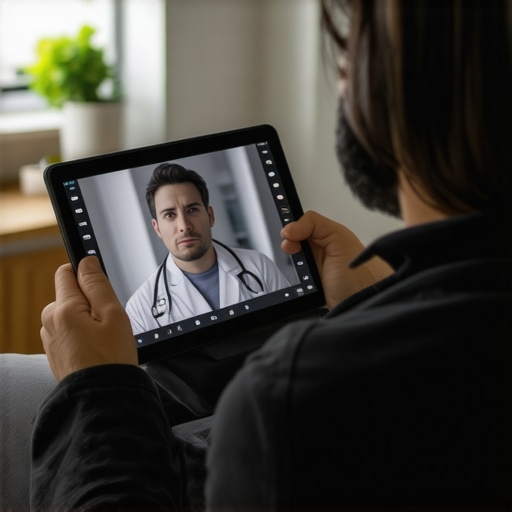
I’ll never forget the Tuesday morning my face decided it didn’t want to be a face anymore. My sinuses felt like someone had shoved a pair of over-inflated basketballs behind my cheekbones and then sat on them. I did what most of us do: I called my local clinic, only to be told the next opening was Friday afternoon. By Friday, I figured I’d either be cured or a puddle of misery. I made the classic mistake of thinking I had to show up in person to get real help. I actually drove to an urgent care, waited two hours in a room full of coughing strangers, and left feeling significantly worse than when I arrived. That was my lightbulb moment. Today, I’m showing you why that struggle is totally unnecessary and how you can get professional care while wearing your favorite sweatpants.
Skip the Waiting Room When Your Face Feels Like It Might Explode
Most people assume a doctor needs to shove a physical light up your nose to diagnose a sinus issue. I used to think that too. But honestly, learning how to stop recurring sinus infections without constant antibiotics starts with an expert conversation, not a long commute. When you opt for a video visit, you are taking the fastest path to an urgent care referral from your couch or, more importantly, a direct treatment plan that actually works. According to the CDC, the vast majority of adult sinus infections are actually viral, meaning you don’t always need heavy-duty pills—you need a strategy to manage the inflammation and pressure. Have you ever spent a whole afternoon in a lobby just to be told to take some ibuprofen and rest? It is incredibly frustrating, isn’t it?
Can a provider really tell what is wrong through a screen?
I get the skepticism. My biggest fear early on was that a provider would miss something ‘obvious’ because they weren’t physically in the room with me. But here is the reality: a trained clinician knows exactly what symptoms to screen for to differentiate between a common cold and acute sinusitis. If you pick the best time of day to schedule your virtual appointment, you can often be talking to a professional within thirty minutes of feeling that first twinge of pressure. No traffic, no germs, and no unnecessary stress. Just a clear path to breathing again. If you are currently clutching a heating pad to your forehead and wondering if you can make it through the day, contact us to see how quickly we can get your relief started.
Turn Your Smartphone into a Professional Diagnostic Tool
To get the most out of a video visit, you need to treat your phone like a high-tech portal rather than just a device for casual chat. The execution starts with your environment. Find a room with the brightest natural light possible—think of the provider as a photographer trying to see the subtle inflammation in your throat or the redness in your eyes. If you are looking for the quick fix for seasonal allergies via video consultation, clear lighting is the absolute difference between a “maybe” and a “definitely.” I learned this the hard way when I tried to do a call from my dimly lit basement; the doctor couldn’t see my swollen tonsils, and I ended up having to retake photos and send them via a secure portal later, which wasted twenty minutes of precious recovery time.
Get Your Physical Data Ready Before the Camera Turns On
You wouldn’t go to a bank without your ID, so don’t start a medical call without your data. Grab your thermometer, a flashlight (your phone’s built-in one works great), and a list of any medications you’re currently taking. If you have a blood pressure cuff or a pulse oximeter at home, have those results written down on a notepad. These small pieces of data act as the “vitals” usually taken by a nurse in a physical lobby. This is one of the many telehealth innovations how virtual care is changing wellness by putting the power of data back in your own hands. 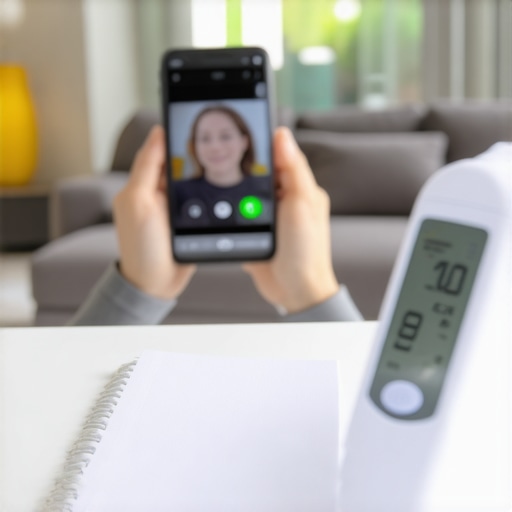
Explain Your Symptoms Like a Pro to Speed Up Your Diagnosis
When the provider asks, “How are you feeling?”, don’t just say “I feel gross.” Use specific, objective descriptors. Is the pain sharp, dull, or throbbing? Does the pressure in your face get significantly worse when you lean forward? I once had a chaotic Sunday afternoon where I realized I was down to my last two pills for a chronic maintenance medication. Instead of panic-driving to a hospital, I used a video call. By being incredibly specific about my history and current symptoms, I was getting a prescription refill on a sunday without the er in less time than it takes to brew a pot of coffee. You should also know how to spot a better telehealth provider in 3 specific questions, such as asking if they can directly integrate with your local pharmacy’s app or order immediate diagnostic labs.
When to Pivot from the Screen to the Lab
Sometimes a video call is the first vital step rather than the final destination. If your symptoms are murky or persistent, the provider might order blood work. This is where you move from conversation to scientific confirmation. Knowing how to read your own lipid panel without a medical degree or understanding why a CBC is necessary helps you stay in the driver’s seat of your own health. The virtual provider can bridge that gap by explaining exactly which markers to look for to see if that “sinus infection” is actually an immune system red flag that requires a different approach.
Stop Trusting the Green Checkmark on Your Lab Report
Most people think that once their blood work comes back with everything in the ‘green,’ they’ve cleared the hurdle. But here is a contrarian take that most doctors won’t tell you: being in the ‘normal’ range just means you aren’t currently in a state of acute disease. It doesn’t mean you are thriving. In my years of navigating this, I’ve seen countless people who are technically ‘within range’ but feel absolutely exhausted. This is exactly why your lab results come back normal while you still feel like trash. The reference ranges used by most labs are based on a bell curve of the general population—a population that is statistically more sedentary and metabolically challenged than ever before. If you want to feel your best, you need to look at optimal levels, not just average ones. According to the Journal of Clinical Medicine, standard reference ranges often overlook individual physiological baselines, which can mask early signs of dysfunction.
Is Your A1C Hiding a Secret Metabolic Stall?
Many patients focus solely on their A1C as the holy grail of blood sugar health. However, that number is actually a three-month average that can hide daily spikes and crashes. This is a common trap: you assume your metabolism is fine because your A1C is 5.4, yet you can’t lose an ounce of weight. This is why the fasting insulin test matters more than a1c for weight loss. Fasting insulin is a leading indicator; it often starts to climb years before your blood sugar or A1C shows any signs of trouble. 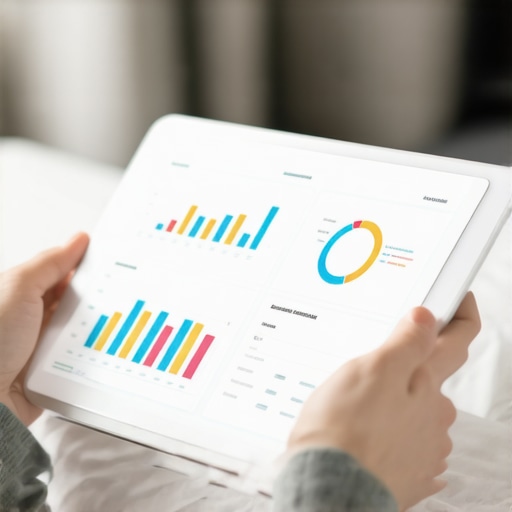
Why Your Morning Latte Might Mess Up Your Blood Work
Here is the ‘oops’ factor that almost everyone misses. You know you’re supposed to fast before labs, but did you know that even black coffee can skew your results? While coffee doesn’t have calories, the caffeine triggers a cortisol release, which in turn can cause your liver to dump glucose into your bloodstream. If you are getting tested for stress markers or metabolic health, why your morning coffee is sabotaging your anxiety labs becomes a very real problem. I once had a client who was convinced they had a major adrenal issue, only to find out their high cortisol readings were actually just a result of a double espresso thirty minutes before the draw.
Can a Vaccination Really Be Too Early?
We often talk about being ‘up to date,’ but there is a nuance in timing that most people ignore. For example, getting a flu shot in August might leave you vulnerable by the time the peak season hits in February. It is a subtle science. You also have to consider why you might need a booster even if youre fully vaccinated, especially as we see waning immunity in specific adult populations. Instead of just following a generic calendar, I’ve found that using telehealth to discuss your specific risk factors leads to a much more effective vaccinations myths busted what you need to know in 2025 strategy. Before you schedule your next round of shots or labs, take a moment to how to read your own lipid panel without panic so you can ask your provider the right questions. Have you ever fallen into this trap of ignoring the nuance and just looking for the ‘pass/fail’ on your health reports? Let me know in the comments.
Building a health command center shouldn’t feel like a second job. I used to think I needed a personal assistant to keep my records straight, but then I realized the best tools were already in my pocket. I recommend creating a dedicated health folder on your smartphone specifically for PDF exports of your blood work. This simple habit is part of why regular lab tests are critical for your wellness journey—it allows you to see the multi-year trends that a single snapshot misses. I personally use a smart thermometer that syncs to my phone and a medical-grade blood pressure cuff to keep my data consistent. If you’re worried about high readings, try the 10-minute trick for lower blood pressure readings at home before your next virtual check-in to ensure you’re getting a true baseline, not just ‘white coat’ anxiety through a webcam.
A meta-analysis in the Journal of Medical Internet Research (2023) highlighted that home-based blood pressure monitoring, when integrated with virtual feedback, significantly outperformed standard office-based care for long-term hypertension management. This isn’t just about convenience; it’s about better outcomes. I’ve found that even for complex needs, like figuring out how to manage your adhd medication refills via telehealth, having your historical data organized makes the process incredibly seamless for the provider and stress-free for you.
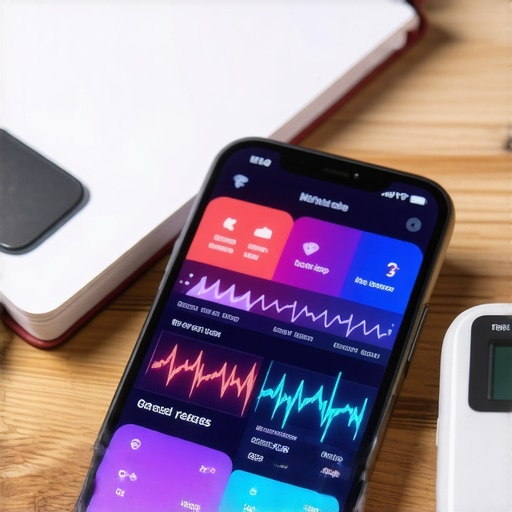
Looking ahead, I predict we are moving toward a state of ‘Proactive Triage.’ Imagine an AI assistant that notices a subtle shift in your sleep heart rate or a tiny spike in your morning glucose and suggests a quick lab test before you even feel a single symptom. This is the core of telehealth insights the future of accessible healthcare services. We won’t just react to being sick anymore; we will optimize our systems long before the crash happens. I’ve started using a wearable that tracks my HRV (Heart Rate Variability) as a leading indicator of burnout, allowing me to adjust my schedule before my immune system takes a hit.
How do I maintain my health baseline over the long term?
The answer is consistency, not intensity. You don’t need a grueling four-hour physical once a year; you need five-minute check-ins once a quarter. This shift in mindset is why wellness checks are your first step to better health at 9:45 am or whenever actually suits your personal schedule. Use these sessions to audit your supplements, review your energy levels, and adjust your plan based on real numbers rather than guesses. I’ve learned that the secret isn’t just having the data; it’s making the data work for you while you’re busy living your life. This is also the perfect time to maximize your health combining vaccinations and lab testing strategies to ensure your immunity is actually where it needs to be. My advanced tip for you today: Open your phone, create a folder named ‘Health Docs,’ and upload your last two lab results right now. Once that’s done, contact us to book a quick review to see what the trends are actually telling you about your future. It’s the smartest ten minutes you’ll spend all week.
The Hard Truths My Lab Reports Revealed
After years of navigating the medical system, I realized that the biggest breakthroughs didn’t happen in a sterile office, but in my own living room while reviewing trends. One of the most important shifts I made was understanding the role of lab tests in preventive wellness as a proactive map rather than a reactive report card. I learned that my body speaks in long-term patterns, not just isolated numbers. By seeing how revolutionizing wellness how telehealth transforms personal care, I stopped waiting for symptoms to flare up and started optimizing my baseline. It turns out, prevention is much quieter than a cure, and it requires a different kind of attention than the traditional ‘wait and see’ model.
My Personal Wellness Toolkit
You don’t need a medical degree to build a reliable health dashboard at home. I trust a combination of how lab tests can detect hidden health risks early in your wellness pathway and a few simple digital habits to keep everything organized. My essential toolkit includes a secure PDF folder on my phone for lab results, a reliable home blood pressure cuff, and a dedicated notebook for questions before a call. This setup allows for unlocking the power of telehealth for fast convenient wellness access without the friction of traditional waiting rooms. These tools aren’t just gadgets; they are the bridge between feeling ‘fine’ and actually thriving with data-backed confidence.
Ready to Take the Lead?
Transitioning to this digital-first approach was the best thing I ever did for my peace of mind. Whether you are looking to boost your immunity with expert vaccination tips in the afternoon at 454 pm or want to design personalized vaccination schedules for better disease prevention, the power is now in your hands. Don’t wait for a physical crisis to start caring about your health data. Take that first step today, organize your recent records, and schedule a consultation to see what your numbers are really telling you. Your health is your most valuable asset, and it deserves more than a generic ‘normal’ checkmark once a year. Have you ever felt like your ‘normal’ lab results were missing the bigger picture of how you actually feel? Let me know in the comments below!