
The quick fix for seasonal allergies via video consultation
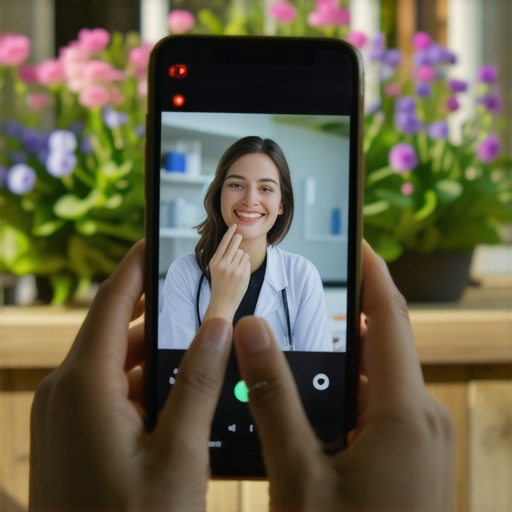
I was three sneezes away from a literal meltdown. It was mid-April, the pollen count was through the roof, and my eyes felt like someone had rubbed them with sandpaper and ghost peppers. I’d gone through three boxes of tissues in two days, and the idea of driving twenty minutes to sit in a waiting room full of coughing strangers felt like a cruel joke. That was my ‘aha!’ moment. I realized that my desperate need for a prescription didn’t require a physical exam—it required a conversation. I finally caved and booked a video consultation, and honestly, I felt like an idiot for waiting so long. Today, I’m going to show you how to skip the waiting room drama and get your life back with a quick digital check-in.
Stop Drowning in Tissues and Start Your Recovery Online
I used to think that ‘real’ medicine happened in an office with cold stethoscopes and crinkly paper on the exam table. I was wrong. My biggest mistake early on was thinking I could just power through or, worse, guessing which over-the-counter bottle would magically work this time without knowing if I was dealing with a virus or an allergen. Most of those generic pills just made me feel like a zombie without actually clearing my head. When I finally used telehealth for fast wellness access, I got a targeted plan that actually addressed my specific triggers. It turns out that for things like seasonal allergies or recurring sinus infections, a video call is often the most efficient path to relief. According to the Centers for Disease Control and Prevention, over 37% of adults used telemedicine in 2021, proving that the digital shift isn’t just a trend—it’s a lifeline for people like us who just want to breathe again.
Can a doctor really help me through a smartphone camera?
I know what you’re thinking because I thought it too: ‘How can they tell it’s allergies and not something else if they can’t look up my nose?’ Here is the reality—experienced providers know exactly which questions to ask to differentiate between a viral bug and a pollen reaction. They can see the inflammation in your eyes and the puffiness in your face right through the screen. We’re going to dive into how you can maximize these accessible services to get your prescriptions sent to your pharmacy before your next sneezing fit. Have you ever missed a big outdoor event because you were too busy hiding from the trees? I’d love to hear if you’ve been stuck in that ‘allergy prison’ lately.
How to Turn Your Smartphone into a Professional Medical Hub
Getting medical help from your couch isn’t just about opening an app; it’s about treating that screen like a high-stakes meeting. Think of your provider as a detective. If you give them fuzzy photos and background noise, the case stays cold. To get the best results, you need to be intentional. Last summer, I tried to handle a sinus flare-up while my toddler was screaming in the background and the dog was barking at a delivery driver. It was a total disaster. The provider couldn’t hear my congestion properly, and I was so distracted I forgot to mention my history of reactions to certain antihistamines. Now, I always use the 5-minute virtual move for getting your prescriptions refilled by sitting in my home office with my previous records already uploaded. This simple switch in environment transformed a stressful call into a precise clinical win. Before you log on, you should also know how to spot a better telehealth provider in 3 specific questions so you aren’t just talking to a script-reader. 
Pick the Right Room and Ditch the Background Noise
Setting the stage is everything. Use a simple analogy: You wouldn’t expect a mechanic to fix your engine over FaceTime while you’re driving seventy miles per hour on a highway. The same applies to your health. A stable Wi-Fi connection and a quiet room are your ‘operating table.’ If you’re managing long-term issues, telehealth innovations show that consistency in where and how you take your calls can actually improve your outcomes over time. I’ve found that using a headset with a mic makes a world of difference in how clearly the doctor can hear your breathing or the tone of your voice.
Gather Your Physical Evidence Before the Camera Turns On
Treat your symptoms like a crime scene. If you have a rash, take three high-resolution photos in natural light before the call starts—webcams often struggle with focus and color accuracy. If you’re tracking a fever, have your thermometer readings logged in a simple list. I’ve found that being ‘data-heavy’ keeps the conversation focused on solutions rather than troubleshooting technology. This is especially vital if you are trying to figure out why your lab results come back normal while you still feel like trash. Your subjective experience, backed by home-monitored stats, is the missing link the provider needs to see.
Let Lab Data Do the Heavy Lifting for Your Diagnosis
Sometimes a video call is just the first step in a larger diagnostic journey. For example, if your fatigue is dragging you down, a virtual provider can explain the role of lab tests in preventive wellness and order a panel immediately. You can even learn how to order your own blood work without a doctors note to bring concrete numbers to the table. This turns a ‘guessing game’ into a targeted strike against your illness. I remember when my ‘simple allergies’ turned out to be a massive vitamin deficiency—I only found out because my virtual doctor insisted on a blood panel after noticing my lack of energy during the video feed. It’s about merging the convenience of your phone with the hard science of a laboratory.People often tell me they view a video call as a ‘lesser’ version of a doctor’s visit, a stopgap until they can see someone ‘for real.’ I disagree completely. In my experience, for anything involving chronic health or nuanced wellness, the clinic office is actually the worst place to get an accurate snapshot of your health. Think about it: you’re stressed from traffic, your blood pressure is spiking because of the ‘white coat effect,’ and you’re rushed through a fifteen-minute slot. When I moved my monitoring to a digital space, I found I could actually focus on the data that matters.
Stop Believing Every “Normal” Lab Report
The biggest trap I see people fall into—and I fell into it for years—is the ‘everything looks normal’ trap. Your doctor might run a standard panel, see that your TSH is within range, and send you on your way while you’re still losing hair and feeling like a zombie. This is where you have to be your own advocate. For instance, why your lab results come back normal while you still feel like trash usually comes down to the fact that ‘normal’ is a broad statistical average, not an optimization range. You should be looking at 3 thyroid markers your doctor probably ignored last time to get the full story. A study published in the Journal of Medical Internet Research (2022) found that patients engaged in remote monitoring for chronic conditions often had better glycemic control and blood pressure management than those relying solely on quarterly office visits. This is because the data is ‘live’ and reflective of your real life, not a sterile exam room. 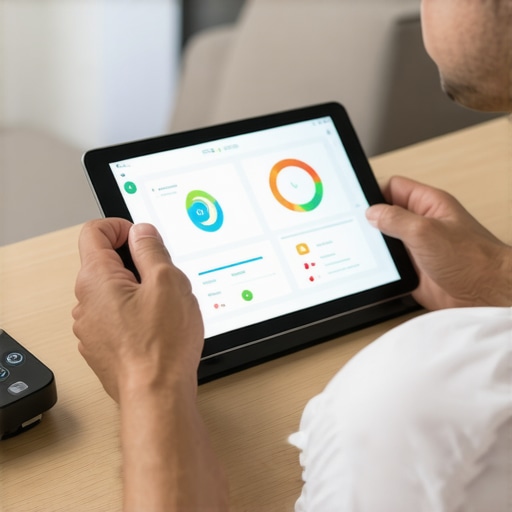
Can Virtual Care Actually Outperform an In-Person Exam for Chronic Conditions?
The answer is a resounding yes, provided you aren’t just looking for a quick script. The ‘oops’ factor usually happens when patients treat telehealth like a vending machine rather than a clinical partnership. If you’re trying to manage weight or energy, simply checking an A1C once a year is like looking at the final score of a game without watching any of the plays. I’ve learned that the fasting insulin test matters more than A1c for weight loss because it catches metabolic shifts years before your blood sugar actually breaks. Another common mistake? Timing. Did you know why your lab results change based on when you woke up? If you roll out of bed and head to the lab after three cups of black coffee, you’ve already skewed your cortisol and glucose markers. This is the kind of nuance that gets lost in a busy physical clinic but is easily managed through a dedicated virtual wellness plan. Whether it’s vaccinations myths busted or finding the one lab marker that tells you if your diet is working, the digital hub gives you the time to actually dig into these details. Have you ever fallen into this trap? Let me know in the comments—I’m curious how many of us are being told we’re ‘fine’ when we clearly aren’t. Finally, don’t ignore the importance of prep. If you’re managing something like heart health, you need to know the better way to track blood pressure at home rather than relying on that one-time squeeze in the doctor’s office. This proactive approach is the core of how telehealth transforms personal care. It moves the power from the institution back to you.To keep this digital health machine running smoothly, I’ve stopped relying on my memory and started relying on a few pieces of hardware that have changed the game for me. If you’re serious about moving beyond basic symptom-checking, you need to own your data. I’m not talking about fancy gadgets you use once and throw in a drawer; I’m talking about clinical-grade tools that give your virtual provider something real to work with. For me, that meant investing in a wireless blood pressure cuff that syncs directly to my phone. I specifically use one with an EKG function because it removes the guesswork when I feel a flutter in my chest. Instead of trying to describe a sensation, I can simply share a PDF of the heart rhythm. This is the better way to track blood pressure at home because it builds a timeline of your health rather than a single, high-stress snapshot in a clinic.
The Gear That Actually Makes Virtual Care Worth It
I also keep a medical-grade pulse oximeter and a reliable thermometer in a dedicated ‘telehealth kit.’ Why? Because when you are in the middle of a flare-up, you don’t want to be hunting through the junk drawer for batteries. My method is simple: I log these vitals once a week when I’m feeling perfectly fine. This creates a ‘baseline.’ When I eventually need a fast wellness access consultation, I can show the doctor what my ‘normal’ looks like versus my ‘sick’ numbers. This level of detail is exactly how lab tests can detect hidden health risks early before they become emergencies. 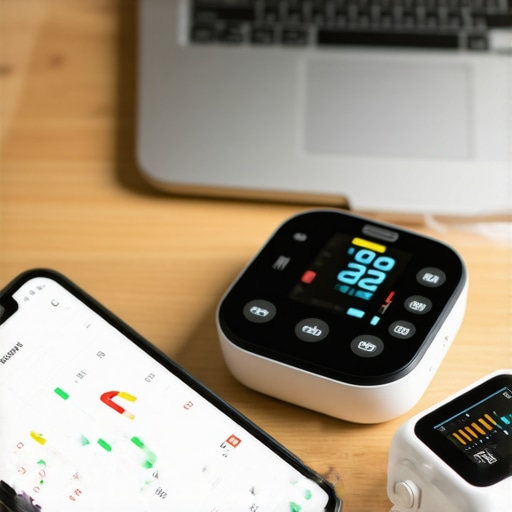
What keeps my health from slipping between appointments?
Maintenance isn’t about one big annual exam; it’s about the small, consistent check-ins you do with yourself. I’ve found that regular lab tests are critical for your wellness journey because they act as an early warning system. For example, I track my metabolic markers every six months. I don’t wait for a doctor to suggest it; I use my digital portal to see your roadmap to clearer diagnosis and request the specific panels I need. This proactive approach is the heart of telehealth in managing chronic wellness. I’m also meticulous about my documentation. If you’re planning a trip, you need to know how to proof your immunity records for international travel without waiting weeks for a clerk to mail you a paper copy. I keep all my vaccination and lab records in an encrypted cloud folder. If a specialist asks for my history, I can provide a link in seconds.
Why the waiting room is about to become a relic
Looking ahead, I see a future where the ‘office visit’ is reserved only for surgery or emergency trauma. As Dr. Eric Topol suggests in Deep Medicine, AI and remote monitoring are paving the way for ‘high-performance medicine’ where the patient becomes the center of the data stream. We are moving toward a world where your wearable device will ping your virtual doctor before you even feel a symptom. This shift toward telehealth innovations is making wellness checks your first step to better health easier than ever before. My advice? Stop waiting for the healthcare system to catch up to you. Take the lead by downloading your lab results from the last year today and looking for the trends yourself. You’ll be surprised at what you see when you finally have the full picture.
The Three Hardest Realities I Faced Before Embracing Virtual Visits
I used to think of a video screen as a barrier, but it’s actually a filter that keeps out the noise. One of the biggest lessons I learned is that timing matters more than the appointment itself. For instance, I discovered why your lab results change based on when you woke up, which changed how I schedule my blood work forever. I also realized that some conditions are actually better suited for the screen; for example, I found research suggesting why virtual therapy is more effective for social anxiety because the patient feels safer in their own environment. Finally, I had to stop being passive and realize that proactive wellness checks are your first step to better health, not just a box to tick once a year when you already feel sick. Don’t wait for the symptoms to dictate your schedule.
My Personal Arsenal for Data-Driven Wellness
I trust clinical-grade hardware that allows for PDF exports—it makes your virtual visit seamless. I also swear by keeping a digital copy of your roadmap to clearer diagnosis open on my laptop during calls so I can ask the right questions about my markers. If you are experimenting with new eating habits, I highly recommend checking the one lab marker that tells you if your diet is working to see real-time biological progress. These tools turn you from a frustrated spectator into the informed CEO of your own body. I personally use a smart scale and a logged history of my vitals to ensure my doctor has a full story, not just a snapshot.
Take Back Your Health Without Leaving the House
You don’t have to wait for a medical crisis to start using these digital tools. By revolutionizing wellness through digital means, you save hours of travel time, reduce exposure to office germs, and often get a more attentive provider. Telehealth isn’t just a backup plan or a convenience for the tech-savvy; it’s the most powerful tool in your modern health kit for staying ahead of chronic issues. Start small with a simple consultation and watch how much more control you feel over your own vitality. Have you ever walked out of a physical doctor’s office feeling like you weren’t actually heard? Let me know your experience in the comments below.