
How to Effectively Manage Your High Blood Pressure from Your Smartphone
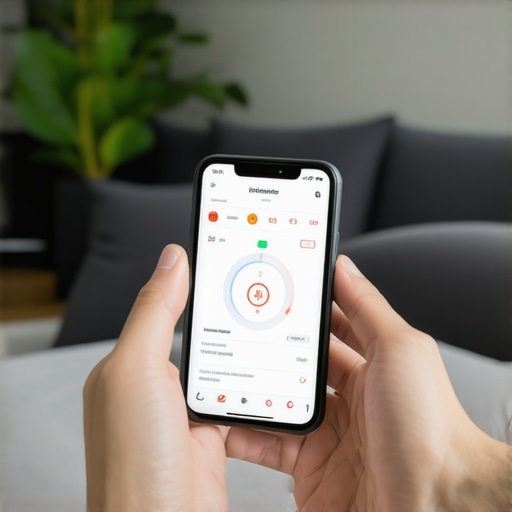
I remember the moment clearly — sitting on my couch after a stressful day, feeling overwhelmed by the endless stream of notifications and the creeping worry that my blood pressure might be spiraling out of control. It hit me then: I had no idea whether my daily habits were hurting or helping my health. That lightbulb moment sparked a quest to find practical, tech-savvy ways to monitor and manage my high blood pressure without constant clinic visits.
The Digital Solution: Taking Control from My Smartphone
Like many, I used to think managing hypertension meant regular visits to the doctor and occasional blood pressure checks. But that approach felt disconnected from my everyday life. What I needed was real-time insights, tailored advice, and the convenience to stay on top of my health amidst a busy schedule. That’s when I discovered how my smartphone could become a powerful ally in this journey. By integrating blood pressure tracking apps, virtual consultations, and vital lab insights, I started to see tangible improvements, all from my device.
Interested in turning your phone into a personal health hub? Let’s explore how to do it effectively.
If you’re like I was, you might be skeptical about the effectiveness of managing a serious condition through a device. Maybe you’ve tried apps that promised much but delivered little. Believe me, early on I made the mistake of relying solely on a generic app without understanding how to interpret the data or coordinate with healthcare professionals. That realization was a game-changer. To truly harness your smartphone’s potential, it’s crucial to use vetted tools and stay connected with trusted medical resources. For example, the role of lab tests in tracking your progress cannot be overstated; they fill in the gaps that gadgets alone miss (see how lab tests guide your wellness).
So, why does managing high blood pressure via a smartphone matter today? Because it offers a feasible, accessible way to reduce risks associated with hypertension—a leading cause of cardiovascular disease globally, responsible for an estimated 17.9 million deaths annually (World Health Organization).
Stay tuned as we dive into practical steps you can implement now to take full control of your blood pressure management—empowering you to live healthier, smarter, and more confidently.
,
Set Up Your Digital Monitoring System
Start by choosing a validated blood pressure app compatible with your smartphone. I recommend selecting an app with features like trend tracking, medication reminders, and direct sharing with your healthcare provider. When I first tried this, I struggled to find the right app, but after some research and trial, I settled on one that integrated seamlessly with my device and provided clear dashboards. Installing and configuring your chosen app is your first tangible step towards real-time health insights.
Choose the right blood pressure monitor
The accuracy of your readings depends on the device. Look for clinically validated monitors that connect via Bluetooth. I remember purchasing mine after reading reviews and linking it with my app. Ensuring proper cuff size and correct positioning during measurements can dramatically improve reliability. Think of it like using a precise instrument — without calibration, your data can mislead more than it helps.
Regular and Correct Self-Measurement
Consistency is key. Measure your blood pressure twice daily—morning and evening—while seated comfortably. Use the same arm and posture each time, sitting still for at least five minutes before checking. I once rushed through measurements and got inconsistent data; once I standardized my process, trends became clearer. Regular self-monitoring allows you to catch fluctuations early, much like checking your car’s oil levels before a long trip reduces unexpected breakdowns.
Log and interpret your data effectively
Enter your readings into the app regularly. Many apps generate trend graphs and alerts for readings outside target ranges. When I noticed my evening readings climbing during stressful weeks, I could adjust my habits accordingly. Think of your data as a map guiding your next steps, helping you identify patterns and triggers that influence your blood pressure.
Leverage Telehealth for Expert Guidance
Connect your app data with your healthcare provider via telehealth. This way, you can schedule virtual visits to review your trends without leaving home. I once uploaded my data before a scheduled telehealth consultation, which allowed for focused discussions rather than wasting time on general questions. Virtual care transforms your device into a direct link to expert advice, making management more responsive and personalized.
Coordinate with labs and lab tests
Complement home monitoring with targeted lab tests. Blood panels can reveal underlying issues that affect blood pressure, such as kidney function or electrolyte imbalances. I utilized online lab services to get tests done conveniently; for example, a comprehensive metabolic panel clarified some of my salt and fluid balance concerns. Think of lab tests as the detailed diagnostics that inform your overall treatment plan. For deeper insights into effective testing strategies, visit this resource.
Stay Consistent and Keep Learning
The journey is ongoing. Regularly review your app data, stay in touch with your healthcare team, and stay informed about new digital tools. I adopted a habit of monthly reviews, which helped me adjust lifestyle factors like diet and exercise. Like tuning a musical instrument, small, consistent adjustments create harmony in your health—that’s the essence of tech-enabled self-management.
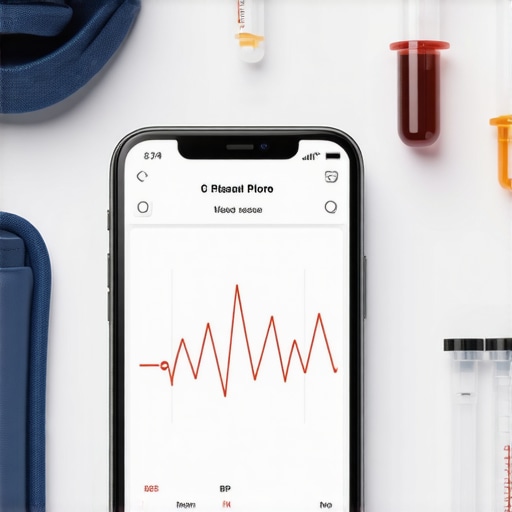 Many people assume they fully understand wellness, telehealth, vaccinations, and lab tests, but beneath the surface lie misconceptions that can hinder true progress. One widespread myth is that vaccinations are only necessary during childhood. In reality, adult boosters and tailored vaccination schedules can significantly enhance lifelong immunity, especially as emerging strains and new research constantly redefine best practices (debunking vaccination myths). Another misconception is that lab tests are only for diagnosing illness, not for proactive health management. In truth, regular lab work can reveal hidden risks—such as insulin resistance or vitamin deficiencies—that aren’t apparent through symptoms alone (lab tests’ role in prevention).
A common trap in telehealth is believing it replaces traditional care entirely. While virtual consultations offer convenience and accessibility, they often miss nuances captured in physical exams. That’s why integrating telehealth with strategic lab testing can provide a more comprehensive view of health. Advanced users recognize that sometimes, symptoms like fatigue or pain are clues to deeper issues detected only through specific markers—a process that calls for expert interpretation (detecting hidden risks).
When it comes to wellness, a trap many fall into involves over-reliance on generic advice or one-size-fits-all approaches. Every individual’s physiology is unique, demanding personalized strategies based on detailed data rather than guesswork. This nuance often escapes lay understanding but is crucial for long-term health optimization. For example, knowing your microbiome’s influence on mental health underscores why broad probiotic suggestions might miss the mark—focused testing and tailored interventions are more effective (microbiome insights).
### How do you discern between superficial wellness trends and truly impactful practices?
The answer lies in embracing data-driven decisions and consulting with professionals who understand these intricacies. Regularly reviewing your health markers, staying informed about the latest research, and understanding the subtleties of your personal health background can make all the difference. For instance, knowing that a full metabolic panel offers richer information than basic tests can be transformative—guiding precise interventions and reducing needless treatments (importance of comprehensive testing).
Remember, wellness isn’t just about quick fixes or popular fads; it’s about nuanced understanding and strategic action based on solid data. Are you aware of the hidden factors affecting your health? Have you ever fallen into this trap? Let me know in the comments.
Keep Your Health System Running Smoothly
Once you’ve set up your digital health monitoring and established consistent habits, the next step is ensuring these tools remain effective over the long haul. Seamless maintenance involves smart tool choices, regular updates, and strategic scaling. I personally rely on a combination of validated apps like comprehensive lab testing services and Bluetooth-enabled monitors that keep my data precise and actionable. These tools are regularly updated by their developers to incorporate new health research, which ensures I stay aligned with evolving standards. Predicting where digital health is headed, I believe integration of AI-driven insights will become more prevalent, allowing for even more personalized wellness strategies.
How do I maintain my health tools over time?
To keep my monitoring system effective, I schedule quarterly reviews of app and device updates, double-check data accuracy, and consult with my healthcare provider about any notable trends. This proactive approach prevents my tools from becoming outdated or unreliable. Additionally, I leverage telehealth platforms to discuss my long-term data trends, capitalizing on virtual care’s expanding capabilities, like future-accessible telehealth services. Regularly updating my vaccination and lab test schedules ensures I catch potential issues early and adapt my wellness plan accordingly. For in-depth guidance on optimizing your health maintenance, I suggest reviewing this comprehensive resource.
Prioritize Data Integrity to Sustain Long-Term Results
Consistent, verified data acts as the backbone of effective health management. I recommend calibrating your blood pressure monitor periodically, verifying app data against lab results, and incorporating professional lab tests that delve deeper into your health markers. Tools like digital health records and integration platforms can automate data sharing among devices and healthcare providers, reducing the chance of errors. Over time, these practices help build a reliable health profile that supports meaningful insights and decision-making. To scale your wellness efforts, consider collaborating with health professionals to interpret trends and adjust your plan accordingly, which is increasingly feasible through telehealth innovations like these transformative platforms.
Embrace Flexibility for Growing Wellness Needs
As your health evolves, so should your toolkit. Scaling involves adding new tests, integrating innovative devices, or adopting emerging apps tailored to your unique needs. For example, I recently incorporated genetic testing to personalize my supplement regimen, a step toward truly customized wellness. Maintaining flexibility ensures that your system adapts to changes, avoids stagnation, and continues to support your health goals. Remember, the ability to pivot is crucial; in the future, AI-powered predictive analytics will likely suggest actionable adjustments before issues manifest, making wellness truly proactive. To get started, try scheduling an annual review of your tools and strategies, and see how small tweaks can yield significant benefits.
The Hardest Lesson I Learned About wellness,telehealth,vaccinations,lab tests
Early on, I believed that technology could replace personal medical advice entirely. But I soon discovered that data without context can be misleading—the hard way. Interpreting my blood pressure trends and lab results required critical thinking and expert input, reminding me that digital tools are assistants, not substitutes for professional guidance.
3 Misconceptions About wellness,telehealth,vaccinations,lab tests That Held Me Back
I used to think that once I set up my monitoring system, my health would automatically improve. I underestimated the importance of ongoing calibration and professional interpretation. Another myth I clung to was that virtual visits could handle every concern, neglecting when a physical exam was essential. Recognizing these misconceptions helped me tailor my approach for better results.
What Experts Won’t Tell You About wellness,telehealth,vaccinations,lab tests
Many top health professionals emphasize that regular, detailed lab testing can reveal hidden issues—like insulin resistance—that routine checkups often miss (see how lab tests guide your wellness). Additionally, establishing a coherent strategy that combines telehealth with scheduled lab work and continuous education creates a personalized health roadmap—something seldom highlighted in mainstream discussions.
Curated Resources for Taking Control of Your Wellness
My go-to tools include validated blood pressure monitors with Bluetooth connectivity, which ensure accurate tracking at home. The app I trust offers trend analysis and seamless sharing with my healthcare provider, making virtual management practical. For deeper insights, this resource on combining vaccinations and lab tests has been invaluable for planning preventive care. The lab testing services I use are recommended for their reliability and convenience, underpinning my proactive health approach.
Let Your Wellness Journey Inspire Others
Embracing digital health tools transformed my perspective, showing me that proactive management is within everyone’s reach. The possibilities for personalized, data-driven health are expanding rapidly—with AI, telehealth, and advanced diagnostics at our fingertips. If I can do it, so can you. Start small, stay consistent, and watch your confidence grow in managing your health. Remember, the future of wellness is powered by you—let’s make that journey meaningful together.