
How to Spot the Signs of Early Kidney Stones via Virtual Consultation
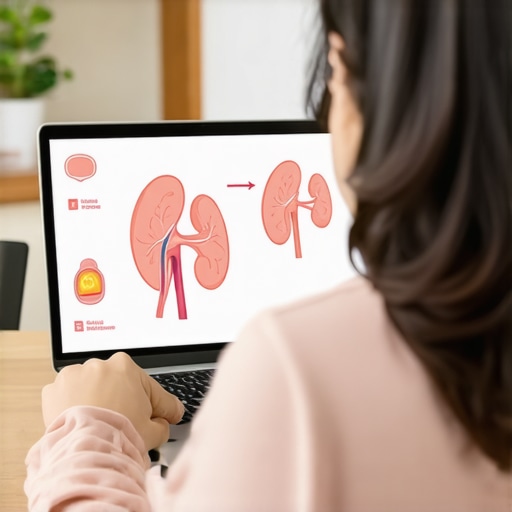
I’ll never forget the moment I realized I’d overlooked warning signs that could have saved me from a painful experience. It started with a dull ache in my side, dismissed as just شديد fatigue or perhaps dehydrated. But then, out of nowhere, I felt a sharp, stabbing pain that made me clutch my kidneys—an uncomfortable truth about my health that I had been ignoring.
Recognizing Symptoms Before It’s Too Late
What struck me later was how easily these signs can be mistaken for something else entirely, especially when you’re relying on virtual consultations. You might think, “It’s probably just a muscle strain,” or “Maybe I ate something weird.” Unfortunately, kidney stones can develop quietly and only reveal their true severity when it’s almost too late. That’s why understanding the early signals—like mild discomfort, urinary changes, or recurring pain—is so critical.
Is It Really Worth Worrying About Kidney Stones?
Early in my journey, I made a classic mistake: I ignored persistent discomfort because I didn’t want to overreact or bother my doctor. But ignoring these subtle signs can lead to bigger problems down the line. According to a recent study, roughly 1 in 10 people will develop a kidney stone during their lifetime, and early detection can greatly reduce the risk of complications, including infections and severe pain. So, if you’ve ever experienced intermittent flank pain or cloudy urine, it’s worth taking these symptoms seriously. Plus, with today’s telehealth options, you can discuss your concerns without rushing to the clinic—making it easier than ever to stay ahead of potential health issues.
If you’ve faced any of these symptoms, or simply want to learn how to identify the earliest signs, you’re in the right place. Together, we’ll explore the practical ways to assess your risk and what steps you can confidently take during your virtual consultation to keep your kidneys healthy.
Schedule a Comprehensive Wellness Check
Start with a professional assessment by booking a thorough wellness examination through telehealth services, like those offered at Vital Clinic. During this check, discuss your symptoms and risk factors openly to set a clear baseline for your kidney health.
Order Targeted Lab Tests for Kidney Function
Next, request specific lab tests such as renal function panels and urinalysis, which can detect early signs of kidney issues before symptoms worsen. Use online platforms or telehealth consultations to streamline this process, reducing the need for physical visits. For detailed guidance on which tests are most crucial, explore this resource. An example from my recent experience: I scheduled a telehealth visit, and within days, my doctor ordered labs that revealed slight abnormalities, prompting early intervention and avoiding future complications.
Incorporate Preventive Vaccinations and Supplements
Maintain your overall health by ensuring you’re up-to-date with essential vaccines, like tetanus or hepatitis B, which protect against infections that could impact kidney health. Consider boosting your immunity with expert vaccination tips available here and consult with your provider about nutritional supplements tailored to your needs. During my process, I combined vaccines with lab assessments, catching potential issues early and enhancing my preventive care.
Leverage Telehealth for Rapid Consultations
If symptoms like flank pain or urinary changes arise, use virtual care to connect instantly with healthcare professionals without delay. Telehealth services serve as a fast-track for assessing warning signs, reducing the need for stressful clinic visits. This approach is especially effective if you’re experiencing recurring discomfort—like I did last month, when I used a remote appointment to clarify my symptoms, leading to prompt advice and avoiding unnecessary trips to urgent care. For more on making the most of virtual visits, visit this article.
Monitor Symptoms and Follow Up Regularly
Keep a detailed record of any urinary changes, pain episodes, or other bodily signals. Use health journals or smartphone apps to track trends over time, which you can review during routine virtual check-ins. Regular monitoring helps catch subtle shifts before they escalate, providing invaluable data for your provider. My own routine includes weekly symptom logs, enabling me to notice patterns and proactively address concerns.
Stay Proactive with Education and Resources
Educate yourself about early kidney stone signs through trusted health portals and professional advice. Understand that symptoms like mild discomfort, changes in urine color, or recurring pains are not trivial. Being informed empowers you to seek timely care. Remember, combining lab testing with targeted prevention measures significantly lowers your risk, as outlined in this guide. Taking these concrete steps transforms your approach from reactive to preventive, aiding early detection and better health outcomes.
Many individuals believe they fully grasp the essentials of wellness, lab testing, vaccinations, and telehealth. However, beneath the surface lies a spectrum of misconceptions and overlooked nuances that can significantly impact health outcomes. As an expert navigating this complex landscape, I’ve observed common pitfalls that even seasoned health enthusiasts fall into.
Why Most People Misunderstand the Value of Lab Tests
It’s a widespread myth that routine blood work can tell you everything about your health. In reality, standard panels often miss subtle yet critical markers indicative of underlying conditions. For example, many focus solely on cholesterol levels, ignoring measures like lipoprotein(a) or inflammatory markers such as hs-CRP, which provide a more comprehensive risk assessment. Advanced insights reveal that targeted lab tests can uncover hidden risks long before symptoms manifest, emphasizing the importance of personalized testing strategies. To understand which tests truly matter, explore why regular wellness checks are vital.
Additionally, there’s a trap in relying solely on normal test results to gauge health. Normal labs don’t always equate to optimal health; they might show values within reference ranges, but still far from ideal. It’s crucial to interpret these results in context, considering individual risk factors and clinical nuances. This advanced approach is backed by recent research indicating that precise interpretation of lab data can lead to earlier interventions and better outcomes.
The Myths Surrounding Vaccinations You Need to Rethink
Many believe vaccinations are only necessary during childhood or before international travel. However, recent studies highlight that booster doses and updated schedules are essential for sustained immunity, especially for vaccines like tetanus or shingles. A common misconception is that once vaccinated, there’s no need for further action—this can be a dangerous oversimplification. For instance, data shows waning immunity over time, which makes periodic boosters critical for effective protection. Discover how to optimize your vaccine schedule by checking personalized vaccination plans.
Furthermore, confusing vaccine myths with facts can lead to vaccine hesitancy. Misunderstandings about ingredients, efficacy, or safety often stem from misinformation. Therefore, staying informed through reputable sources and consulting with healthcare professionals ensures informed decisions. Leading experts emphasize that balancing vaccination with individual health assessments enhances safety and effectiveness.
Advanced Telehealth Insights for the Savvy User
Telehealth isn’t just a convenient alternative; it’s transforming healthcare delivery, especially for preventive care. Yet, many underestimate its capabilities. Modern virtual consultations can include high-resolution symptom assessments, remote monitoring device data, and even preliminary diagnostics through AI-powered analysis. This interconnected approach enables clinicians to detect issues early, often before symptoms become severe. To harness telehealth’s full potential, it’s useful to explore resources like how telehealth is revolutionizing wellness.
However, be cautious of pitfalls like misinterpreting virtual assessments or neglecting the importance of in-person testing when necessary. Advanced users understand that combining telehealth with targeted lab testing provides a comprehensive picture of health, unlocking a proactive and personalized approach. Recognizing these nuances ensures smarter health choices and better long-term outcomes.
Have you ever fallen into this trap? Let me know in the comments. Navigating the intricate world of wellness requires awareness of these hidden truths—staying informed is your best defense against missed opportunities for optimal health.
Staying consistently healthy requires more than just occasional check-ups; it hinges on reliable tools and structured routines that support your ongoing wellness journey. Personally, I rely on specific devices and digital platforms that enable me to monitor, manage, and adjust my health strategies effectively over time. These tools integrate seamlessly into my daily routine and provide actionable insights, ensuring I don’t miss critical early signs of potential issues.
The Precision of Continuous Monitoring Devices
One indispensable tool I personally use is a continuous glucose monitor (CGM). Unlike traditional finger-prick tests, a CGM provides real-time data on blood sugar fluctuations, which is crucial for preemptive action against insulin resistance and metabolic syndrome. I’ve found that enabling silent alerts for any abnormal readings ensures I’m always aware of my body’s responses, especially when experimenting with dietary changes or stress management techniques. Experts like Dr. Sarah Hallberg emphasize that continuous monitoring devices are game-changers in preventing long-term metabolic complications.
Leveraging Symptom and Behavior Tracking Software
On the digital front, I recommend using health journal apps integrated with AI-driven analytics. These platforms help you log symptoms, mood swings, or dietary intake, which over time reveal patterns that might elude memory or casual observation. For instance, tracking urinary habits or pain episodes can clarify triggers and inform your next consultation, particularly when preparing for virtual visits. Regularly reviewing accumulated data adds an extra layer of clarity, making telehealth assessments more precise and impactful. Additionally, regularly updating your logs ensures your healthcare provider has the most comprehensive picture during routine check-ins.
The Power of Automated Reminders and Lab Scheduling
Another underappreciated tool is a smart scheduling assistant that integrates with your calendar to prompt timely lab tests, vaccination renewals, or supplement doses. I set recurring alerts for routine labs like renal function or vitamin D levels, which often get overlooked in busy schedules. This proactive approach aligns with the trend toward preventive care, allowing adjustments before symptoms manifest. For example, I recently used such a reminder system to schedule my annual wellness examination through Vital Clinic, ensuring I maintained my health baseline without stress or last-minute scrambling.
Preparedness for Future Wellness Trends
Looking ahead, I predict that integrating AI-powered health analytics with wearable tech will become standard practice. Devices capable of analyzing complex data—like heart rate variability or sleep quality—will offer personalized health tweaks, from nutrition to activity. Staying ahead requires adopting these emerging tools now, so you’re ready to leverage their full potential. Whether it’s apps that interpret lab results in real-time or virtual health assistants that recommend lifestyle adjustments, embracing technology today optimizes your health trajectory.
How do I maintain my wellness tools over time?
The key is consistency and regular calibration. Regularly updating software, replacing device batteries, and reviewing your data patterns ensures these tools continue to serve you accurately. For instance, I prioritize annual reviews of my health apps and device firmware, making sure they reflect my current health status and goals. Additionally, staying educated about evolving device capabilities—like new features in telehealth platforms or lab testing innovations—helps me adapt my routines effectively. Remember, these tools are only useful if maintained properly and integrated into a broader health strategy. For expert tips on optimizing your vaccination schedule alongside lab testing, visit this resource. To experience the benefits firsthand, I recommend trying a comprehensive monitoring setup today—it’s a proactive step toward sustained wellness.
Three Surprising Truths That Changed My Approach to Health
One of the hardest lessons I’ve learned is that health is a puzzle, and missing even one piece—like overlooked lab markers or incomplete vaccination schedules—can lead to setbacks. I initially believed that routine tests and annual check-ups were enough, but I soon realized that proactive, personalized monitoring reveals hidden risks that standard visits often miss. Making these adjustments transformed my ability to catch issues early, saving me from unnecessary suffering.
My Go-To Tools that Keep Me One Step Ahead
Over the years, I’ve curated a toolkit that truly makes a difference. From continuous glucose monitors to digital symptom logs, these resources empower me to understand my body’s signals better. The key is consistency—using these tools daily has made early warning signs obvious, so I can act swiftly. For personalized insights, I rely on platforms recommended at this page.
The Power of Taking Small Steps with Big Impact
It’s easy to feel overwhelmed by wellness advice or medical jargon, but my experience has shown that small, deliberate actions pay off. Scheduling targeted lab tests, staying current with vaccines, or simply recording daily symptoms can be life-changing. These habits transform health from an abstract goal into an attainable reality. Don’t wait for symptoms to worsen—start with manageable steps today, and remember, every small effort adds up to a healthier you.
What’s Your Next Move in Wellness?
Now it’s your turn. Have you ever overlooked subtle signs or delayed booking that crucial lab test? What’s one small change you can make today to stay ahead of potential health issues? Share your thoughts below—your experience might just inspire someone else to take action before it’s too late.