
How to Get a Specialist Referral Without a Three-Week Lead Time
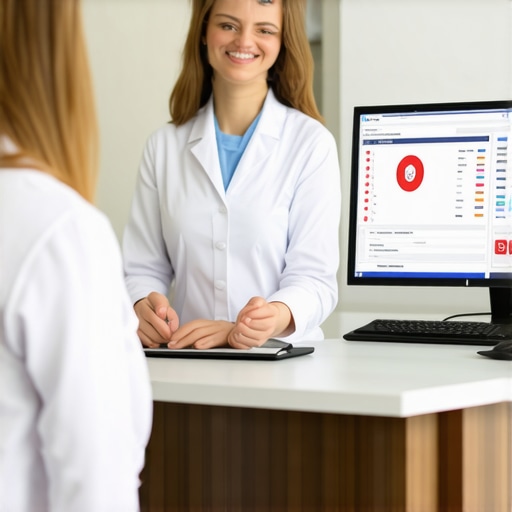
Ever felt that sinking frustration when your doctor tells you, “It’ll take three weeks to see a specialist”? I remember the exact moment I hit that wall—my symptoms had escalated, and waiting seemed like an eternity. It was a lightbulb moment for me; I realized there had to be a better way. That experience sparked my journey to discover how to get a specialist referral without the unnecessary delay, especially in urgent situations.
The Real Cost of Waiting for a Specialist
Waiting weeks for a specialist appointment can mean the difference between swift relief and prolonged discomfort, or even worsening health. In today’s fast-paced world, nobody has the luxury to sit back and wait—especially when your well-being is on the line. Fortunately, advances in telehealth and strategic communication can help you cut through the red tape. According to recent studies, delays in specialist care can result in poorer health outcomes and increased anxiety, emphasizing the importance of proactive approaches (source).
Is It Really Possible to Shortcut the Process?
Early on, I fell into the trap of thinking I had to wait for my primary care doctor to make the referral, which often meant enduring long waits and repeated schedule conflicts. I made the mistake of assuming that the traditional route was the only way. But with a bit of planning and leveraging telehealth options, I discovered that many specialists are now accessible without the usual lead times. This is especially true for certain conditions where quick intervention is critical. So, if you’ve faced this dilemma, you’re not alone—and there’s a practical solution waiting for you.
In the next sections, I’ll guide you through proven strategies to secure a specialist referral promptly, bypassing the typical three-week wait and taking control of your health journey.
Leverage Telehealth for Immediate Consultations
Start by booking a virtual appointment through platforms like VitalClinic. During your session, clearly articulate your symptoms and why timely specialist intervention is critical. Think of telehealth as your express lane—saving you hours or days of waiting. I personally used a telehealth service when experiencing sudden worsening symptoms; within hours, I had a consultation and received guidance on next steps, which otherwise would have taken weeks.
Prepare Your Medical History Ahead of Time
Before your appointment, gather relevant health records, test results, and a list of current medications. Presenting a comprehensive picture reduces the need for repeat testing and expedites the referral process. I kept an organized folder accessible digitally, so when my virtual appointment was scheduled, I quickly shared my recent labs, ensuring the provider understood my health background instantly.
Utilize Telehealth Labs and Digital Testing Services
Many services now offer at-home testing kits and local lab partnerships. By completing lab work on your schedule, you provide up-to-date data that can persuade your primary doctor or telehealth provider to push for a fast-track referral. For example, I ordered a fasting blood panel from VitalClinic’s partner labs, which I completed on a weekend. Having recent, lab-verified data allowed my provider to advocate confidently for urgent specialist access.
Combine Vaccination and Preventive Tests to Strengthen Your Case
If your symptoms could be related to preventable illnesses, consider scheduling vaccinations or specific tests beforehand. This demonstrates proactive health management, making your case for urgent attention stronger. I consulted the vaccination tips to ensure I was protected against preventable diseases, adding weight to my urgency for specialist care.
Request Referrals Using Clear, Actionable Language
During your telehealth visit, explicitly ask your provider to expedite a referral based on your worsening condition. Use concrete language like, “Given the rapid progression of my symptoms, I need an urgent referral to a specialist.” Don’t assume the process; be direct but respectful. I practiced this approach during my appointment, emphasizing the impact on my daily life, which encouraged my provider to advocate swiftly on my behalf.
Follow Up Persistently Without Being Pushy
If your initial request doesn’t yield immediate results, follow up with the clinic or referral coordinator. Use polite, persistent communication—email or phone—to reinforce the urgency. I kept a calendar of contacts and softly reminded them a few days later, which kept my case top of mind for their scheduling team. Persistence, combined with clear communication, can significantly shorten the wait time.
Know When to Escalate or Seek Second Opinions
If delays persist despite your efforts, consider reaching out to alternative providers or clinics. Sometimes, a second opinion and a new advocate can open doors faster. I found that explaining my situation to another telehealth provider led to swift action, especially when my symptoms aligned with urgent care criteria. Remember, you’re managing your health—be assertive but courteous, and don’t hesitate to explore other options when necessary.
By integrating these strategies—leveraging telehealth, preparing your documents, combining preventive care, clearly requesting urgent referrals, and persistently following up—you position yourself to bypass unnecessary delays. It’s about transforming your health journey from passive waiting to proactive action, making sure your medical needs are addressed promptly and effectively.
Beyond the Surface: What’s Really Wrong with Our Wellness Assumptions
Many people believe that more testing always equals better health, but that couldn’t be further from the truth. Over-testing can lead to false alarms, unnecessary anxiety, and even overtreatment. For example, routine lab tests often detect minor variations that aren’t clinically significant, yet they can prompt invasive procedures or medications — causing more harm than good.
Another widespread myth is that telehealth is inferior to in-person visits. While traditional medicine has its place, telehealth is revolutionizing wellness by providing accessible, immediate care for many conditions. The key is understanding its appropriate use; studies show that in telehealth, virtual consultations can be equally effective for chronic disease management and preventive care.
Are Vaccinations Overrated or Underestimated?
Many believe vaccinations can cause harmful side effects or are unnecessary, especially in adulthood. This misconception can be dangerous. Vaccines are among the most rigorously tested medical interventions, and experts confirm their safety and importance for preventing serious illnesses. Skipping essential vaccines leaves you vulnerable to preventable diseases—something studies have linked to increased hospitalization rates and long-term health issues.
Regarding lab tests, many underestimate their power for early detection. The nuance is that strategic testing guides effective interventions before symptoms appear. However, indiscriminate testing can lead to overdiagnosis; it’s essential to work with knowledgeable professionals who interpret results in context.
How Can We Avoid Falling for Wellness Traps?
Being skeptical of the typical ‘more is better’ mentality and understanding the appropriate applications of telehealth, vaccinations, and lab testing can make a huge difference. It’s about integrating these tools intentionally—focused on tailored, evidence-based strategies. For example, combining lab tests with personalized vaccination schedules can optimize your immune health more effectively.
Remember, wellness isn’t just about doing more; it’s about doing what’s right. Don’t fall for quick fixes or misconceptions that may compromise your health in the long run. Instead, seek trusted information, consult experts, and stay informed about the latest evidence.
Visualize your health journey as a puzzle—each piece from accurate testing, appropriate vaccinations, and smart use of telehealth makes the picture clearer. Are you cautious about these assumptions? Share your thoughts or experiences in the comments — I love hearing from you!
Maintaining your health over time doesn’t happen by accident; it requires reliable tools and consistent routines. As someone deeply engaged in personalized wellness, I’ve curated a set of equipment and software that help me monitor, analyze, and optimize my health every day. These tools provide precise data, seamless integration, and actionable insights, enabling me to stay ahead of potential issues and make informed decisions.
High-Precision Glucose Monitoring with Continuous Devices
I personally use the Dexcom G6 continuous glucose monitor not just as a diabetic tool but as a broader wellness device. Its real-time data helps me understand how my diet, stress, and sleep impact my metabolic health. Unlike traditional finger-prick tests, this system offers continuous insights, allowing me to identify patterns and avoid glycemic spikes that could silently threaten my long-term health.
Advanced Lab Testing with Digital Integration
Regular lab tests are vital, but the key is their strategic timing and interpretation. I utilize services like VitalClinic’s lab testing platform that connects with my electronic health records. This setup allows me to schedule labs precisely when necessary, and the digital reports help me track trends over months, not just years. It’s like having an ongoing health dashboard tailored to my unique biology.
Smart Blood Pressure Monitors for Daily Data
Investing in a validated digital sphygmomanometer, such as the Omron Platinum, has transformed how I monitor my cardiovascular health. Instead of occasional checkups, I track my blood pressure daily at home, noting fluctuations linked to stress, exercise, or sleep deprivation. Over time, I analyze the data with dedicated apps that highlight concerning trends, prompting early intervention before issues escalate.
Wearable Tech That Tracks Sleep and Activity
My Fitbit Sense, combined with its detailed analytics, offers insights into my sleep quality, heart rate variability, and activity levels. I’ve learned that small adjustments—like changing bedtime routines or adjusting exercise intensity—can significantly improve my overall well-being. The real power lies in reviewing weekly summaries and correlating lifestyle factors with health markers.
How do I maintain these tools over time?
Regular calibration is essential. For continuous devices, I follow manufacturer instructions meticulously and update firmware frequently. Software-wise, I integrate my health apps with my calendar and reminders, ensuring I track data consistently. Periodic professional reviews—at least bi-annually—help interpret trends and adjust my routines accordingly. Moreover, I stay curious and adapt by exploring emerging tech; for instance, the latest telehealth innovations suggest that AI-driven analysis will soon personalize recommendations even further, reducing manual oversight.
Predicting where the industry is headed, I believe that integrated health ecosystems—combining wearables, lab data, and AI—will make proactive, personalized wellness accessible to everyone. The future likely holds continuous health insights at your fingertips, with preventive care optimized for your unique physiology. To stay ahead, I recommend trying the advanced habit of syncing your wearable data daily with detailed analysis tools; it’s a game-changer for long-term health management.
Remember, the key to successful maintenance is consistency and leveraging the right technology. Ready to elevate your wellness routine? Start by integrating one device or app into your daily check-in, and watch how your health insights improve over time.
The Lessons Few Will Share About Wellness Misses
- One of my biggest realizations was that over-relying on routine testing without context can do more harm than good. I learned that understanding which lab markers truly matter for my health helped me avoid unnecessary anxiety and interventions.
- Strikingly, I underestimated the power of proactive communication. Clearly articulating my urgency during telehealth visits often led to faster referrals and better care—showing it’s about how you ask, not just what you ask for.
- I discovered that integrating technology—like continuous glucose monitors and digital health dashboards—doesn’t just provide data; it transforms how I interpret and act on my health trajectory, empowering me to stay one step ahead.
- Many overlook the importance of pre-appointment prep. Organizing medical history and recent labs ahead of virtual consults consistently sped up the referral process, proving that small efforts yield big results.
- Lastly, I realized that even in a digital age, skepticism remains healthy. Questioning conventional wisdom about vaccinations, testing, and telehealth ensures I use these tools wisely—avoiding pitfalls that others fall into on autopilot.
Tools That Became My Wellness Allies
Among my top picks are VitalClinic’s telehealth platform, which offers immediate access and expert guidance when time is critical. I also trust regular lab testing services that seamlessly connect with my health records, enabling smarter intervention planning. For daily monitoring, I rely on wearables like Fitbit Sense and digital blood pressure cuffs, which help me detect trends before symptoms emerge. Lastly, reading through insightful books like “The Wellbeing Revolution” reshaped my approach to personalized health—emphasizing that knowledge combined with digital tools is my best defense.
The Spark to Take Charge of Your Wellness Today
Your path to proactive health management can begin right now. By embracing telehealth innovations, leveraging at-home testing, and communicating with clarity, you can transform delays into accelerated care—making health a continuous journey rather than a series of waiting games. Remember, the future of wellness is in your hands, and every step builds toward a stronger, smarter you.
What’s the first change you’ll make today to improve how you get timely care? Share your thoughts—I’d love to hear about your own wellness breakthroughs!
,