
Why You Don’t Need an In-Person Exam for Every Routine Lab Review
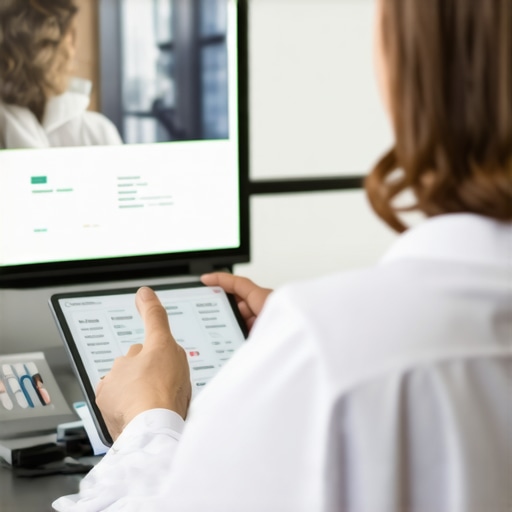
I remember sitting in that cold, sterile doctor’s office, feeling anxious as the nurse drew my blood. It was routine—just a regular checkup, or so I thought. But as I watched the needle, a sudden realization hit me: there has to be a better way. Why do I need to physically be there for every lab review? Can’t I just do this remotely, save time, and still keep a close eye on my health? That moment sparked a lightbulb in my mind. Today, I want to share how I learned to skip unnecessary in-person visits without sacrificing my health.
Redefining How We Approach Routine Lab Tests
In today’s fast-paced world, time is one of our most valuable resources. Yet, many of us still follow traditional healthcare practices that require multiple clinic visits—often for simple lab reviews that can be managed remotely. The good news? Advances in telehealth and home-testing kits have made it possible to monitor your health from the comfort of your home. I’ve discovered that scheduling periodic virtual consultations and utilizing home lab services can be just as effective—if not more convenient—as traditional in-clinic visits.
But let’s be honest, I was guilty of making a rookie mistake early on: I assumed that in-person exams were irreplaceable. I would wait weeks for appointments, often feeling frustrated and anxious. Over time, I realized that many routine lab reviews don’t necessitate a day off work or a trip to the doctor’s office. In fact, modern telehealth platforms now allow you to consult with healthcare providers online and order lab tests that can be done right at home. This approach not only saves time but often results in more frequent monitoring, which is crucial for managing chronic conditions or early detection.
Did you know that regular labs are critical for identifying hidden health risks before symptoms even appear? According to recent research, proactive testing can catch issues early, making interventions more effective and less invasive ([source](https://vitalclinicmd.com/why-regular-lab-tests-are-critical-for-your-wellness-journey)). If you’ve ever felt overwhelmed by the idea of constant visits to the doctor, you’re not alone. Many have made the switch successfully, and I believe it’s a game-changer.
So, if you’re tired of the endless cycle of appointments that take over your schedule, stay with me. I’ll walk you through practical steps to embrace this smarter, more flexible approach to health monitoring. Ready to take control without the hassle? Let’s dive into how you can make this shift seamlessly.
Set Up Your Virtual Healthcare Framework
Start by choosing a reputable telehealth platform such as VitalClinic that prioritizes your privacy and offers easy appointment scheduling. Establish a schedule for regular check-ins, like monthly or quarterly, based on your health needs. Use their online portal (contact page) to inquire about available services and ensure your data is protected (privacy policy). Setting this foundation makes remote monitoring seamless and trustworthy.
Select Appropriate Home-Testing Kits
Identify which labs are essential for your health—tests for cholesterol, blood sugar, or vitamin levels. For instance, to routinely monitor your vitamin D, order a kit that you can perform at home, avoiding the need for clinic visits. Look into options like home lab kits that deliver quick and accurate results. When you receive your test kit, follow the provided instructions meticulously to ensure validity, akin to following a recipe precisely to achieve the desired dish.
Leverage Telehealth for Consultations
Once your lab results are ready, schedule a virtual consultation to review findings with a healthcare provider. Think of this as a remote sit-down where your doctor helps interpret data and guides your next steps. Use online booking portals (contact page) to streamline appointments. During the session, discuss your results and whether your current lifestyle or medication requires adjustments. This process mirrors having a check-in with your car mechanic—just for health—quick, efficient, and less invasive than traditional visits.
Keep Your Data Organized and Secure
Maintain a digital folder of your lab reports and consultation summaries. Use secure cloud storage to access your health history easily, similar to having a personal health dashboard. Check the platform’s privacy policies (privacy policy) to ensure your information remains confidential. This organization simplifies future testing cycles and enables your provider to track trends over time, which is critical for early detection and preventive care.
Integrate Vaccination Scheduling Remotely
If vaccinations are part of your wellness plan, consult with providers online to create a personalized vaccination schedule that fits your lifestyle. Virtual consultations allow you to address questions about vaccine timing and safety, reducing the need for in-person clinic visits. Additionally, you can access detailed guidance on vaccinations (personalized vaccination schedules) to optimize protection without disrupting your routine. Think of this like scheduling an oil change online—simple, convenient, and tailored to your needs.
Maintain Consistency and Adaptability
Review your health data and virtual consultations periodically. Adjust your testing frequency or vaccination plan based on evolving health markers and advice from your provider. This ongoing process ensures you stay proactive, much like updating your software to keep devices secure and efficient. Remember, embracing this digital approach empowers you to manage your wellness proactively, saving time and reducing stress associated with traditional healthcare visits.
While many believe they understand the basics of vaccinations, wellness checks, and telehealth, there are subtle complexities and misconceptions that can impact your health outcomes. Let’s dig deeper into some common myths and advanced pitfalls that even educated patients often overlook.
Are There Hidden Risks in Relying Solely on At-Home Tests?
One prevalent misconception is that ordering home lab tests automatically ensures comprehensive health monitoring. In reality, these tests often detect only a fraction of potential issues unless selected carefully based on your personal health profile. For instance, many overlook the importance of specific markers like ferritin or thyroid antibodies, which require professional interpretation to avoid misdiagnosis (see more). An advanced mistake is assuming that a normal result rules out hidden risks; some conditions, like insulin resistance, can hide behind normal fasting glucose levels. Regularly updating your testing strategy through personalized assessments prevents these blind spots and catches issues early, which is critical for effective intervention.
However, there’s a trap in not understanding the nuance of lab timing. Fasting state, time of day, and recent activity can skew results, leading to false reassurance or unnecessary alarms. For example, your vitamin D levels might still be low even after supplementation if your test isn’t timed correctly or if absorption is impaired due to gut health issues. The key is to synchronize testing with your lifestyle and coordinate with a knowledgeable provider (learn more).
Vaccinations too are often misunderstood. A common myth is that if you’ve received a vaccine once, you’re fully protected for life. In reality, immunity can wane over time; boosters are essential but frequently overlooked because of misinformation or complacency (see expert insights). An advanced error is neglecting personalized vaccination schedules based on age, health status, and travel plans—factors that standard recommendations might miss. This oversight can leave you vulnerable unexpectedly.
Telehealth offers unprecedented convenience, yet many get wrong when it comes to its limitations. A misconception is that virtual care replaces all in-person assessments; this can be risky if symptoms are complex or require physical exams. Advanced users leverage telehealth for continuous monitoring and strategic testing, but they understand when to escalate to in-person care (discover practical approaches). Ignoring the nuances of when virtual care is appropriate may lead to delayed diagnoses or ineffective treatments.
Remember, the key to effective health management is not just in accessing tests or vaccines but in understanding the appropriate context, timing, and interpretation. Be wary of simplistic assumptions and stay informed about the nuanced strategies that truly safeguard your wellness. Have you ever fallen into this trap of oversimplification? Let me know in the comments, and stay proactive in your health journey.
Keeping Your Wellness in Check: Essential Tools for Long-Term Success
Maintaining a proactive approach to health requires more than just occasional checks; it demands reliable tools that integrate seamlessly into your routine. I personally rely on a curated set of equipment and software designed to empower you with real-time data and insightful analysis. Foremost among these is a high-quality digital health tracker, such as the Fitbit Sense, which accurately monitors heart rate variability, sleep stages, and activity levels. These metrics provide a comprehensive picture of your physiological well-being and help identify early signs of imbalance.
Complementing hardware, cloud-based health platforms like VitalClinic’s telehealth service offer secure, user-friendly interfaces to review lab results, schedule virtual consultations, and track ongoing health markers. Personally, I utilize their portal to keep my lab data organized, which enables me to notice gradual trends over months—much like a financial dashboard but for health.
In terms of lab testing, I advocate for home-testing kits that are reliable and easy to use. For example, the Essentials Kit allows me to check vitamin levels, blood sugar, and lipid profiles without stepping into a clinic. Following the instructions meticulously ensures accuracy; think of it as assembling a precision instrument where every step impacts the outcome.
Looking ahead, I predict that wearable tech combined with AI-driven analytics will become even more personalized, providing recommendations tailored to your genetic makeup and lifestyle patterns. This convergence will allow for adaptive interventions—like adjusting your vaccination schedule based on immune response data, as emerging research suggests (source).
How do I maintain these tools over time?
Consistency is key. I schedule weekly reviews of my device logs and monthly virtual check-ins with trusted healthcare providers. Protecting your data is also critical; I ensure my health data remains private by reviewing the privacy policies—a step often overlooked but essential for safeguarding sensitive information. Keeping your tools updated, calibrated, and integrated with your lifestyle is what transforms data into actionable insights, ultimately helping you stay ahead of health issues before they escalate.
If you’re ready to take your health monitoring seriously, consider starting with a reliable wearable device paired with a secure telehealth platform. These tools empower you to maintain wellness consistently and adaptively, even as your needs evolve. Remember, early detection and personalized data are your greatest allies in preventing long-term health complications.
Three Truths I Wish I Had Known Sooner about Remote Wellness
First, don’t overestimate the simplicity of home testing; some markers require professional interpretation or precise timing, so always consult with a knowledgeable provider. Second, a normal lab result doesn’t always guarantee you are out of danger—regular, personalized assessments are key. Third, telehealth isn’t a complete replacement for in-person exams—knowing when to escalate your care can prevent missed diagnoses and complications.
Tools That Elevated My Health Monitoring Game
My top recommendation is the VitalClinic telehealth platform, trusted for its privacy safeguards and expert support. I also rely on reliable home lab testing kits, which offer convenience without sacrificing accuracy. For wearable tech, I recommend devices like Fitbit Sense—combining real-time data with AI insights, these tools help me stay ahead of potential issues before they escalate. Lastly, I value continuous education through trusted resources like expert articles and guidelines that deepen my understanding of preventive health.
Your Power to Take Control Starts Today
Embracing remote health monitoring isn’t just a trend—it’s your pathway to a more empowered and stress-free wellness journey. Remember, small consistent steps—like scheduling regular virtual check-ins or using home testing kits—can lead to big health gains over time. The future belongs to those who take proactive control, so why not start today? Your health transformation begins now.