
How to Get Your Blood Pressure Meds Refilled Without an Office Visit
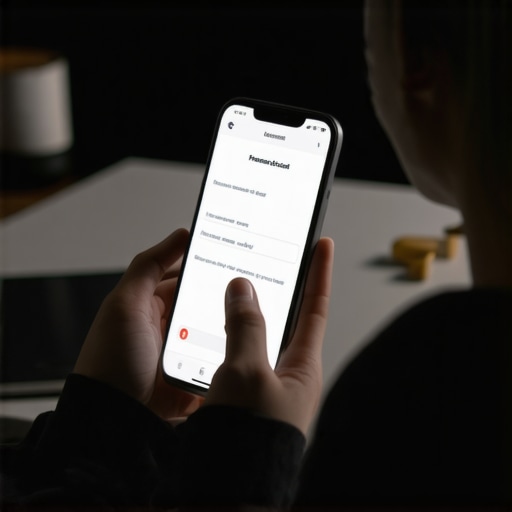
I remember the uneasy feeling that hit me one morning—standing in my bathroom, staring at my blood pressure monitor, only to realize I was dangerously close to running out of my blood pressure medication. The usual appointment with my doctor was scheduled weeks away, and I couldn’t shake the thought: what if I miss a dose or, worse, have a health setback just because I couldn’t get a timely refill? That moment was a lightbulb for me, revealing just how frustrating and stressful it can be to manage ongoing prescriptions in our busy lives.
Figuring Out How to Refill Prescriptions Without the Hassle
Here’s the truth—getting your blood pressure meds refilled shouldn’t feel like a high-stakes game of on-time delivery or a race against the calendar. Today, I want to share how I’ve learned to navigate this process smoothly, saving myself time, stress, and potentially serious health complications. If you’ve ever faced a similar concern—worried about gaps in your medication or the hassle of scheduling in-person visits—you’ll find that there’s a better way.
Is Telehealth Really Trustworthy for Medication Refills?
Early on, I made the mistake of thinking that only in-person visits could guarantee safe medication management. I was nervous about quality, oversight, and whether a virtual consultation would be enough. Over time, I discovered that reputable telehealth services are regulated and operate under strict medical standards, ensuring safe prescriptions without sacrificing convenience (read more about understanding medical tests). That realization was a game-changer, and I started using telehealth to keep my prescriptions up-to-date, especially for chronic conditions like hypertension.
By leveraging telemedicine services, I avoided unnecessary trips to the pharmacy or clinic, gaining more control over my health while maintaining the necessary oversight from my healthcare provider. But I was careful—trustworthy providers typically require some recent health information and may recommend lab tests to ensure medications are still appropriate (learn why regular lab tests matter). Making that initial mistake of assuming virtual care was too impersonal or unreliable kept many from exploring this invaluable resource. Now, I see it as a vital part of my wellness toolkit, especially when managing medications like blood pressure pills.
So, if you’re tired of the back-and-forth, the waiting, or the worry about running out of essential meds, keep reading. I’ll walk you through practical steps on how to securely and confidently get your blood pressure medicines refilled without leaving your home. It’s easier than you think, and it just might be the relief you need in your ongoing health journey.
Schedule a Virtual Consultation to Update Your Prescriptions
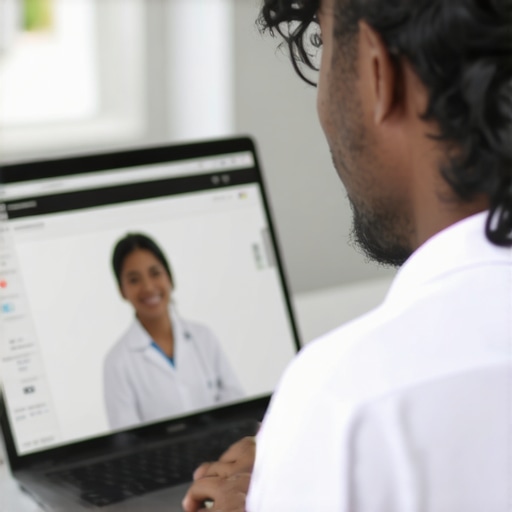
Start by booking a telehealth appointment through a reputable platform like VitalClinic. During the video visit, prepare to discuss your current health status, medication effectiveness, and any side effects. Provide recent measurements or health data if available to give your provider a complete picture. I once scheduled a same-day virtual visit, which allowed me to get my blood pressure meds renewed without taking time off work—a clear win for managing my hypertension efficiently.
Share Recent Lab Tests to Ensure Medication Safety
Prior to your appointment, consider completing relevant lab tests that inform your provider about your current health. For blood pressure management, tests like lipid profiles and kidney function assessments are common. These labs act like a health report card, guiding your provider on dosage adjustments or medication choices. I used a virtual service that offers at-home lab testing, making the process straightforward and less time-consuming (learn how lab tests enhance wellness).
Discuss Lifestyle and Medication Goals
During your virtual visit, engage in a candid conversation about lifestyle factors impacting your blood pressure, such as diet, exercise, and stress levels. This discussion helps tailor your treatment plan precisely. I learned that adjusting my salt intake and incorporating meditation significantly improved my readings, allowing my provider to make safe medication modifications.
Receive Your Prescription Digitally and Schedule Refill Reminders
Once your provider approves your medication, they’ll send your prescription electronically directly to your preferred pharmacy. This eliminates the need for physical visits or calls. To stay ahead, set up refill reminders through your pharmacy app or medication management services. I’ve found that automated alerts prevent accidental gaps in my meds, giving peace of mind. For more about digital prescriptions and pharmacy options, check out VitalClinic contact page.
Many people approach health testing and preventive care with preconceived notions that can lead to costly mistakes. One prevalent myth is that all lab tests are created equal, and that more tests automatically translate to better health insights. In reality, selecting the right tests requires understanding their specific purposes and limitations. For example, while some assume that annual comprehensive panels catch every issue, expert guidance suggests targeted testing based on personal risk factors often yields more meaningful results. This nuanced approach helps prevent unnecessary expenses and false positives that can cause unwarranted anxiety.
Another misconception revolves around telehealth, which many believe is a mere convenience rather than a reliable medical service. However, virtual consultations, when conducted through reputable providers, are regulated and adhere to strict safety standards. They provide an effective alternative for managing chronic conditions, updating prescriptions, and even conducting routine health screenings. The key is to recognize the difference between trustworthy telemedicine platforms and less reliable sources. For instance, current research shows telehealth’s efficacy in early detection and ongoing management of common health issues, often matching in-person visits in quality.
Advance Tip: How deep should genetic or biomarker testing go?
Many assume that comprehensive testing, including genetic or expansive biomarker panels, is always necessary for good health. Yet, overtesting can lead to information overload, misinterpretation, and unnecessary interventions. It’s crucial to understand which tests genuinely influence your health decisions. Experts recommend focusing on evidence-backed markers that have established clinical significance. For example, integrating regular lab assessments alongside lifestyle adjustments often provides more tangible benefits than exhaustive but superficial testing. Consulting healthcare professionals about which tests will add value helps avoid the trap of chasing every imaginable data point.
Let’s talk about vaccinations—another area often misunderstood. Many people are under the false impression that vaccines last forever or that they’re only necessary during childhood. In truth, immunity can wane over time, and booster doses are critical to maintaining protection against diseases such as tetanus or shingles. Misinformation proliferates with claims that vaccines are risky or unnecessary, but the scientific consensus contradicts these myths. Vaccination schedules personalized based on individual health history and risk factors, often require adjustments. For trusted information, exploring up-to-date vaccination facts is essential to make informed decisions.
But be wary — not all advice is based on science. Sometimes, well-meaning health tips are oversimplified, leading to overlooked nuances. For example, relying solely on at-home testing kits without proper interpretation can be risky. These tools should be used as adjuncts, not replacements for professional evaluation. Always verify findings with a trusted healthcare provider to prevent misdiagnosis or unnecessary worry. The crux of effective wellness lies in balancing accessible tools with expert oversight.
So, the next time you read about groundbreaking tests, new vaccination protocols, or alternative wellness strategies, ask yourself: Am I falling for a myth or missing a critical nuance? Staying informed and cautious can make your health journey safer and more effective. Have you ever fallen into this trap? Let me know in the comments and share your experiences, so we can navigate this complex landscape together.
How do I keep my health tools working effectively over time?
Maintaining a robust wellness routine requires more than just initial setup; it demands consistent monitoring, periodic updates, and a keen eye on emerging technologies. One of my key tools is a digital health app called MyHealthPal, which I use to log daily vitals and track lab results seamlessly. This app syncs with my wearable device, a Fitbit Charge, to provide real-time feedback on my activity levels and sleep patterns, enabling me to make informed decisions day-to-day.
Regularly reviewing lab test results is crucial. I schedule routine labs through reputable telehealth services, which often incorporate at-home testing kits. These kits, such as those from EverlyWell, allow me to perform finger-prick tests for glucose, vitamin D, and lipid panels at home, sending data directly to my provider for analysis (learn why regular lab tests matter). This proactive approach prevents the development of silent issues and keeps my health metrics on track.
Staying updated on secure, user-friendly telehealth platforms is essential. I rely on services like VitalClinic, which emphasizes privacy and compliance with medical standards (review their privacy policy). These platforms are evolving rapidly, integrating AI to assist with preliminary assessments, making virtual care even more reliable for ongoing management.
Investing in quality equipment is equally important. My preferred blood pressure monitor is the Omron Platinum, praised for its accuracy and Bluetooth connectivity, which effortlessly uploads readings to my health dashboard. Proper calibration and regular replacement of batteries ensure continued precision, avoiding false readings that could lead to unnecessary medication adjustments.
In the future, I foresee AI-powered health assistants becoming personal wellness coaches, analyzing patterns across various data points—lab results, wearable activity, and diet—to recommend personalized interventions. Staying adaptable and embracing these innovations will be vital for sustained health progress.
What steps can you take today to ensure your tools stay effective?
One actionable tip is to establish a quarterly review habit. Schedule time to go over your lab results, update your wearable device firmware, and assess the accuracy of your blood pressure cuff. Remember, the goal is to create a dynamic system—constantly fine-tuned to reflect your evolving health status. I challenge you to try calibrating your blood pressure monitor now; proper calibration can make a significant difference in detecting subtle changes over time. This simple step often reveals issues before they become symptomatic, keeping you ahead in your wellness journey.
Three Surprising Truths I Wish I Knew from the Start
- Putting trust in telehealth was initially my biggest leap of faith; I learned that reputable virtual services adhere to strict medical standards, making remote prescriptions both safe and effective (understanding lab tests).
- I underestimated how targeted lab testing, combined with lifestyle insights, could prevent silent health issues before symptoms even appeared, saving me from costly interventions later (why regular lab tests matter).
- My misconception that in-person visits were the only path to safe medication management kept me from exploring efficient options; embracing virtual care transformed my approach, offering convenience without compromising safety.