
How to Manage Your Type 2 Diabetes Without Constant Clinic Trips
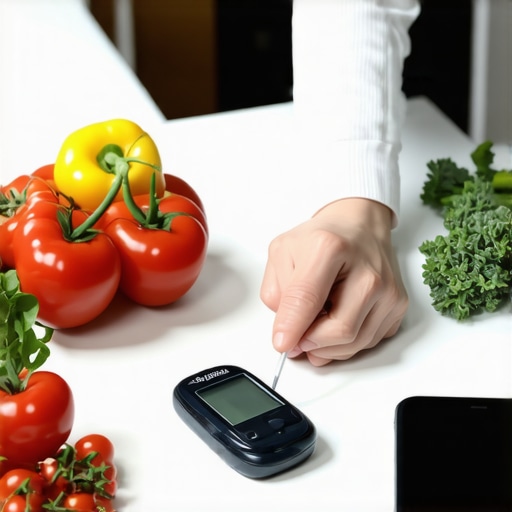
It hit me one morning, as I sat waiting in a sterile clinic corridor, feeling the weight of yet another blood test and another appointment. The endless cycle of lab visits, wait times, and the anxiety of waiting for results was draining. I remember thinking, “There has to be a better way”—a way to stay on top of my health without sacrificing entire afternoons and mental peace.
Why Managing Diabetes at Home Can Be a Game-Changer
For too many of us, managing Type 2 diabetes feels like an ongoing battle against the clock. Regular clinic trips can be exhausting—not just physically but emotionally, too. The good news? Innovations in telehealth and smarter testing strategies mean you don’t have to be tethered to the healthcare system constantly. I’ve personally discovered that with a bit of proactive planning, I can monitor my condition effectively without the frequent clinic visits I once thought were unavoidable. Not only does this save time, but it also reduces stress and empowers you to take control of your health journey.
Is Telehealth Actually the Future of Convenient Care?
At first, I was skeptical. Would virtual visits really replace the reassurance of face-to-face appointments? Turns out, they can. According to recent insights, telehealth is rapidly becoming a cornerstone of accessible, efficient healthcare—especially for chronic conditions like diabetes. Plus, it offers privacy and flexibility, so you can address health concerns on your own schedule. However, I made the mistake early on of underestimating the importance of comprehensive lab testing, which is crucial for understanding the full picture. For those considering this route, knowing what tests to prioritize is essential. You can explore more about the key tests necessary for accurate health assessment in this comprehensive guide.
So, if those endless clinic visits sound familiar—and if you’re ready to take a smarter approach—this post is for you. We’ll look at how you can leverage new tools and habits to stay ahead of your condition, without the constant trips to the doctor’s office. Ready to learn more? Let’s dive into practical strategies that can make managing your diabetes easier, more efficient, and ultimately, more empowering.
,
Streamline Your Monitoring Routine
Start by establishing a reliable schedule for blood glucose testing. Use a digital log or smartphone app to track results consistently. This data acts as your health compass, guiding dietary choices and activity levels. I remember setting reminders on my phone to test at specific times daily. Initially messy, but over a week, it became a seamless habit, revealing patterns I never noticed before.
Prioritize Key Lab Tests for Full Clarity
Identify essential tests like HbA1c, lipid profile, and kidney function markers to get a comprehensive health snapshot. Use online resources such as this guide to know what to request. I once scheduled a full panel before a telehealth appointment, which uncovered an electrolyte imbalance that needed attention, saving me a potential hospital visit later.
Leverage Telehealth for Regular Check-Ins
Set up virtual appointments with your provider to review test results and discuss symptoms. Think of telehealth as your wellness cockpit — it consolidates your health data and expert advice without the long waits. Remember when I had persistent tingling in my feet? A quick video consultation helped me adjust my medication and avoid unnecessary clinic trips, thanks to a proactive approach.
Combine Testing and Vaccinations Strategically
Coordinate lab tests with vaccination schedules for maximum impact. For example, ensure your immunity boosters are aligned with your health markers. Use resources like expert tips to optimize timing. I once received a flu shot during a telehealth consultation after reviewing my immunity levels, which proved more efficient than waiting for an in-person visit.
Record and Review Data for Continuous Improvement
Maintain a digital dashboard of your results and notes. Regular review reveals trends, enabling timely adjustments. Think of it as your personal health dashboard, much like a car’s instrument panel. After a month of tracking, I noticed my fasting glucose spiked after late-night snacks, prompting me to modify my evening eating habits.
Stay Consistent and Educated
Adopt a routine to keep testing, recording, and consulting within reach. Use trusted information sources like wellness checks to stay informed. Remember, knowledge combined with consistent actions leads to better control, minimizing surprises and hospital visits. My consistent approach helped me catch a rising trend early, leading to dietary adjustments and improved blood sugar stability.
Many people fall for misconceptions about health management that hinder their progress. One common myth is that more frequent lab tests automatically mean better health insight, but in reality, over-testing without proper interpretation can lead to unnecessary anxiety and even misdiagnosis. It’s essential to understand which tests truly matter, such as those outlined in this guide, to avoid the trap of chasing harmless anomalies.
A frequent oversight in wellness strategies is assuming that vaccinations are a one-size-fits-all solution. This can lead to overlooking personalized vaccination schedules tailored to your unique health profile. Check out this resource to see how customized plans can optimize your protection.
Many underestimate the nuanced benefits of telehealth, thinking it’s only suitable for minor issues. However, advanced users recognize it as a holistic tool for managing chronic conditions, medication adjustments, and detailed health discussions—benefits discussed in this article. Conversely, some mistake virtual visits for subpar quality of care, risking delayed diagnoses.
One dangerous trap is relying solely on self-interpreted lab results without professional guidance. This can lead to unnecessary worry or complacency, especially if foundational markers like blood sugar or lipid levels are misread. To avoid this, reviewing your results with a healthcare provider—even virtually—can be transformative, as emphasized in this post.
The misconception that vaccinations or tests are redundant if you’re feeling well can be costly. Many ignore subtle symptoms or early markers of imbalance because they don’t appear obvious. Continuous monitoring and proactive testing—like those recommended for frequent travelers or individuals with family histories—can detect issues before they manifest clinically. This importance is highlighted in this article.
The ‘oops’ here is neglecting to interpret data in context — a lab value outside the ‘normal’ range isn’t always problematic, just as a slightly elevated reading doesn’t warrant panic. Combining lab results with personalized health data ensures nuanced understanding, which is key to effective decisions. Always aim for a comprehensive view, rather than isolated numbers.
Have you ever fallen into this trap? Let me know in the comments. By appreciating these hidden nuances, you can elevate your health management from casual to expert, ensuring smarter choices and better outcomes.
How do I maintain my health tools and routines over time?
Investing in reliable technology and establishing consistent habits is vital for long-term health management. I personally rely on the Dexcom G6 continuous glucose monitor, which seamlessly syncs with my smartphone. This device provides real-time data without the need for frequent finger pricks, enabling me to react swiftly to fluctuations and maintain better control. Additionally, integrating with apps like MyFitnessPal helps track diet and activity, creating a comprehensive overview of my health.
For lab tests, I prefer using at-home testing kits from companies like Everlywell. Their validated tests, such as the comprehensive hormone panel, allow me to monitor key markers without visiting a clinic. Once I receive lab results, I review them against benchmarks in reputable guides like this resource to ensure I interpret the data correctly. Regularly scheduled tests—every three to six months—help catch early signs of issues and refine my health plan proactively.
Tools I recommend for ongoing health maintenance
While many devices exist, I champion the use of the Withings Body+ scale, which tracks weight, body composition, and even heart rate variability. This multifaceted data helps me understand my progress beyond weight alone. For medication reminders, I utilize Medisafe, an app that syncs with my pharmacy and alerts me to doses, reducing missed medications — a common pitfall in chronic illness management.
Telehealth platforms have become indispensable. I regularly book virtual consultations through this site because they’ve simplified my access to healthcare professionals. They allow me to review test results and discuss symptoms without the hassle of in-person visits. This approach not only saves time but also fosters a more consistent connection with my providers, ensuring I stay on top of my health needs.
Future trends in maintaining wellness tools
The future points toward more integrated health ecosystems—wearable devices that automatically share data with your medical team and AI-driven apps that offer predictive insights. This evolution can alert you to risks before symptoms appear, much like a health version of a weather forecast. For example, continuous data streams from my smartwatch’s heart monitor can flag irregularities, prompting earlier intervention.
Consistency is key. Set reminders for periodic checks, calibrate your devices as recommended, and review your data regularly. One step I took was scheduling quarterly reviews of my health dashboard. This proactive stance has significantly improved my ability to manage potential issues early on and fine-tune my wellness regimen.
Make your wellness system work for you
To really keep your health tools effective, commit to integrating them into daily routines. Use automation where possible, like syncing data across apps or setting up alerts for test dates and vaccination due dates. Don’t hesitate to explore advanced tips such as customizing your vaccine schedules—see this guide—to optimize your protection.
Try configuring a health dashboard that brings together all your test results, device data, and appointment schedules. It might seem complex initially, but the payoff is greater awareness and easier adjustments—empowering you to stay in control of your wellness long-term.
Lessons Only the Wise Discover About Personal Wellness
One breakthrough moment was realizing that blindly following routine tests or vaccinations without understanding their purpose can lead to unnecessary anxiety or missed opportunities for early intervention. I learned that personalized care beats generic protocols—consulting experts and using tailored testing can revolutionize your health journey.
Understanding the nuances of lab markers like HbA1c or kidney function tests has empowered me to make better dietary and lifestyle choices. It’s not about more tests but the right ones—knowing which to prioritize made a significant difference in my control over diabetes.
Embracing telehealth revealed that quality care doesn’t require a trip to the clinic. Virtual consultations, when combined with strategic lab testing, offer both convenience and depth—saving time and providing peace of mind. It’s about building a proactive health ecosystem that fits your life, not the other way around.
Tools That Transform How I Stay Ahead in Wellness
My favorite resource is the comprehensive guide to essential lab tests, which helps me make informed decisions about what tests are truly necessary. I trust this because it’s based on expert insights and tailored to wellness goals like diabetes management.
The Dexcom G6 continuous glucose monitor has been a game-changer, providing real-time data directly to my phone and reducing constant finger pricks. Combining this with apps like MyFitnessPal complements my understanding of how diet affects blood sugar, creating a clear picture of my health dynamics.
For at-home testing, Everlywell’s kits are my go-to—they’re easy, reliable, and save me countless clinic visits. Regularly reviewing these results against trusted benchmarks, like this resource, helps me stay vigilant and catch issues early, long before symptoms appear.
Your Next Step in Wellness: Be Both Bold and Consistent
The future of managing vaccinations, lab tests, and telehealth is bright, integrating advanced tech and personalized strategies that put you in control. Don’t hesitate to set up a health system that works for your unique needs—schedule periodic reviews, calibrate your devices, and stay informed through trusted sources.
Ask yourself: what small change can I implement today that will make a long-term difference? Perhaps it’s setting reminders for regular testing or booking a virtual consultation to review your latest lab results. Every step counts in the journey toward optimal health.
Remember, your wellness journey isn’t just about reacting to health issues but proactively preventing them. Combining vaccinations, lab tests, and telehealth creates a powerful triad—equipping you with knowledge, convenience, and confidence. Are you ready to transform your health approach and live more empowered? Let me know your plans or questions below!