
How to Prep for Blood Work to Ensure Your Results Are Accurate
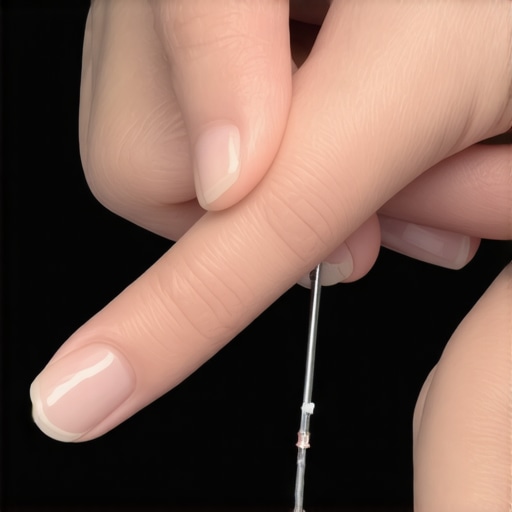
I remember the sinking feeling I got after my last blood test. The results showed some unexpected irregularities, prompting a cascade of worries and a series of follow-up tests. It hit me then—how much did my preparation or lack thereof influence those numbers? That moment became a lightbulb for me: my approach to blood work mattered more than I thought. If you’ve ever felt frustrated after a blood test that seemed to tell you nothing or worse, misled your healthcare provider, you’re not alone.
Why Preparing for Blood Tests Can Change Everything
Getting accurate blood work results isn’t just about showing up at the lab—it’s about making sure your body is in the right state to provide meaningful data. Skipping preparatory steps can lead to results that are skewed, forcing you into repeat tests or, worse, leading to unnecessary treatments. Whether you’re monitoring chronic conditions, evaluating your wellness, or just trying to stay ahead of health issues, optimal prep can make a significant difference. According to a recent study, non-fasting blood tests, when properly prepared, can be just as reliable as fasting ones, but only if you follow specific guidelines meticulously (source). This means small yet impactful habits can lead to more confident health decisions.
So, what can you do to improve your results? That’s exactly what I’ll walk you through. Together, we’ll uncover proven tips to help you prepare effectively, ensuring your blood tests reflect your current health status as accurately as possible. Ready to ditch the uncertainty and get results you can trust? Let’s dive into practical strategies that work.
Is it really worth the effort? Don’t I just need to show up?
I used to think that showing up was enough—until countless retests proved otherwise. Early on, I neglected common prep steps like fasting or hydration, and that mistake compromised my results. Trust me, I’ve learned the hard way. For example, not drinking enough water before a test can lead to more viscous blood, skewing some tests. Small oversights can lead to big errors, making it essential to follow precise prep guidelines. If you’ve ever wondered whether all this fuss over prep is just marketing hype, you’re not alone—but scientific evidence affirms that proper preparation greatly enhances test accuracy, saving you time, stress, and even money in the long run.
Set Clear Preparation Goals
Define the specific tests you’ll undergo and review their prep requirements. For instance, if fasting is needed, plan to avoid food and drinks (besides water) for the recommended time, usually 8-12 hours. I once scheduled a fasting blood test for 7 a.m., ensuring I skipped breakfast after dinner at 9 p.m. the night before. This simple step prevented misleading glucose or lipid results.
Prepare Your Body the Day Before
Hydrate Strategically
Drink plenty of water the day before to ensure your blood is less viscous, making it easier for the lab to obtain accurate measurements. I learned this when I oversaw my hydration leading up to a blood draw, which resulted in a smoother blood collection and more reliable results. Avoid excessive caffeine or alcohol, as they can impact hydration and test outcomes. Hydration is like priming a filter—clearer blood provides clearer data.
Avoid Certain Substances
Steer clear of medications or supplements that could skew test results unless directed otherwise by your healthcare provider. For example, high doses of vitamin C can skew some tests. I remembered to pause my vitamin supplement regimen a few days prior to testing based on my provider’s instructions, which proved critical for accurate ferritin levels. Always consult your doctor or check your lab order for any contraindicated substances.
Control What You Eat and Drink
If fasting isn’t required but your bloodwork involves cholesterol or glucose levels, maintaining a consistent diet in the days leading up helps. For tests that demand fasting, stick to water only—no gum, mints, or even flavored waters—since they can affect results. Think of your body as a fuel tank; what you introduce can alter what’s measured at the station. I once consumed juice right before a fasting test, unknowingly invalidating my sample and prompting a retake.
Timing Is Everything
Schedule your blood test early in the morning to minimize fluctuations caused by daily routines. Morning draws often provide a more standardized baseline. I scheduled mine at 8 a.m., aligning with lab hours, which helped me avoid postprandial variations and ensured consistency across tests. Remember, consistency in timing aids in tracking changes over time.
Wear Appropriate Clothing and Be Prepared
Choose loose, easily rollable sleeves to facilitate venipuncture. Stay relaxed; stress can temporarily elevate certain markers like cortisol, potentially confusing results. I made sure to wear short sleeves for quick access, and practiced deep breathing beforehand to stay calm. Simple gestures like these streamline the process and reduce chances of hemolysis or other complications that can distort labs.
Communicate with Lab and Healthcare Providers
Inform them about any recent activities or medications. Confirm fasting status if relevant. I always double-checked with the lab staff whether I needed to do anything special, which helped prevent last-minute surprises. Additionally, confirm where to get the results—sometimes digital portals or direct communication can expedite understanding and action.
Leverage Telehealth for Follow-up and Clarification
Use virtual visits to discuss uncertainties or prepare for subsequent tests. Telehealth platforms simplify scheduling and consultations, saving time and providing clarity. For complex questions about test prep, I’ve utilized telehealth sessions to get rapid guidance—this approach is akin to having a personal health coach guiding you through each step.
< >
>
Many people think they have health figures figured out, but beneath the surface, misconceptions and overlooked nuances can mislead even the most diligent. Let’s dig deeper into some of the most common yet misunderstood areas of lab tests, vaccinations, telehealth, and wellness strategies. Recognizing these pitfalls can save you time, money, and unnecessary worry.
Are You Falling for Simplistic Myths About Vaccinations?
A prevalent misconception is that vaccines are one-size-fits-all solutions, but in reality, timing and individual health status significantly influence their effectiveness. Many assume that receiving a vaccine is enough, regardless of other factors like nutrient levels, immune health, or existing conditions. Overlooking these nuances can diminish vaccine efficacy, especially in populations with underlying deficiencies. Experts agree that tailoring vaccination schedules based on personalized health markers enhances protection, yet most guidelines stick to generic timing. The key is understanding your unique immune response, which can be assessed through targeted lab testing.
**Beware of the trap**: Many skip pre-vaccine health checks, assuming the vaccine alone is sufficient. But neglecting to optimize your immune system—through nutrition, managing stress, or addressing deficiencies—may compromise immunity and leave you vulnerable despite vaccination. To truly maximize protection, consider comprehensive wellness assessments along with your immunization plans. For in-depth strategies, check out wellness evaluations that complement vaccination efforts.
Why Do Many Trust Telehealth More Than It Should Be
While virtual care has revolutionized access to health advice, an unintended consequence is overestimating its comprehensiveness. Many assume telehealth can replace all in-person diagnostics, but certain nuances are lost without physical exams. For instance, subtle signs like skin texture or reflex responses are hard to gauge remotely. Telehealth innovations are impressive, yet they work best as part of a hybrid approach—initial assessments via video combined with targeted in-lab tests or physical visits. Relying solely on telemedicine can lead to missed clues, especially in early or complex cases.
**The ‘Oops’ factor**: Assuming that telehealth can fully replace in-office visits might delay diagnosis. For example, minor skin rashes or subtle thyroid nodules may go unnoticed, leading to worsening conditions. Always ensure that virtual consultations include clear guidance on when an in-person follow-up is essential. Use telehealth as an adjunct, not a substitute, for thorough diagnostics. If confident about your health status, leveraging lab testing services ensures you’re not missing critical insights remotely.
Are You Misjudging the Value of Regular Wellness Checks?
Many believe that sporadic health checks suffice, but in my experience, regular, comprehensive assessments are crucial for early detection. The real nuance lies in understanding that some markers, like inflammatory proteins or metabolic indicators, show subtle changes long before symptoms appear. Focusing only on routine annual exams as a checkbox often leads to missed opportunities for preventive care. The smarter approach involves continuous monitoring of key biomarkers based on individual risk factors, which can be efficiently managed through telehealth-enabled testing. This proactive stance allows for adjustments long before issues escalate.
Make no mistake: neglecting ongoing evaluation risks complacency, potentially letting silent health threats develop unnoticed. For instance, low-level chronic inflammation can silently damage arteries or organs. Staying vigilant with updated lab work, personalized to your risks, ensures timely intervention. To explore how tailored wellness routines can transform your health, visit the importance of regular lab tests.
In summary, to truly benefit from modern health practices, you must go beyond the surface, question common assumptions, and personalize your approach. Recognize the importance of integrating lab insights, strategic vaccinations, and the right balance of telehealth with in-person care. Doing so will provide a comprehensive shield against preventable health issues. Have you ever fallen into this trap? Let me know your experiences in the comments, and remember—your health deserves nuanced attention.
Maintaining a proactive health routine requires more than just occasional lab tests or doctor visits; it demands reliable, user-friendly tools that integrate seamlessly into daily life. Over the years, I’ve curated a set of equipment and software that not only streamline my health management but also offer deep insights into my well-being. These tools help me stay on top of lab results, vaccinations, and overall wellness in a sustainable way.
Smart Blood Pressure Monitors for Daily Tracking
One device I swear by is the Omron Platinum Blood Pressure Monitor. Its accuracy and Bluetooth connectivity allow me to log readings automatically to my smartphone, enabling trend analysis over weeks or months. Regular monitoring uncovers patterns that might otherwise go unnoticed, such as stress-related spikes or the effectiveness of lifestyle changes. Consistent use of such monitors has empowered me to prepare for medical appointments with detailed data, making follow-ups more productive. For anyone committed to long-term cardiovascular health, investing in a validated device like this is a game-changer.
Personalized Lab Testing Kits for Ongoing Wellness Checks
Complementing the heavy-duty lab visits, at-home testing kits such as Everlywell or LetsGetChecked provide quick, accurate insights into key biomarkers. I personally prefer these because they save time and help me identify early signs of issues like vitamin deficiencies or inflammation. Sending a sample from home and receiving detailed reports allows me to work proactively with my healthcare provider. Regular testing, tailored to my risk factors, ensures I stay informed without the hassle of frequent clinic visits. For best results, I align these tests with my annual wellness goals and review the data through my digital health platform.
Digital Platforms for Data Integration and Analysis
Managing multiple data streams requires smart software. My preferred approach involves using apps like MyChart or Apple Health, which sync with my wearable devices and lab results. These platforms visualize trends, highlight anomalies, and help me make data-driven decisions about diet, exercise, or next steps. Advanced analytics can even predict potential issues before they manifest clinically—think of it as having a virtual health coach who works 24/7. As telehealth services continue evolving, integrating these tools will become even more critical for personalized, scalable health maintenance.
High-Quality Wearable Fitness Devices
Fitness trackers like the WHOOP strap or Fitbit Sense offer continuous monitoring of heart rate variability, sleep quality, and activity levels. I rely on them not just for exercise metrics but for insights into my recovery and stress levels. Interestingly, recent studies indicate that HRV (heart rate variability) is a strong predictor of overall health, including immune function (source). Wearing such devices daily helps me fine-tune my routines, ensuring long-term resilience. These tools also sync with health apps, creating a comprehensive picture for ongoing wellness management.
Where Is the Future Heading?
The trend in personal health tools points toward greater integration, AI-driven insights, and personalized dashboards that adapt in real-time. From continuous biomonitoring sensors to predictive analytics, the next decade promises a shift from reactive healthcare to truly preventative, tailored strategies. Embracing these innovations now positions you ahead of the curve and makes sustained health management more feasible.
How Do I Keep These Tools Working Over Time?
Regular calibration, software updates, and consistent use are vital. For example, I check my blood pressure monitor periodically against my healthcare provider’s device to ensure accuracy. Staying vigilant about firmware updates enhances device performance and security. Moreover, dedicating a few minutes weekly to review your health data fosters habits that support long-term results. Don’t forget to revisit your setup annually; as technology evolves, so should your tools to maximize their benefits. For an extra boost, consider scheduling annual reviews of your wellness data with a healthcare professional via telehealth consultations to interpret trends and refine your approach.
The Hidden Lessons That Transformed My Approach to Blood and Wellness
One of the most surprising insights I gained was realizing how much minor oversights—like hydration levels or timing—can distort vital health data. These small details, often overlooked, can be the difference between a clear diagnosis and unnecessary worry. I learned that being meticulous with prep habits and understanding the nuances behind each blood test isn’t just about accuracy—it’s about empowering yourself to take control of your health journey.
Another lesson was recognizing that not all wellness tools are created equal. Investing in quality devices and platforms, and learning how to interpret their data, can turn casual observations into actionable insights. This shift from passive monitoring to active understanding has helped me catch early warning signs before they escalated, saving me time, money, and stress.
Lastly, I discovered that a personalized wellness strategy—combining proper lab testing, tailored vaccinations, and strategic use of telehealth—delivers results that generic advice simply can’t match. Embracing this comprehensive, nuanced approach transformed my health perspective from reactive to proactive, and I believe it can do the same for you.
My Go-To Resources to Keep My Health on Track
For anyone looking to deepen their health knowledge, I highly recommend starting with the insights offered by Understanding the Role of Lab Tests in Preventive Wellness. It provides a solid foundation on interpreting your results effectively. Additionally, regular wellness checks are essential to stay ahead of potential issues. Tools like the Omron Platinum Blood Pressure Monitor and at-home testing kits from trusted brands enable me to maintain a detailed health log, making ongoing adjustments seamless.
For a comprehensive overview of how telehealth can complement your health routine, I turn to Telehealth’s transformative role in wellness. These resources, combined with expert guidance, create a robust framework for sustained health management.
Take Charge—Your Health Is Worth It
Equipping yourself with knowledge, the right tools, and strategic habits empowers you to navigate health challenges with confidence. The future of wellness is personalized, data-driven, and accessible—it’s within your reach right now. Don’t wait for symptoms to push you into action; start today by refining your prep routines and leveraging innovative health tools. Your health deserves this proactive approach.
How have small adjustments in your health routine made a big difference? Share your experiences below and inspire others to take control of their wellness journey.