
Why Your ‘Normal’ Thyroid Results Might Actually Be Suboptimal

It hit me like a thunderbolt during a routine checkup that my thyroid results were “normal.” Yet, I constantly felt exhausted, foggy-headed, and increasingly disconnected from my body. After digging into the numbers and doing some personal research, I realized something crucial: what the lab labeled as “normal” might not be optimal for me—and perhaps not for you either. That lightbulb moment changed everything about how I approach my health.
Why does understanding what’s truly normal matter? Because relying solely on standard lab ranges could be masking underlying issues that slowly chip away at your well-being. The truth is, the so-called “normal” range for thyroid hormones is broad, often allowing levels that aren’t ideal for your body’s unique needs. This oversight can delay diagnosis and intervention, making you feel worse over time—even when your results say you’re fine.
Why ‘Normal’ Lab Values Might Not Be Enough
When I first saw my thyroid panel, I thought I was in the clear. Turns out, that was a dangerous misconception. Even healthcare providers sometimes overlook the importance of detailed thyroid testing or appropriate interpretation. A critical mistake I made early on was trusting that a single TSH value was enough to assess thyroid health. But in reality, comprehensive testing—including Free T3, Free T4, and Reverse T3—is essential for a clearer picture.
Research shows that many individuals with “normal” lab results still experience symptoms because standard ranges don’t account for individual variability or subtle hormonal imbalances. According to the American Thyroid Association, subclinical thyroid issues can fly under the radar if tests aren’t thorough. By understanding these nuances, you can advocate for yourself and seek targeted interventions that go beyond the generic results.
So, do you find yourself wondering whether your thyroid is truly healthy? If so, you’re not alone. Many people miss out on early warning signs because they rely on basic lab work. Fortunately, with advances in testing and virtual healthcare options, such as telehealth, it’s easier than ever to get comprehensive assessments without the hassle of traditional doctor visits. To learn more about modern approaches to wellness monitoring, check out telehealth benefits for ongoing health management.
As we move forward, I’ll share practical steps you can take to see if your thyroid—or other vital health markers—are truly aligned with your energy and vitality. Because, frankly, your good health shouldn’t be a guessing game.
Schedule Comprehensive Labs Mysterious Symptoms?
One of my first tangible steps was to ask my healthcare provider for a full thyroid panel beyond the usual TSH test. This included Free T3, Free T4, and Reverse T3, which are often overlooked but critical for accurate diagnosis. I made this appointment via a telehealth platform to skip the waiting room, which allowed me to get tested promptly. When my results arrived, I noticed that while TSH was normal, Free T3 was low, explaining my fatigue despite the ‘normal’ label. This experience taught me the importance of detailed lab testing for personalized health insights and how telehealth can streamline this process.
Utilize Telehealth for Expert Interpretation and Follow-up
Understanding complex lab reports isn’t intuitive. I scheduled a follow-up consultation through a telemedicine service that specializes in endocrinology. This virtual visit clarified what my specific results meant, allowed me to ask detailed questions, and discuss potential treatment options without leaving my home. This approach is like having an expert in your pocket, offering advice tailored to your numbers rather than generic ranges. For ongoing health management, exploring telehealth benefits for ongoing health management can be a game-changer.
Use Lab Tests as Your Wellness Map
Think of lab tests as a GPS for your health. For my thyroid, I also checked other markers such as vitamin D levels, iron stores (ferritin), and inflammatory markers like CRP. Conducting these tests together gave me a comprehensive picture, revealing deficiencies or imbalances contributing to my fatigue. I ordered these tests online, selected a local lab for convenience, and reviewed the results remotely. This strategy ensures you’re not flying blind and helps identify underlying issues before they become serious problems.
Implement Nutrition and Lifestyle Adjustments Based on Data
Once I identified my low Free T3, I focused on supporting thyroid function through nutrition—like increasing selenium-rich foods and reducing stress. I documented my symptoms and lab results in a health journal and tracked improvements over time. This method transforms abstract data into actionable steps, ensuring that every decision is informed by your current health snapshot.
Maintain Regular Testing and Adjustments
Health isn’t static. I set a reminder to repeat comprehensive labs after three months to monitor progress. Using telehealth for these follow-ups saves time, provides ongoing support, and keeps my wellness plan adaptable. Regular testing acts like a mechanic tuning your engine regularly, preventing breakdowns before they happen.
In summary, practical application involves detailed lab testing beyond the basics, leveraging telehealth for expert guidance, viewing tests as your personal health map, making informed lifestyle choices, and maintaining consistent monitoring. These steps turned my vague symptoms into precise, manageable issues—demonstrating that the path to wellness is rooted in knowledge, convenience, and proactive engagement.
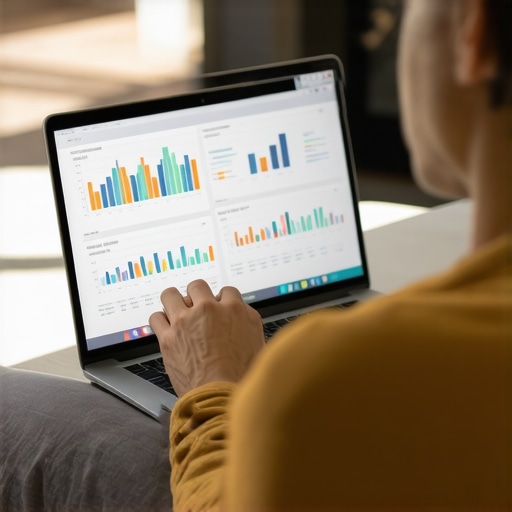
While many people accept common beliefs about health practices, there are subtle misconceptions that can hinder truly effective wellness strategies. One prevalent myth is that routine vaccinations and standard lab tests are sufficient for personalized health management. In reality, this approach overlooks individual variability and the importance of nuanced interpretation, which can lead to missed early warnings or suboptimal prevention. For example, relying solely on generic vaccine schedules or basic lab panels ignores the emerging field of personalized medicine, emphasizing tailored interventions based on detailed biomarkers.
Beware the trap of assuming “one size fits all” in health protocols. This mindset can cause you to overlook important subtle signs of imbalance. For instance, standard lab references might deem your vitamin D levels acceptable, but more refined thresholds suggest that optimal health requires even higher concentrations—something many labs do not specify. Such nuances are crucial because they are associated with risks like autoimmune disorders or metabolic issues if ignored. Learning to interpret these details with guidance from telehealth experts ensures prevention is proactive, not reactive.
What advanced lab markers can reveal hidden health risks before symptoms appear?
One area often missed in typical testing is the inclusion of markers like high-sensitivity CRP or advanced lipid profiles. Scientific studies, such as those published in the Journal of the American College of Cardiology, demonstrate that these markers can predict cardiovascular risks years before clinical events happen. Incorporating these into your wellness plan can lead to early lifestyle or medicinal adjustments, significantly improving outcomes. Virtual care platforms now enable access to such comprehensive testing without the traditional delays, elevating your ability to stay ahead of health issues.
Many individuals are surprised to learn how telehealth can revolutionize this process. By leveraging virtual consultations, you benefit from expert interpretation and personalized recommendations, ensuring you’re not just relying on generic guidelines. For example, understanding your lab results as a wellness map helps you make informed decisions that align precisely with your physiology. This approach, in tandem with targeted lab testing, transforms health management from guesswork into strategic action.
Another common misconception is the idea that once tests are done, your health status is fixed. In reality, wellness is dynamic, requiring regular updates and adjustments. Employing remote monitoring tools and repeat testing—easily coordinated through telehealth—keeps your wellness strategy responsive and effective over time. This proactive stance ensures evolving needs are met before symptoms manifest, reducing long-term risks.
In summary, understanding the nuanced differences in biomarkers, personalizing vaccination strategies, and utilizing telehealth for detailed interpretation are critical for true health optimization. Recognizing these hidden factors and addressing them head-on can prevent significant health setbacks and promote a vibrant, energized life. Have you ever fallen into this trap? Let me know in the comments. For those ready to explore this further, check out how telehealth transforms personal health care and start your journey toward nuanced, personalized wellness today.
Prioritize Consistency with Digital Tracking Tools
One of the most effective ways I stay on top of my health is by leveraging precise digital tracking tools. I personally use the Apple Health app integrated with my smartwatch to monitor daily activity, sleep quality, and heart rate variability. This continuous data provides insights beyond periodic lab tests, alerting me to subtle changes that could precede bigger issues. Similarly, dedicated apps like MyFitnessPal help me keep an eye on nutrition, ensuring I maintain a balanced diet necessary for long-term wellness.
Automate Regular Labs and Telehealth Check-ins
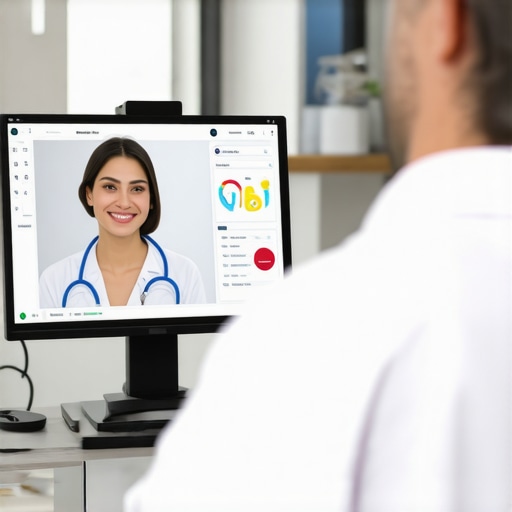
Scheduling regular lab tests is crucial for catching early warning signs before symptoms manifest. I automate this process by setting reminders aligned with recommendations from wellness experts. When results come in, I use telehealth platforms to review them with specialists, saving time and avoiding unnecessary clinic visits. These virtual check-ins ensure my wellness plan adapts based on current data, making maintenance proactive rather than reactive.
Implement Scalable Nutritional Supplementation
To optimize my nutrition, I use evidence-based supplements tailored to my lab results. For example, recognizing the importance of vitamin D, I take a personalized dose based on my plasma levels, as recommended by research on lab-guided supplementation. This targeted approach prevents deficiencies that can undermine long-term health and enhances my resilience against illness.
Stay Updated with Telehealth Innovations
The landscape of virtual healthcare is rapidly evolving. I follow updates from sources like leading telehealth insights to integrate cutting-edge tools into my routine. Whether it’s using remote sensors for continuous vitals or AI-driven symptom checkers, these innovations expand my capacity to maintain wellness at home. The future points toward even more personalized, on-demand care, making proactive health management more accessible than ever.
How do I maintain wellness over time?
Consistency and adaptability are key. By combining precise tracking devices, scheduled telehealth consultations, personalized supplements, and staying informed about emerging technology, I build a resilient wellness ecosystem. I also recommend testing periodically for less obvious markers, such as inflammatory cytokines or nutrient deficiencies, to fine-tune your health plan. Remember, wellness isn’t a set-it-and-forget-it endeavor; it requires ongoing attention and adjustment. For an in-depth understanding of how to maximize your health strategies, explore this guide on integrating vaccinations and lab testing. Don’t hesitate to try scheduling your next comprehensive lab assessment today—taking this step can set the foundation for sustained wellness.
Lessons That Changed My Approach to Wellness
One of the most eye-opening lessons I learned was that standard lab ranges are often a blunt instrument, missing the subtle signs my body was giving. I realized that trusting generic interpretations can delay crucial interventions, and that personalized, comprehensive testing is the real game-changer. Another insight was that telehealth isn’t just convenient—it’s a powerful tool for nuanced understanding, allowing me to access specialists quickly and review complex labs without the usual hassle. Lastly, I discovered that making health decisions based on detailed data transforms the entire wellness journey from reactive to proactive, leading to sustained vitality I never thought possible.
Tools That Became My Wellness Allies
My essential toolkit includes the telehealth platform I trust for chronic wellness management which offers quick access to experts and comprehensive assessments. The guides on understanding lab tests help me interpret results accurately and empower my health choices. I also lean on scheduled testing routines that act as wellness check-in points, catching issues before they escalate. Lastly, my use of digital health trackers consistently monitors daily metrics, alerting me to trends that need attention—because proactive health starts with real-time insights.
Transform Your Health Mindset and Take Action
Remember, true wellness isn’t achieved overnight—it’s a continuous journey grounded in knowledge and action. By embracing detailed testing, leveraging telehealth’s full potential, and consistently monitoring your health markers, you can unlock a level of vitality that feels like a superpower. It’s never too late to start viewing your body as a personalized map, ready for exploration and care. So, are you ready to take that first step toward a healthier, more energetic you? Out of curiosity, what’s your biggest obstacle in pursuing personalized health strategies? Let me know below and let’s support each other on this path.