
How to Read Your Testosterone Results Without Googling Every Number

I still remember the moment I opened my recent lab results and felt a wave of confusion wash over me. Numbers, units, ranges—so many digits flying at me. Did I need a degree in medicine to make sense of it? The worst part was the nagging feeling: I’m supposed to understand this for my health, yet I felt lost. Have you ever sat there staring at your testosterone results, wondering if your numbers are ‘good enough’ or if something’s wrong, but then ended up Googling wildly and wrapping yourself in more worry?
Why Reading Your Testosterone Results Matters More Than Ever
In today’s age of easy access to health information and telehealth options, taking charge of your wellness starts with understanding your own data. Testosterone, for example, influences everything from your energy levels to mood and even muscle mass. Yet, many men brush past their labs, unsure whether their results are within normal ranges or if they should be concerned. My lightbulb moment came when I realized I was making a rookie mistake early on—trusting generic ‘normal ranges’ without context or understanding what the numbers actually meant for me personally. Did you know that nearly 70% of men with symptoms of low testosterone have results that fall within the ‘normal’ range but still feel terrible? This highlights the importance of knowing how to interpret your results effectively, instead of dismissing them or panicking unnecessarily.
Is It Really Worth the Hype to Read Your Testosterone Results Yourself?
Initially, I thought I could just ignore the technicalities or rely entirely on the doctor’s interpretation. But I soon learned that being familiar with my own labs empowered me to have more meaningful conversations with healthcare providers and avoid unnecessary treatments. The key is to grasp what your numbers indicate about your unique health situation. Remember, not all ‘normal’ ranges are created equal—your ideal levels might differ based on age, lifestyle, or underlying health factors. Want to learn how to read your testosterone test like a pro? Stay tuned, because we’re about to turn what once seemed like confusing code into clear, actionable insights—without the need to scroll endlessly on Google or second-guess every digit.
Gather Your Data Before You Begin
Start by collecting all your recent lab reports and notes. Ensure you understand which tests you’ve taken, particularly focusing on testosterone levels. Think of this step as like assembling ingredients before cooking—you need to have everything laid out. This preparation allows you to see the full picture and prevents you from jumping into conclusions based on a single number. Remember, different labs might have slight variations, so keep your reports handy for comparison.
Learn to Read the Lab Report Layout
Lab reports typically include a reference range, your result, and sometimes a flag indicating normalcy. Familiarize yourself with these sections. The reference range acts like a map, guiding you to interpret if your levels are within expected limits. When I first examined my testosterone results, I noticed my levels were technically within the ‘normal’ range but still below what I felt comfortable with. Recognizing where my results sat in relation to the range was a game-changer, helping me decide when to consult my healthcare provider.
Understand the Significance of Your Numbers
Grasp that a result alone isn’t the full story. For example, a testosterone level of 350 ng/dL might be fine for a young man but concerning for someone older. Use the info to assess your symptoms in context. I once reviewed my labs and saw borderline low testosterone, which aligned with my feelings of fatigue. This insight prompted me to explore lifestyle changes and consider testing other hormones involved in your wellness journey, like SHBG or free testosterone. You can learn more about the role of lab tests in preventive wellness.
Identify Patterns and Alerts
Don’t look at results in isolation. Notice patterns—are your levels consistently low or fluctuating? Spotting these trends helps determine if there’s an ongoing issue. During my review, I saw my testosterone dipped below the normal range multiple times, which indicated I needed a more comprehensive check, possibly involving other hormones or lifestyle factors. Using online tools or apps that allow tracking can make pattern recognition easier. This approach is similar to tracking your fitness stats to improve over time.
Leverage Telehealth for Expert Guidance
If your results raise questions, use telehealth services for quick consultations. Think of it as calling a trusted coach instead of guessing game. I used a virtual consultation to clarify my results without long waiting times, enabling me to get personalized advice based on my data. Telehealth platforms can connect you with specialists who interpret labs in context—more efficient and less stressful than waiting for an in-person appointment. Explore how virtual care is revolutionizing wellness at this resource.
Apply Insights to Your Wellness Strategy
Use your interpreted data to make actionable decisions—adjust diet, exercise, or supplementation. For instance, if your testosterone is low, you might consider lifestyle interventions or discuss hormone replacement options with your healthcare provider. Remember, understanding your results empowers you to take charge, similar to how checking your car’s dashboard helps prevent breakdowns. Continuously monitor and adjust, keeping in mind that wellness is a dynamic process. Regular testing, supported by telehealth guidance, is key to staying on course.
Want to stay proactive? Regular lab tests are critical for tracking your progress and catching issues early, like in this wellness strategy. Reviewing your results with confidence transforms data into a tool for better health decisions—turning confusion into clarity every step of the way.
Many people often harbor misconceptions about vaccinations, wellness routines, telehealth services, and lab testing, which can lead to suboptimal health decisions. Let’s clarify some of these hidden nuances to help you navigate your health journey more effectively.
First, a widespread myth is that vaccinations are one-size-fits-all. In reality, personalized vaccination schedules, tailored to your medical history and lifestyle, can significantly enhance effectiveness and safety. For example, some individuals might benefit from earlier or additional boosters, which are often overlooked. For insights on optimizing your immunization plan, check out personalized vaccination strategies.
Another common misconception is that wellness is solely about generic advice like eating healthy and exercising. While fundamentals matter, overlooking the nuanced role of lab tests can hinder progress. Many fail to realize that standard panels often miss early signs of metabolic stress or nutrient deficiencies. Regular, targeted lab testing can uncover hidden risks, empowering you to make proactive adjustments. For a deep dive into essential tests, visit crucial lab assessments.
Why do so many rely on anecdotal info and outdated myths about telehealth?
Telehealth has revolutionized access but still faces misconceptions. Some believe virtual care lacks thoroughness, yet recent studies show that telehealth can match or surpass in-person visits for many conditions, especially for follow-ups or routine monitoring. The key is understanding that telehealth complements traditional care by offering convenience and quick access to specialists. It’s a strategic tool, not a compromise. For more on its benefits, explore telehealth’s advantages.
An often-overlooked nuance involves lab testing during telehealth visits. Some worry results may not be as accurate without in-person collection. However, labs now use high-precision methods, and virtual consults often include detailed prep instructions to ensure validity. Ensuring proper testing procedures is crucial—visit how to get reliable lab results.
Moreover, many underestimate the complexity of interpreting lab data. You might receive a normal range but still experience symptoms, leading to frustration. Advanced practitioners analyze patterns, hormone interactions, and individual baselines, recognizing that ‘normal’ isn’t universal. This is where working with experts via telehealth can be transformative. Curious about how this works? see lab test interpretation.
Finally, don’t fall for the trap of believing that more tests or supplements always mean better health. Quality, relevance, and context matter. Regular assessments tailored to your physiology help avoid unnecessary interventions and focus on what truly moves the needle.
Are you aware of the subtle pitfalls that can trip you up in your health pursuits? Have you ever fallen into this trap? Let me know in the comments.
Investing in Reliable Tools for Long-Term Wellness
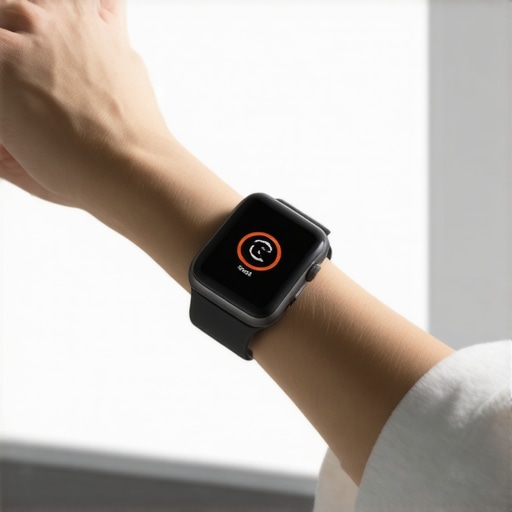
Maintaining your health journey requires more than just knowledge—it demands consistent and precise tools that fit seamlessly into your routine. Personally, I rely on a combination of specialized equipment and software to ensure I stay on top of my health metrics. For example, the <strong>Oura Ring</strong> has become my go-to device for tracking sleep patterns, heart rate variability, and activity levels. Its sleep scoring accuracy and overnight HRV monitoring help me identify early signs of stress or fatigue, enabling proactive adjustments—an approach backed by studies like the one published in Frontiers in Psychology.
Complementing this, I use the <strong>Fitbit Sense</strong> for its comprehensive health dashboard, including ECG, skin temperature, and SpO2 measurements, which can indicate underlying issues before symptoms arise. The key is choosing devices with validated accuracy in these metrics; otherwise, you risk chasing false alarms. For data analysis, I prefer the <strong>Cronometer app</strong>, which allows personalized nutrition tracking, integrating lab results to optimize my micronutrient intake. This combination ensures I maintain a holistic view and can make adjustments based on concrete data, rather than guesswork.
How do I maintain consistency with these tools over time?
For sustained results, I set routine check-ins—weekly reviews of sleep data, monthly summaries of activity levels, and quarterly blood tests. Scheduling these syncs into my calendar ensures they become non-negotiable habits. Additionally, I leverage telehealth services for professional interpretations, like discussing my HRV trends or nutrient gaps. For example, I recently used regular lab testing combined with my device data to identify a need for vitamin D supplementation, which improved my energy levels significantly.
Looking ahead, I believe the integration of wearable device data with AI-driven health analytics will become more sophisticated, providing even deeper insights. The trend points toward personalized health dashboards that can alert you before critical issues develop—saving you time, money, and unnecessary stress. However, the real trick is not just acquiring data but interpreting it correctly. Working with trusted telehealth providers allows you to contextualize your metrics within your unique health profile, empowering you to make timely, informed decisions.
Try implementing a daily sleep or activity log using your device’s app, coupled with a weekly review session. This small step can dramatically improve how you interpret your data and maintain your wellness trajectory. For comprehensive guidance, consider consulting virtual specialists who can help interpret complex trends—see how telehealth continues to revolutionize personalized care at this resource.
What I Wish I Knew Before Diving Into My Lab Results
- Realizing that normal ranges are just a starting point, not a definitive judgment, transformed how I viewed my health. I learned to interpret my levels in context, avoiding unnecessary panic or complacency.
- Understanding that a single test doesn’t tell the whole story encouraged me to look for patterns over time, which was crucial in catching subtle health shifts before they became serious.
- Discovering the value of combining lab insights with wearable data or symptom tracking provided a more comprehensive picture, empowering me to make better lifestyle choices.
- Seeking expert guidance through telehealth platforms helped me decode complex results and tailored advice, making my health journey more confident and less overwhelming.
My Go-To Resources for Smarter Wellness Decisions
- Vital Clinic’s Blog: Their articles on understanding lab tests and the role of telehealth have been eye-opening and practical, turning medical jargon into actionable insights. I especially trust the deep dives into interpreting specific markers.
- Reliable Wearable Devices: The Oura Ring and Fitbit Sense provide accurate sleep and activity data, helping me correlate how my lifestyle affects my lab results. Their user-friendly apps make tracking seamless.
- Expert Telehealth Services: Connecting with healthcare professionals remotely has allowed me to discuss results promptly without in-person visits. Their personalized approach is a game-changer.
- Educational Books: ‘The Hormone Cure’ by Dr. Sara Gottfried helped me understand the interconnectedness of hormones and lifestyle, filling gaps that standard tests often miss.
Embrace Your Data to Shape Better Days
Taking ownership of your health data isn’t just about numbers; it’s about empowering yourself with knowledge to make meaningful changes. Every insight gained is a step toward a more vibrant, balanced life. Remember, you don’t have to navigate this complex landscape alone— leverage trusted tools and expert guidance to transform confusion into clarity. Now is the moment to start interpreting your results with confidence and purpose. How will you use your data to elevate your wellness today? Share your thoughts below and join the conversation!