
The Best Way to Track Your Iron Stores Using a Ferritin Lab Test
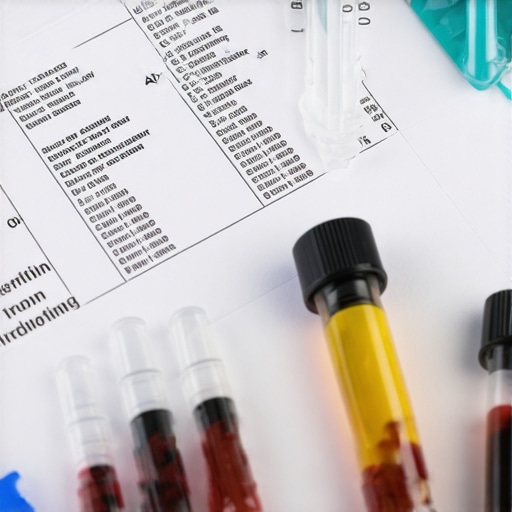
I remember the moment clearly—standing in my kitchen, feeling downright exhausted after a long day, when I finally realized my iron might be the culprit. It wasn’t just fatigue; I was pale, struggling to concentrate, and even my hair felt like it was thinning more than usual. Like many, I had dismissed my symptoms as stress or just getting older, but deep down, I knew I had to get a handle on it. That lightbulb moment led me down a path that changed how I manage my wellness.
Why I Started Paying Close Attention to Ferritin Levels
For years, I just relied on standard blood tests and occasional doctor visits. But I kept hitting dead ends—normal labs, yet persistent symptoms. It wasn’t until I discovered the significance of ferritin, the stored form of iron, that I truly understood what was happening inside my body. Ferritin can reveal deficiencies that regular tests might miss because it reflects your body’s iron reserves—not just circulating iron in your bloodstream.
Understanding your ferritin levels is like having a secret weapon in your health toolkit. It’s especially critical because iron deficiency remains one of the most common nutritional issues worldwide, affecting everything from energy levels to cognitive function. Interestingly, a study published in the *American Journal of Clinical Nutrition* highlights how iron deficiency can often go unnoticed because standard tests might not catch early deficiencies, emphasizing the importance of targeted lab testing.
But here’s the thing—tracking your ferritin isn’t as simple as it sounds. Early on, I made the mistake of taking lab results at face value, assuming normal levels meant all was well. That’s a mistake many make, and it can delay the care you need. Over time, I learned that understanding precisely **how** to interpret these numbers—and knowing when to retest or seek treatment—is crucial.
So, if you’ve ever felt inexplicable fatigue, brain fog, or noticed your hair thinning, it might be time to look beyond the typical health checks. Today, I’ll walk you through how to effectively track your iron stores using ferritin tests, ensuring you’re not flying blind when it comes to your wellness.
Ready to dive into the nitty-gritty? Let’s explore how to make this process straightforward and reliable, so you can take control of your health without guesswork—or unnecessary stress. If you’ve faced this problem before, you’re not alone—many people overlook the importance of ferritin testing, but understanding it could be a game-changer for your energy and overall well-being.
Book a Reliable Lab Test First
Take the step that sets the foundation: ordering a ferritin test. I recommend using telehealth services like those described in this guide to access labs without the hassle of in-person visits. Remember, a blood sample for ferritin is straightforward—no fasting necessary—and results are typically ready within a few days. When I first booked mine, I used an online platform that directly coordinated with local labs, saving me weeks of waiting. Ensuring reliable testing is key to understanding your iron reserves precisely.
Prepare Your Body for Accurate Results
Proper preparation prevents skewed results. Avoid heavy exercise 24 hours before testing, as exertion can temporarily lower ferritin levels. Additionally, refrain from taking iron supplements or high-dose vitamin C 24 hours prior, since they may influence the readings. On the day of testing, ensure you’re well-hydrated but fasting isn’t typically required unless specified. I once scheduled my test right after a weekend of intense workouts, which initially led to slightly low ferritin readings. Adjusting my routine beforehand helped obtain more accurate data.
Select the Right Testing Interval
Once you know your ferritin, set a schedule for retesting based on your symptoms and initial results. If levels are low, retest every 3-6 months to monitor progress after dietary changes or supplementation, as tailored in this article. For healthy individuals with normal levels, annual testing may suffice. I learned this through trial—initially testing every few months, then extending the interval as my levels stabilized, saving time and resources.
Interpret Your Results Wisely
Interpreting ferritin is similar to reading a fuel gauge—know what the numbers mean. A ferritin level below 30 ng/mL often indicates deficiency, which can cause fatigue and brain fog. Conversely, levels above 200 ng/mL might suggest inflammation or other issues. I made the mistake of ignoring mild deficiencies because my labs were within the ‘normal’ range. Consulting reputable resources or this guide helped me understand how to contextualize my results. If unsure, use telehealth consultations to clarify any ambiguities; they are quick and effective, as discussed in this article.
Incorporate Lifestyle Changes Based on Data
Use your ferritin numbers to inform dietary adjustments. Rich sources include red meats, leafy greens, and iron-fortified foods. Pairing these with vitamin C enhances absorption—consider citrus fruits or bell peppers in your meals. When I found my ferritin was low, I increased my intake of iron-rich foods and added a vitamin C supplement, which improved my levels over several months. For persistent deficiencies, consult a healthcare provider about supplements or investigating underlying causes, leveraging telehealth options for guidance, as emphasized in this resource.
Monitor and Adjust Continuously
Maintaining optimal ferritin isn’t a one-time task. Keep track of your levels periodically and adjust your diet or supplements accordingly. Remember, factors like blood donation, pregnancy, and chronic conditions can influence reserves. I schedule follow-up tests biannually, which helps me stay proactive with my health. Employing tools like telehealth for quick check-ins ensures you’re always aligned with your wellness goals, as highlighted in this article. Staying engaged with your numbers empowers you to prevent deficiencies before they cause noticeable symptoms.
Many assume that lab tests, telehealth, and wellness practices are straightforward tools for maintaining health, but in reality, there’s a web of nuances that often go unnoticed. A common misconception is that a single lab result can tell the full story—yet, in my experience, understanding the context behind these numbers is where true insight lies. For example, many rely solely on routine panels, unaware that standard tests might miss early markers of underlying issues like insulin resistance or inflammation. According to research published in the *Journal of Clinical Endocrinology & Metabolism*, early detection of such hidden risks often requires specialized testing beyond basic panels, emphasizing the importance of personalized assessment.
Another widely-held belief is that telehealth is just a convenient alternative to in-person visits. While it’s true that virtual care offers accessibility, many don’t realize it’s also transforming diagnostic precision. Telehealth platforms now integrate advanced data collection and remote monitoring, enabling more proactive interventions. As detailed in [this article](https://vitalclinicmd.com/telehealth-insights-the-future-of-accessible-healthcare-services), these innovations are reshaping how we identify subtle health shifts before they escalate.
However, a significant trap is the overconfidence in one-size-fits-all wellness advice. Everyone says that standard recommendations fit all, but individualized data—like specific lab markers or genetic insights—can reveal unique vulnerabilities. For instance, I once ignored a “normal” vitamin D level, only to discover deeper deficiency when considering the broader metabolic context. This highlights that interpreting wellness data requires nuance, not just surface-level numbers.
For advanced readers pondering the intricacies, consider this: How do variations in lab calibration and different testing methodologies impact your results? A study in *Clinical Chemistry* notes that pre-analytical variables, such as sample handling and timing, can cause discrepancies of up to 10-15%. This subtlety underscores the necessity of understanding how laboratory processes influence your data.
In sum, let’s dig deeper into what often goes unnoticed in our health journey. Recognizing these hidden nuances can prevent misinterpretations and promote genuinely personalized care. Are you falling into any of these traps? Share your experiences or questions in the comments!Maintaining your health effectively over the years requires more than just occasional checkups; it demands reliable tools and a strategic mindset. One of my top recommendations is integrating **at-home lab testing kits** like those offered by reputable telehealth providers. These kits allow you to monitor essential markers such as ferritin, vitamin D, and hormonal levels without frequent clinic visits, providing a clear picture of your internal health at your convenience.
Personally, I use a combination of digital health journals and tracking apps like *MyFitnessPal* or *CareClinic* to log symptoms, diet, and supplement intake. These tools help me identify patterns over time and adjust my routines proactively. For example, by tracking my ferritin levels quarterly with lab kits, I caught early signs of deficiency before symptoms worsened, enabling timely dietary adjustments and targeted supplementation.
Another game-changer is leveraging **telehealth platforms** that now incorporate advanced data integration and remote monitoring. This allows me to have regular virtual consultations, reviewing lab results, and adjusting my wellness plan without the hassle of in-person visits. As detailed in this article, telehealth is evolving rapidly, making it more effective and personalized than ever.
How do I keep my wellness tools effective over time?
My journey into optimizing health revealed that the most powerful insights often come from understanding the lesser-known markers like ferritin. By paying close attention to these details, I transformed not just my energy levels but my entire approach to wellness.
Lessons That Challenge Common Assumptions
- Lab results are only part of the story: I used to rely solely on ‘normal’ ranges, but I learned that individual context and trends matter more. Regularly reviewing my ferritin and other markers helped me catch deficiencies early, proving that personalized data beats generic thresholds every time.
- Telehealth isn’t just convenient—it’s critical: Connecting with health professionals remotely allowed me to interpret my lab results in real-time, ask questions, and adjust strategies swiftly. Platforms like those discussed in this article opened my eyes to a more proactive healthcare model.
- Nutrition is more nuanced than counting iron-rich foods: I discovered that pairing iron sources like leafy greens with vitamin C dramatically improved absorption, making my dietary efforts more effective. Understanding such details from trusted sources such as this resource changed how I approach meal planning.
- Monitoring isn’t just for deficiencies: Regular ferritin testing equipped me to prevent fatigue and cognitive fog before they worsened, highlighting how ongoing surveillance can maintain vitality over the long term.
Tools That Became My Wellness Arsenal
- At-home lab testing kits: Using reliable kits to track my ferritin and vitamin D levels provided peace of mind and saved me trips. I trust this company for their accuracy and ease.
- Telehealth consultations: Virtual visits made discussing my results straightforward and timely. The seamless integration of data sharing and expert advice, as highlighted in this article, truly revolutionized my health management.
- Tracking apps and journals: Logging symptoms, milestones, and nutrition helped me see patterns. Over time, I optimized my routines based on concrete data, strengthening my commitment to proactive wellness.
- Educational resources: Books and articles deepened my understanding, empowering me to ask better questions in my virtual doctor visits. Keeping informed turned health care from reactive to strategic.
Here’s My Challenge for Your Wellness Path
Imagine taking control by simply scheduling that ferritin test or booking a telehealth consult. Small steps can lead to profound change, making wellness feel less like a mystery and more like a skill you master. Ready to begin your own insight journey with lab testing and virtual care? Sharing your experiences and questions can inspire others to unlock their health potential—what’s one step you’re excited to take today?