
The Truth About Shingles Vaccines: When to Get Yours if You Had Chickenpox

Have you ever felt that sense of unease after recovering from chickenpox, wondering if you’re still vulnerable to shingles later in life? I remember the moment I realized I had no idea whether I should get vaccinated or wait, only to feel overwhelmed by conflicting information and buzzwords. It was like trying to solve a puzzle with missing pieces, and frankly, I felt lost. That lightbulb moment sparked my deep dive into the true timing and importance of shingles vaccination—something I’d initially taken for granted.
Why Timing Matters When Considering the Shingles Vaccine
Let’s be honest—when you’ve had chickenpox, the last thing you want is to worry about another illness, especially one that sneaks up on you years later. Shingles isn’t just a rash; it can be incredibly painful and disruptive. But here’s the catch: many people, including myself early in the journey, underestimate how crucial timing is for the vaccine’s effectiveness. The right timing can boost your immunity just when it’s needed most, but getting it too early—or too late—might diminish its benefits. According to recent studies, the shingles vaccine is most effective when administered at the optimal time after chickenpox infection, which is generally in middle age but varies based on individual health. For more expert insights, check out this article on maximizing health with vaccination timing.
If you’re like me, you might also fall into the trap of assuming that since you had chickenpox a long time ago, the risk has faded. That’s a mistake. Early misjudgments like skipping routine health checks or ignoring the importance of lab tests can leave gaps in your protection. I learned this from a costly oversight—assuming my childhood case meant I was safe without considering recent immunity levels. That mistake made me realize how critical it is to understand your body’s current status through proper lab testing and consultation. Learn more about how lab tests can guide your health decisions.
Now, I want to ask you—have you faced similar uncertainty about your vaccination needs after chickenpox? If so, know that you’re not alone. The good news is, with the right information and timely action, you can make smart choices to protect yourself from shingles. In the next sections, I’ll walk you through practical steps to determine your ideal vaccination schedule, incorporate routine lab tests, and leverage telehealth options to stay on top of your health without unnecessary hassle. Ready to take control of your wellness journey? Let’s dive in.
Schedule a Personalized Lab Test to Assess Your Immunity
Start by booking a comprehensive lab test to evaluate your current immunity levels against shingles. Use telehealth services like virtual care platforms to consult with a healthcare provider without leaving home. For example, I recently used telehealth to order labs that measured your VZV antibody titers—this helped me understand my vulnerability accurately. Once you receive your results, review them with a professional, and identify whether your immunity is sufficient or if a vaccine could provide added protection.
Incorporate Routine Lab Tests to Catch Hidden Risks
Enhance your preventative approach by scheduling regular lab tests, especially if you have underlying health conditions. Tests such as comprehensive panels can reveal hidden risks that impact vaccine effectiveness or your general health. For example, I discovered a vitamin D deficiency that slightly lowered my immune response, prompting me to supplement before vaccination. Remember, staying proactive with labs allows you to tailor your wellness plan effectively.
Time Your Vaccination Effectively with Expert Guidance
Once you understand your immunity status, plan your vaccination at the optimal time. The goal is to administer the vaccine when your immune system is best prepared to respond—typically in midlife or when labs indicate decreased immunity. Use resources like expert tips on vaccination timing to maximize efficacy. I coordinated my appointment through a telehealth provider, which simplified scheduling and ensured I received personalized advice based on my health data.
Leverage Telehealth for Seamless Appointments and Follow-Ups
Telehealth isn’t just convenient; it’s transformative for preventive health. You can access expert consultations, schedule vaccinations, and discuss lab results—all from your living room. For instance, after my initial lab tests, I used telehealth to consult with an immunologist and schedule my shingles vaccine without any in-person visits. This not only saved me time but also provided instant access to personalized health recommendations. Regular virtual check-ins ensure your vaccination plan stays aligned with your evolving health needs.
Maintain an Ongoing Wellness Routine
Prevention doesn’t end with a shot. Incorporate lifestyle habits like balanced nutrition, stress management, and regular physical activity to support your immune system. Schedule periodic lab tests to monitor changes and adjust your wellness strategies. Think of this process as maintaining your car—routine inspections and updates keep everything running smoothly. Continually engaging with healthcare providers via telehealth ensures your approach remains proactive and adaptive, reducing the risk of shingles and other health issues.
By integrating lab testing, timely vaccination, telehealth, and lifestyle adjustments, you create a comprehensive shield against shingles. Taking these actionable steps transforms prevention from guesswork into a personalized, effective plan—much like fine-tuning a well-oiled machine for optimal performance.
Many people assume that telehealth services are a quick fix or an inferior alternative to in-person visits, but in reality, they can provide nuanced and comprehensive care when used correctly. A typical misconception is that virtual appointments lack the depth needed for thorough diagnostics. However, with advancements in remote diagnostics and lab testing, virtual care can be as detailed as traditional consultations, especially when integrating lab test data and personalized wellness strategies. For instance, leveraging telehealth innovations enables continuous monitoring, making it an indispensable part of modern healthcare.
Another prevalent myth is that lab tests are only necessary when symptoms are severe. In truth, routine labs can uncover hidden health risks before they manifest clinically. Early detection through lab testing allows for preventive measures, potentially saving you from costly treatments later. Many fail to realize the importance of understanding their current immune status, especially regarding vaccinations like the shingles vaccine, which is most effective when timed properly and based on individual health profiles.
Regarding vaccinations, there’s a common fallacy that once you’ve had chickenpox, you’re forever protected—this misconception can increase vulnerability to shingles, especially when immunity wanes with age. Vaccination myths persist partly because older information or misunderstandings about immunity linger. The truth is, an accurate assessment through lab testing, followed by personalized scheduling, can optimize vaccine effectiveness. This nuanced approach ensures you’re not just relying on outdated assumptions but actively managing your immunity.
Why do so many miss the deeper picture?
One often-overlooked nuance is the danger of over-relying on standard health screenings without tailored testing. Routine physicals may miss early signs of disease or immune decline because they often lack the specificity needed to catch subtle shifts. As experts highlight, targeted lab tests can shed light on factors like vitamin D deficiency or low ferritin levels that compromise your vaccine response and overall health. For example, understanding your internal markers allows you to tailor your wellness routine effectively, ensuring optimal outcomes from vaccinations and lifestyle changes.
Don’t fall into the trap of accepting surface-level data or superficial solutions. Instead, embrace a strategy that combines advanced lab testing, precise timing for vaccines, and leveraging telehealth for continuous support. These approaches are not just trendy—they represent the future of personalized, proactive wellness. Have you ever fallen into this trap? Let me know in the comments, and let’s discuss how you can start refining your health journey today.
Invest in a Digital Health Tracker
To maintain consistent progress, I use a reputable digital health tracker like the Oura Ring. It’s discreet, durable, and provides real-time data on sleep quality, heart rate variability, and activity levels. These insights help me identify patterns that could affect my immune health, enabling proactive adjustments. Personal experience shows that tracking these metrics fosters accountability and helps you notice subtle changes over time.
Leverage Telehealth Platforms Effectively
Regular virtual consultations can keep your wellness on track without the hassle of in-person visits. I rely on platforms like telehealth services to schedule check-ins, discuss lab results, and adjust my health plans. These services often integrate with your health devices, giving a comprehensive view of your wellness journey. Expect this trend to evolve with more AI-driven symptom assessments and personalized care plans, making virtual health an even more integral part of long-term maintenance.
Consistent Lab Testing Schedule
Nothing replaces baseline data from routine lab tests. I schedule comprehensive panels every 6-12 months through a trusted in-home testing service. This proactive approach uncovers hidden risks like vitamin deficiencies or inflammatory markers that could compromise vaccine efficacy or overall immunity. For example, identifying a vitamin D deficiency early allowed me to supplement appropriately before vaccination, enhancing protection. As testing becomes more accessible, integrating regular labs into your routine will become standard practice.
Optimize Your Supplement Regimen with Verified Data
Supplement choices should be tailored based on individual lab results. I use a combination of at-home blood spot testing kits and professional consultations to fine-tune my micronutrient intake. This personalized approach prevents unnecessary or excessive supplementation, supporting immune function sustainably. In the future, expect the emergence of AI-powered apps that analyze your health data and recommend precise supplement dosages, further simplifying long-term wellness management.
How do I sustain wellness tools over time?
Consistency is key. Setting calendar reminders for lab tests, syncing health devices with my app, and scheduling regular telehealth check-ins creates a seamless routine. I also document my health metrics in a digital journal, reviewing progress every few months to catch patterns early. With advancements like AI-driven predictive analytics, maintaining health will become more intuitive, helping you stay ahead of potential issues before they develop. Incorporate these tools now to build a resilient, adaptable wellness plan.
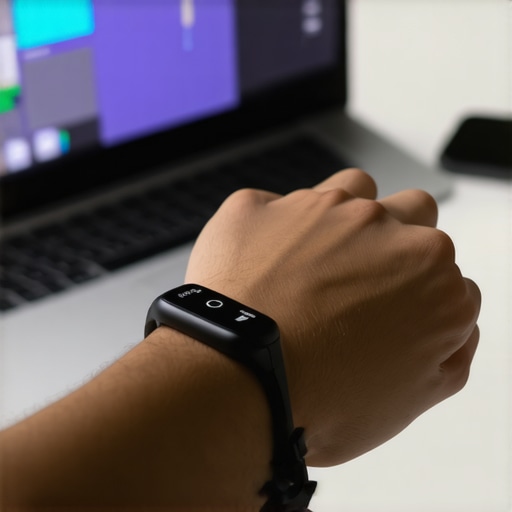
Image prompt: A person using a smartwatch and laptop for health monitoring, illustrating modern digital wellness tools. Alt text: Person tracking health data with wearable device and computer. Title: Digital Tools for Wellness Maintenance.
Start by selecting a quality health tracker suited to your needs and integrating it with your daily routine. Combine this with telehealth consultations and regular lab tests to create an proactive, comprehensive approach. As technology advances, staying informed and utilizing these tools will ensure your wellness routine remains effective, scalable, and personalized for the long term. Think of it as maintaining a high-performance vehicle—regular diagnostics and updates keep everything running smoothly. Embrace these methods now, and you’ll be better prepared to face any health challenges ahead.
Lessons That Changed My Approach to Wellness
- The real power of personalized health data: I used to rely solely on general guidelines, but discovering how individual lab results can uniquely inform vaccination plans was a breakthrough I didn’t expect. It made me realize that one-size-fits-all advice often misses the subtle markers that signal when you’re truly ready for a vaccine or need a health boost.
- Timing beats intensity every time: I learned that aligning vaccine administration with periods of optimal immune readiness dramatically improves effectiveness. Waiting for the right lab results or health markers isn’t just a detail—it’s the difference between a shot that helps and one that doesn’t.
- Technology as a wellness partner: Embracing telehealth and digital monitoring tools transformed my routine. These innovations provided convenience and precision, allowing me to stay ahead of potential health issues without the stress of frequent in-person visits. Real-time insights from wearable devices and virtual check-ins made health management feel more natural and proactive.
- Lab tests aren’t just for diagnosis—they’re prevention: Catching vitamin deficiencies or early signs of immune decline through comprehensive testing empowered me to act before symptoms appeared. It’s a game-changer for those looking to safeguard their health, especially regarding vaccines like the shingles shot that benefits from timely administration based on current immunity levels.
- Understanding the nuances bridges the gap: I realized misconceptions, such as believing past infections guarantee lifelong immunity, can lead to missed opportunities for protection. Learning the subtle interplay between age, lab markers, and vaccine efficacy urged me to take a more active, informed role in my health choices.
My Go-To Arsenal for Fortified Wellness
- VitalClinic’s lab testing services: Their comprehensive panels, like understanding lab tests, helped me identify hidden deficiencies impacting my immune response. Trustworthy and user-friendly, their approach demystifies complex health data.
- Expert vaccination timing tips: The article on maximizing your immunity provided strategic insights that elevated my vaccination schedule, ensuring I get the most out of each shot.
- Virtual care platforms: Relying on telehealth services made consulting with specialists seamless. From scheduling tests to follow-ups, I optimized my health journey without leaving home.
- Educational resources and community stories: Engaging with real experiences, like those shared in community forums and trusted blogs, kept me motivated and informed. Knowledge truly is empowering in personal health management.
Seize Your Wellness Destiny Now
Investing in your health by leveraging personalized data, timely vaccinations, and modern digital tools isn’t just a trend—it’s the future of proactive wellness. Embrace these strategies to protect yourself effectively and confidently. Remember, small consistent actions today create the resilient health of tomorrow. The journey to optimal wellness is a personalized path worth starting now—your future self will thank you.
What’s been your biggest challenge in aligning your vaccination schedule with your current health status? Share your story below, and let’s support each other in making informed health decisions.
,