
The Lab Test Every Man Needs After Turning 50

It hit me hard one morning—I was staring at my reflection and realizing I felt more off than usual. Despite feeling relatively active and optimistic, there was this nagging anxiety at the back of my mind about my health. Then I remembered a lightbulb moment: I hadn’t had a comprehensive lab test in years. That realization was a wake-up call. Trust me, many men in their 50s face this silent oversight, and it’s not something to brush off.
Why Waiting Can Cost You Your Health
I’ve come to learn that ignoring routine health screenings after 50 is like ignoring the warning lights on your dashboard. Problems brew beneath the surface, unnoticed until something drastic happens. For instance, according to the CDC, nearly 70% of men over 50 have at least one chronic condition that could be caught early with proper testing. Regular lab tests are your best defense against silent health threats, such as hypertension, cholesterol imbalances, or hidden hormonal issues, that can quietly sabotage your wellbeing.
Is This Test Really Worth the Hype?
I admit, I used to think that regular checkups were overkill. I thought, “If I feel fine, I must be fine.” But that was my mistake. Early on, I skipped testing that could have identified early signs of blood sugar irregularities or vitamin deficiencies. When I finally decided to get tested, I uncovered issues I might have managed more easily if caught sooner. Don’t let skepticism hold you back from taking control. Regular lab testing is backed by experts as a cornerstone of preventive health.
So, what’s the essential lab test I swear by? Keep reading, because I’ll guide you through the important steps, including the specific tests that can unlock the secrets to your health and keep you thriving well into your later years.
Start by scheduling comprehensive blood work to uncover hidden issues. Use telehealth platforms like virtual care innovations for convenience and quick access. When preparing, fast for at least 8 hours to ensure accurate glucose and lipid readings. I once missed this step and got a skewed cholesterol report; now I set alarms to remind myself of fasting times.
Prioritize tests such as a lipid panel, fasting glucose, vitamin D, and thyroid function. Consider specific markers like lipoprotein(a) which can better predict heart risks. To streamline your testing, ask your provider to include essential lab tests for vaccination planning. These help tailor your immunization schedule and detect underlying deficiencies.
Once your results are in, schedule an online consultation with a healthcare professional. Virtual visits eliminate travel time and wait periods. During the appointment, review your labs thoroughly—ask about any anomalies or concerns like elevated inflammation markers. I recall a busy week where I used telehealth to clarify confusing results, leading me to adjust my lifestyle instead of unnecessary medications.
For ongoing management, utilize telehealth for routine check-ins. Platforms offer the convenience of reviewing lab trends over time, which is crucial for conditions like cholesterol or thyroid issues. Explore how telehealth transforms personalized care and why it’s becoming essential for men over 50.
Vaccinations are a key preventive step. Modern protocols recommend specific immunizations based on age, health status, and lifestyle. Use digital tools or telehealth consults to develop a personalized vaccine schedule. For example, I scheduled my tetanus and shingles shots using virtual care, avoiding long pharmacy lines, as explained in boosting immunity with expert tips.
Combine lab tests and vaccinations to create an integrated wellness plan. Tests can reveal deficiencies that vaccines might not address directly, like Vitamin B12 or D. Regular testing makes it possible to optimize vaccination timing, enhancing immunity, and reducing illness risk. For tailored immunization plans, visit personalized vaccination schedules.
Consistency is vital. Schedule periodic lab work, especially before major vaccinations or health changes. Use telehealth to review results promptly and adjust plans as needed. This adaptive approach proved beneficial when I quickly revisited my results after discovering a slight thyroid imbalance, leading to minor adjustments without delay.
Track your lab data over time with digital tools or keep a health journal. Recognize patterns—like consistently high blood sugar—that warrant lifestyle changes or medication adjustments. Regular updates ensure your wellness strategies remain aligned with your body’s needs.
While many believe that a single lab test or annual visit suffices for ongoing health, the reality is far more nuanced. A common misconception is that standard panels and routine checkups are enough to catch all health issues. In truth, these standard measures can miss critical early indicators, especially in men over 50, where silent problems often develop beneath the surface. For instance, laboratory evaluations like detailed lipid subfraction analysis can reveal hidden cardiovascular risks that traditional cholesterol tests overlook. According to a study in the Journal of Preventive Medicine, advanced lipid testing can better predict heart disease in middle-aged men, emphasizing the importance of not settling for generic panels.
Beware of the One-Size-Fits-All Approach in Vaccinations
Many think that getting vaccinated once or relying solely on age-based schedules is sufficient. However, this overlooks the individual nuances of immune response, especially when vitamin D levels, hormonal status, and existing health conditions influence vaccine efficacy. Personalized immunization plans, developed through comprehensive lab assessments, can significantly boost immunity. Platforms utilizing telehealth can facilitate these tailored strategies, ensuring you’re protected against emerging threats rather than just following generic schedules. I recommend consulting resources like wellness checkups as your first step for more on this approach.
The Hidden Risks of Over-Reliance on Telehealth
Telehealth offers unparalleled convenience, yet many underestimate its limitations. It’s tempting to think that virtual consultations replace thorough physical exams, but subtle signs—like skin changes, lymph node swelling, or joint issues—may require in-person evaluation. Advanced telehealth platforms, however, now integrate high-resolution imaging and remote monitoring devices, allowing for more comprehensive assessments. Using these tools effectively can prevent dangerous conditions from slipping through the cracks. For example, remote blood pressure cuffs and wearable ECG monitors can provide continuous data, enhancing diagnostic accuracy. But remember, telehealth is an enhancer—not a total substitute—for in-person care. To maximize its benefits, explore how virtual care is evolving in delivering precise health management.
Debunking the Myth of Quick Fixes and One-Time Tests
A prevalent myth is that one comprehensive test or treatment suffices for health optimization. The truth? Wellness is a dynamic, ongoing process. Regular re-evaluation of biomarkers—such as inflammatory markers or nutrient levels—allows for timely adjustments that static, one-time testing simply can’t provide. For instance, vitamin D supplementation without periodic tests can lead to overdosing or suboptimal levels, diminishing benefits. Incorporating continuous monitoring tools and periodic lab work ensures your wellness strategy adapts to changes over time, maximizing benefits and minimizing risks. For insights on making the most of your testing regimen, check the article your roadmap to clearer diagnosis.
Have you ever fallen into this trap? Let me know in the comments. Staying vigilant and informed is the key to true wellness beyond misconceptions and myths!
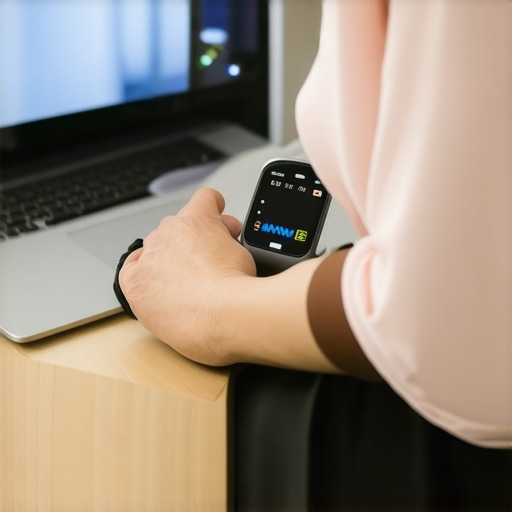
Maintaining your health over time requires more than just occasional visits—it demands the right tools and a disciplined routine. One device I personally swear by is a high-quality Bluetooth-enabled blood pressure monitor like the Omron Platinum. I use it daily to track fluctuations, ensuring I catch early signs of hypertension before symptoms even appear. The key is consistency; syncing the device with apps such as Apple Health or MyFitnessPal allows me to visualize trends and share data seamlessly during telehealth consultations, making adjustments to my lifestyle or medication as needed.
Another indispensable tool is a continuous glucose monitor (CGM), like the Freestyle Libre. As someone managing insulin sensitivity, I find that wearing a CGM provides real-time insights into how foods, stress, and sleep affect my blood sugar levels throughout the day. This proactive approach has helped me fine-tune my diet and avoid costly, late-stage interventions.
When it comes to lab testing, I recommend periodic comprehensive panels from trusted laboratories. Regular testing helps identify subtle deficiencies or hormonal changes that could compromise long-term health. To streamline this process, I utilize telehealth services for fast, convenient consultations. For example, platforms like virtual care innovations are transforming how we access expert guidance, making it easier to adjust wellness plans based on lab results.
Looking ahead, I predict that integrating wearable tech with AI-driven analytics will become standard, providing personalized health strategies and early warnings tailored to each individual. This synergy will reduce reliance on reactive treatments and instead promote a proactive, data-driven approach.
***
For those serious about long-term wellness, I suggest trying to incorporate a dual monitoring system: pairing a reliable blood pressure cuff with a CGM if applicable. Setting up daily routines around these tools, reviewing data regularly, and consulting virtually with healthcare professionals creates a dynamic feedback loop that keeps your health on track. Remember, consistency is key—schedule weekly reviews of your trends and use telehealth consultations for expert insight. To get started, explore regular lab testing for early detection and leverage modern telehealth services to stay ahead of any potential issues. Don’t wait until symptoms surface—being proactive now can save you years of health complications later.
Beyond the Surface: Secrets No One Tells Men Over 50
In my journey toward better health, I realized that most of what we accept as normal—like feeling slightly off or ignoring minor symptoms—is a dangerous misconception. One of the most profound lessons was understanding that comprehensive lab testing isn’t just a checkbox; it’s a window into unseen health issues lurking beneath the surface. Early detection through targeted blood work can change outcomes, saving you from silent dangers like hormonal imbalances or cardiovascular risks that are often missed by standard exams.
My Unexpected Wake-Up Call
There was a moment when a routine blood test uncovered a low vitamin D level that was affecting my mood and immunity. Had I not taken that step, things might have worsened unnoticed. This eye-opening experience taught me that proactive health strategies—like personalized lab panels—are essential for staying ahead of potential problems. It’s the difference between reacting to illness and preventing it altogether.
Why Flexibility and Consistency Matter More Than Ever
I discovered that health isn’t a one-and-done deal; it demands ongoing attention and adaptation. Regularly reviewing lab data, updating vaccination plans, and leveraging telehealth for expert insights create a dynamic approach. These tools empower you to make informed decisions, adjusting lifestyle and treatment plans before small issues turn into chronic conditions. This discipline has become my secret weapon to longevity and vitality.
Curated Resources That Changed My Perspective
The backbone of my health strategy includes trusted platforms like virtual care innovations which streamline expert consultations. For understanding essential lab tests, I rely on this comprehensive guide that breaks down what I should always request. Books like Beat Disease offered insights into the power of personalized prevention. And finally, I trust tools like my Bluetooth blood pressure monitor and continuous glucose sensor to keep a real-time pulse on my health—making me more resilient each day.
Empower Your Next Step and Live Fully
Your health journey can be as proactive and personalized as you make it. The future is increasingly data-driven, with wearable devices and telehealth merging into a formidable defense against age-related silent threats. So, why not start today? Schedule that comprehensive lab test, incorporate remote monitoring, or consult virtually with a trusted provider—your future self will thank you. Remember, staying vigilant and informed isn’t just about adding years to your life; it’s about enriching every moment in those years. How will you take charge of your health starting now? Share your plans below—every small step counts.